Attractions and Places To See around Arcos De La Frontera - Top 20
Attractions and places to see around Arcos De La Frontera include a historic town set dramatically on a clifftop above the Guadalete River. This location provides panoramic views of the surrounding landscape. The town serves as a gateway to the Route of the White Villages and features a historic center with a blend of architectural styles. Nearby, the Embalse de Arcos offers water activities and birdwatching opportunities.
Best attractions and places to see around Arcos De La Frontera
- The most popular attractions is Majaceite River Trail, a trail that offers a pleasant walk from El Bosque to Benamahoma, accompanied by the Majaceite river. This trail is over 5 km long and does not require a permit.
- Another must-see spot is Old Town of Arcos de la Frontera, a settlement that stands on a steep cliff. Visitors can explore its historic site, which includes monumental jewels like the castle of the Dukes and the Puerta de Matrera.
- Visitors also love Basilica of Santa María de la Asunción, a religious building constructed in Mudéjar style during the 14th or 15th century. It was declared a National Monument in 1931 and a Minor Basilica in 1993.
- Arcos De La Frontera is known for its historical sites, religious buildings, and natural trails. The area offers a variety of attractions to see and explore, from ancient castles and churches to river walks.
- The attractions around Arcos De La Frontera are appreciated by the komoot community, with more than 120 upvotes and 33 photos shared by visitors.
Last updated: July 20, 2026
Majaceite River Trail
Highlight • Trail
Translated by Google •
Tip by

Old Town of Arcos de la Frontera
Highlight • Settlement
Translated by Google •
Tip by

Sign up now to discover places like this
Get recommendations on the best single tracks, peaks, & plenty of other exciting outdoor places.
Sign up for free
Ruins of the Majaceite River Water Mill
Highlight • Monument
Translated by Google •
Tip by

Basilica of Santa María de la Asunción
Highlight • Religious Site
It was built in the 14th or 15th century in Mudéjar style.
Translated by Google •
Tip by
El Camborio Artistic Nativity
Highlight • Structure
Translated by Google •
Tip by
Sign up for free to discover even more attractions around Arcos De La Frontera.
Sign up for free
Already have an account?
Start today with a free account
Your next adventure awaits.
Login or Signup
Popular around Arcos De La Frontera
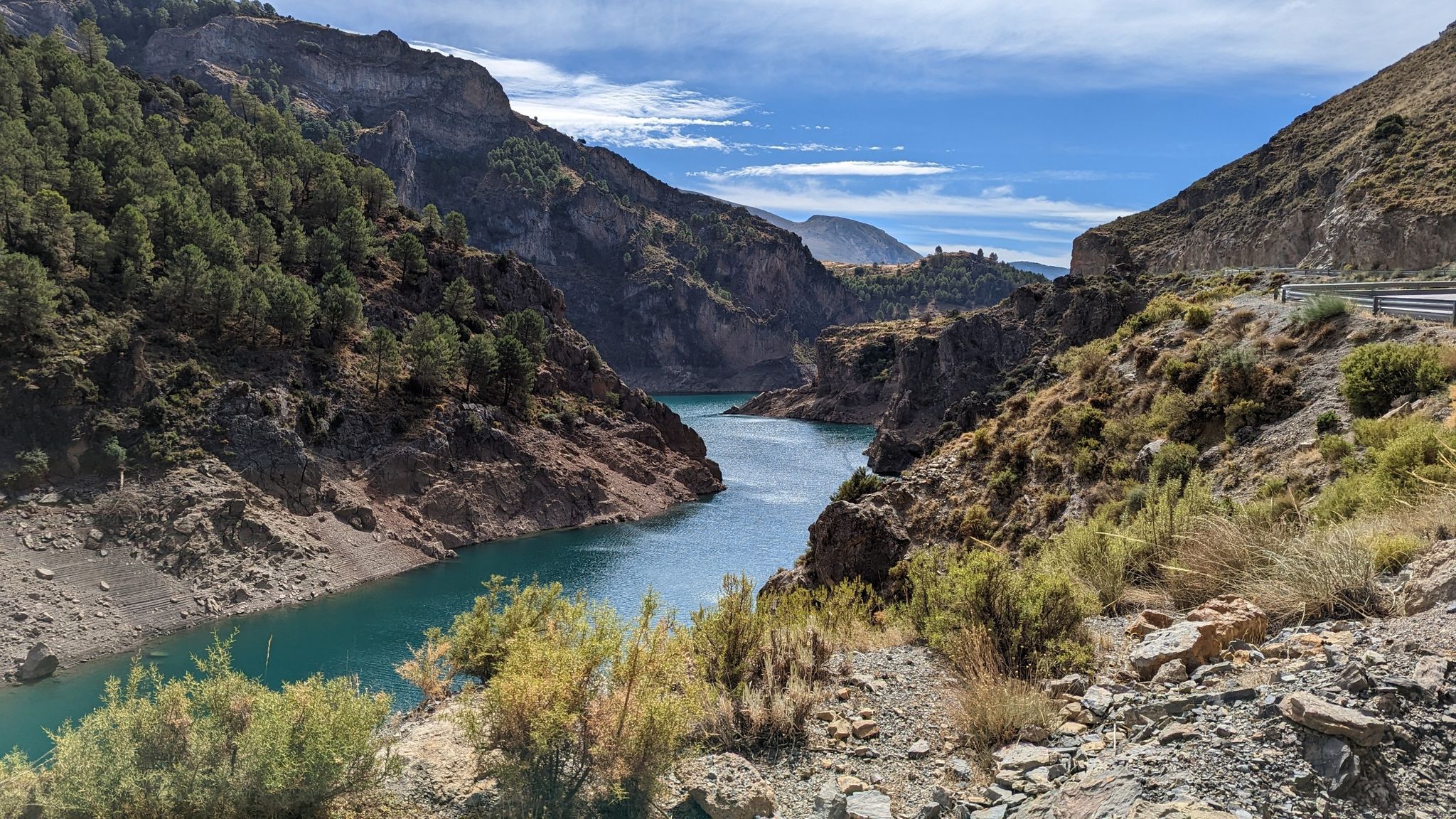
A journey through the Spanish hinterland – cycling across Andalusia
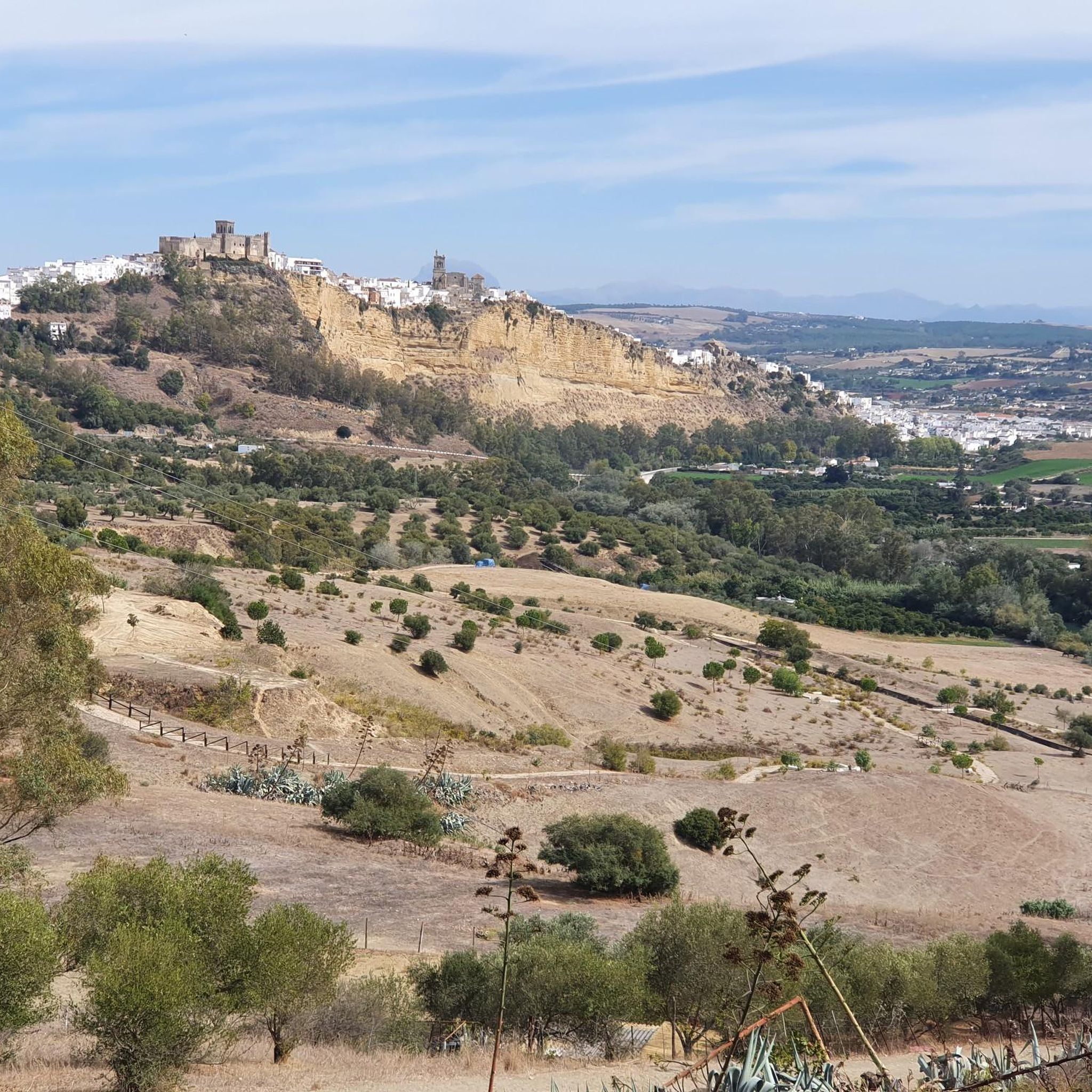
Road Cycling Routes around Arcos De La Frontera
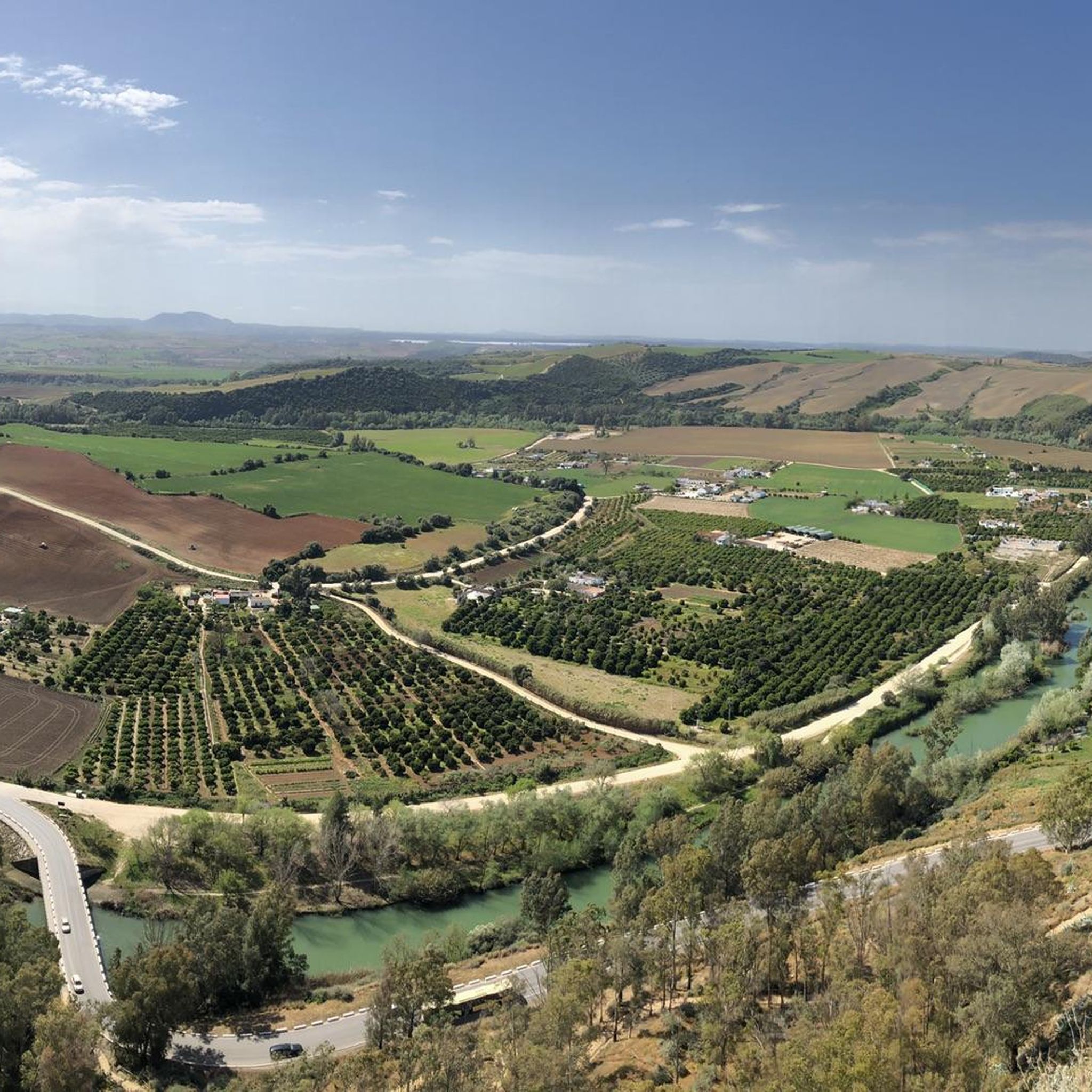
Cycling around Arcos De La Frontera
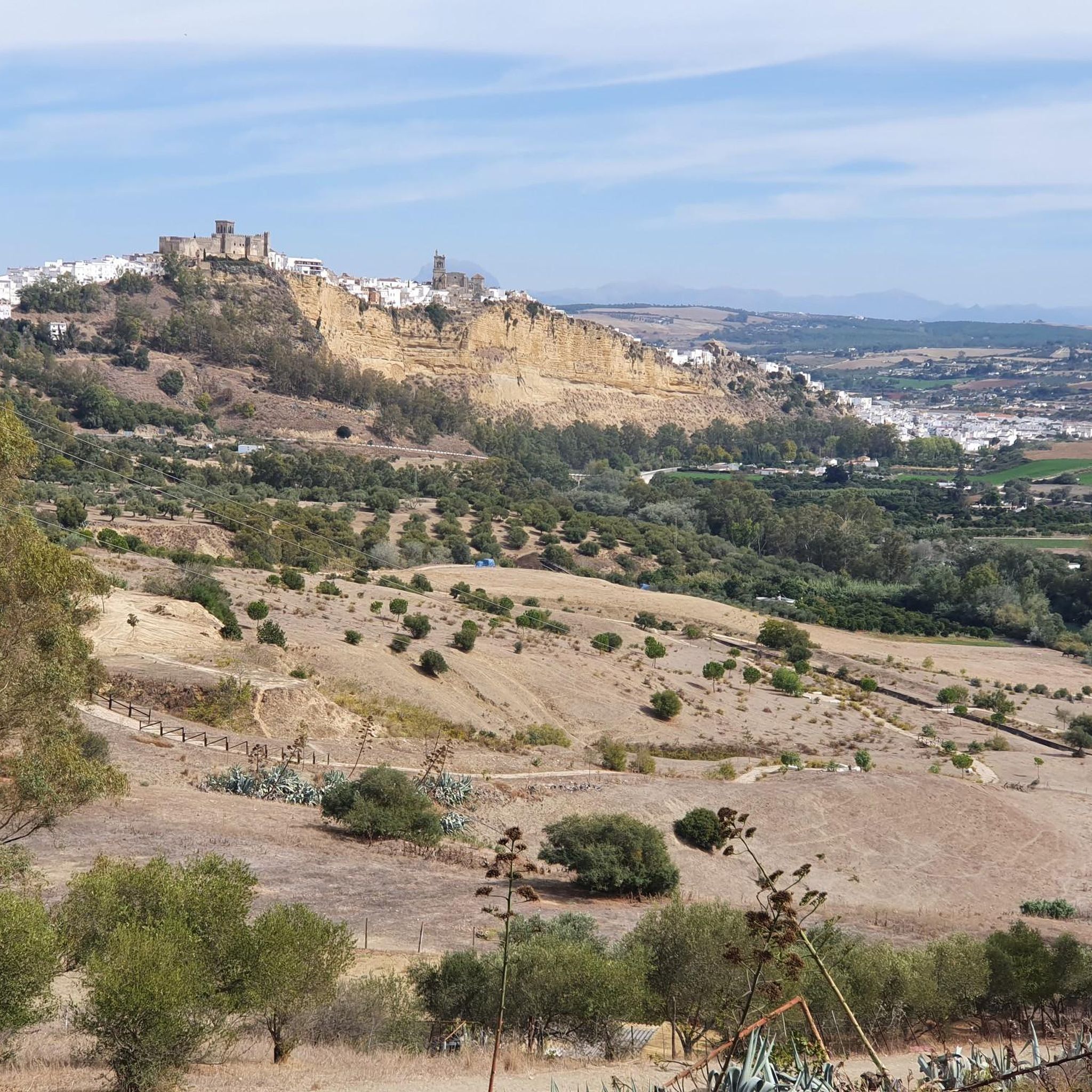
Hiking around Arcos De La Frontera
Running Trails around Arcos De La Frontera
MTB Trails around Arcos De La Frontera
Gravel biking around Arcos De La Frontera
Other adventures around Arcos De La Frontera

Tips from the Community

A beautiful circular walk. You walk along the river for large parts. Very beautiful.
0
1

El Belén artístico El Camborio is a beautiful and impressive creation located in Arcos de la Frontera. It is a small museum that looks like a cave carved into the rock, in which beautiful treasures and scenes from the Gospel are depicted with great detail and craftsmanship. It is a place where the landscape changes from day to night, which makes it even more special.
9
0
El Belén artístico El Camborio is a beautiful and impressive creation located in Arcos de la Frontera, Spain. It is a small museum that looks like a cave carved into the rock, in which beautiful treasures and scenes from the Gospel are depicted with great detail and craftsmanship1. It is a place where the landscape changes from day to night, which makes it even more special.
6
0
The town, situated on a rocky plateau, invites you to travel through time. From the 11th century it was the capital of a taifa, a small Berber kingdom. The fortified town was finally reconquered in 1264 by Alfonso X, who also took Seville, Jerez and Cádiz during the Reconquista. For two centuries Arcos was an outpost on the border of the kingdom and in the 15th century the village came into the hands of the Ponce de León family, who played a major role in the victory over the kingdom of Granada. During the 19th century, Arcos acquired its current appearance thanks to the rise of olive and grape cultivation and horse breeding.
12
0
This church was built around 1530 on the site of a 14th-century church, which itself had taken the place of a large Moorish mosque. The main façade, by Don Alonso de Baena, is a perfect example of the Plateresque style. The church, which is accessed via the neoclassical right-hand side façade, has the plan of a basilica with three naves separated by sturdy columns supporting star vaults. On the high altar is a 17th-century altarpiece (Assumption of the Virgin) by Jerónimo Hernández and Juan Bautista Vázquez. Behind the high altar is the octagonal apse of the former Mudejar church. The frescoes (The Coronation of the Virgin) that once adorned the high altar were transferred to the wall to the left of the altar in the 1960s.
12
0

Family hiking trail. Very popular with the locals.
2
1

Using the power of moving water to drive a mill wheel is an ancient invention that dates back to pre-Christian times. Thanks to such a construction, human or animal muscle power could be easily replaced by a watercourse - natural or artificially created - in order to grind grain into corn, for example. There are essentially two different ways of driving watermills: Either the water simply hits the blades of the water wheel from below to set it in motion; or the water is guided above the wheel and falls onto the blades; this type of construction is more efficient due to natural gravity.
1
0
The Andalusian nativity scene culture is extremely remarkable and is still a very lively tradition. At the beginning of November 2023, an international expert audience - namely the participants of the XXII. World Nativity Congress – convince. Another nativity scene museum is located in Jerez de la Frontera: https://www.komoot.de/highlight/6269529 https://www.komoot.de/highlight/6276240
8
0
Frequently Asked Questions
What kind of historical sites can I explore in Arcos de la Frontera?
Arcos de la Frontera is rich in history. You can explore the Old Town of Arcos de la Frontera, which is a Historic Site featuring monumental jewels like the 15th-century Castillo Ducal (Ducal Castle) and the 11th-14th century Puerta Matrera, the only surviving access point from the old Arab wall. The town's historic center also boasts palaces, stately homes, and remnants of Roman pillars integrated into street corners.
Are there natural attractions or features to see around Arcos de la Frontera?
Yes, Arcos de la Frontera is dramatically situated on a cliff overlooking the Guadalete River, offering breathtaking views. Nearby, the Embalse de Arcos (Arcos Reservoir) provides opportunities for water activities like kayaking or paddleboarding and is a wintering site for various bird species. The town also serves as a base for exploring the natural parks of Sierra de Grazalema and Los Alcornocales.
What outdoor activities can I do near Arcos de la Frontera?
You can enjoy various outdoor activities. For walking, the Majaceite River Trail offers a pleasant, mostly shady walk from El Bosque to Benamahoma. If you're interested in running, you can find routes like the 'Lago de Arcos Beach – Playita de Arcos loop' or 'Puerta Matrera – Ruinas romanas loop' by checking the Running Trails around Arcos De La Frontera guide. For cycling, explore options like the 'Circular Route of the Embalse de Bornos' in the Cycling around Arcos De La Frontera guide.
Are there any family-friendly attractions in Arcos de la Frontera?
Absolutely. The Majaceite River Trail is a low-difficulty trail, ideal for families, connecting El Bosque and Benamahoma. It's about 4.4 kilometers long and can be completed in about 2 hours, offering beautiful river views and gallery forests. The Embalse de Arcos also offers family-friendly water activities.
Where can I find the best panoramic views of Arcos de la Frontera?
Arcos de la Frontera is famous for its numerous viewpoints, or 'miradores', offering spectacular vistas. The Plaza del Cabildo, located in the heart of the old town, provides incredible panoramic views. Another popular spot is the Mirador de Abades, known for its romantic setting and stunning outlooks over the dramatic cliffside.
Can I visit any religious buildings in Arcos de la Frontera?
Yes, the town features several significant religious buildings. The Basilica of Santa María de la Asunción, built on the site of a former Arab mosque, showcases a blend of Gothic, Mudejar, Renaissance, and Plateresque styles. Another notable church is the Iglesia de San Pedro, featuring a Baroque-style facade. You can also find the Convento de la Encarnación and the Convento de las Mercedarias Descalzas, where nuns are known for making homemade pastries.
What makes the Old Town of Arcos de la Frontera special?
The Old Town of Arcos de la Frontera is declared a Historic Site due to its beauty, monuments, and archaeological richness. It reflects its Muslim heritage with narrow, steep streets, charming courtyards, and arches. It's a journey through time, featuring the castle of the Dukes, the Puerta de Matrera, and the Basilica of Santa María, all perched dramatically on a steep cliff.
Are there any unique cultural experiences or 'hidden gems' in Arcos de la Frontera?
Beyond the main landmarks, explore the Callejón de las Monjas (Nuns' Alley), an iconic narrow street with three stone arches overhead. Look out for 'Ventanas con Orejeras' – unique windows with side holes designed for observing outside activity. The Convento de las Mercedarias Descalzas offers a chance to purchase homemade pastries from the cloistered nuns, a local tradition.
What do visitors particularly enjoy about the attractions in Arcos de la Frontera?
Visitors frequently praise the dramatic clifftop setting and the breathtaking panoramic views. The historic charm of the Old Town of Arcos de la Frontera, with its winding streets and ancient architecture, is also a highlight. Many enjoy the peaceful and varied nature of the Majaceite River Trail, often noting its suitability for families and its beautiful scenery.
Is Arcos de la Frontera part of the Route of the White Villages?
Yes, Arcos de la Frontera is often considered the gateway to Andalusia's renowned Route of the White Villages (Ruta de los Pueblos Blancos). Its distinctive whitewashed buildings, historic charm, and clifftop location embody the essence of these picturesque Andalusian towns.
What is the best time of year to visit Arcos de la Frontera for sightseeing?
The best time to visit Arcos de la Frontera for sightseeing and outdoor activities is typically during the spring (April to June) and autumn (September to October). During these months, the weather is pleasantly mild, making it ideal for exploring the historic town, enjoying viewpoints, and undertaking walks or hikes without the intense heat of summer.
Are there any specific architectural details I should look out for in the historic center?
When exploring the historic center, pay attention to the blend of architectural styles in buildings like the Basilica of Santa María de la Asunción, which features Gothic, Mudejar, Renaissance, and Plateresque elements. Also, look for the 'Ventanas con Orejeras' (windows with earmuffs) and the Roman pillars integrated into the corners of various streets, often repurposed from ancient structures.
Are there any ruins or historical remnants along the Majaceite River?
Yes, along the Majaceite River, you can find the Ruins of the Majaceite River Water Mill. These are the remnants of an old flour mill, with only the building's ruins and the original grinding stones preserved. The surrounding area also features small waterfalls, making it a picturesque spot with historical significance.
Most popular routes around Arcos De La Frontera
Most popular attractions around Arcos De La Frontera

Get inspired with the komoot mobile app


Explore more
Still not found the Highlight you’re looking for? See guides of the top attractions in other regions:
