The best walks and hikes around Trasobares
4.9
(15)
103
hikers
14
hikes
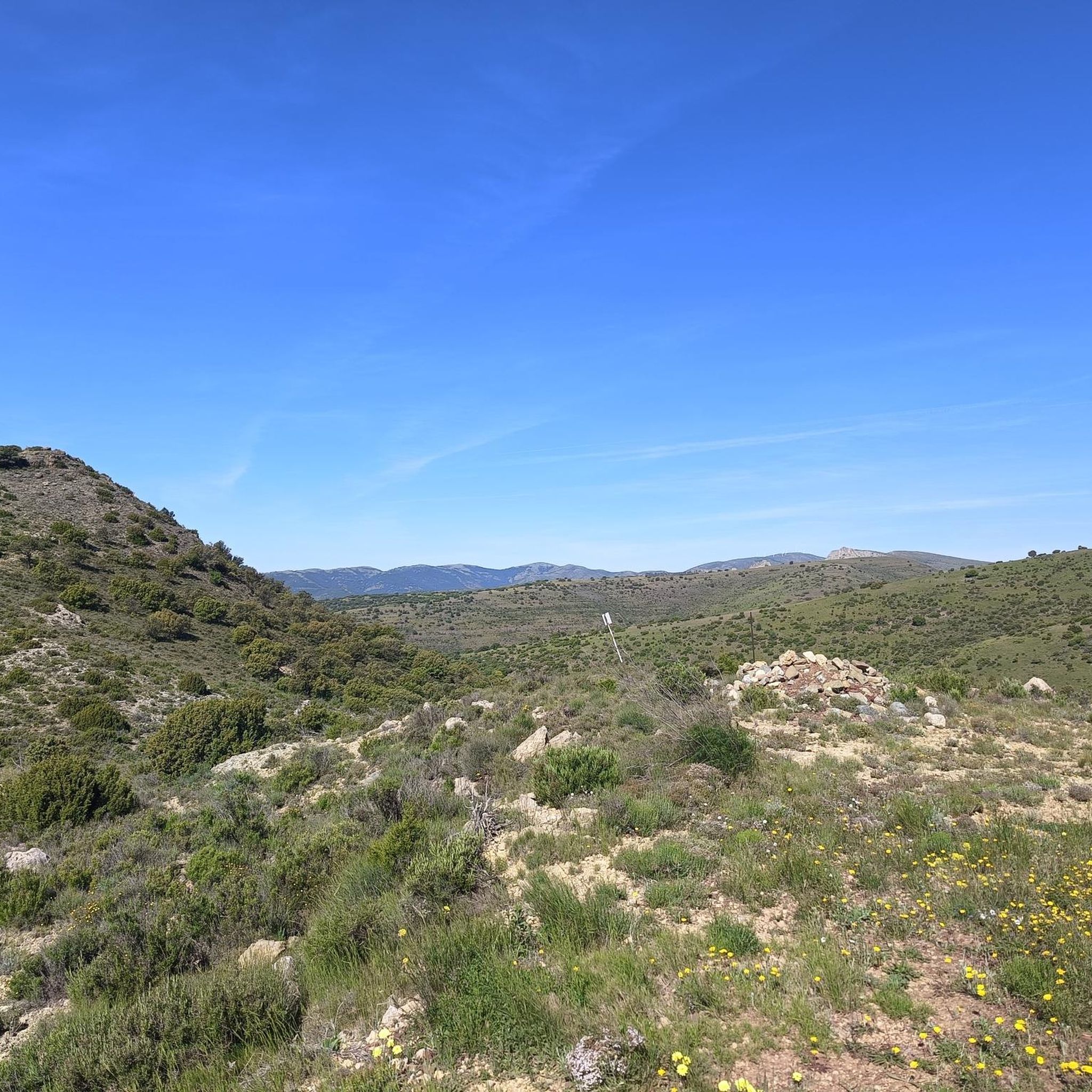
Hiking around Trasobares offers diverse landscapes within the Isuela river valley, characterized by mountainous terrain, unique rock formations, and deep ravines. The region features significant geological formations, including the "Herrera rocks" and the Valcongosto ravine. Nearby, the Moncayo Natural Park provides additional opportunities for exploration, contributing to the varied natural features of Trasobares trails.
Best hiking trails around Trasobares
- The most popular hiking route is Peñas de Herrera - circular from Talamantes, a 9.3 miles (15.0 km) trail that…
Last updated: July 12, 2026
4.5
(11)
54
hikers
15.0km
04:50
650m
650m
Moderate hike. Good fitness required. Easily-accessible paths. Suitable for all skill levels.
5.0
(2)
4
hikers
7.26km
02:08
210m
210m
Moderate hike. Good fitness required. Easily-accessible paths. Suitable for all skill levels.

Sign up for free
5
hikers
Moderate hike. Good fitness required. Easily-accessible paths. Suitable for all skill levels.
5.0
(1)
2
hikers
Hard hike. Very good fitness required. Easily-accessible paths. Suitable for all skill levels.
7
hikers
9.16km
03:02
440m
440m
Moderate hike. Good fitness required. Easily-accessible paths. Suitable for all skill levels.
Get access to more routes and recommendations from other explorers.
Sign up for free
Already have an account?
Our route recommendations are based on thousands of hikes, rides, and runs completed by other people on komoot.
Start today with a free account
Your next adventure awaits.
Login or Signup



Tips from the Community

Talamantes is a fantastic starting point for exploring the Moncayo region, with trails that blend forest, mountains, and ravines. Paths like the one leading to the Valdetreviño ravine start right from the village, perfect for walks with great views and no crowds. Plus, it's small and peaceful, ideal for stopping, having a bite to eat, and recharging after your hike.
1
0

The Peñas del Cabo Caves are located on the western cliffs of the Peñas del Cabo, near Calcena, in the province of Zaragoza, Aragon. These caves are known for their impressive geological structure and speleothems, such as stalactites, stalagmites and flowstones. One of the most popular caves is the Cueva Honda, which has been used as a shelter for livestock and has housed archaeological remains from the Neolithic period. In addition, the cave is an important refuge for bat colonies during the summer. The caves offer a unique experience for caving and nature lovers.😊
4
0
The Mirador de la Ermita de San Cristóbal is located in the municipality of Los Fayos, in the province of Zaragoza, Aragon. This viewpoint offers spectacular views of the Queiles River Valley and the surrounding area, including the Val reservoir. The San Cristóbal hermitage, located next to the viewpoint, is a place of great historical and cultural interest. Built in the 17th century, the hermitage is an example of religious architecture in the region. Access to the viewpoint and the hermitage can be made through several hiking routes that run through the area, offering the opportunity to enjoy nature and panoramic views.
4
0

The Talamantes castle was built in the 11th century with the purpose of defending the border crossing between Castile and Aragon in the Valdeherrera and Valdetreviño ravines. Although much of the fortification is in a state of ruin, the north wall and one of its towers are still quite well preserved.
0
0
The Valdeherrera ravine connects the town of Talamantes with the Estacas hill, a point where the GR 90 forks into two variants. The ravine, although it consists of steep slopes, offers fantastic views of the surrounding rocks.
1
0

From this point, on the outskirts of Calcena, you have a good view of the whole town with its traditional houses and its magnificent natural environment.
2
0

We are located in the village of Talamantes, within the Moncayo Natural Park, from where we can see the remaining walls of Talamantes Castle, located at the top of the hill. Also known as the fortress of Monte Silla.
1
0
Beautiful picture that the almond fields give us (during the spring season) and the town of Calcena in the background that will surely make us take out the camera to photograph.
1
1
Frequently Asked Questions
How many hiking trails are available around Trasobares?
Based on komoot data, there are around 14 hiking routes available around Trasobares. These trails offer diverse landscapes within the Isuela river valley, characterized by mountainous terrain, unique rock formations, and deep ravines.
What are the typical difficulty levels for hiking trails in Trasobares?
The hiking routes around Trasobares primarily feature moderate to difficult ability levels. There are 12 moderate trails and 2 difficult trails, offering options for various fitness levels and challenges.
What natural features can I expect to see while hiking near Trasobares?
The region is rich in diverse natural features. You can explore spectacular rock formations like the "Herrera rocks" and dramatic ravines such as the Valdeherrera and Valcongosto gorges. The area also features the impressive Cueva de los Pilares, a natural rock sanctuary, and offers panoramic views from summits like Cerro Morrón.
Are there any circular hiking routes in Trasobares?
Yes, many routes in the area are circular. For example, the Peñas de Herrera - circular from Talamantes is a popular option, as is the Mirador de la Ermita de San Cristobal from Calcena — circular by Penas del Cabo.
What do other hikers enjoy most about hiking in Trasobares?
The trails around Trasobares are highly rated by the komoot community, with an average score of 4.9 stars from over 10 reviews. Hikers often praise the varied terrain, the unique rock formations, and the challenging yet rewarding experiences offered by routes through gorges and mountainous landscapes.
Are there any family-friendly hiking options in Trasobares?
While many routes in Trasobares are moderate to difficult, some sections of the Valcongosto Gorges, like the Valcongosto Gorges and Cuartún - circular from Purujosa, might be suitable for families with older children who are accustomed to hiking. Always check the route details for elevation and terrain before setting out with children.
Can I hike with my dog in Trasobares?
Generally, dogs are welcome on hiking trails in the Trasobares region. However, it's always advisable to keep your dog on a leash, especially in areas with livestock or protected wildlife. Be mindful of local regulations and ensure your dog is well-behaved around other hikers and nature.
What is the best time of year to go hiking in Trasobares?
The best time to hike in Trasobares is typically during spring and autumn when temperatures are milder and the landscapes are vibrant. Summer can be very hot, making early morning or late afternoon hikes preferable. Winter hiking is possible but requires appropriate gear for potentially cold and icy conditions, especially at higher elevations.
Are there any notable landmarks or attractions near the hiking trails?
Beyond the natural beauty, the area features several points of interest. You can visit the Cueva de los Pilares, a unique rock sanctuary, or enjoy the views from Views of the Peñas de Herrera. The broader region also has historic structures like the Monasterio de Veruela and various castles, which can be explored as part of a longer trip.
Is there parking available for hikers in Trasobares?
Parking is generally available in or near the villages that serve as starting points for hikes, such as Trasobares itself, Talamantes, or Purujosa. It's recommended to check specific route descriptions for details on parking facilities at trailheads.
Are there any trails that pass through the Moncayo Natural Park?
Yes, the Moncayo Natural Park is nearby and offers additional hiking opportunities. Some longer routes, like the challenging Calcena - Trasobares - Barranco de Valdeplata - Calcena — circular by the Moncayo Natural Park, incorporate parts of the park, allowing you to experience its diverse ecosystems and oak forests.
Where can I find water sources or springs along the trails?
While hiking, you might encounter natural water sources like the El Boticario Spring, which is part of the El Boticario Spring – Valdeherrera Gorge loop from Talamantes. However, it's always recommended to carry sufficient water, as not all springs are reliable or potable, especially during dry seasons.
Most popular attractions around Trasobares

Get inspired with the komoot mobile app


Explore more
Browse the best Hikes in other regions.
