The best walks and hikes around Blancafort
4.7
(132)
918
hikers
113
hikes
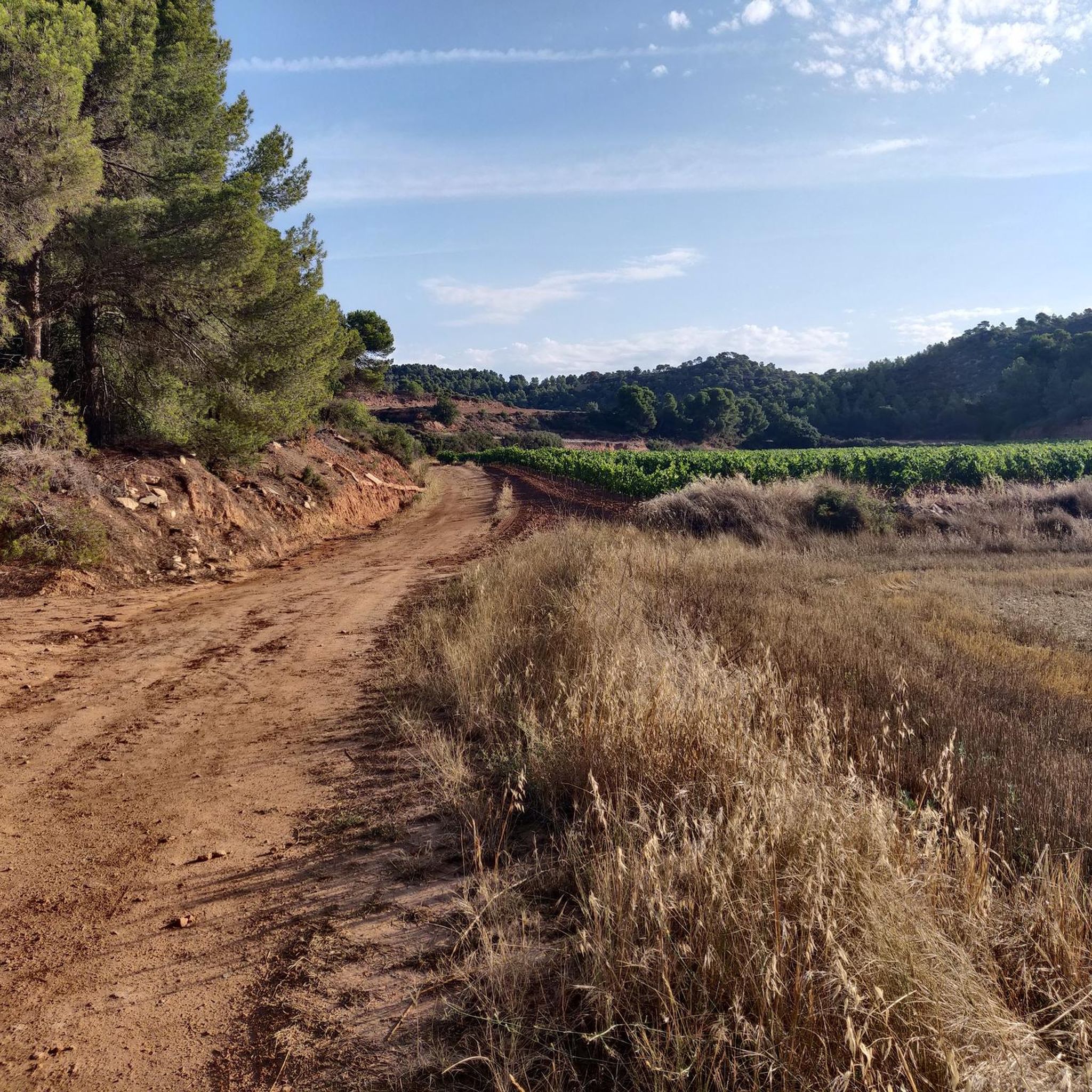
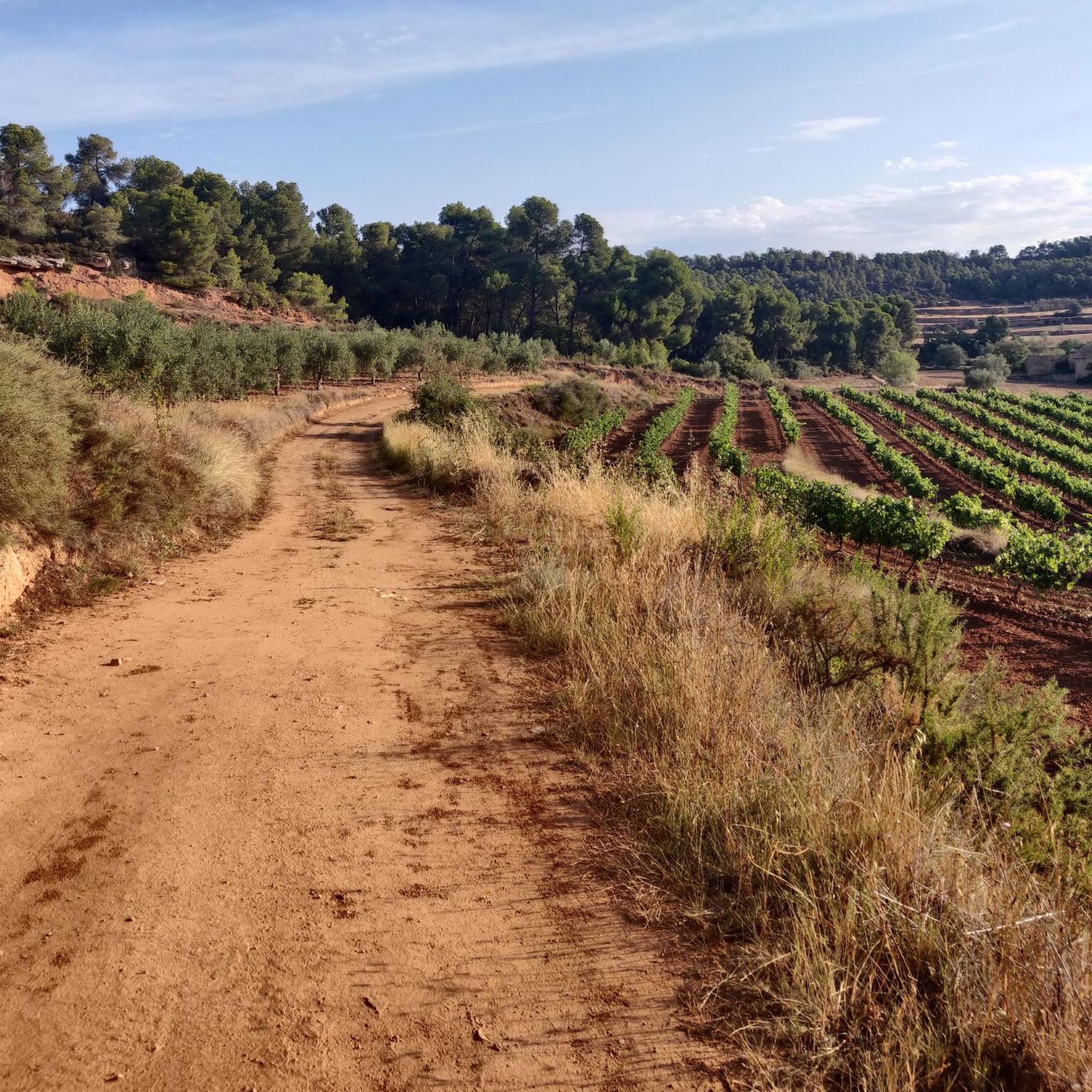
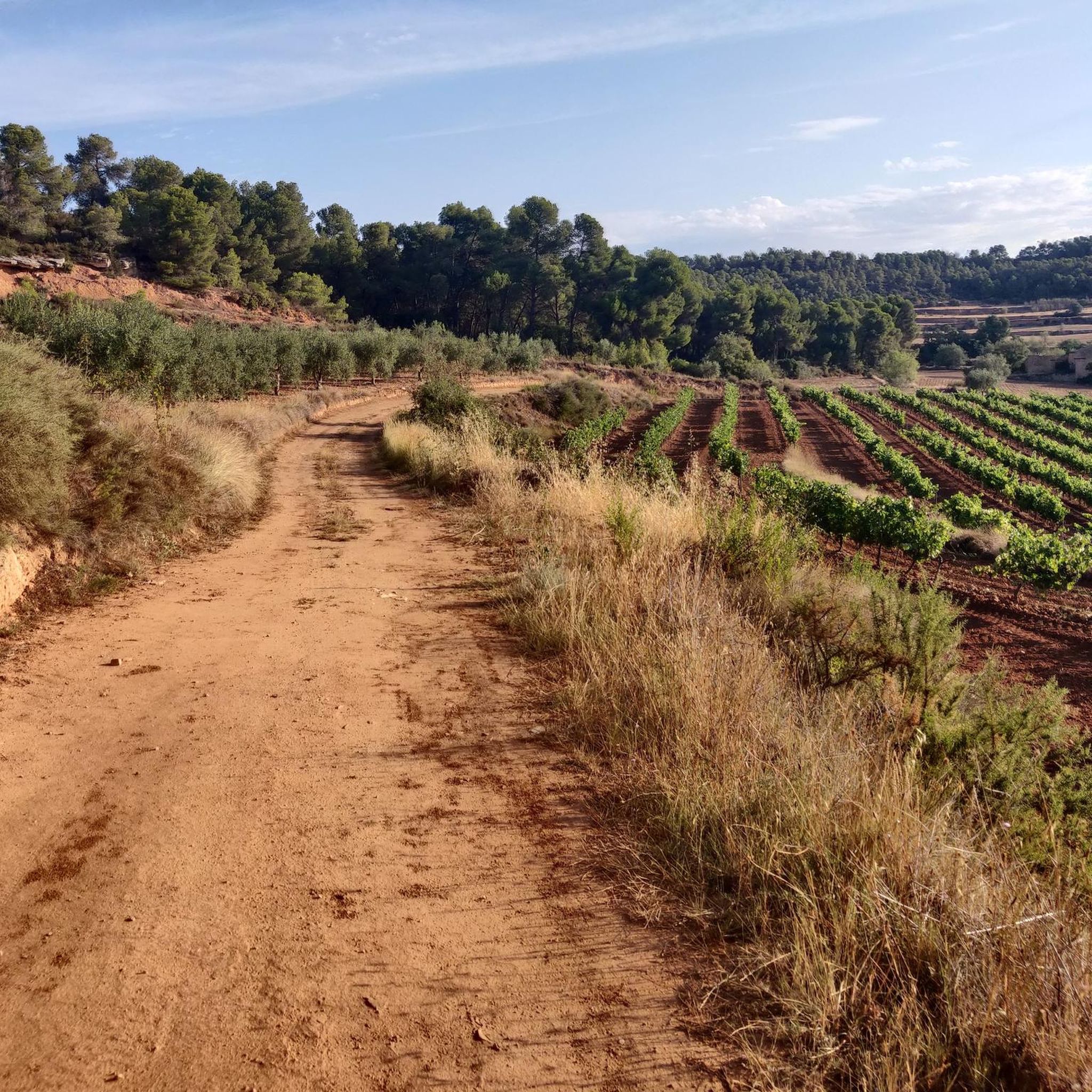
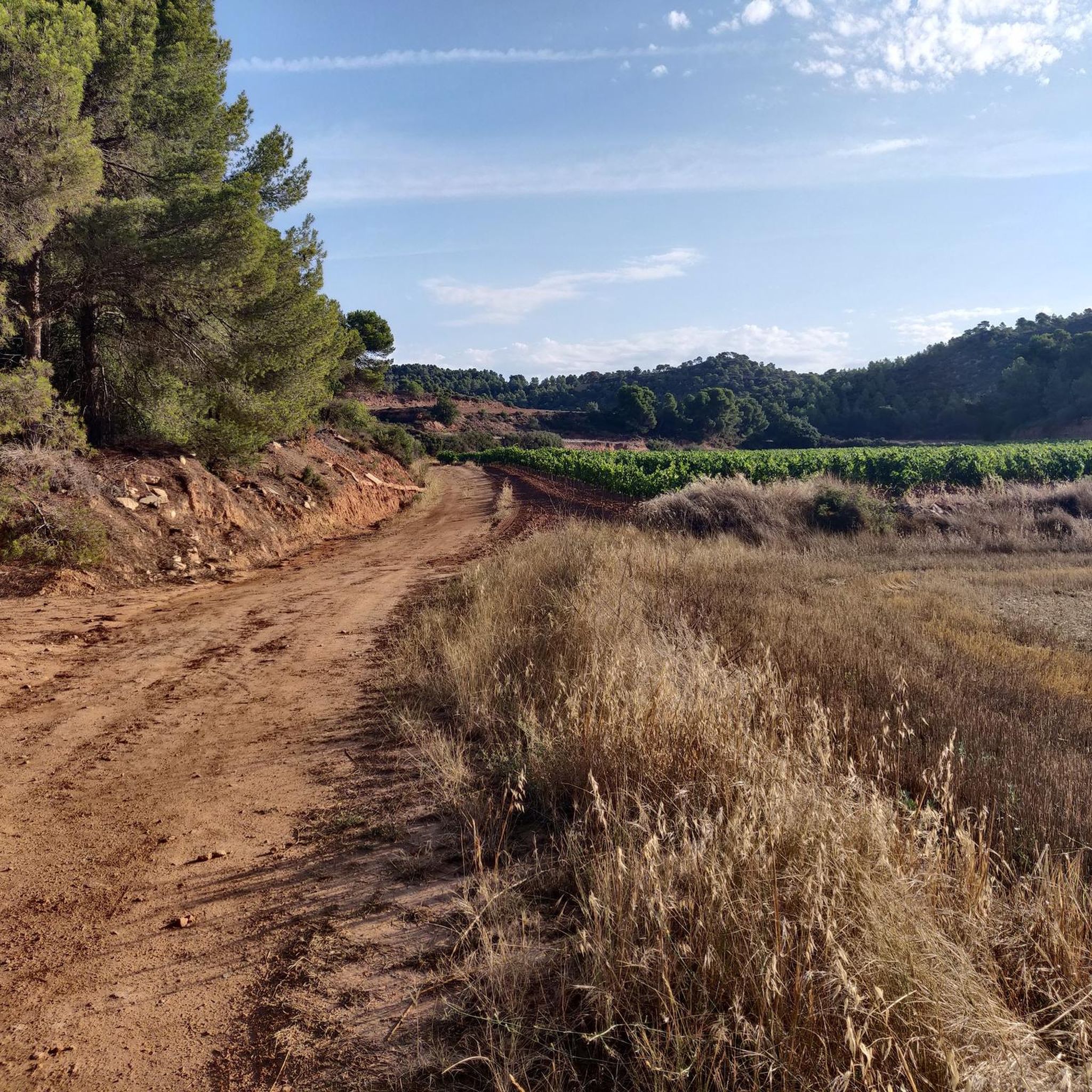
Hiking around Blancafort, located in the Conca de Barberà region of Catalonia, Spain, offers access to varied natural scenery and cultural heritage. The area is characterized by rolling hills, agricultural landscapes, and forested sections, providing a diverse backdrop for outdoor activities. A significant feature is its position along the Cistercian Route (GR 175), a long-distance trail connecting historic monasteries. This blend of natural exploration and historical landmarks defines the hiking experience in the region.
Best hiking trails around Blancafort
- The…
Last updated: May 4, 2026
Moderate hike. Good fitness required. Easily-accessible paths. Suitable for all skill levels.
4.5
(2)
14
hikers
9.51km
02:43
230m
220m
Moderate hike. Good fitness required. Easily-accessible paths. Suitable for all skill levels.

Sign up for free
5.0
(2)
8
hikers
Hard hike. Very good fitness required. Easily-accessible paths. Suitable for all skill levels.
5.0
(1)
8
hikers
16.3km
04:43
430m
430m
Moderate hike. Good fitness required. Easily-accessible paths. Suitable for all skill levels.
5.0
(1)
4
hikers
5.78km
01:43
180m
180m
Easy hike. Great for any fitness level. Easily-accessible paths. Suitable for all skill levels.
Get access to more routes and recommendations from other explorers.
Sign up for free
Already have an account?
Our route recommendations are based on thousands of hikes, rides, and runs completed by other people on komoot.
Start today with a free account
Your next adventure awaits.
Login or Signup
Tips from the Community

The Ermita de Sant Joan is located on a mountain above Mont Blanc. It is partly dilapidated and partly in very good condition and is obviously still in use. The Ermita also has a mirador with a wonderful view of the valley towards Mont Blanc.
1
0

From the east side of Plaça Major, the Porta Reial leads into the inner monastery district
3
0

The caves of l'Espluga de Francolí are a set of natural cavities formed in the conglomerate rock. Speleological explorations began in 1956, and so far 3,600 meters of galleries have been explored, making them one of the longest caves in the world. The archaeological findings inside show that they have been occupied since the Paleolithic: the last discovery, in 2019, was a Paleolithic sanctuary made up of more than 300 engravings, some of them more than 36,000 years old. The visits are guided and can be booked from https://covesdelespluga.info/
0
0
Rocallaura is a small nucleus of the Sierra del Tallat. It forms part of the municipal term of Vallbona de les Monges, in the Urgell region. The village belonged to the abbesses of Santa Maria de Vallbona, and has a church dedicated to Sant Llorenç. A castle was also erected, now totally gone.
0
0
Belonging to the district of Vallbona de les Monges, Montblanquet is a small town in the Sierra del Tallat, on the border between the counties of Conca de Barberà and El Urgell. Among its heritage stands out the church of Sant Andreu de Montblanquet, from the 13th century, with a single nave and Cistercian inspiration. The old washrooms, the communal oven and a couple of fountains are also preserved. In the Plaza Mayor there is a stamp for the Ruta del Cister (a cupboard inside which there is a stamp for the route).
0
0
The Tallat sanctuary appears in records as early as the 11th century, where a defense tower was located that took advantage of the magnificent views over the l'Urgell, Sagarra and Conca de Barberà regions. In the middle of the 14th century, a church was established as a result of the popular initiative of the residents of Rocallaura, and in 1475 it is said that a wooden carving of a Virgin Mary appeared to a shepherd. Legend has it that despite repeated attempts to move the carving, it returned to the place where the sanctuary is now, so they decided to leave it here. Then began a period of splendor for the sanctuary, with numerous reforms during the 15th and 16th centuries, some promoted by Fernando el Católico himself, who is said to have spent the night with Queen Isabella la Católica in 1493. By order of the king, it became in the priory of nearby Poblet, and a group of monks from the Cistercian order settled there. With the confiscation of Mendizabal in the first half of the 19th century, the monks abandoned the priory, and after the subsequent looting and destruction of the enclosure, the sanctuary remained abandoned until 1970 when a private association acquired the remains and took charge of their restoration and custody.
1
0
Municipality of the province of Tarragona, in the region of Conca de Barberà. The origin of the town is in the castle that Ponç de Cervera built on top of a nearby mountain in the 11th century. In the middle of the 13th century, the castle became dependent on the monastery of Poblet and the Templars, and in the lower part the encomienda of the Espluga de Francolí was established, under the jurisdiction of the hospital order. In the year 1312, the year of the extinction of the Order of the Temple, the Espluga de Francolí acquires the full señorío. Among the cultural heritage stands out the old hospital of the Order of San Juan, which currently houses the Mosén Ramón Muntanyola library, the Museo de la Vida Rural, the modernist cooperative winery Celler Cooperatiu, the work of Pere Domènech i Roura, or the Fassina Balanyà, former alcohol factory, today converted into one of the twenty-five industrial museums of the System of the National Museum of Science and Technology of Catalonia.
0
0

A classic that is worth visiting before starting the port of Coll de l'Arena - Prades at 1034 m
0
0
Frequently Asked Questions
How many hiking trails are available around Blancafort?
There are over 110 hiking routes around Blancafort, offering a wide range of options for different skill levels and preferences. The komoot community has explored these trails over 900 times.
What kind of terrain can I expect on hikes near Blancafort?
Hiking around Blancafort features a diverse landscape of rolling hills, agricultural fields, and sections of woodland. The terrain often incorporates historical sites, especially along the Cistercian Route (GR 175), blending natural exploration with cultural heritage.
Are there any easy or short hiking options suitable for beginners in Blancafort?
Yes, Blancafort offers several easy routes. For example, the Tossal Gros de Vallbona loop from Senan is an easy 3.6-mile (5.8 km) trail that takes about 1 hour 43 minutes to complete, leading through pleasant rural landscapes. In total, there are 39 easy routes available.
Can I find challenging hikes around Blancafort?
Yes, for those seeking a more demanding experience, Blancafort has 13 difficult routes. A notable challenging option is the Santa Maria Church (Montblanc) – Medieval Walls of Montblanc loop from Creu de terme, a 14.3-mile (23.0 km) trail with significant elevation changes.
Are there any circular hiking routes in the Blancafort area?
Many of the trails around Blancafort are circular, allowing you to start and end at the same point. Examples include the moderate Santuario del Tallat – Montblanquet loop from Montblanquet and the easy Tossal Gros de Vallbona loop from Senan.
What historical or natural landmarks can I see while hiking near Blancafort?
The region is rich in both historical and natural sights. You can explore significant religious buildings like the Monastery of Santa María de Vallbona and the Royal Monastery of Santa María de Poblet, both part of the Cistercian Route. Natural features include the Deport Spring and the Vall Waterfall.
Are the hiking trails around Blancafort suitable for families with children?
Yes, many of the easier and moderate routes are suitable for families. The varied terrain with rolling hills and woodlands provides an engaging environment for children. Consider shorter, less strenuous loops like the Tossal Gros de Vallbona loop from Senan for a family-friendly outing.
What do other hikers say about the trails in Blancafort?
The hiking routes in Blancafort are highly rated by the komoot community, with an average score of 4.8 stars from over 120 reviews. Hikers often praise the blend of natural beauty with historical sites, particularly the connection to the Cistercian Route, and the well-maintained paths.
Is Blancafort well-connected by public transport for hikers?
Blancafort is a municipality in the Conca de Barberà region. While specific public transport details for trailheads are not provided, the Cistercian Route (GR 175) is designed to connect towns and villages, suggesting some level of accessibility. It's advisable to check local bus schedules for connections to Blancafort and nearby trail starting points.
Are there any waterfalls to visit on hikes near Blancafort?
Yes, you can find natural water features in the area. Notable waterfalls include the Vall Waterfall and the Salt of the Barranc de la Vall, offering picturesque spots to visit during your hike.
What is the best time of year to go hiking in Blancafort?
The region's climate generally makes spring and autumn ideal for hiking, with milder temperatures and pleasant scenery. Summer can be warm, so early morning or late afternoon hikes are recommended. Winter offers cooler, crisp conditions, though some higher elevation paths might require checking local weather.
Is parking available for hikers in Blancafort?
While specific parking facilities for individual trailheads are not detailed, Blancafort is a small municipality, and parking is generally available within the village or at common starting points for popular routes. It's recommended to check local signage upon arrival for designated hiker parking areas.
Most popular routes around Blancafort
Most popular attractions around Blancafort

Get inspired with the komoot mobile app


Explore more
Browse the best Hikes in other regions.
