Attractions and Places To See around Mota Del Cuervo - Top 20
Best attractions and places to see around Mota Del Cuervo include a blend of historical landmarks, cultural sites, and natural features. Situated in La Mancha, the area is known for its iconic windmills and traditional pottery, offering panoramic views from its elevated position. The region is also a significant stop on the Route of Don Quijote, connecting visitors to literary history. Additionally, Mota Del Cuervo features important natural wetlands, providing habitats for migratory birds.
Best attractions and places to see…
Last updated: July 15, 2026
Ruins of the Hermitage of Santa Ana
Highlight • Religious Site
Translated by Google •
Tip by

Statue of Quixote and Dulcinea
Highlight • Monument
Translated by Google •
Tip by

Sign up now to discover places like this
Get recommendations on the best single tracks, peaks, & plenty of other exciting outdoor places.
Sign up for free
Ermita de Santa Rita (Mota del Cuervo)
Highlight • Religious Site
Translated by Google •
Tip by
Manjavacas Lagoon
Highlight • Lake
Translated by Google •
Tip by
El Toboso
Highlight • Settlement
Translated by Google •
Tip by

Sign up for free to discover even more attractions around Mota Del Cuervo.
Sign up for free
Already have an account?
Start today with a free account
Your next adventure awaits.
Login or Signup

Tips from the Community

The ruins of the Ermita de Santa Ana in El Toboso (Toledo) are the remains of a 16th-century Renaissance temple. It is located outside the village, on a deserted hill.
1
0

This complex is made up of four lagoons: Manjavacas, Sánchez Gómez, La Dehesilla (in Mota del Cuervo), and Alcahozo (in Pedro Muñoz). It is a key point on the migratory routes of birds between Europe and Africa, which gives it international importance.
2
0
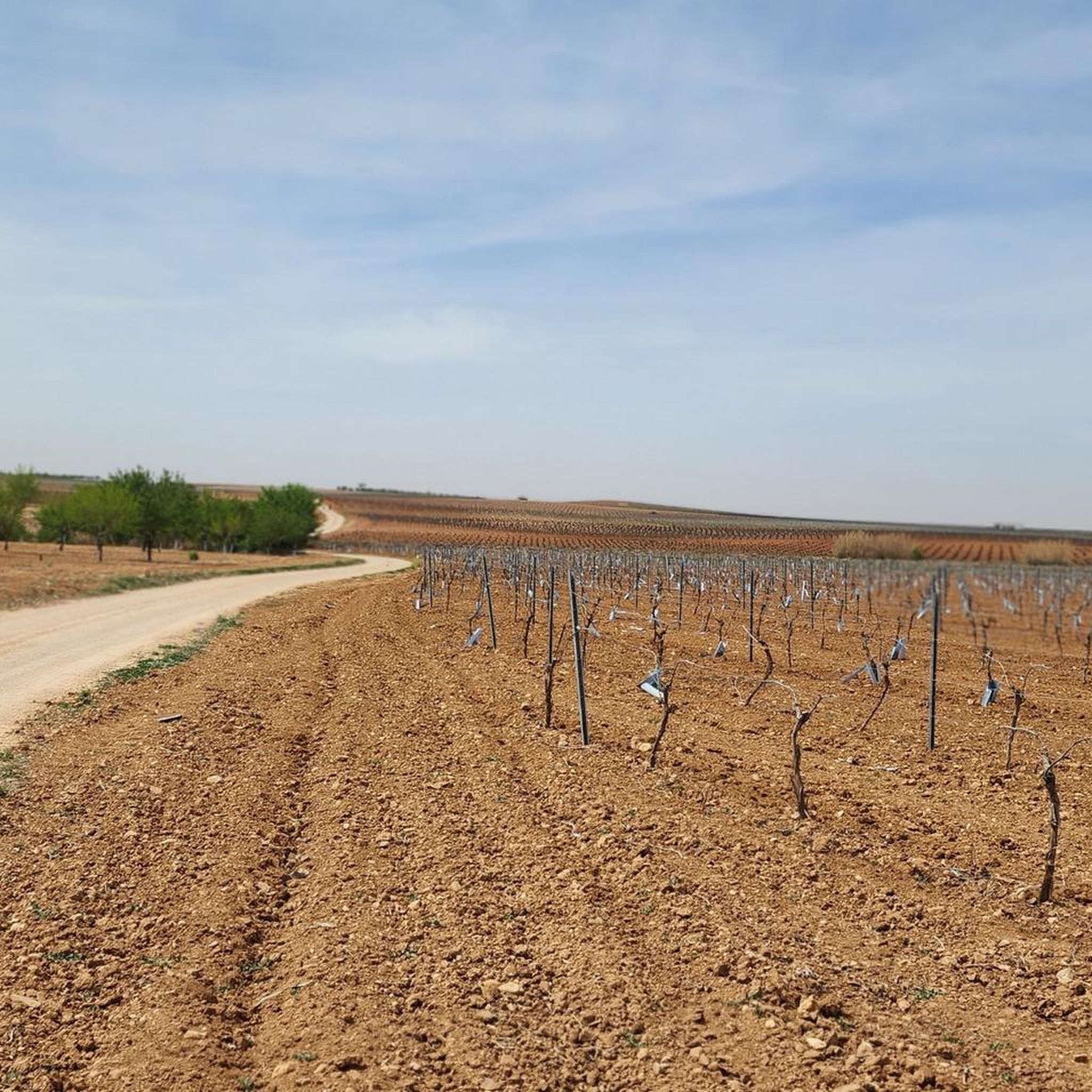
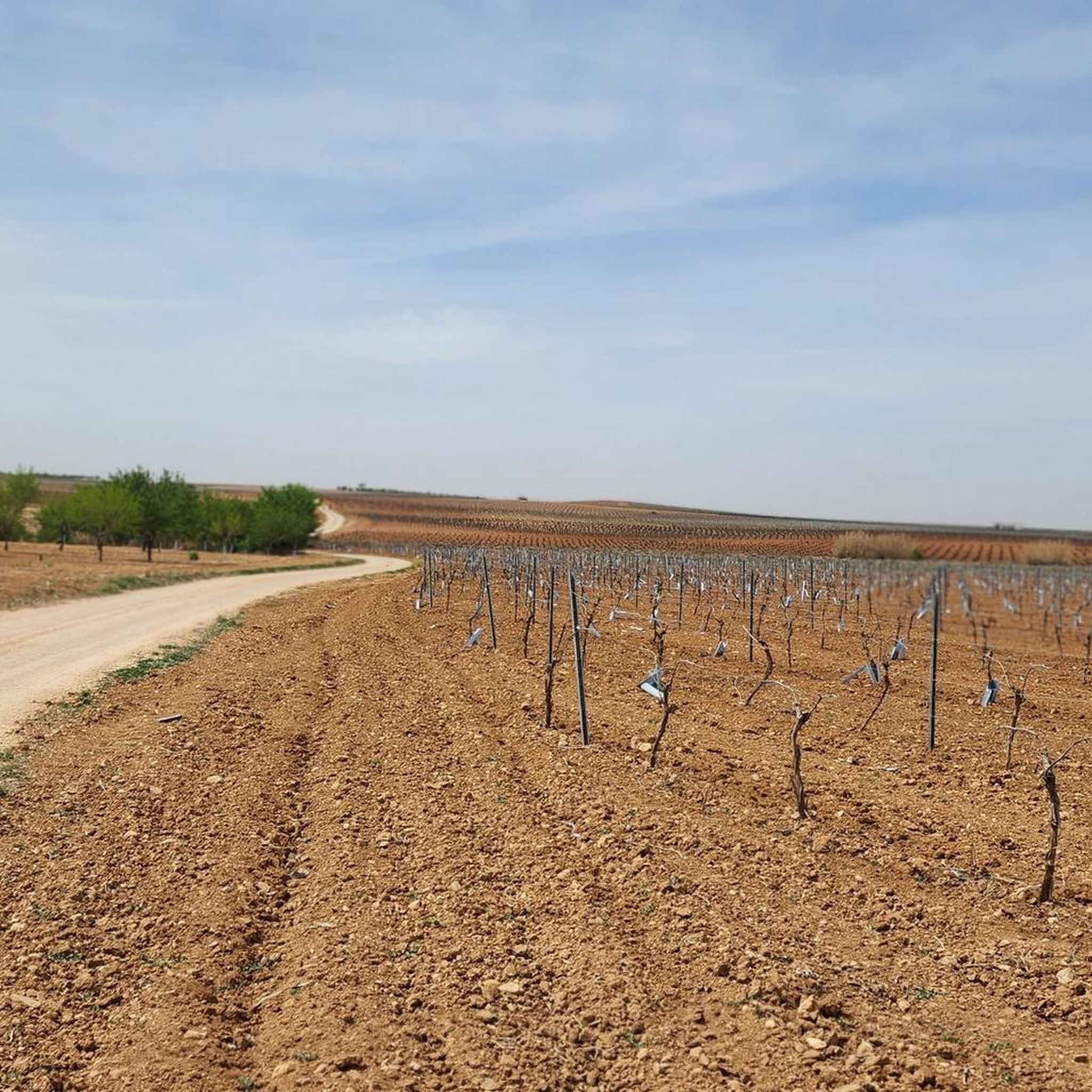
The Manjavacas Lagoon, located in the municipality of Mota del Cuervo (Cuenca), is part of the Manjavacas Lagoon Complex, a nature reserve of great ecological and scenic value.
2
0
The statue of Don Quixote and Dulcinea in El Toboso is one of the town's most emblematic monuments, deeply linked to the Cervantes universe. It stands in the main square of El Toboso, dedicated to Juan Carlos I, in the heart of the town. The sculptures are made of sheet iron, not cast iron, giving them a handcrafted and robust appearance.
4
0
The Hermitage of Santa Rita in Mota del Cuervo is a relatively modern building, built in the fifties. It is located in the center of the city, presiding over the square that bears its name. The hermitage stands out for its stone bell gable that contrasts with the white plaster of its ground floor. The structure has a hall plan and a wooden roof. The main entrance is a semicircular arch preceded by a portico with three arches, the central one being wider than the side ones.⛪
31
0
It is a hermitage that was built in the fifties of the 20th century, like the neighborhood of the same name where it is located, specifically in the Plaza de Santa Rita. It stands out for its portico with three semicircular arches, the central one being wider than the sides, and for its wooden roof.
1
0
If you visit El Toboso, don't miss the Monastery of the Trinitarian Nuns, the Church of San Antonio Abad, the Cervantino Museum and more...
4
0

Lagunar de Manjavacas is made up of 4 lagoons - a space protected by the Natura 2000 network. It is a stopping point for migratory birds on their route between Europe and North Africa.
3
0
Frequently Asked Questions
What historical sites can I explore in Mota del Cuervo?
Mota del Cuervo is rich in history. You can visit the Ruins of the Hermitage of Santa Ana, believed to date back to the 14th or 15th century, offering a glimpse into ancient times. The Church of San Miguel Arcángel, a Site of Cultural Interest, showcases impressive Plateresque and Doric architecture from the 15th to 17th centuries. Don't miss the Tercia Real, one of the oldest civil buildings, originally a royal storehouse and now a cultural center.
Are there any cultural attractions beyond the windmills?
Absolutely. While the windmills are iconic, Mota del Cuervo offers more. The Museum of Pottery, located in the historic Barrio de las Cantarerías, highlights the traditional 'urdido' technique and features over 200 pieces of local pottery. You can also find the Statue of Quixote and Dulcinea in El Toboso, an emblematic monument linked to Cervantes' universe.
What natural features can I see around Mota del Cuervo?
The region boasts significant natural beauty. The Manjavacas Lagoon Complex is a Natural Reserve and a crucial stop for thousands of migratory aquatic birds, including flamingos. It's part of the Natura 2000 Network. You can also find the Millennial Holm Oak, a remarkably large and ancient tree located near the Záncara River.
What outdoor activities are available near Mota del Cuervo's attractions?
Mota del Cuervo offers various outdoor activities. For cycling, you can explore routes like 'Lagunar de Manjavacas — circular desde Mota del Cuervo' or 'Mota del Cuervo - Castillo de Belmonte Loop'. Mountain biking enthusiasts can try the 'Circuito de los Humedales de la Mancha desde Las Mesas'. There are also running trails, such as the 'Mota del Cuervo loop'. You can find more details on these routes in the cycling guide, MTB guide, and running guide for the area.
Are there any family-friendly attractions in Mota del Cuervo?
Yes, several attractions are suitable for families. The Windmills are a great option, with three open to visitors, including 'El Gigante' which serves as a tourist information office and hosts milling demonstrations. The Ermita de Santa Rita is also considered family-friendly, and the Manjavacas Lagoon offers a peaceful natural setting for all ages to enjoy birdwatching.
Where can I find the best viewpoints in Mota del Cuervo?
For breathtaking views, head to the ridge known as 'El Balcón de La Mancha,' where the seven Windmills are perched. From here, you can enjoy panoramic vistas of the Manchegan plain. The Ruins of the Hermitage of Santa Ana, situated on a rocky promontory, also offer a unique perspective of the surrounding landscape.
What is the significance of the windmills in Mota del Cuervo?
The seven Windmills of Mota del Cuervo are iconic symbols of La Mancha and a significant stop on the Route of Don Quijote. They are renowned for their historical preservation, recognized by Europa Nostra. Three mills are open to visitors: 'El Gigante' for tourist information and demonstrations, 'El Goethe' with a pottery workshop, and 'El Piqueras' housing a Manchegan museum. 'El Zurdo' is particularly unique as the only original windmill with left-turning blades.
Is there a central square or hub in Mota del Cuervo?
Yes, the Plaza Mayor is considered the heart of Mota del Cuervo's social life. It is dominated by the Town Hall building and surrounded by historical structures, making it an excellent starting point for exploring the town's charm and heritage.
What is the 'urdido' technique mentioned in relation to pottery?
The 'urdido' technique is an ancient Celtic method of molding clay, traditionally performed by women known as 'cantareras' in Mota del Cuervo. This unique pottery tradition is showcased at the Museum of Pottery, illustrating a significant part of the town's economic and cultural history.
Are there any religious buildings to visit in Mota del Cuervo?
Beyond the Ruins of the Hermitage of Santa Ana, you can visit the Church of San Miguel Arcángel, a declared Site of Cultural Interest with construction dating from the late 15th century. Also, the Ermita de Santa Rita, a more modern building from the 1950s, is notable for its distinctive stone bell gable.
What do visitors enjoy most about the attractions in Mota del Cuervo?
Visitors particularly appreciate the historical depth and scenic beauty. Many find a positive energy at sites like the Ruins of the Hermitage of Santa Ana, connecting with the area's past. The Windmills are loved for their harmonious appearance and the extensive views they offer, evoking the spirit of Don Quixote. The Manjavacas Lagoon is valued as a calm and picturesque spot for nature observation.
Most popular attractions around Mota Del Cuervo

Get inspired with the komoot mobile app


Explore more
Still not found the Highlight you’re looking for? See guides of the top attractions in other regions:
