Attractions and Places To See around Fustiñana - Top 20
Best attractions and places to see around Fustiñana include a blend of cultural sites, natural beauty, and historical points of interest. Located in the Ribera de Navarra region of Spain, Fustiñana is situated by the Ebro River and is known for its proximity to the Bardenas Reales Natural Park. The area offers diverse landscapes, from semi-desert formations to riverine paths, reflecting its agricultural history and cultural heritage.
Best attractions and places to see around Fustiñana
- The most popular attractions is…
Last updated: July 7, 2026
Cathedral of Santa María de Tudela
Highlight • Religious Site
Tudela Cathedral: A stunning example of Gothic and Romanesque architecture, with its famous Judgment Gate.
Plaza de los Fueros: The heart …
Translated by Google •
Tip by

Peña del Fraile
Highlight • Summit
Translated by Google •
Tip by
Sign up now to discover places like this
Get recommendations on the best single tracks, peaks, & plenty of other exciting outdoor places.
Sign up for free
Plaza de los Fueros de Tudela
Highlight • Settlement
Translated by Google •
Tip by
Sacred Heart of Jesus
Highlight • Monument
Translated by Google •
Tip by
Bocal Dam
Highlight • Monument
Translated by Google •
Tip by

Sign up for free to discover even more attractions around Fustiñana.
Sign up for free
Already have an account?
Start today with a free account
Your next adventure awaits.
Login or Signup
Tips from the Community

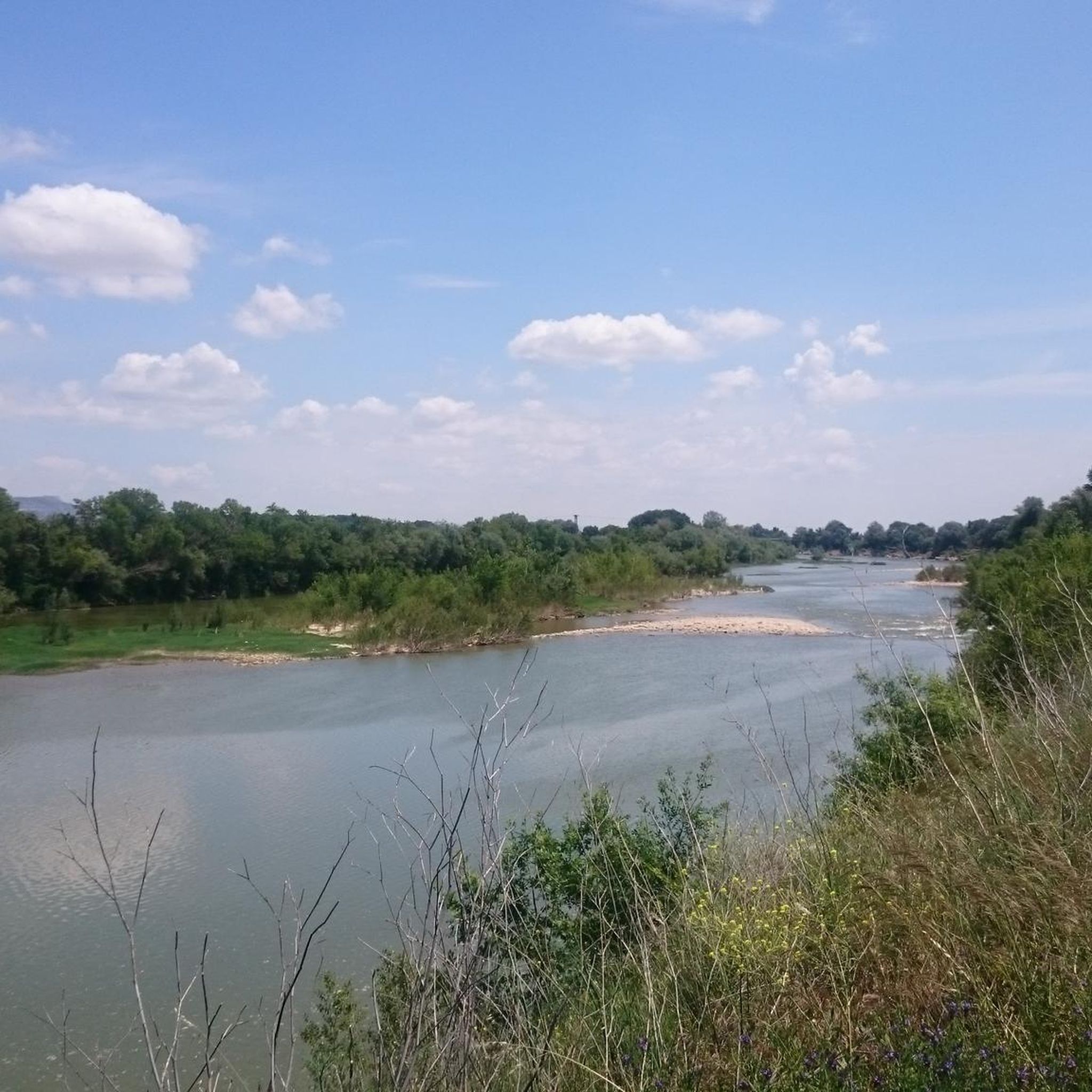
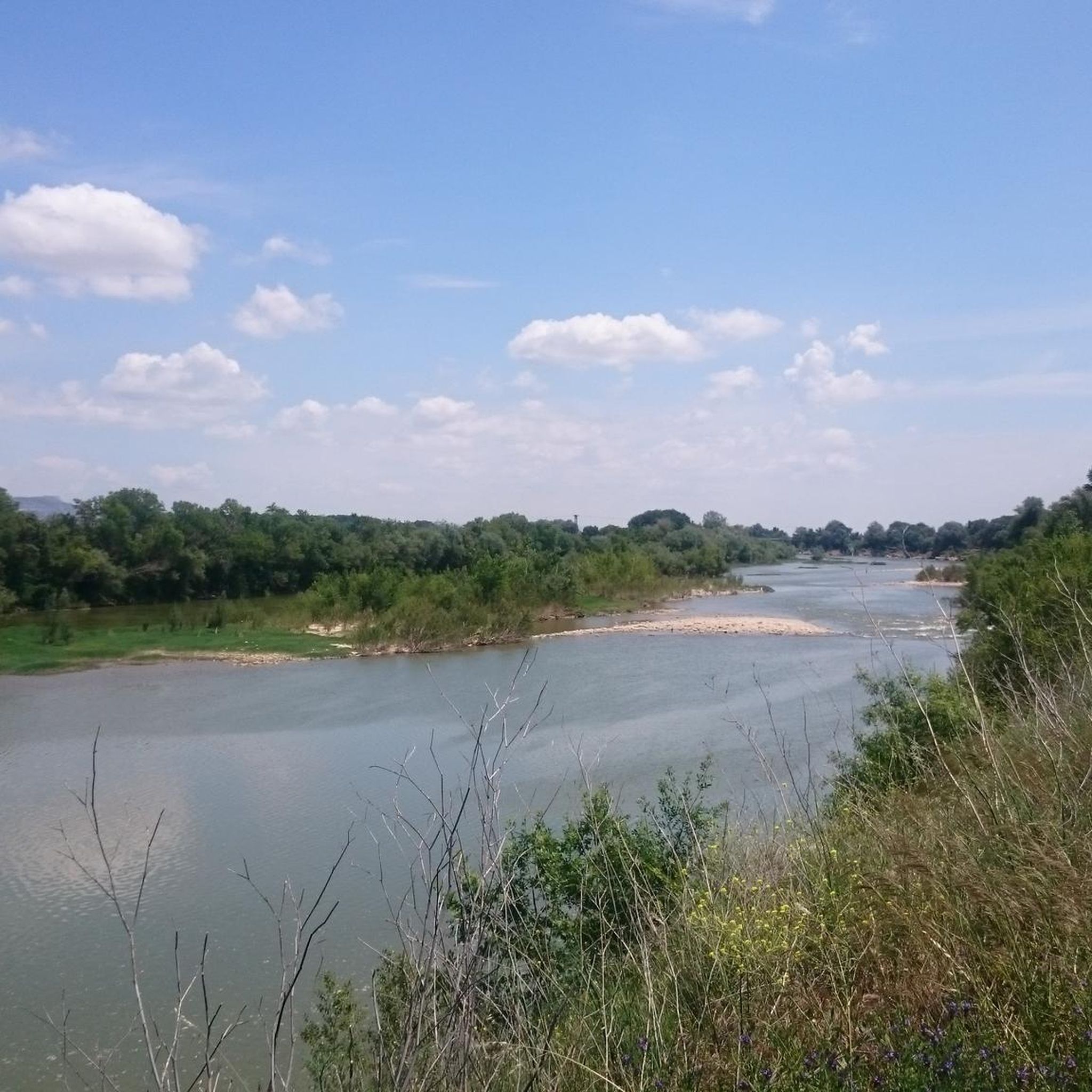
The Bocal Dam, also known as El Bocal de Fontellas, is a historic and picturesque site located near Tudela, in the municipality of Fontellas. This dam marks the beginning of the Imperial Canal of Aragon, an important hydraulic engineering work of the 16th century.
2
0
Tudela is a charming city with much to offer! Tudela Cathedral: A stunning example of Gothic and Romanesque architecture, with its famous Judgment Gate. Plaza de los Fueros: The heart of the city, ideal for strolling and soaking up the local atmosphere. Muñoz Sola Museum of Modern Art: Perfect for art lovers, with a collection of 19th-century works. Bridge over the Ebro River: A picturesque spot to enjoy views of the river. Also, don't miss the opportunity to try the delicious local cuisine, especially the fresh vegetables from Tudela's gardens.
3
0
The Monument to the Heart of Jesus in Tudela is an impressive statue located atop the Cerro del Castillo. It was inaugurated on October 25, 1942, the feast of Christ the King, at the initiative of Father Luis Ortiz. The 12-meter-high statue was created by the Italian sculptor Carlo Buzzi, and the design was carried out by the architect Víctor Eusa. The monument stands as a spiritual beacon that extends its protection over the city and the surrounding area. From its location, one can enjoy a beautiful panoramic view of Tudela, the Ebro River, and its surroundings. Furthermore, the monument's surroundings are landscaped like a park, with remains of the old castle, walls, cisterns, and passageways.
6
0
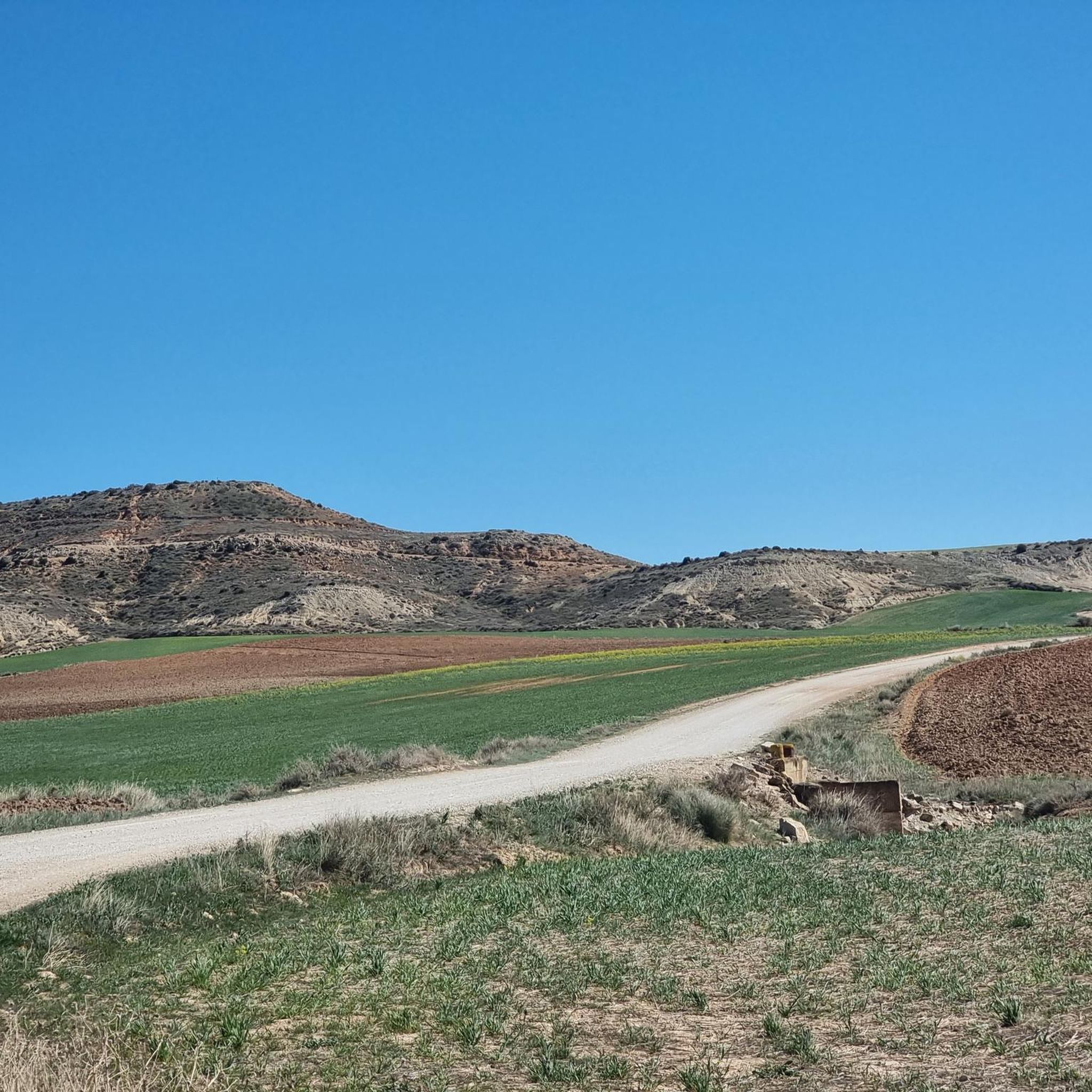
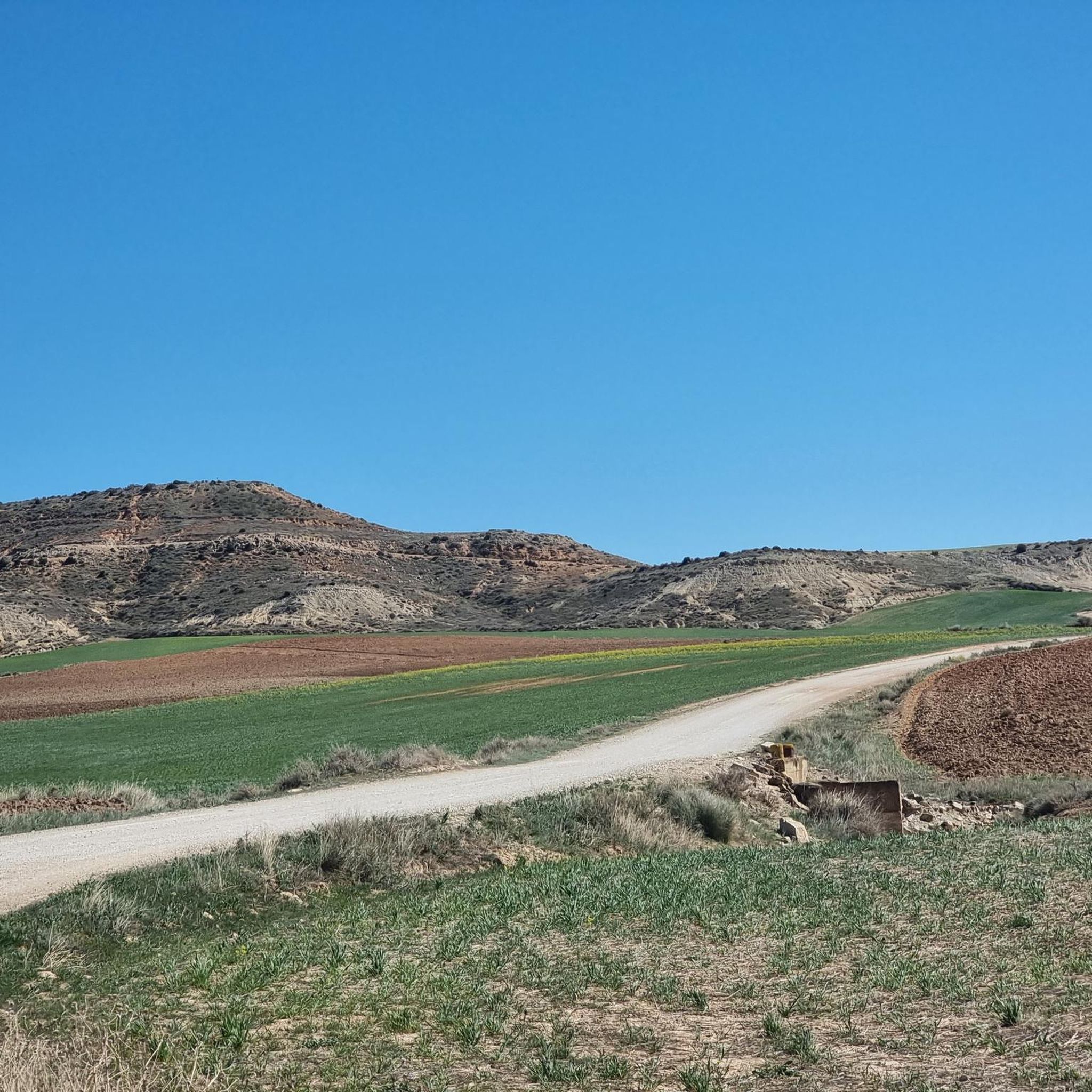
The Bardenas Reales Natural Park is a stunning semi-desert landscape located in Navarre, northern Spain. This park, declared a UNESCO Biosphere Reserve, covers approximately 42,500 hectares and is characterized by its unique geological formations and biodiversity. In addition to its natural beauty, the park is home to a wealth of wildlife, including eagles, vultures, foxes, and reptiles. It is an ideal place for hiking and cycling, with an extensive network of trails and paths.
7
0
The square is dominated by the Clock House, a prominent building on the southwest side. Furthermore, the Plaza de los Fueros is a meeting and relaxation place for the residents of Tudela, and is the setting for many important events, such as Holy Week celebrations and summer festivals.
7
0
The Plaza de los Fueros is the main square of Tudela, Navarre, and is known as the heart of the city. Built between 1687 and 1691, this square is characterized by its regularity, simplicity, and symmetry. It was originally designed to host bullfights, which explains the bullfighting scenes that adorn some of the square's tiles.
8
0

The Cathedral of Santa María (Santa María la Mayor) of Tudela (Navarre) is a late Romanesque temple, inspired by Cistercian architecture, of large dimensions,[2] which began to be built at the end of the 12th century during the reign of Sancho VI the Wise, passing the baton to his son Sancho VII the Strong, who in turn passed it to his nephew Theobald I. He used some of the foundations of the Great Mosque of Tudela (9th to 11th centuries). As the orientations of the two temples did not match, the mosque was demolished to build the new temple and only some of its foundations were used.
0
0

Nice square with a mix of old architecture and modern art installations. If you look up, you might be lucky enough to see some storks on top of the church.
1
0
Frequently Asked Questions
What natural parks and landscapes can I explore near Fustiñana?
Fustiñana is often called the 'Gate to the Black Bardena' due to its proximity to the stunning Bardenas Reales Natural Park. This UNESCO Biosphere Reserve offers a unique semi-desert landscape with geological formations ideal for hiking and cycling. You can also enjoy the tranquil riverine landscapes along the Camino Natural del Ebro GR 99, which passes through the Sotos de Buñuel.
Are there historical sites or cultural landmarks to visit in Fustiñana itself?
Within Fustiñana, you can visit the Iglesia de Nuestra Señora de la Asunción, which features a 16th-century Plateresque altarpiece. The Ermita de Santa Lucía is also a significant local pilgrimage site, and you can see the Monumento en honor de la Virgen de la Peña, dedicated to the town's patron saint.
What are some family-friendly attractions around Fustiñana?
The Plaza de los Fueros de Tudela is a central, lively square known for its historical significance and is wheelchair accessible, making it suitable for families. The Bocal Dam is another family-friendly spot, offering impressive landscapes and a glimpse into historical engineering.
Where can I find unique viewpoints or scenic spots near Fustiñana?
For breathtaking views, head to Peña del Fraile, a summit within the Bardenas Reales Natural Park that offers panoramic vistas of the unusual semi-desert landscape. Another excellent viewpoint is the Monument to the Sacred Heart of Jesus in Tudela, which provides expansive views of the city, the Ebro River, and the surrounding area.
What kind of outdoor activities, like hiking or cycling, are available?
The Bardenas Reales Natural Park is excellent for hiking and cycling, with an extensive network of trails. You can also enjoy tranquil walks or bike rides along the Ebro River on the Camino Natural del Ebro GR 99. For more structured routes, consider the hiking trails around Fustiñana, such as the Peña del Fraile Trail, or explore gravel biking routes like the Tarazonica Greenway.
Are there any significant historical engineering marvels in the area?
Yes, the Bocal Dam, located near Tudela, is a historic and picturesque site. It marks the beginning of the Imperial Canal of Aragon, a significant 16th-century hydraulic engineering project that played a crucial role in irrigation.
What historical churches or religious buildings are worth visiting nearby?
Beyond Fustiñana's own church, you can visit the magnificent Cathedral of Santa María de Tudela, a stunning example of Gothic and Romanesque architecture known for its Judgment Gate. In Cabanillas, approximately 3 km away, the 12th-century Romanesque Iglesia San Juan de Jerusalén offers a tangible connection to the medieval era and the Knights Hospitaller.
Can I spot any wildlife or unique natural phenomena?
The Bardenas Reales Natural Park is a UNESCO Biosphere Reserve rich in biodiversity, where you might spot eagles, vultures, foxes, and reptiles. Additionally, the Barranco de la Bandera holds significant prehistoric interest with over 800 fossilized footprints of an extinct species of artiodactyls, offering a glimpse into ancient animal life.
What do visitors enjoy most about the attractions around Fustiñana?
Visitors particularly appreciate the unique geological formations and extensive trails of the Bardenas Reales Natural Park, ideal for hiking and cycling. The historical significance and impressive landscapes of the Bocal Dam are also highly rated, as is the vibrant atmosphere and historical charm of the Plaza de los Fueros de Tudela.
Are there running trails available near Fustiñana?
Yes, there are several running trails in the vicinity. You can explore options like the Ebro Green Corridor Trail or various running loops from nearby towns. For a comprehensive list, check out the running trails around Fustiñana guide.
What is there to see in the nearby city of Tudela?
Tudela, a short distance from Fustiñana, offers several attractions including the magnificent Cathedral of Santa María, the lively Plaza de los Fueros, and the Monument to the Heart of Jesus which provides panoramic views. Art enthusiasts might also enjoy the Muñoz Sola Museum of Modern Art.
Are there any attractions that are wheelchair accessible?
Yes, the Plaza de los Fueros de Tudela is noted as being wheelchair accessible, offering an inclusive experience for visitors to enjoy the heart of Tudela.
Most popular routes around Fustiñana
Most popular attractions around Fustiñana

Get inspired with the komoot mobile app


Explore more
Still not found the Highlight you’re looking for? See guides of the top attractions in other regions:
