Attractions and Places To See around Lagartera - Top 20
Best attractions and places to see around Lagartera, a municipality in Toledo, Spain, offer a blend of cultural heritage and natural features. The area is known for its traditional craftsmanship, particularly embroidery, and historical landmarks. Visitors can explore a variety of sites, from ancient bridges to religious buildings, set within a diverse landscape. This region provides opportunities to discover local history and natural beauty.
Best attractions and places to see around Lagartera
- The most popular attractions is Roman Bridge of Madrigal de la Vera, a bridge of Roman origin that crosses the Alardos Gorge. It was built as part of the Roman road linking Plasencia with Puerto del Pico and Ávila.
- Another must-see spot is Puente del Arzobispo, a historical bridge built in the late 14th century over the Tagus River. This bridge played a fundamental role in communication with Extremadura, Ávila, and Lisbon.
- Visitors also love Puente Viejo de Candeleda, a neo-Mudejar style bridge built at the beginning of the 20th century. It stands over the Santa María Gorge and is a testimony to local architecture.
- Lagartera and its surroundings are known for historical bridges, religious buildings, and cultural sites. The area offers a variety of attractions to see and explore, showcasing both human history and natural landscapes.
- The attractions around Lagartera are appreciated by the komoot community, with more than 10 photos shared and over 10 upvotes.
Last updated: July 2, 2026
Roman Bridge of Madrigal de la Vera
Highlight • Bridge
The bridge was built as part of the Roman road that linked Plasencia with Puerto del Pico and Ávila.
Translated by Google •
Tip by

Puente del Arzobispo
Highlight • Bridge
Translated by Google •
Tip by

Sign up now to discover places like this
Get recommendations on the best single tracks, peaks, & plenty of other exciting outdoor places.
Sign up for free
Puente Viejo de Candeleda
Highlight • Bridge
Translated by Google •
Tip by

Santuario de Chilla
Highlight • Religious Site
The festivities in honor of the Virgin of Chilla, declared of National Tourist Interest, are celebrated on the second and third weekend of September. The sanctuary is located 6 km from Candeleda and offers magnificent panoramic views of the Rosarito Reservoir and the sky. Legend has it that the Virgin appeared to a shepherd named Finardo, who had lost a goat due to eating weeds. The Virgin resurrected the goat, and since then, it has always been represented that way.
If you ever have the opportunity to visit this place, you will be immersed in a spiritual and tranquil experience surrounded by the natural beauty of the area. 🌿🌟
Translated by Google •
Tip by
Count’s Palace of Oropesa and Oropesa Castle
Highlight • Castle
The complex formed by the old and new palaces of the counts of Oropesa was the first historic building to house a national tourist hostel in 1931.
The old palace, from the 14th century, is in the Gothic-Mudejar style and the new one, from the 15th century, is in the Renaissance style.
Translated by Google •
Tip by

Sign up for free to discover even more attractions around Lagartera.
Sign up for free
Already have an account?
Start today with a free account
Your next adventure awaits.
Login or Signup
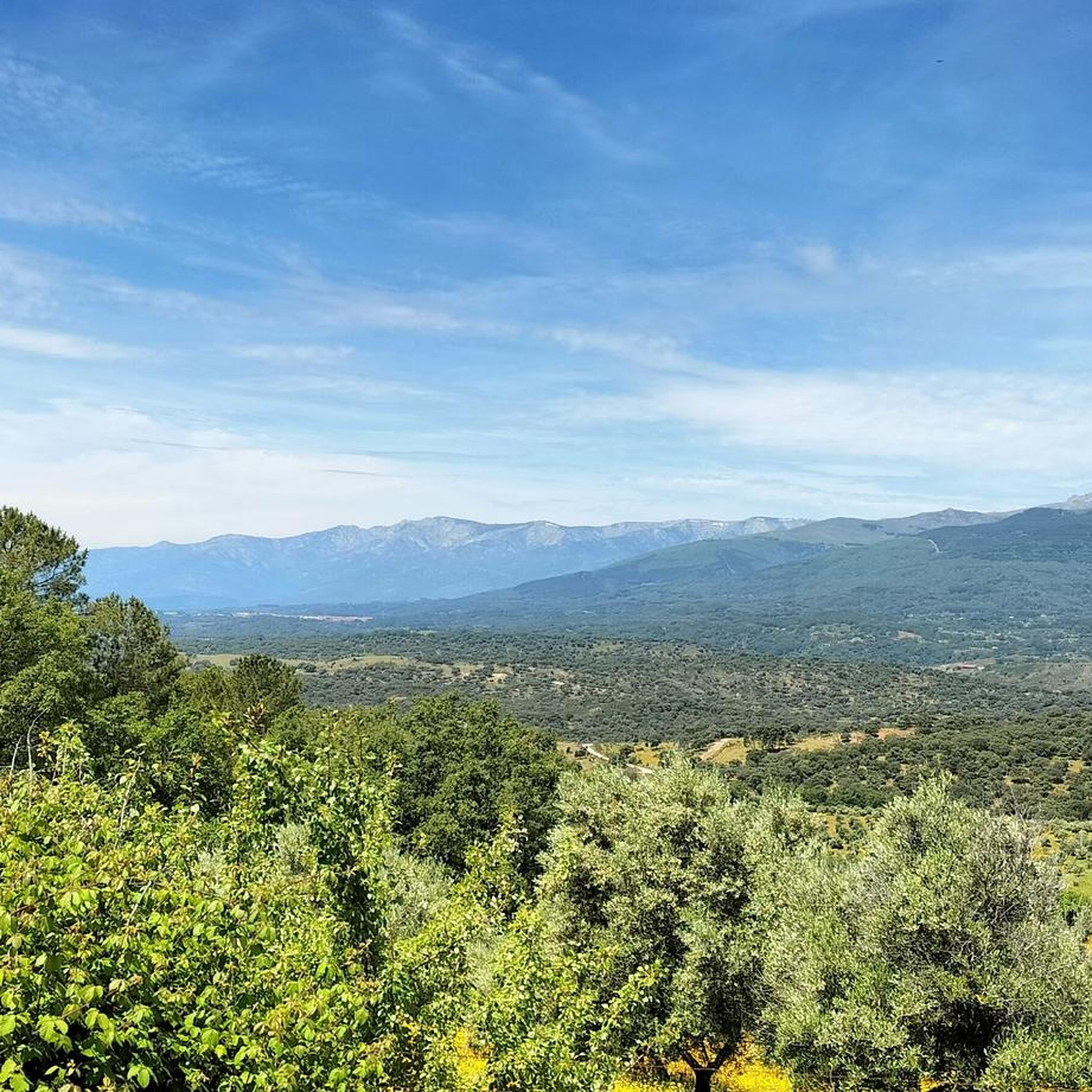
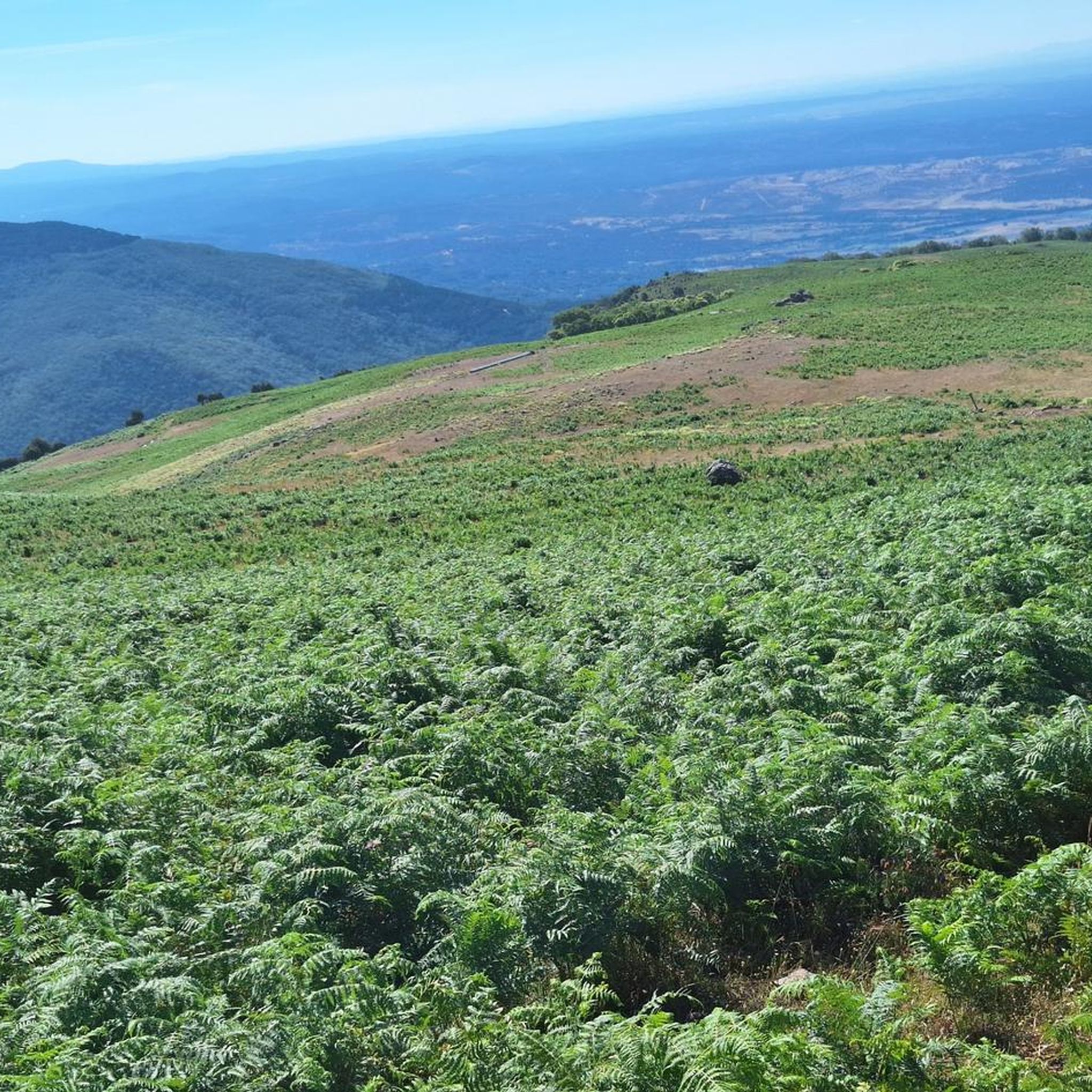
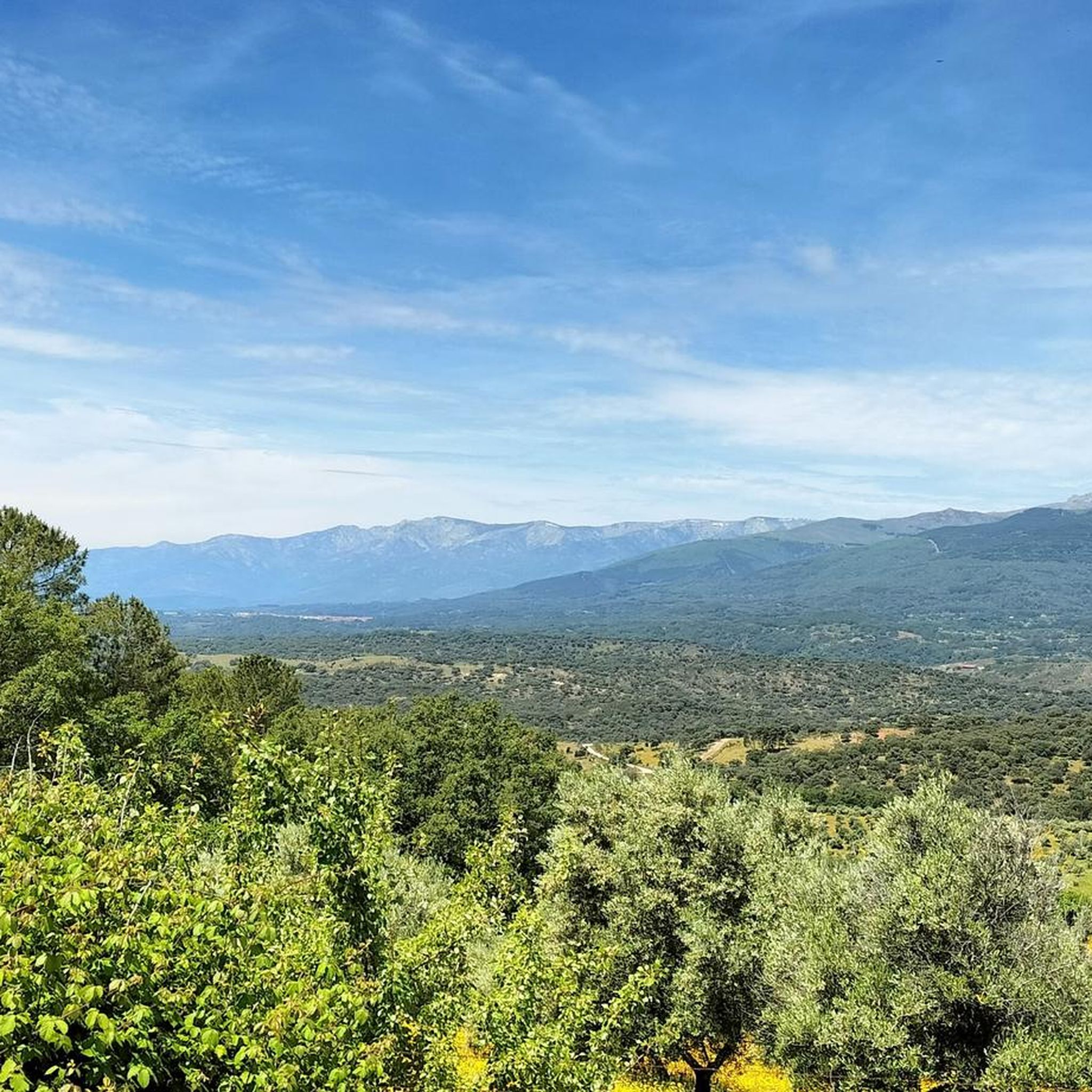


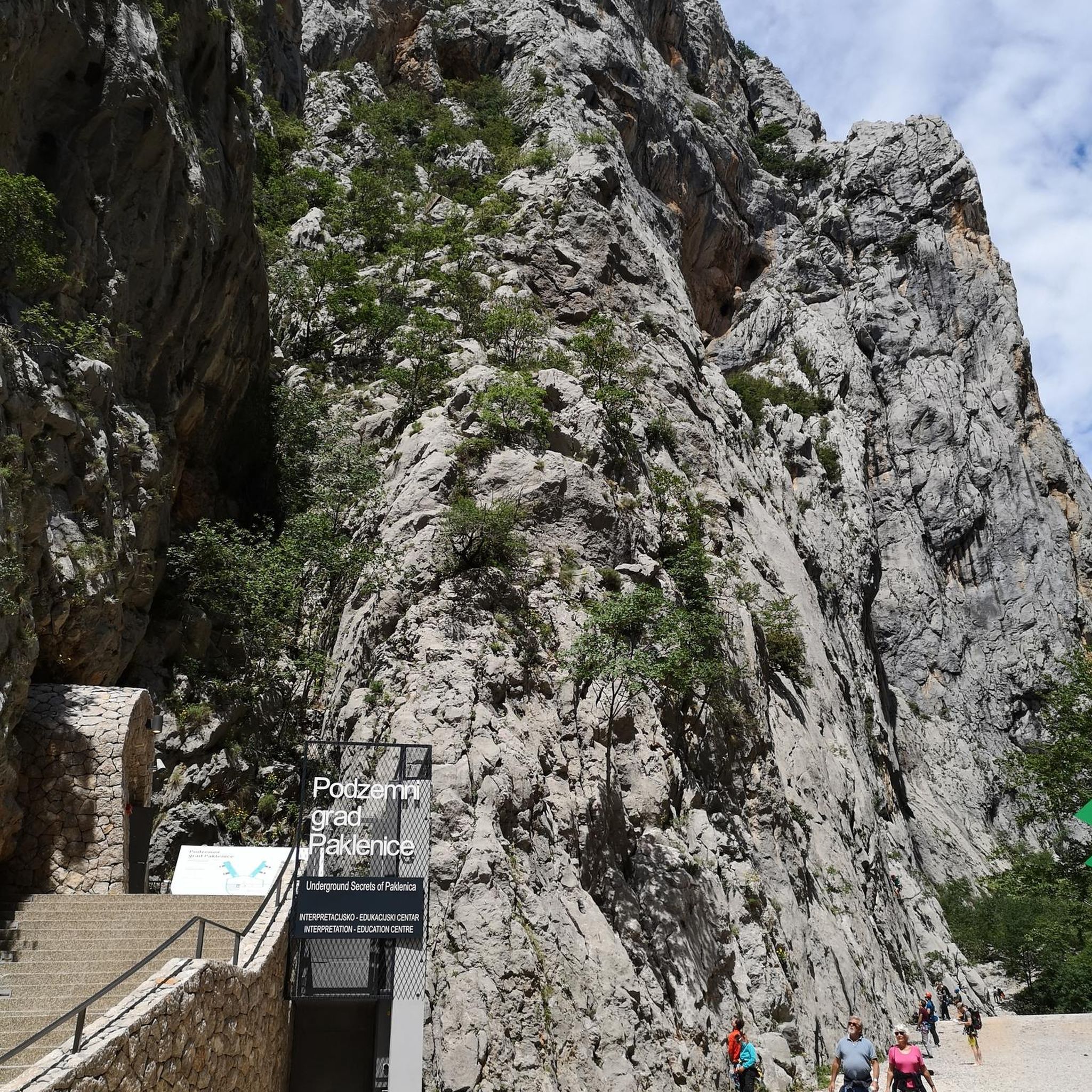
Tips from the Community

The Count's Palace of Oropesa, located in the province of Toledo, is an architectural gem with a rich history and great heritage value. The Old Palace (or Doña Elvira Palace): in the Mudejar Gothic style, built in the 14th century. The New Palace: in the Renaissance style, built in the 15th century. It stands out for its original coffered ceiling, its balconies with the coat of arms of the Counts of Oropesa, and a large interior courtyard that was even used as a bullring. Together with the adjacent castle, it forms a complex declared a Historic-Artistic Monument in 1923. In 1931, it was incorporated into the National Parador Network, becoming the first Parador built on a historic building.
4
0

Beautiful area with steep slopes
1
1

Without a doubt, this is one of the great discoveries of our trip to the Sierra de Gredos. Although it is not a renowned architectural monument, the Sanctuary is worth visiting for its location, its views, the interesting climb from Candeleda by bicycle and the pleasant walk that can be taken in its surroundings.
0
0
This small hermitage, built in the 16th and 17th centuries, is located in an environment of lush vegetation and beauty. Inside, the miracle of the Virgin of Chilla, the patron saint of Candeleda, is narrated on panels. The festivities in honor of the Virgin of Chilla, declared of National Tourist Interest, are celebrated on the second and third weekend of September. The sanctuary is located 6 km from Candeleda and offers magnificent panoramic views of the Rosarito Reservoir and the sky. Legend has it that the Virgin appeared to a shepherd named Finardo, who had lost a goat due to eating weeds. The Virgin resurrected the goat, and since then, it has always been represented that way. If you ever have the opportunity to visit this place, you will be immersed in a spiritual and tranquil experience surrounded by the natural beauty of the area. 🌿🌟
2
0
The Old Bridge of Candeleda is a beautiful bridge that stands over the Santa María Gorge. Built at the beginning of the 20th century, this neo-Mudejar style bridge is a centuries-old testimony of local architecture. From here, you can walk along what they call the “maritime promenade”, a place perfectly equipped for walking.
2
0

A beautiful spot in Madrigal de la Vera. There's a natural pool for swimming. Naturally, the water is quite cold. Impressive Roman-style bridge. It's believed to have been based on a Roman original and dates back to the Middle Ages.
1
0

The Roman bridge of Madrigal, also known as the "Old Bridge," is a bridge of Roman origin that crosses the Alardos Gorge, a narrow valley carved by the Tiétar River. Currently, it consists of only one arch; its original form is unknown, as it underwent several reconstructions. The bridge was built as part of the Roman road that linked Plasencia with Puerto del Pico and Ávila.
3
1

Also known as the old bridge, this overpass over the Alardos gorge is located on the route of the Roman road between Plasencia and Ávila through Puerto del Pico. Its exact origin is unknown, although it is theorized that the Romans built it for military transit purposes.
0
1
Frequently Asked Questions
What historical landmarks can I visit in and around Lagartera?
The region offers a rich history. Within Lagartera, you can explore the 16th-century Ermita de los Santos Mártires with its Mudejar coffered ceiling and the historic Iglesia de El Salvador. The 16th-century El Puente Grande del Toledillo is also a notable local landmark. Nearby, don't miss the impressive Count’s Palace of Oropesa and Oropesa Castle, which now houses a Parador, or the ancient Roman Bridge of Madrigal de la Vera and the significant Puente del Arzobispo over the Tagus River.
Where can I learn about Lagartera's traditional craftsmanship and local art?
To delve into Lagartera's cultural heritage, visit the Marcial Moreno Pascual Municipal Museum (Casa Museo Marcial Moreno Pascual). This museum, housed in an early 20th-century farmhouse, showcases exquisite examples of Lagartera's traditional embroidery and craftsmanship, alongside the costumbrista artworks of local painter Marcial Moreno Pascual, which depict the town's customs.
Are there any significant religious sites to explore in the area?
Yes, in Lagartera itself, you can visit the Ermita de los Santos Mártires and the Iglesia de El Salvador. A short distance away, the Santuario de Chilla is a small hermitage from the 16th and 17th centuries, set in lush vegetation, offering magnificent panoramic views and a spiritual experience.
What natural areas or scenic views can I find near Lagartera?
For natural beauty and relaxation, the Pantano del Rosarito (Rosarito Reservoir) offers a serene wetland environment. The Santuario de Chilla also provides magnificent panoramic views of the Rosarito Reservoir and the surrounding sky.
What kind of outdoor activities or trails are available around Lagartera?
The area around Lagartera is excellent for various outdoor activities. You can find numerous routes for mountain biking, running, and gravel biking. For detailed routes and guides, explore the MTB Trails around Lagartera, Running Trails around Lagartera, and Gravel biking around Lagartera guides.
Are there family-friendly attractions or activities in the Lagartera region?
Many of the historical sites are suitable for families, such as the Puente del Arzobispo, Santuario de Chilla, Puente Viejo de Candeleda, and Count’s Palace of Oropesa and Oropesa Castle. These locations offer historical interest and often have pleasant surroundings for walks and exploration with children.
When is the best time of year to visit Lagartera for outdoor activities?
The best time to visit Lagartera for outdoor activities is generally during spring (April-May) and autumn (September-October) when the weather is mild and pleasant. Summers can be quite hot, making early mornings or late afternoons more suitable for outdoor pursuits. Winters are generally mild but can be chilly.
What is the Corpus Christi celebration in Lagartera?
Corpus Christi is a significant fiesta in Lagartera, recognized as an event of Regional Tourist Interest. Experiencing Corpus Christi offers visitors a unique insight into the deeply rooted local culture and traditions of the town, showcasing its vibrant community spirit and historical customs.
What do visitors enjoy most about the attractions around Lagartera?
Visitors particularly appreciate the historical significance and architectural beauty of the bridges, such as the Roman Bridge of Madrigal de la Vera and the Puente del Arzobispo. The serene natural settings, like those around the Santuario de Chilla, are also highly valued for their lush vegetation and panoramic views.
Are there any notable bridges in the Lagartera area?
Yes, the area is known for several historical bridges. The Roman Bridge of Madrigal de la Vera, though reconstructed, has Roman origins and crosses the Alardos Gorge. The Puente del Arzobispo, built in the late 14th century, is a crucial historical link over the Tagus River. Additionally, the Puente Viejo de Candeleda, a neo-Mudejar style bridge from the early 20th century, stands over the Santa María Gorge.
Can I find places to eat or stay in Lagartera?
Lagartera, as a charming municipality, offers local amenities including restaurants and cafes where you can enjoy traditional cuisine. For accommodation, you can find hotels and rural accommodation options within the town or in nearby villages, providing a comfortable base for exploring the region.
Most popular attractions around Lagartera

Get inspired with the komoot mobile app


Explore more
Still not found the Highlight you’re looking for? See guides of the top attractions in other regions:
