Attractions and Places To See around Balsa De Ves - Top 20
Best attractions and places to see around Balsa De Ves offers a blend of natural landscapes and historical elements in the province of Albacete, Spain. Situated between the Júcar and Cabriel rivers, the region features plains, green mountains, and dramatic river canyons. Visitors can explore traditional architecture, ancient dry stone constructions, and numerous natural springs that characterize the area.
Best attractions and places to see around Balsa De Ves
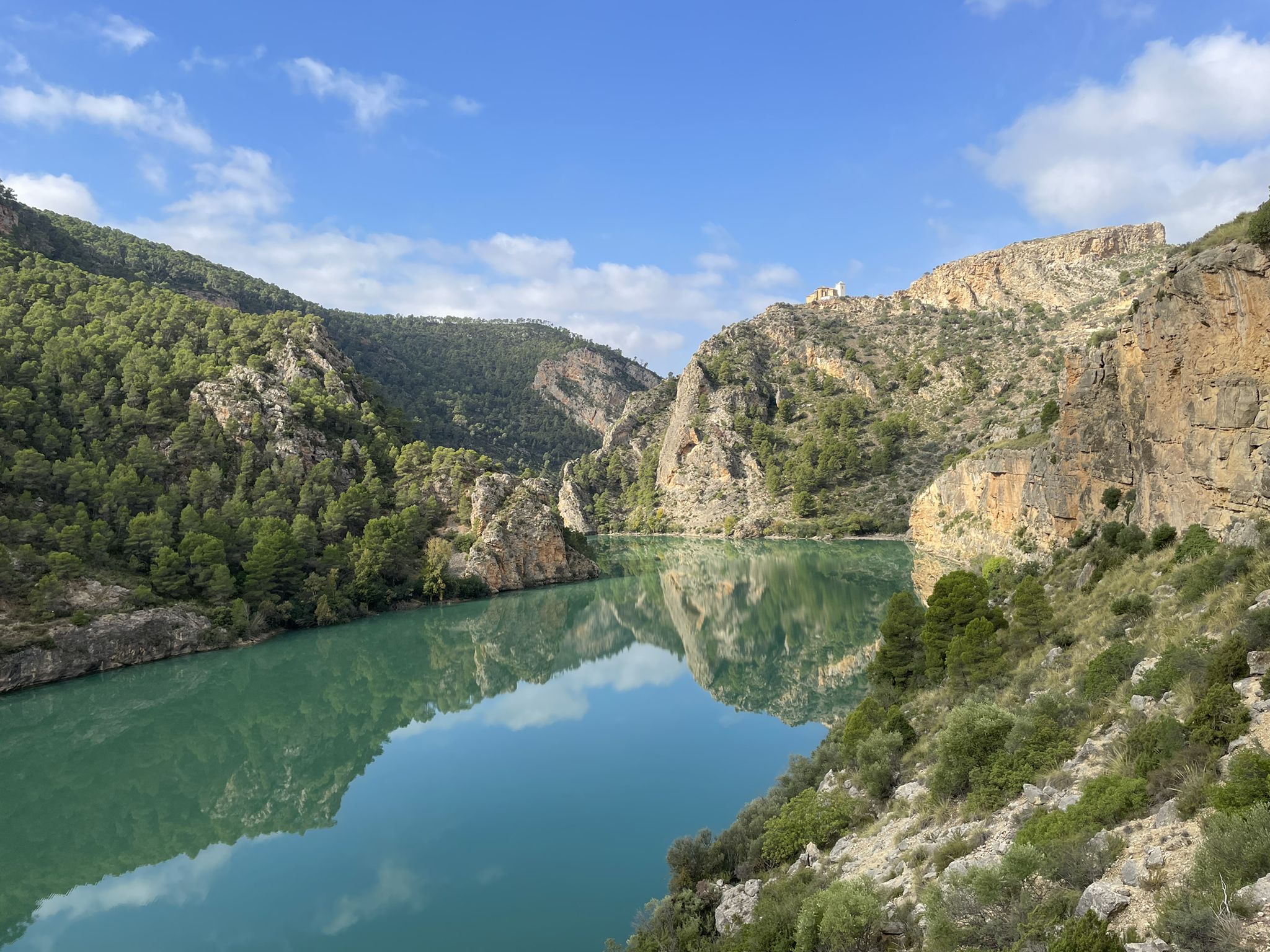
- The most popular attractions is The Canyons and Tunnels of the Júcar, a canyon that offers impressive views and a tour along the Júcar River. The route runs along a path next to the cliff, passing through open tunnels in the rock.
- Another must-see spot is Agrás Volcano, a dormant volcano. Its spring waters are used in the Hervideros spa, and its history dates back millions of years.
- Visitors also love Peña del Buitre, a gigantic wall that is an icon of the Júcar canyon. This natural monument features almost vertical walls reaching about 200 meters in height.
- Balsa De Ves is known for its canyons, historical sites, and natural monuments. The area offers a variety of attractions to see and explore, from river landscapes to ancient geological formations.
- The attractions around Balsa De Ves are appreciated by the komoot community, with 12 upvotes and 13 photos shared by visitors.
Last updated: July 7, 2026
Peña del Buitre
Highlight • Canyon
Translated by Google •
Tip by

The Canyons and Tunnels of the Júcar
Highlight • Canyon
Translated by Google •
Tip by

Sign up now to discover places like this
Get recommendations on the best single tracks, peaks, & plenty of other exciting outdoor places.
Sign up for free
Hydraulic Waterwheel and Riverside Park
Highlight • Monument
Translated by Google •
Tip by

Cofrentes Castle
Highlight • Castle
Translated by Google •
Tip by
Brilliant descent to Casas del Rio
Highlight (Segment) • Trail
Translated by Google •
Tip by
Sign up for free to discover even more attractions around Balsa De Ves.
Sign up for free
Already have an account?
Start today with a free account
Your next adventure awaits.
Login or Signup

Other adventures around Balsa De Ves

Tips from the Community

At the confluence of the Júcar and Cabriel rivers lies the Cofrentes Castle (restored) with beautiful views of the Embarcaderos Lake.
1
0

The 11th century castle was built on the Cerro Agres volcano and on the banks of the Cabriel River. It can be visited by appointment at the tourist office.
0
0
The trail continues from here, but if you are mountain biking this might be a good place to return. The view of this gigantic wall is one of the main sites of the Júcar Canyon. It is almost 200 meters high and deserves a photo or two.
0
0

This gigantic wall is one of the icons of the Júcar canyon. Here you can perceive the immensity of the deep cleft of almost vertical walls reaching about 200 meters in height.
1
0

At Casas del Rio you can see this hydraulic water wheel right by the bridge over the Rio Cabriel.
2
0

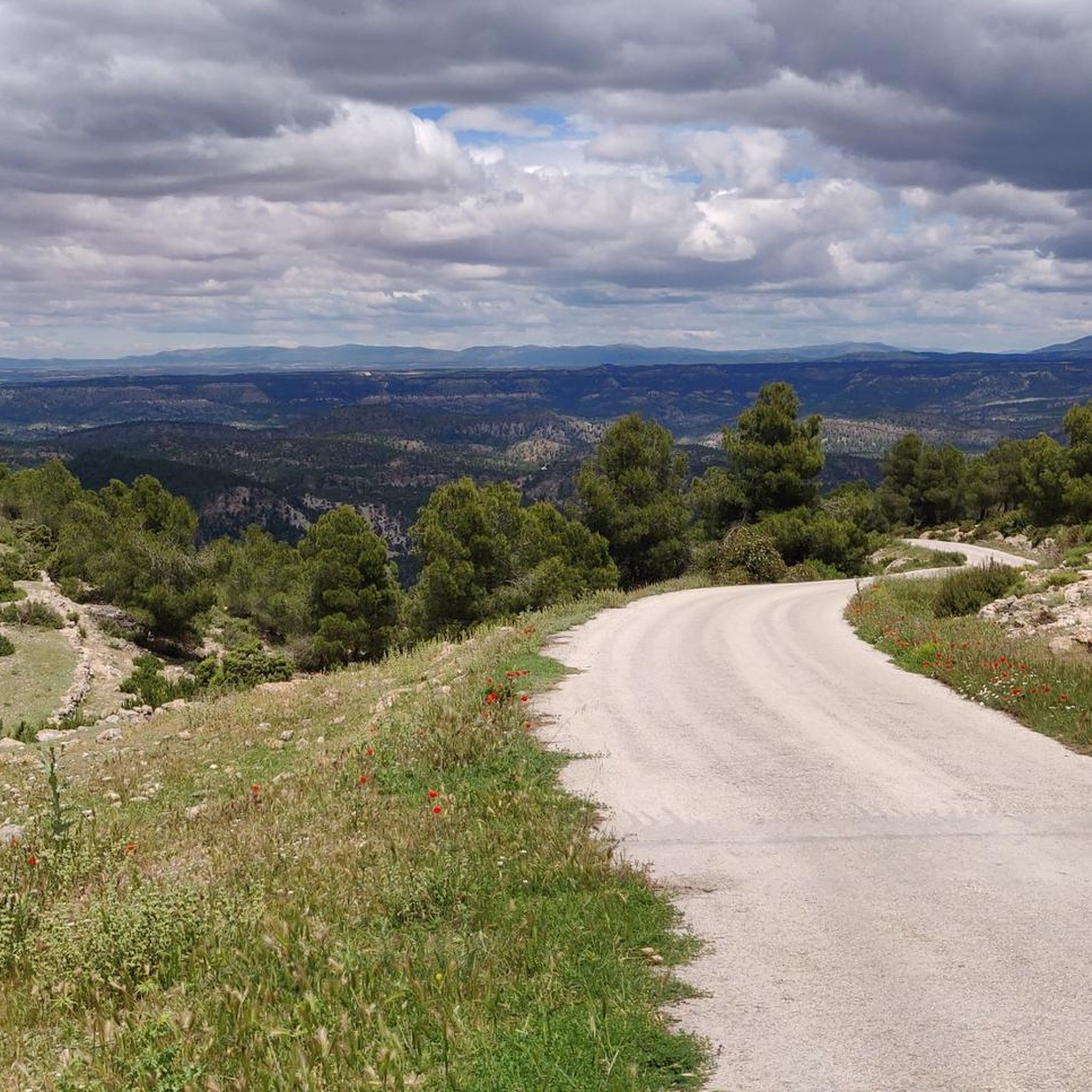
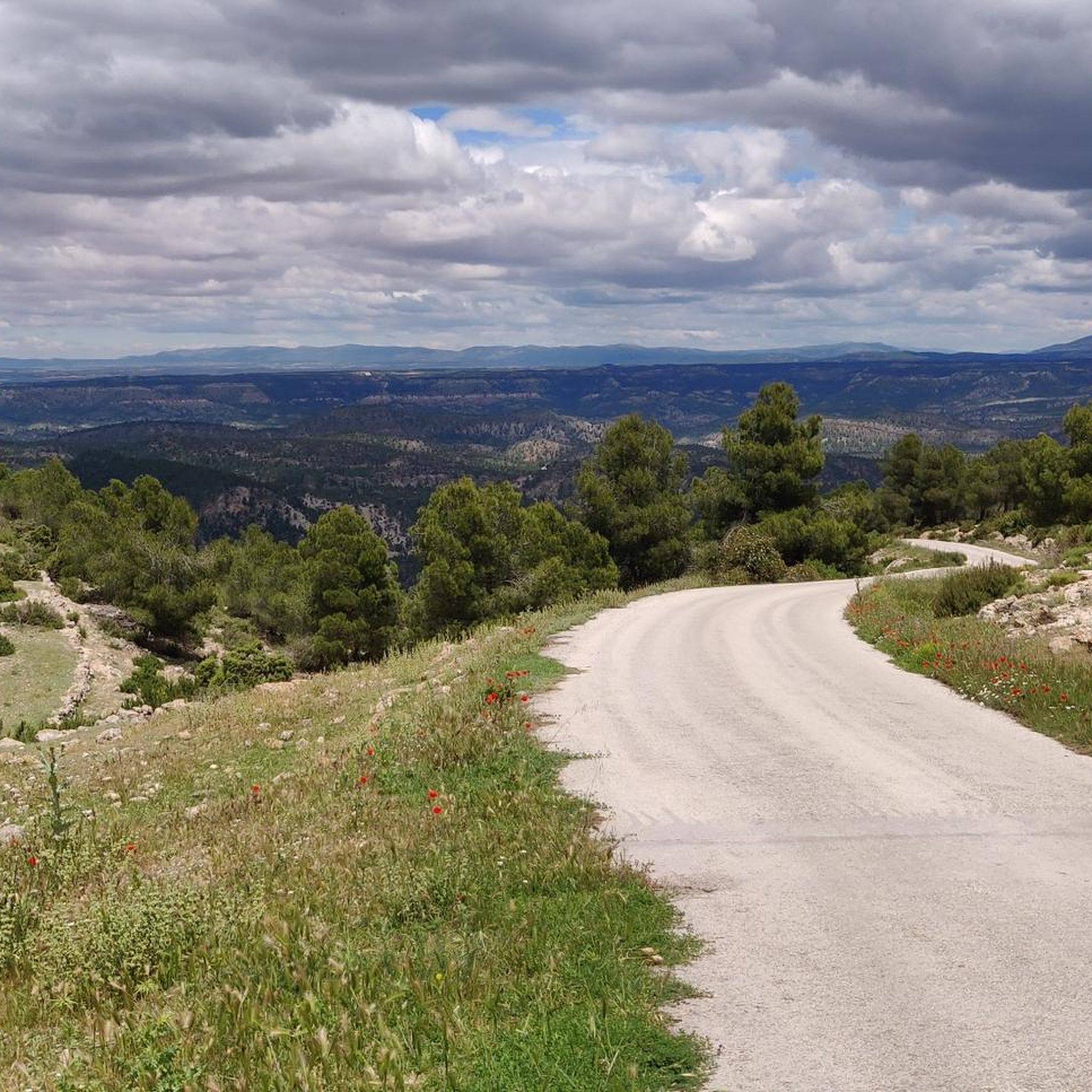
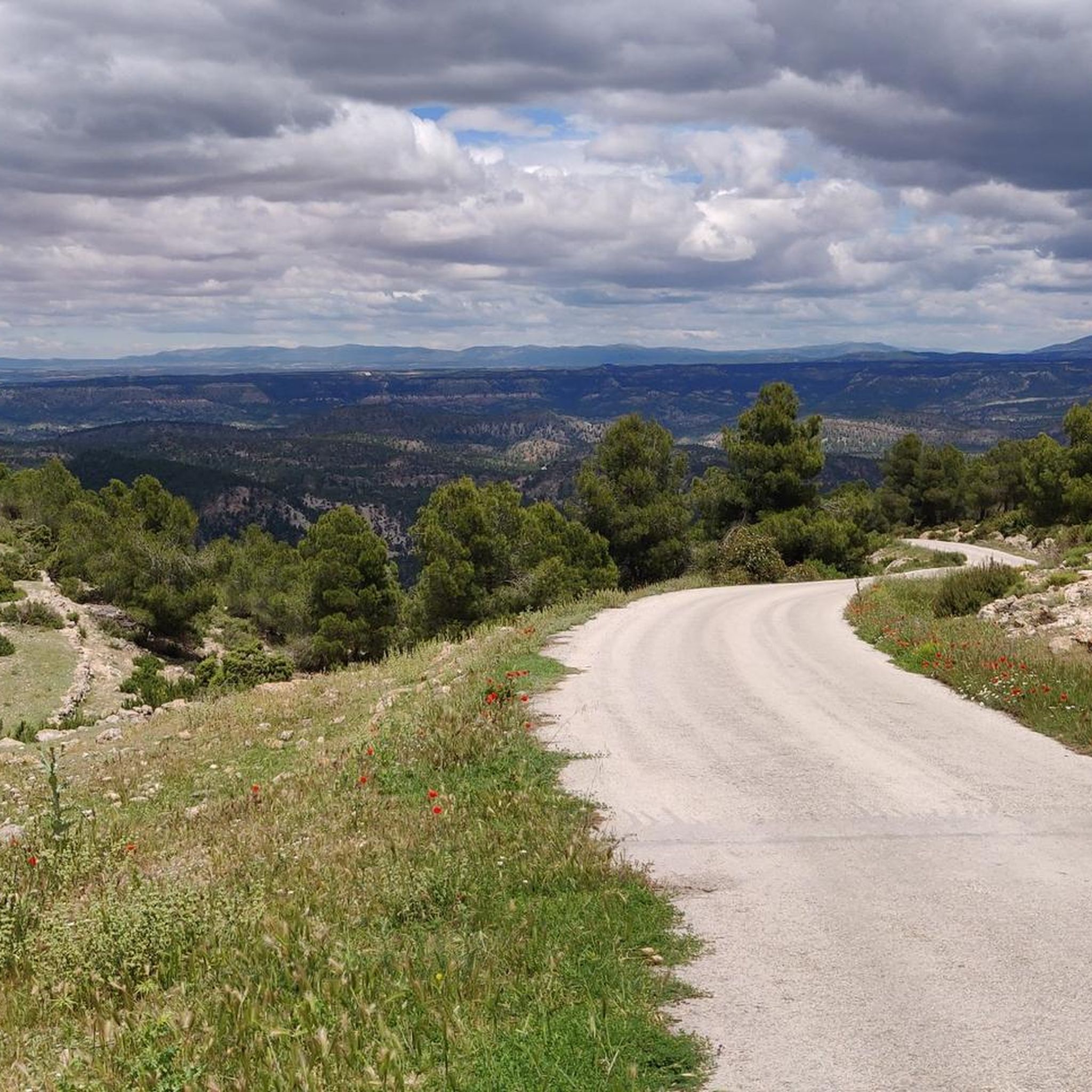
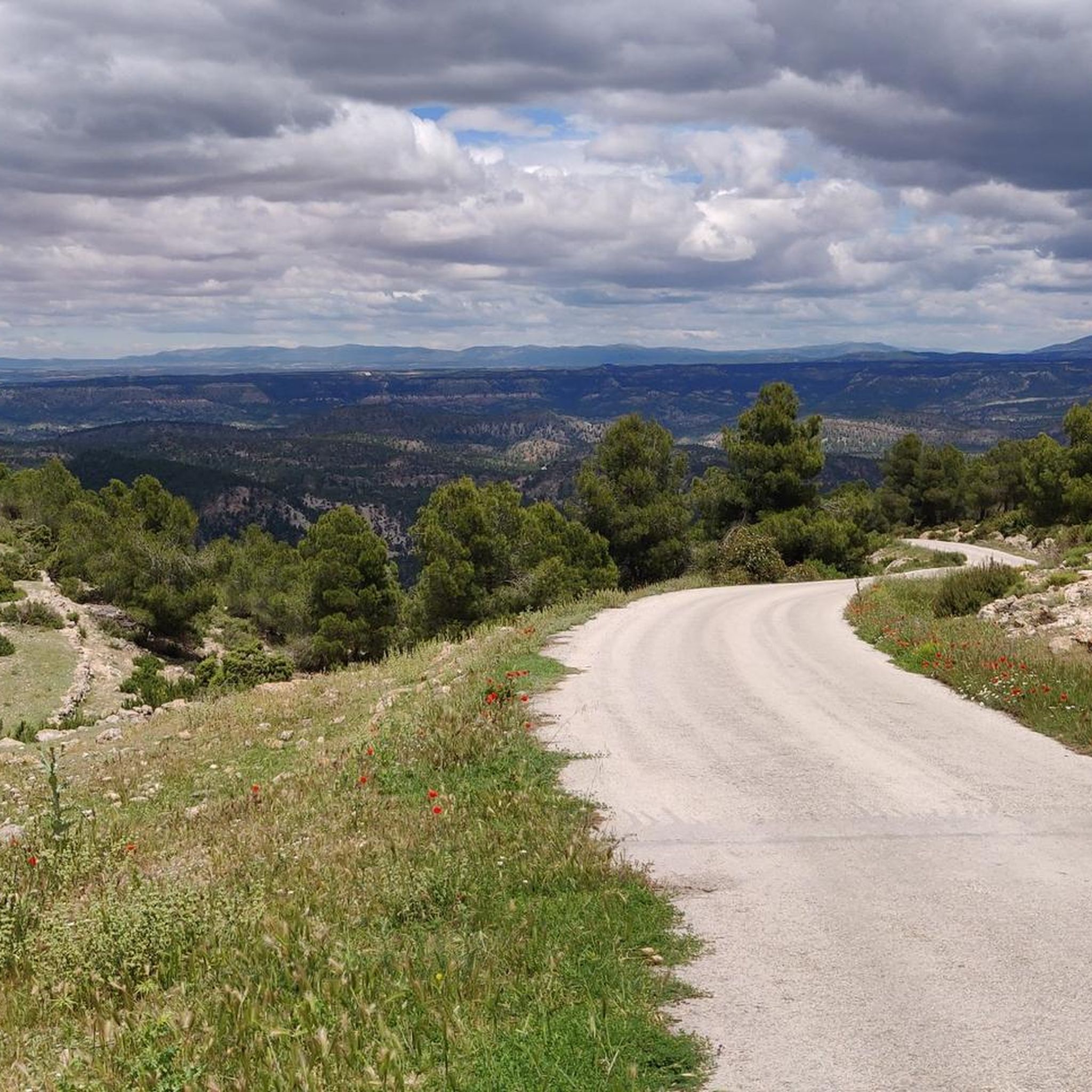
This stretch of road is a real blast. From Requena in the direction of Cofrentes, the route runs down a paved surface in excellent condition, allowing us to appreciate wonderful views until we reach Casas del Rio.
1
0
The castle is of Islamic origin and dates from the 11th century. It was built on one of the chimneys of the Cerro Agres volcano and on the banks of the Cabriel River. Daily visits can be made by appointment at the tourist office.
1
1
Impressive views and tour of the canyons of the Júcar River. The route runs along a path next to the cliff without technical difficulty passing through open tunnels in the rock and being able to appreciate incredible and very picturesque views of the entire landscape.
4
0
Frequently Asked Questions
What natural features can I explore around Balsa de Ves?
The region is rich in natural beauty, situated between the Júcar and Cabriel rivers. You can explore the dramatic The Canyons and Tunnels of the Júcar, featuring impressive views and paths carved into the rock. Another significant natural monument is Peña del Buitre, a gigantic wall offering stunning vistas of the Júcar canyon. The area also boasts numerous natural springs, such as Fuente Casa (Fuente Larga), Fuentecilla, and Fuente del Curavie, many connected by scenic trails.
Are there any historical sites or cultural landmarks in Balsa de Ves and its surroundings?
Yes, Balsa de Ves offers a blend of historical charm. In the town, you can visit the Baroque Iglesia Parroquial de San Pedro, completed in 1745. The landscape is also dotted with traditional dry stone constructions, known as Chozos or Barracas, which offer a glimpse into rural life. Nearby, you can find the ruins of Castillo de Villa de Ves, perched on a promontory with commanding views, and the 11th-century Cofrentes Castle, built on a volcano chimney overlooking the Cabriel river.
What outdoor activities are available near Balsa de Ves?
The area is ideal for various outdoor activities, especially cycling and mountain biking. You can find numerous routes for cycling, mountain biking, and road cycling that explore the river valleys and mountainous terrain. Popular routes include those around the Júcar Gorge and Molinar Reservoir. The natural springs are also connected by trails, perfect for walking and exploring the local flora.
Are there family-friendly attractions around Balsa de Ves?
Families can enjoy the Hydraulic Waterwheel and Riverside Park at Casas del Rio, which features a 300-year-old waterwheel and a pleasant rest area with shade and tables right by the Cabriel river. Exploring the natural springs and gentle trails connecting them can also be a fun and educational activity for families.
Where can I find impressive viewpoints in the Balsa de Ves area?
For breathtaking views, head to Peña del Buitre, which offers a spectacular perspective of the Júcar canyon's 200-meter-high walls. The The Canyons and Tunnels of the Júcar also provide incredible and picturesque views along the river. Additionally, the ruins of Castillo de Villa de Ves offer commanding views over the Júcar canyons.
Can I see any unique geological formations in this region?
Yes, the area is home to unique geological features. You can visit the Agrás Volcano, a dormant volcano whose history dates back millions of years. Its spring waters are even used in the Hervideros spa. The dramatic Cañones del Júcar, with their vertical walls reaching up to 200 meters, are another impressive natural formation.
What is the best time of year to visit Balsa de Ves for natural beauty?
While beautiful year-round, visiting in late winter or early spring allows you to witness the stunning spectacle of almond trees in bloom, which adds vibrant color to the landscape. Spring and autumn generally offer pleasant temperatures for outdoor activities and exploring the natural springs and river valleys.
Are there any specific walking or hiking trails recommended?
The natural springs around Balsa de Ves, such as Fuente Casa and Fuente del Tollo, are connected by various trails suitable for walking. For more extensive hiking and cycling routes, you can explore the guides for cycling and MTB trails, which often include sections suitable for walking and offer diverse terrain along the Júcar and Cabriel rivers.
What do visitors enjoy most about the attractions around Balsa de Ves?
Visitors particularly appreciate the impressive views and the unique experience of touring the canyons of the Júcar River, especially the paths next to the cliff and through open tunnels in the rock. The immensity of natural monuments like Peña del Buitre and the historical significance of sites like Cofrentes Castle are also highly valued. The tranquil atmosphere and natural beauty of the river areas provide a refreshing escape.
Are there any unique historical industrial sites nearby?
Yes, near Casas de Ves, you can find Las Salinas de Lázaro, historic salt flats that were once active in salt production. Since 1970, their medicinal waters have been used for bathing, making them a unique point of interest that combines history with natural wellness.
What kind of architecture can be seen in Balsa de Ves?
The most distinctive building in the urban center is the Iglesia Parroquial de San Pedro, a Baroque church completed in 1745. Beyond the town, the landscape features traditional dry stone constructions, known as Chozos or Barracas, which are ancient shelters built by laborers using local stones, reflecting the area's rural heritage.
Most popular attractions around Balsa De Ves

Get inspired with the komoot mobile app


Explore more
Still not found the Highlight you’re looking for? See guides of the top attractions in other regions:
