Attractions and Places To See around Torrubia - Top 15
Best attractions and places to see around Torrubia offer a diverse range of historical sites and natural landscapes. The region features traditional hamlets nestled among cereal fields and hills, reflecting its unique character. Visitors can explore significant historical monuments and settlements that showcase the area's rich heritage. Torrubia provides opportunities to discover hidden gems and experience its distinct cultural and geographical features.
Best attractions and places to see around Torrubia
- The most popular attractions is Molina de Aragón, a…
Last updated: June 29, 2026
Molina de Aragón
Highlight • Settlement
Translated by Google •
Tip by

Church of Concha
Highlight • Religious Site
Translated by Google •
Tip by

Sign up now to discover places like this
Get recommendations on the best single tracks, peaks, & plenty of other exciting outdoor places.
Sign up for free
Fernando VII Fountain in Tartanedo
Highlight • Monument
Translated by Google •
Tip by
Gaudí House of Rillo de Gallo
Highlight • Structure
Translated by Google •
Tip by

Hinojosa Village
Highlight (Segment) • Settlement
Translated by Google •
Tip by
Sign up for free to discover even more attractions around Torrubia.
Sign up for free
Already have an account?
Start today with a free account
Your next adventure awaits.
Login or Signup

Tips from the Community

Hinojosa is a beautiful village in the Molina area, with a pillory, a chapel, and a large church. As the locals say, Hinojosa has three things that Madrid doesn't: La Atalaya, La Cantera, and El Castillo del Cid. Indeed, these are three hills from which you can admire the beautiful surrounding landscape.
0
0

In Molina we have everything: accommodation, shops, pharmacy. Good place to refuel
1
0
On the N-211 highway, near Molina de Aragón, it is a pretty town. In its Plaza it has a pediment, a fountain with four pylons, a barbecue, children's games, the church, the town hall, etc. Also near the road there is a house built in the "Gaudi" Style. The main façade can be seen from the road, but also the rear façade that faces the church is extraordinarily beautiful.
1
0

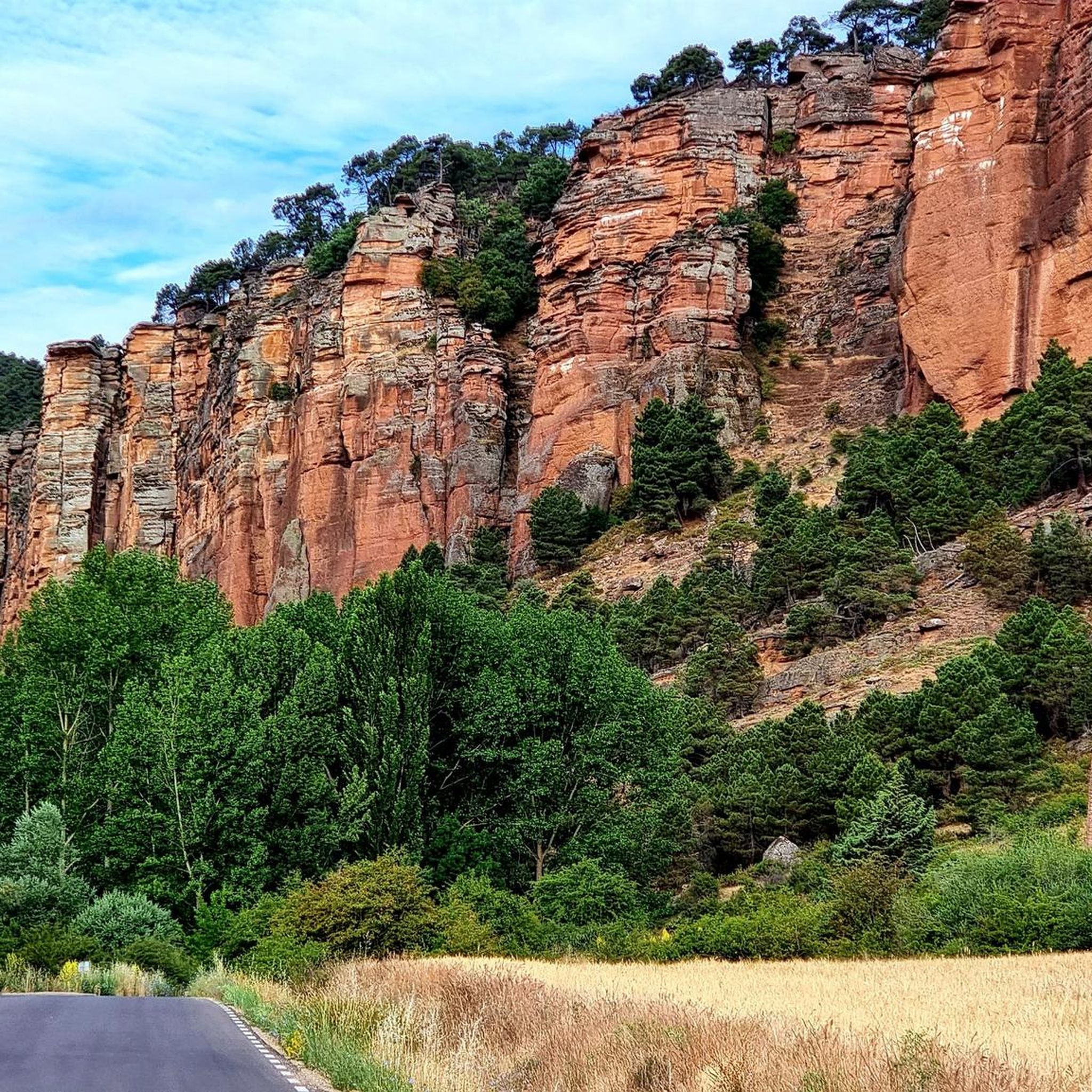
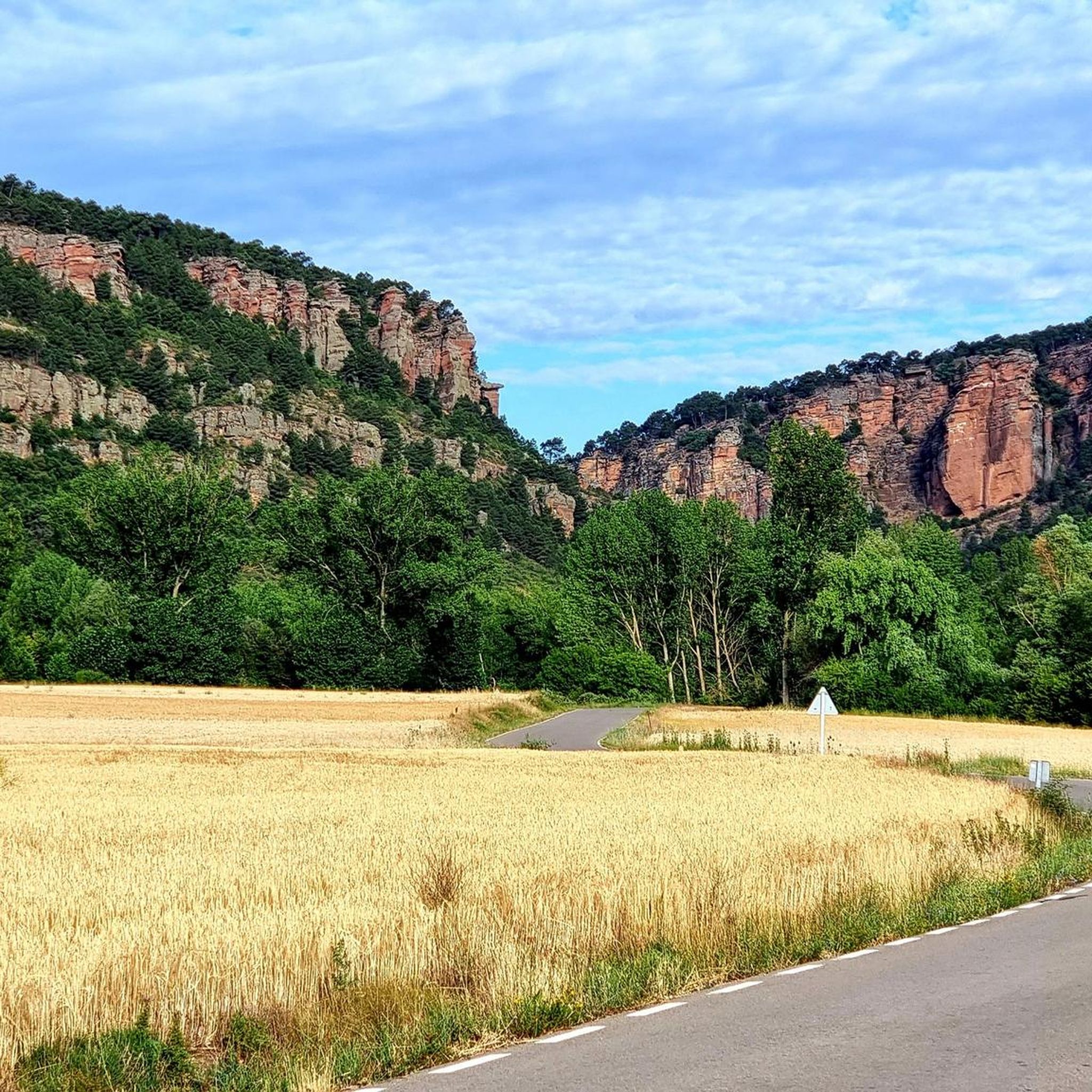
Concha is a small hamlet in Guadalajara between cereal fields and hills frozen in time. Its structure remains a traditional popular architectural complex with stone houses and red roofs, although its 16th century church stands out. On the outskirts there is a rest area between trees.
0
0
This fountain from the beginning of the 19th century is located in the beautiful town of Tartanedo. The name of King Ferdinand VII appears in the inscription of its construction. It is likely that travelers and beasts passing through the Camino Real de Aragón watered themselves there.
0
0

There is a park with a lever fountain. I don't find it very reliable to drink...
0
0
There is a fountain from the 19th century, but next to it there is another much more modern one...
0
0

Wide range of accommodation and restaurants. It is highly recommended to walk around its historic center.
2
0
Frequently Asked Questions
What kind of attractions can I expect to find around Torrubia?
The Torrubia region offers a mix of historical sites, traditional settlements, and unique man-made monuments. You'll find ancient castles, religious buildings, and hamlets with traditional architecture nestled among cereal fields and hills.
Are there any significant historical sites to visit?
Yes, the region is rich in history. A prominent historical site is the Castle of Molina de Aragón, a 12th-century fortress. While in a state of consolidated ruin, visits are possible upon request. The settlement of Molina de Aragón itself is considered an important point on the Camino del Cid, with a historic center worth exploring.
What are some family-friendly attractions in the area?
Families can enjoy exploring the historic center of Molina de Aragón. Other family-friendly spots include the Fernando VII Fountain in Tartanedo, a 19th-century monument, and the distinctive Gaudí House of Rillo de Gallo, which features unique architecture visible from the road.
Are there opportunities for outdoor activities like cycling or running near the attractions?
Absolutely. The area around Torrubia offers various routes for cycling and running. For cycling, you can explore routes like 'The Three Taifas Trail' or 'Molina and Embid Castles Loop'. If you prefer running, consider trails such as 'Camino del Cid: Molina de Aragón and Castilnuevo Loop' or routes around the Castle of Molina de Aragón. You can find more details on these activities in the Cycling around Torrubia and Running Trails around Torrubia guides.
What is the best time of year to visit Torrubia's attractions?
The spring and autumn months are generally ideal for visiting the attractions around Torrubia. The weather is typically mild and pleasant, making it comfortable for exploring historical sites and enjoying outdoor activities. Summers can be hot, and winters can be cold, though attractions remain accessible year-round.
How much time should I allocate to visit the main attractions?
To fully appreciate the main attractions like Molina de Aragón, its castle, and other nearby historical sites, it's recommended to dedicate at least a full day, or even a weekend. This allows for leisurely exploration of the historic centers and the surrounding natural landscapes.
Are there any religious buildings of note in the area?
Yes, the Church of Concha is a notable 16th-century religious building located in a small hamlet. This church stands out amidst traditional stone houses and red roofs, offering a glimpse into the region's architectural heritage.
What do visitors enjoy most about the attractions around Torrubia?
Visitors particularly appreciate the rich history and the opportunity to explore traditional settlements. The historic center of Molina de Aragón is highly recommended for walks, and the hospitality of the region, historically noted by figures like El Cid, continues to be a highlight for many.
Can I find places to eat and stay near the main attractions?
Yes, Molina de Aragón serves as an excellent base for exploring the area. It offers a wide range of accommodation options, restaurants, and shops, making it convenient for visitors to refuel and rest.
Are there any unique architectural sights besides historical castles and churches?
Beyond the traditional historical sites, you can discover the distinctive Gaudí House of Rillo de Gallo. This house, built in the 'Gaudí' style, presents an extraordinarily beautiful facade that can be admired from the road and also from the rear, facing the church.
What kind of natural landscapes can I expect to see around Torrubia?
The region is characterized by traditional hamlets nestled among cereal fields and rolling hills. It also serves as a gateway to the Parque Natural del Alto Tajo, offering opportunities to experience diverse natural landscapes.

Get inspired with the komoot mobile app


Explore more
Still not found the Highlight you’re looking for? See guides of the top attractions in other regions:
