Attractions and Places To See around Yecla De Yeltes - Top 7
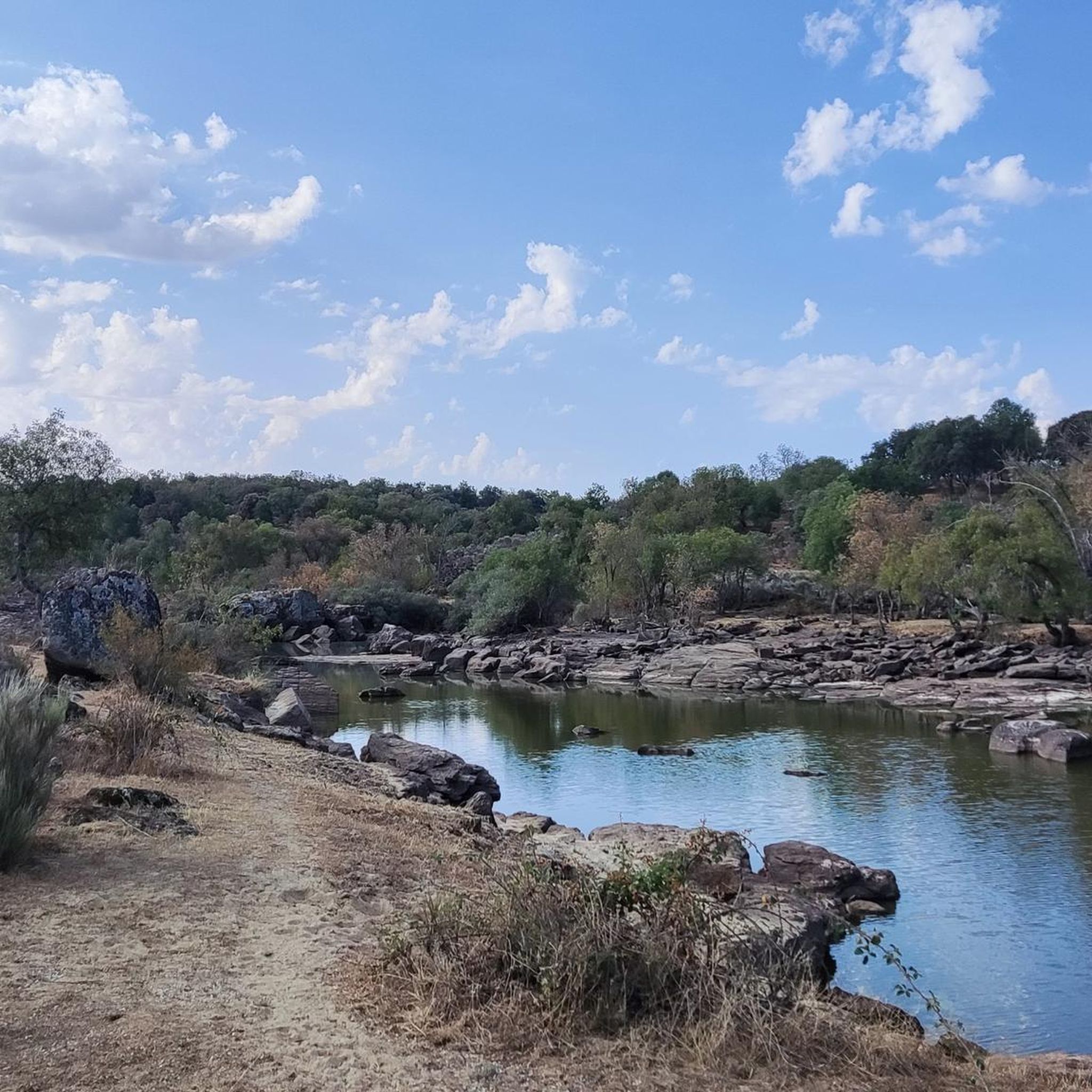
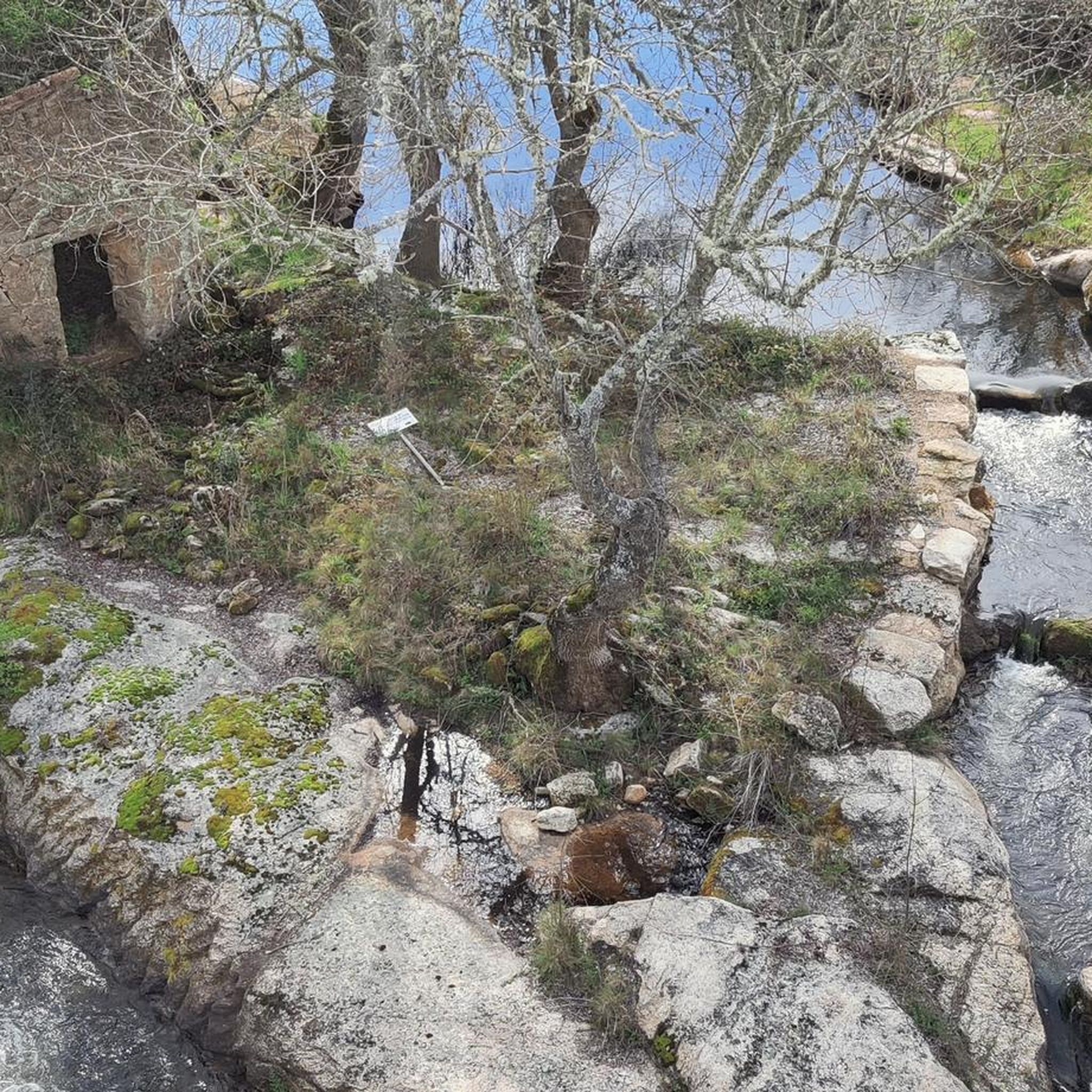
Best attractions and places to see around Yecla De Yeltes, a municipality in the province of Salamanca, Spain, offer a blend of historical and natural features. The region is known for its Pre-Romanesque origins and significant archaeological sites, particularly ancient hillforts. Situated at the gateway to the Arribes del Duero Natural Park, the area features diverse landscapes including granite outcrops and Holm oak forests, shaped by the Huebra River and Varlaña stream.
Best attractions and places to see around Yecla…
Last updated: July 15, 2026
Vetón Hillfort of Lumbrales (Las Merchanas)
Highlight • Historical Site
The …
Translated by Google •
Tip by

Vettonian Hillfort of Yecla la Vieja
Highlight • Historical Site
Translated by Google •
Tip by
Sign up now to discover places like this
Get recommendations on the best single tracks, peaks, & plenty of other exciting outdoor places.
Sign up for free
Bogajo
Highlight • Settlement
Translated by Google •
Tip by

Plaza de España, Vitigudino
Highlight • Settlement
Translated by Google •
Tip by

Olmedo de Camaces
Highlight • Settlement
Translated by Google •
Tip by
Sign up for free to discover even more attractions around Yecla De Yeltes.
Sign up for free
Already have an account?
Start today with a free account
Your next adventure awaits.
Login or Signup
Popular around Yecla De Yeltes
Tips from the Community

Rodenas route spring 2025
0
0
walk to the Encinasola of the Commanders
0
0

Vitigudino is the most important population center in the northwest of Salamanca. In the Plaza de España is the impressive Church of San Nicolás de Bari.
3
0
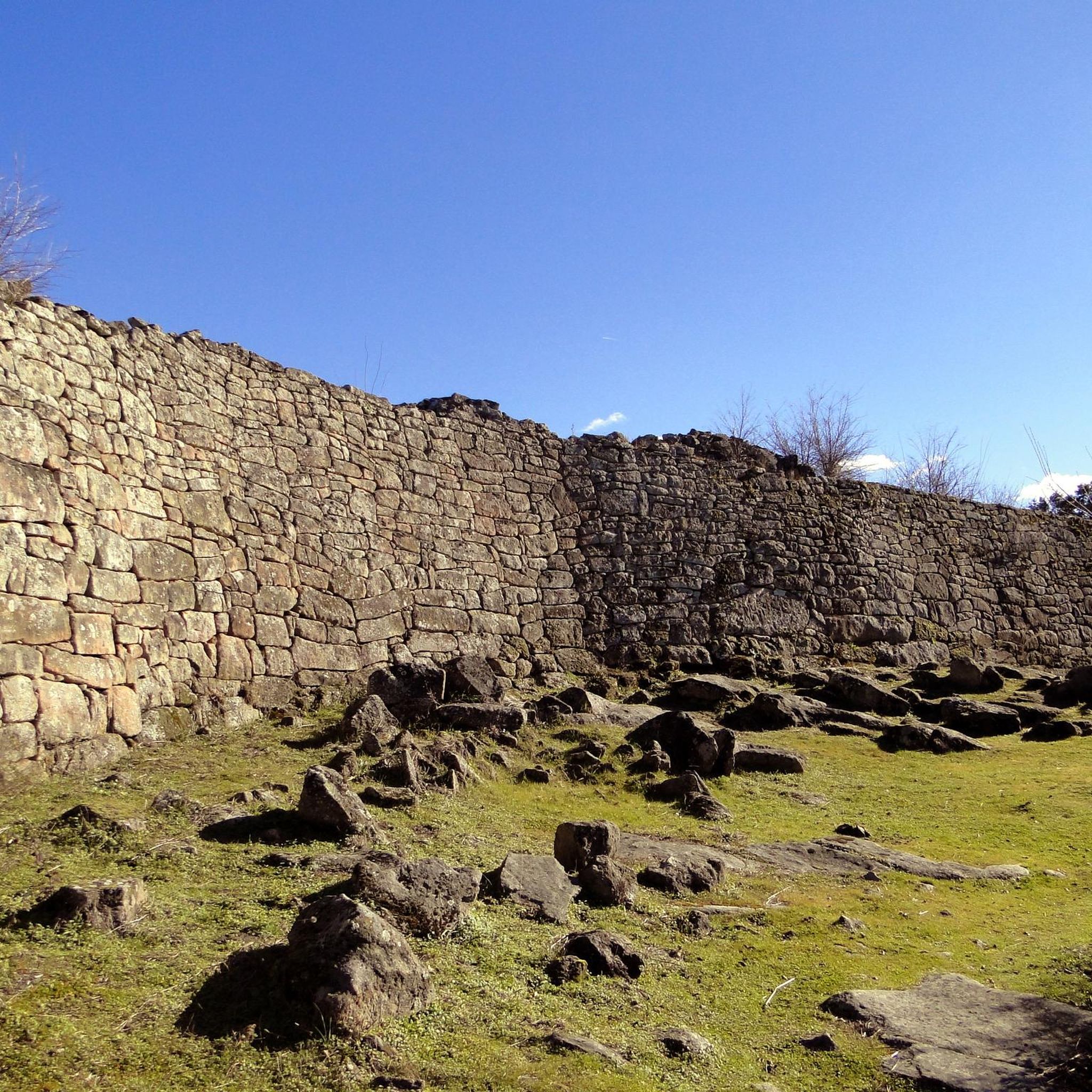
A huge archaeological site of about 5 hectares, also known as "El Castillo". One of the most spectacular pre-Roman fortifications on the Iberian Peninsula. The walls that surround it are preserved in good condition. It is probably from the 5th century B.C.
1
1

Beautiful small town that is located near the Huebra River and where one of its characteristics is the influx of inhabitants that appear between the summer and winter months, assuming large differences due to the good temperatures of the summer season.
0
1
Olmedo de Camaces takes its name from the former abundance of elm trees in the place as well as from its belonging to the Camaces field around the river of the same name. Until now, the only elm tree that gave its name to the town was found in the main square, which was felled by a tornado, taking away 250 years of existence of said tree.
0
0

The sites dating back to pre-Roman times up to the most recent ones related to the culture of the castros and boars are known as Vetón territory. It has been studied that the occupation of these territories dates back to the Iron Age 500 years ago and even much earlier up to the 5th century in the case of this particular site of Las Merchanas. In the golden age of these territories, these settlements were mainly populated by shepherds and warriors who, according to various Roman writers, were known as "vetones".
1
0
The province of Salamanca is well known for being Vetón territory since it has two of the most important deposits in the area, Yecla la Vieja and Las Merchanas. The sites dating back to pre-Roman times up to the most recent ones related to the culture of the castros and boars are known as Vetón territory. It has been studied that the occupation of these territories dates back to the Iron Age 500 years ago and even much earlier up to the 5th century in the case of this particular site of Las Merchanas. In the golden age of these territories, these settlements were mainly populated by shepherds and warriors who, according to various Roman writers, were known as "vetones".
3
0
Frequently Asked Questions
What historical sites can I explore in Yecla de Yeltes?
Yecla de Yeltes is rich in history, particularly known for its pre-Roman archaeological sites. The most significant is the Vettonian Hillfort of Yecla la Vieja, also known as "El Castillo," which features extensive defensive walls and rock carvings. Another important pre-Roman settlement is the Vetón Hillfort of Lumbrales (Las Merchanas). You can also visit the Archaeological Office in Plaza Mayor to see a model of the castro and ancient sculptures.
What natural attractions are there around Yecla de Yeltes?
The region is a gateway to the stunning Arribes del Duero Natural Park, offering scenic viewpoints of the Duero River. The ancient settlement of Yecla la Vieja is elevated above the confluence of the Huebra River and the Varlaña stream, surrounded by beautiful landscapes featuring granite outcrops and Holm oak forests. The area is known for its diverse flora and fauna.
Are there cycling routes available near Yecla de Yeltes attractions?
Yes, there are several cycling opportunities. You can find various routes for road cycling, mountain biking, and touring. For example, there's the 'Castro de Yecla la Vieja Loop from Vitigudino' for road cycling, or the 'Vitigudino to Castro de Yecla la Vieja Loop' for mountain biking. You can explore more options on the dedicated guides for Road Cycling Routes, MTB Trails, and Cycling around Yecla De Yeltes.
What is the best time of year to visit Yecla de Yeltes?
The summer months see a notable increase in visitors, particularly in settlements like Bogajo, due to favorable temperatures. For outdoor activities like hiking and cycling, spring and autumn generally offer milder weather, making them ideal for exploring the natural landscapes and archaeological sites comfortably.
Are there any family-friendly attractions or activities in the area?
While the historical sites like the Vettonian Hillfort of Yecla la Vieja offer an educational experience for families, the natural surroundings provide opportunities for gentle walks and exploring. Settlements like Bogajo and Plaza de España, Vitigudino are noted as family-friendly, offering a relaxed atmosphere. Exploring the Arribes del Duero Natural Park can also be a great family outing.
What is the significance of the Castro de Yecla la Vieja?
The Castro de Yecla la Vieja is one of the most spectacular pre-Roman fortifications on the Iberian Peninsula. Occupied from the Iron Age (around 500 BC) by the Vettones and continuing into Roman times, it features an extensive and well-preserved defensive wall. Within its walls, you'll find the Hermitage of the Virgin del Castillo, a site of ongoing devotion. The site also boasts impressive rock carvings of animals, some with ritualistic significance.
Where can I learn more about the archaeological findings from the region?
The Archaeological Office, located in the Plaza Mayor of Yecla de Yeltes, is an excellent resource. It houses a detailed model of the castro complex, along with explanatory drawings and photographs. Notably, it displays human head sculptures, known as "cabezas cortadas," which are believed to represent divinity or link to ancient Celtic traditions, providing valuable context to the area's rich past.
Are there any religious buildings of note in Yecla de Yeltes?
Yes, the municipality features a few significant religious structures. The Parish Church of San Sebastián boasts a doorway dating back to the 17th century. Additionally, the Hermitage of Santiago Apóstol is another important religious building in the area. Within the walls of the Castro de Yecla la Vieja, you can also find the Hermitage of the Virgin del Castillo.
What is special about the settlement of Bogajo?
Bogajo is a charming small town situated near the Huebra River. One of its unique characteristics is the significant increase in its population during the summer months, as many people are drawn to the area by the pleasant temperatures, making it a lively spot during that season.
What kind of terrain can I expect on outdoor routes around Yecla de Yeltes?
The terrain around Yecla de Yeltes is diverse, reflecting its location at the edge of the Arribes del Duero Natural Park. You can expect landscapes featuring granite outcrops, particularly around the Huebra River and Varlaña stream, and areas covered by Holm oak forests. Routes may vary from relatively flat paths to more undulating terrain, especially when exploring the river valleys and hillforts.
What is the significance of Vitigudino in the region?
Vitigudino is considered the most important population center in the northwest of Salamanca. Its Plaza de España is a notable spot, featuring the impressive Church of San Nicolás de Bari. It serves as a central point for various activities and is often a starting or ending point for cycling routes in the area, such as the 'Castro de Yecla la Vieja Loop from Vitigudino'.
Are there any hidden gems or lesser-known spots to discover?
Beyond the main hillforts, exploring the smaller settlements like Bogajo or Olmedo de Camaces can offer a glimpse into local life and history. Olmedo de Camaces, for instance, is named after the elm trees that once dominated the area and its proximity to the Camaces river, offering a quieter, more traditional experience.
Most popular routes around Yecla De Yeltes

Get inspired with the komoot mobile app


Explore more
Still not found the Highlight you’re looking for? See guides of the top attractions in other regions:
