Attractions and Places To See around Hoyorredondo - Top 11
Best attractions and places to see around Hoyorredondo are set within the scenic Corneja Valley, offering a blend of natural beauty and cultural heritage. This municipality in the province of Ávila is characterized by its traditional architecture and its location at over 1,000 meters above sea level, near the Sierra de la Horcajada. Visitors can explore historical landmarks and enjoy the surrounding natural landscape.
Best attractions and places to see around Hoyorredondo
- The most popular attractions is Ponseca Bridge,…
Last updated: July 12, 2026
Peña Negra Pass
Highlight • Mountain Pass
Translated by Google •
Tip by

Ponseca Bridge
Highlight • Bridge
Translated by Google •
Tip by

Sign up now to discover places like this
Get recommendations on the best single tracks, peaks, & plenty of other exciting outdoor places.
Sign up for free
La Horcajada
Highlight • Settlement
Translated by Google •
Tip by
Nabarveja
Highlight • Settlement
No way to get lost (All to the right) ➡️🧭: This is a very easy route to follow. …
Translated by Google •
Tip by

Puente del Congosto
Highlight • Historical Site
Translated by Google •
Tip by
Sign up for free to discover even more attractions around Hoyorredondo.
Sign up for free
Already have an account?
Start today with a free account
Your next adventure awaits.
Login or Signup

Tips from the Community

📍 Route: From La Lastra to the abandoned village of Nabarveja 🥾🏚️ No way to get lost (All to the right) ➡️🧭: This is a very easy route to follow. The key is to always take the right turns. You can't miss it! Easy Hike 🚶♂️✅: This is an easy, short route with hardly any hills. Ideal for a leisurely stroll without much physical exertion. The Path that Becomes a River 🌊🛣️: Near the village, the path narrows between farms. In winter, due to the rain, the path becomes a small river, and you have to walk through the water. Snow Experience ❄️☃️: We did it in the snow. It's not particularly difficult, but water is the main obstacle. With good hiking boots like ours, it's perfectly manageable 🥾💪. Nabarveja, the forgotten village 🏚️✨: The snow-covered ruins create a magical atmosphere. A true journey back in time 📸. 💡 Seasonal tips: In Winter: 🧊 Waterproof boots are a must for the wet section! In Summer: ☀️ Highly recommended as it's flat and short, although the path will be dry.
0
0

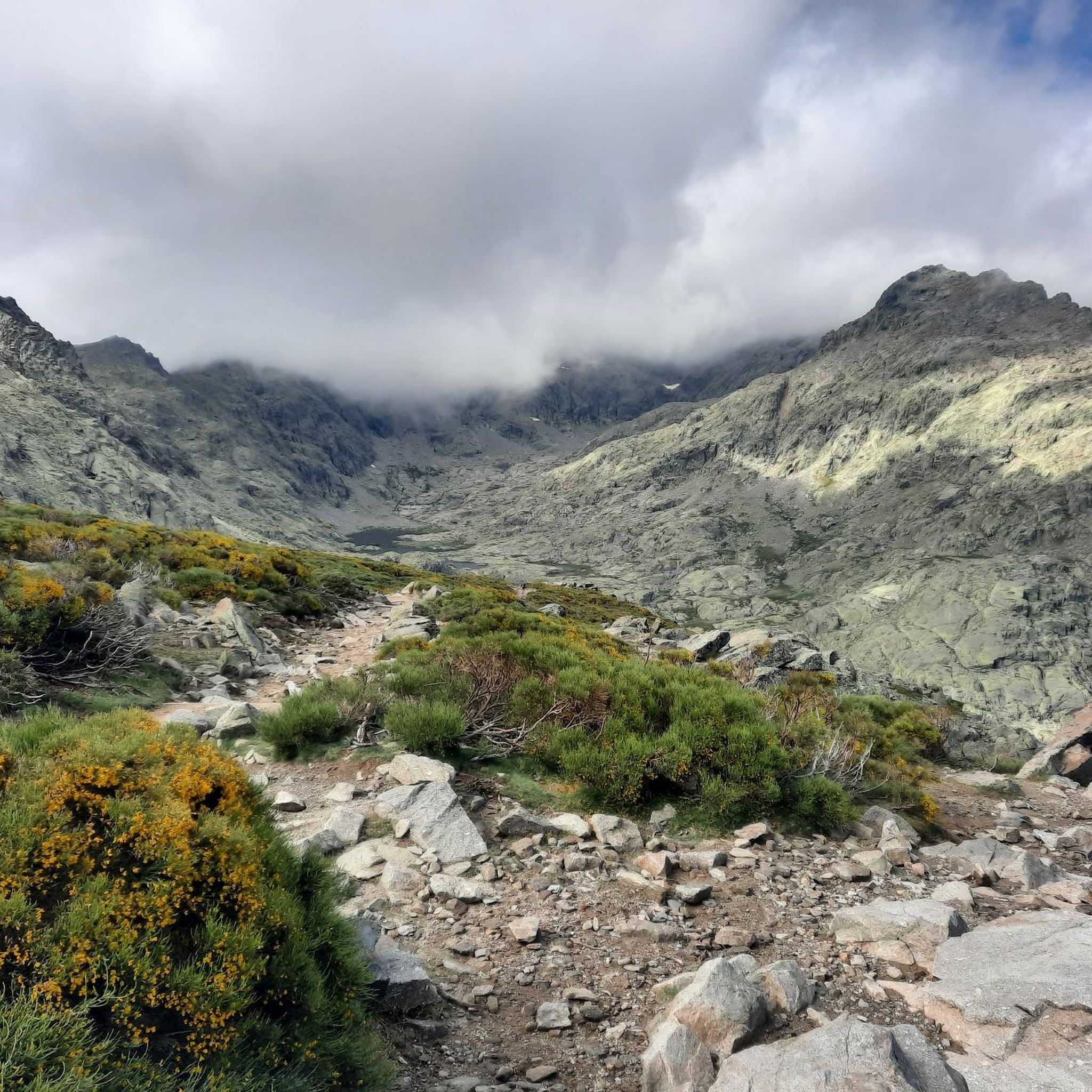
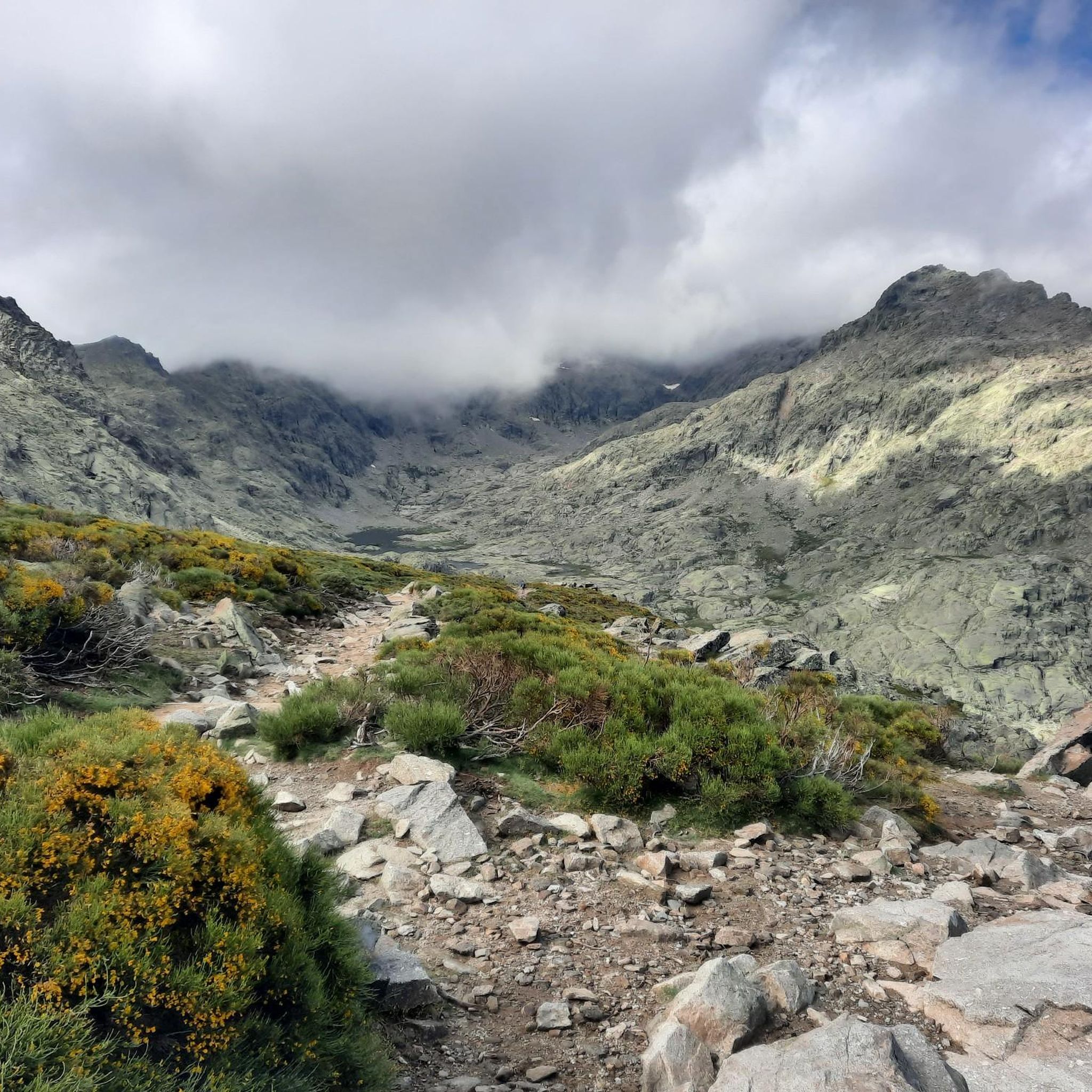
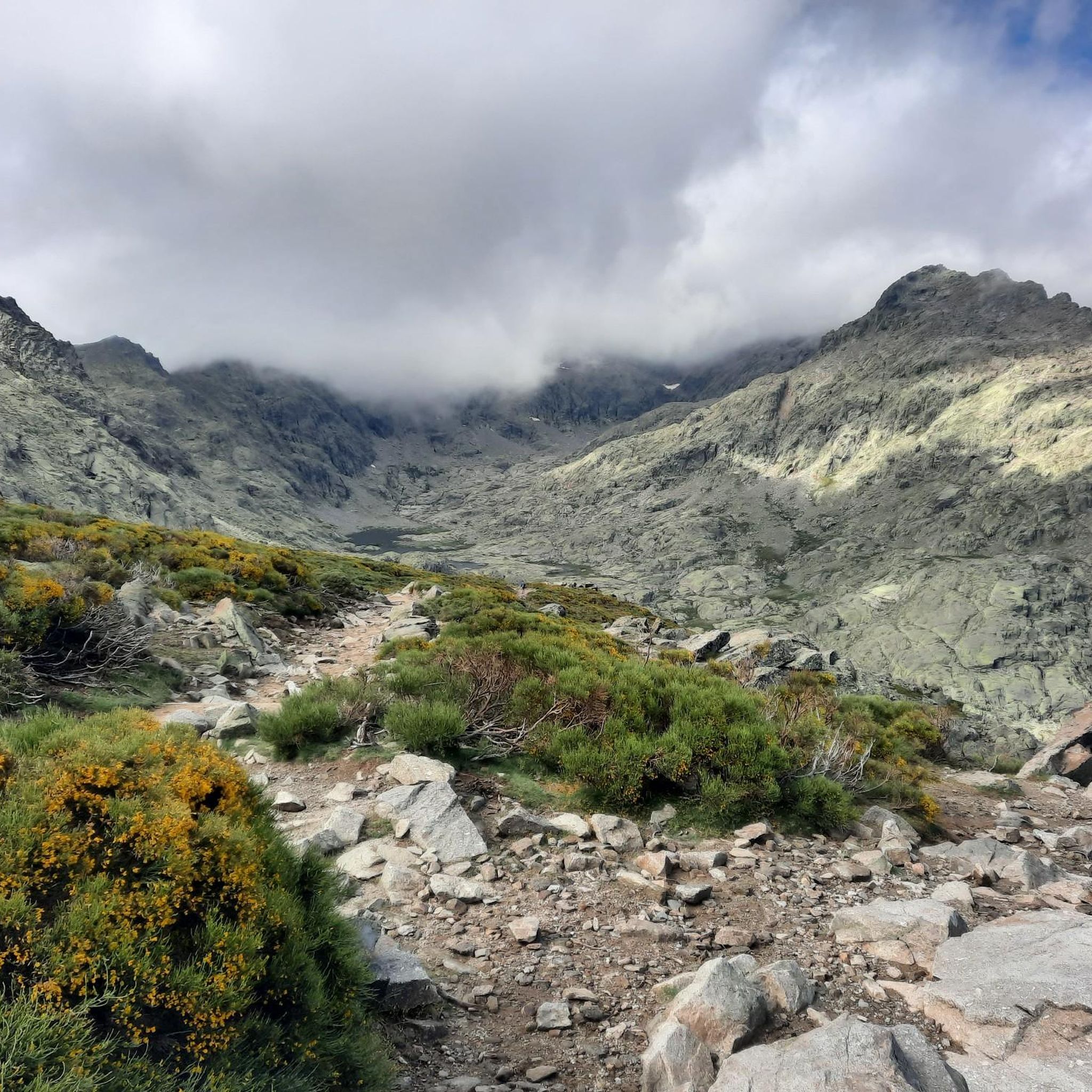
Beautiful views, on a good day you can see people taking off on paragliders.
0
0

La Horcajada is located in the southwest triangle of the province of Ávila. It is practically the space between the foothills of Gredos and the mountain ranges of Malpartida and Collado del Mirón, on the one hand, and the port of Villatoro and the confluence of the Corneja and Tormes rivers, on the other. This surface has been called "Valdecorneja" for centuries. The Cancionero de Baeza, from 1445, for example, records this. The four most important towns in the Valley are, possibly since Vetton times or before, El Mirón, Piedrahíta, La Horcajada and El Barco de Ávila. La Horcajada is located about 75 kilometers southwest of the provincial capital, Ávila, about 82 kilometers from Salamanca and 185 kilometers from Madrid. The town is located at 1033 m above sea level. n. m. between the towns of Piedrahíta and Barco de Ávila on the slopes of the Sierra de la Horcajada.
1
0
A large port, 15 km long if we start from Piedrahita, and with a constant slope of 6% except for a couple of short sections that are less and some sections that reach 9%, but very punctual. The condition of the asphalt is good, it is one of the few ports in the area with a surface in good condition. Upstairs it has very good views and there are usually people doing paragliding (if the weather conditions allow it)
0
0
Old bridge, currently misnamed La Fonseca, its real historical name is La Ponseca. It belongs to the municipality of La Horcajada, which has also recently been rehabilitated because its rock was detaching and its stability was beginning to be endangered. It crosses the river Corneja and as a curiosity, Emperor Carlos V passed over this bridge on his retirement journey to the Yuste monastery.
2
0

While riding my bike near Villar de Corneja, I come across this beautiful medieval bridge that allows us to cross the Corneja river. This river was really useful for irrigating the orchards and using the mills.
1
0

La Horcajada is located in the southwest triangle of the province of Ávila. It is practically the space between the Gredos foothills and the Malpartida and Collado del Mirón mountains, on the one hand, and the port of Villatoro and the confluence of the Corneja and Tormes rivers, on the other.
0
0
The Salamanca town of Puente del Congosto, located a few kilometers from the entrance of the Tormes river in charro territory, owes its name to the gorges and channels that the erosion of the water has been causing. The origin of the town dates back to the 11th century.
0
0
Frequently Asked Questions
What historical landmarks can I explore around Hoyorredondo?
The region around Hoyorredondo is rich in history. You can visit the ancient Ponseca Bridge, which Emperor Charles V is said to have crossed. Another significant site is Puente del Congosto, a town whose name reflects the gorges formed by water erosion, with origins dating back to the 11th century. The village of La Horcajada itself is a historical settlement within the Valdecorneja region, and Hoyorredondo features the prominent Iglesia Parroquial de Nuestra Señora de la Asunción.
Are there any notable natural features or viewpoints near Hoyorredondo?
Yes, the area offers beautiful natural landscapes. The Peña Negra Pass is a significant mountain pass known for its expansive views and regular slopes, often a spot for paragliding when weather permits. Hoyorredondo is also nestled within the scenic Corneja Valley, at the foothills of the Sierra de la Horcajada, providing a picturesque natural environment.
What kind of outdoor activities can I do in the Hoyorredondo area?
The natural landscape around Hoyorredondo is ideal for various outdoor activities. You can find numerous routes for cycling and hiking. For cycling, explore options like the 'Palace of the Dukes of Alba – Peña Negra Pass loop' or the 'Ponseca Bridge – Puente del Congosto loop'. Hikers can enjoy trails such as 'Castillo de El Mirón' or an 'easy hiking loop from Piedrahíta'. You can find more details on these activities in the cycling guide and hiking guide for Hoyorredondo.
Are there family-friendly attractions or walks around Hoyorredondo?
While specific family-friendly activities are not extensively detailed, the settlements of La Horcajada and Nabarveja are noted as family-friendly. The easy, short, and flat route to the abandoned village of Nabarveja is particularly suitable for a leisurely stroll with minimal physical exertion, making it a good option for families.
What is the best time of year to visit Hoyorredondo for outdoor activities?
The region's elevation, exceeding 1,000 meters above sea level, means it experiences distinct seasons. While specific recommendations for Hoyorredondo are not provided, generally, spring and autumn offer pleasant temperatures for hiking and cycling. Winter can bring snow, as noted for the route to Nabarveja, which requires waterproof boots but offers a magical, snow-covered landscape. Summer is also recommended for the flat and short routes, as paths will be dry.
What are some unique architectural features in Hoyorredondo?
Hoyorredondo is known for its traditional architecture. The village is characterized by renovated traditional houses, many of which feature distinctive chimneys decorated with geometric motifs. This architectural style reflects the historical character of the area and contributes to its rural Spanish charm.
What do visitors enjoy most about the attractions around Hoyorredondo?
Visitors appreciate the blend of natural beauty and historical significance. For instance, the Peña Negra Pass is loved for its beautiful views and the chance to see paragliders. The Ponseca Bridge is valued for its historical context and picturesque setting over the Corneja river. The abandoned village of Nabarveja offers a unique journey back in time, especially when its ruins are snow-covered.
Are there any challenging cycling routes in the area?
Yes, for experienced cyclists, the region offers challenging routes. The Peña Negra Pass is part of several difficult cycling routes, such as the 'Palace of the Dukes of Alba – Peña Negra Pass loop from Piedrahíta' and the 'Puerto de Peña Negra loop from Piedrahíta'. These routes feature constant slopes and significant distances, providing a good test for endurance.
Can I find easy hiking trails suitable for beginners near Hoyorredondo?
Absolutely. There are options for easier hikes. For example, an 'easy hiking loop from Piedrahíta' covers about 5.5 km. Additionally, the route to the abandoned village of Nabarveja is described as easy, short, and mostly flat, making it suitable for those looking for a less strenuous walk.
What is the significance of the Corneja Valley where Hoyorredondo is located?
Hoyorredondo is situated within the scenic Corneja Valley, a region historically known as 'Valdecorneja'. This valley has been recognized for centuries, as recorded in texts like the Cancionero de Baeza from 1445. It's characterized by its natural beauty, with the Corneja river flowing through it, and its strategic location between the Gredos foothills and other mountain ranges, contributing to the area's rich history and landscape.
Are there any specific tips for visiting the abandoned village of Nabarveja?
When visiting Nabarveja, the route from La Lastra is easy to follow by always taking right turns. In winter, due to rain, the path near the village can become wet, so waterproof boots are highly recommended. In summer, the path is dry, making it a pleasant, flat, and short walk. The snow-covered ruins in winter create a particularly magical atmosphere.

Get inspired with the komoot mobile app


Explore more
Still not found the Highlight you’re looking for? See guides of the top attractions in other regions:
