The best walks and hikes around Caspe
4.3
(13)
91
hikers
16
hikes
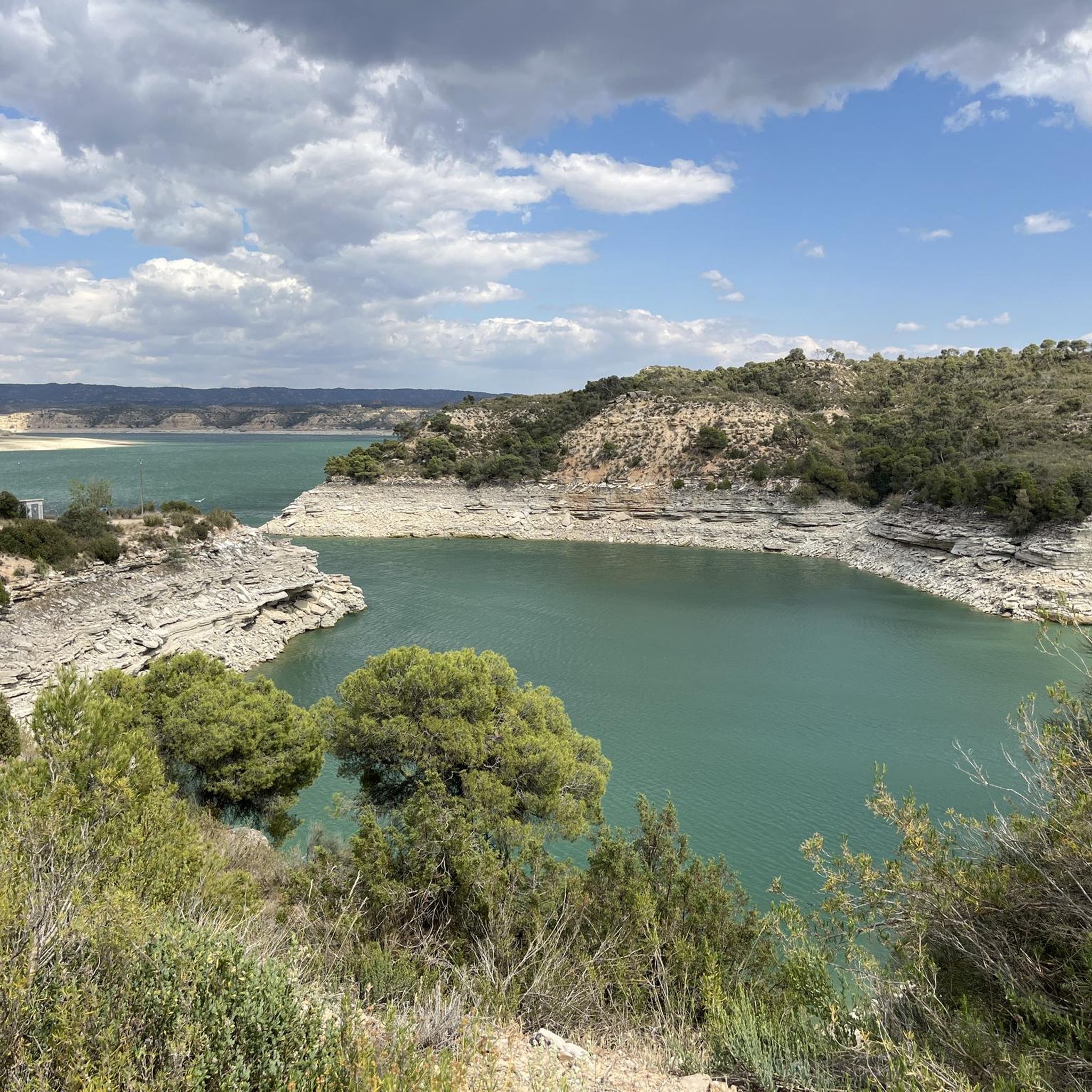
Hiking around Caspe offers diverse landscapes shaped by the convergence of the Iberian Range and the Catalonian Coastal Range. The region features a mix of terrains, including areas along the Ebro River and the vast Mequinenza reservoir, often referred to as the "Sea of Aragon." Hikers can explore routes through lush forests, rock formations, and more arid sections, with geological structures providing varied scenery.
Best hiking trails around Caspe
- The most popular hiking route is Embalse de Maquinenza — circular…
Last updated: July 7, 2026
4.7
(3)
11
hikers
13.5km
03:33
120m
120m
Moderate hike. Good fitness required. Easily-accessible paths. Suitable for all skill levels.
5
hikers
5.98km
01:39
100m
100m
Hike the easy 3.7-mile Torre de Salamanca from Caspe circular trail for panoramic views and a glimpse into history.

Sign up for free
3
hikers
23.7km
06:12
180m
180m
This difficult 14.7-mile (23.7 km) hiking loop around Mequinenza Reservoir offers diverse terrain, historical sites, and panoramic views.
Easy hike. Great for any fitness level. Easily-accessible paths. Suitable for all skill levels.
12.6km
03:16
60m
60m
Hike a moderate 7.9-mile (12.6 km) loop around Embalse de Caspe to explore the ancient Necrópolis de la Loma de Los Brunos.
Get access to more routes and recommendations from other explorers.
Sign up for free
Already have an account?
Our route recommendations are based on thousands of hikes, rides, and runs completed by other people on komoot.
Start today with a free account
Your next adventure awaits.
Login or Signup



Tips from the Community

The so-called "Tower of Salamanca", "Fortress of Salamanca" or "Tower of the Head of Monteagudo" is an optical telegraphy and rifle tower built in 1875 by General Manuel de Salamanca y Negrete (from whom it takes its name) as part of the Third Carlist War was built.
7
0

Located opposite a beautiful square, where the city also begins.
3
0
Beautiful castle located high in the city
4
0

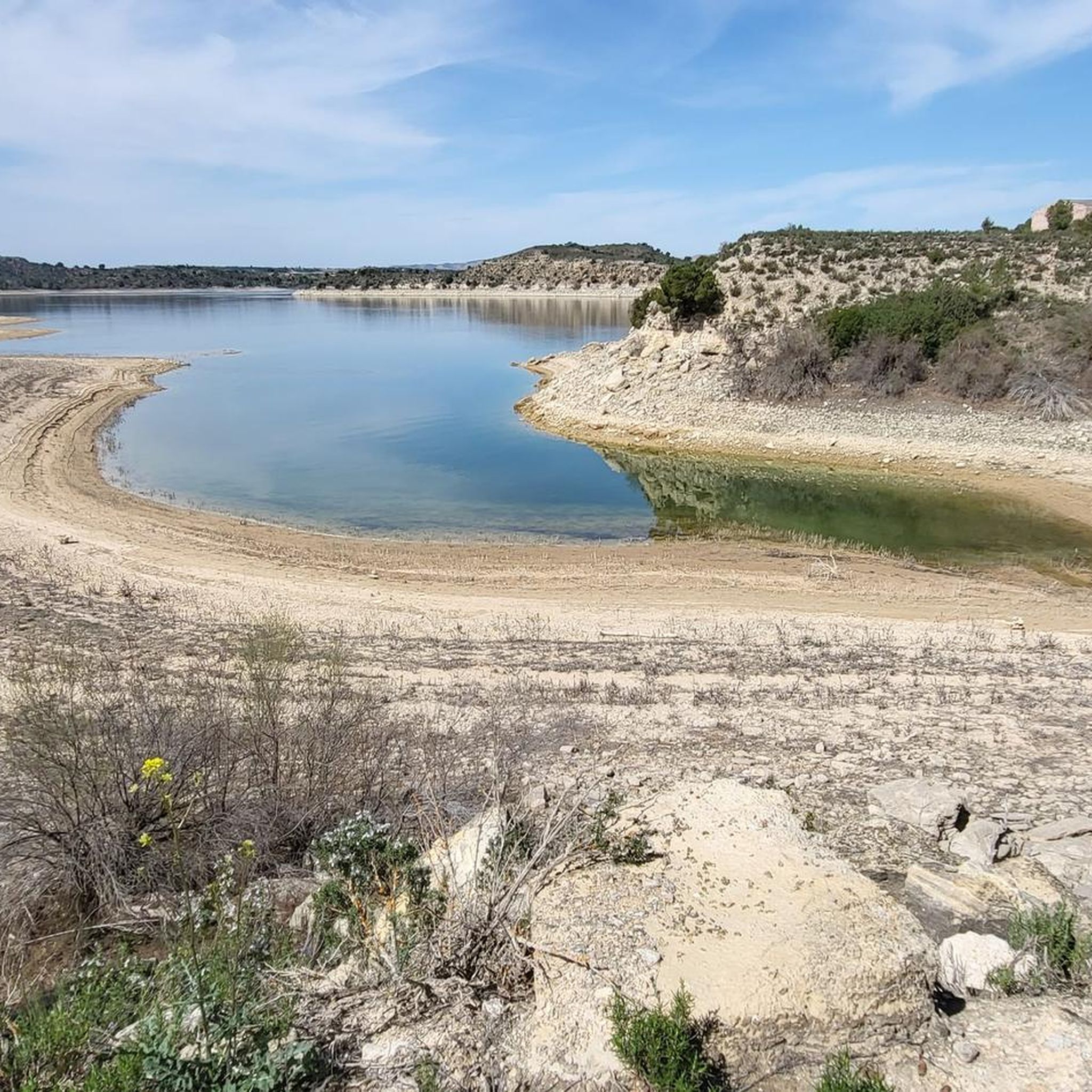
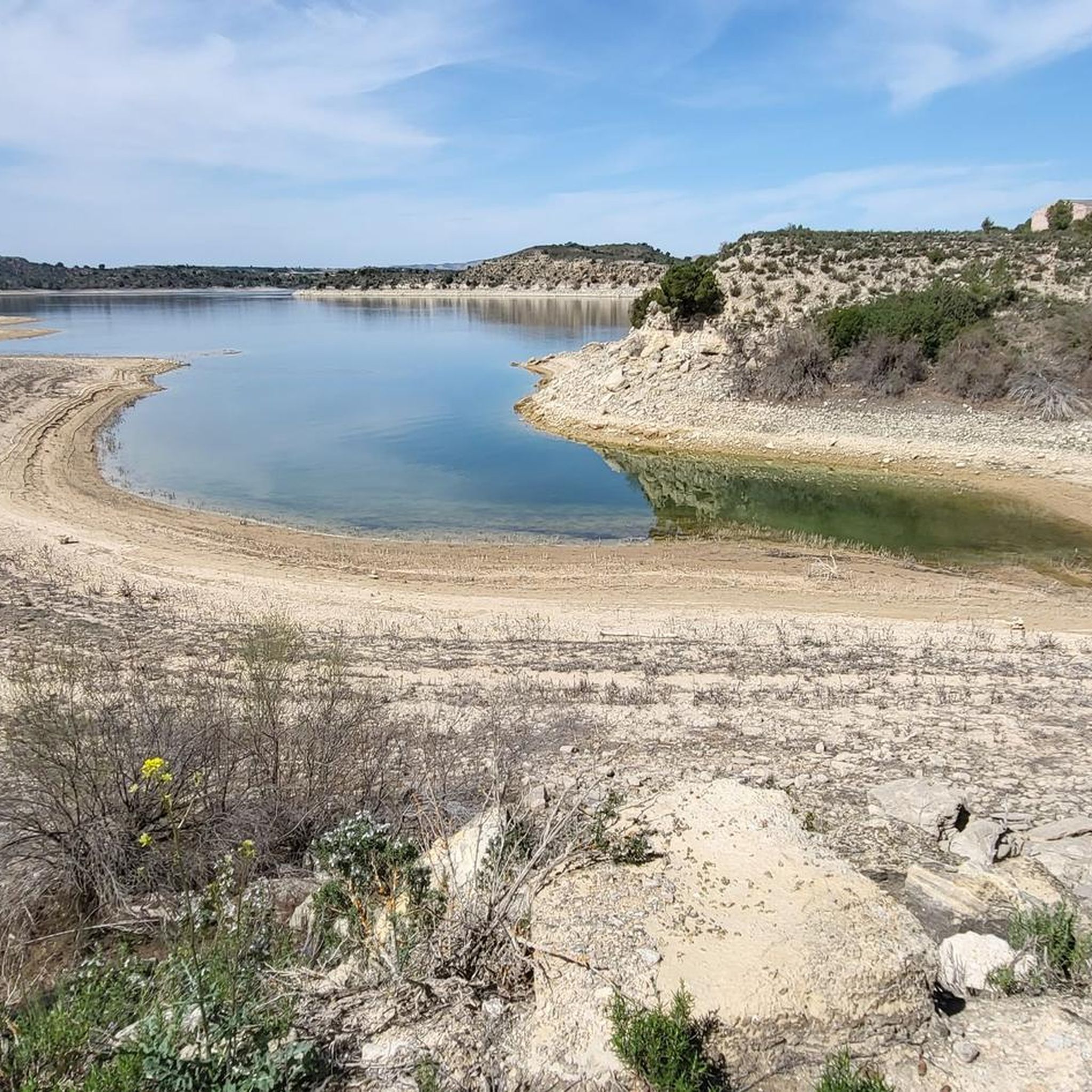
The Maquinenza reservoir is one of the swamps located between the Aragonese and Catalan provinces. Its body meanders along a depressed and dry area for many months of the year, where the contrast of the water with the whitish soils makes it very careful and beautiful!
0
0
On the side of the same path, in a crowded space, this statue stands in recognition of the International Brigades that participated in the Battle of Caspe in 1938 during the Spanish Civil War.
0
0
Beautiful bridge that is located in the old middle of the Río Guadalope, where it is located in an area with little forest mass and where the river has created large walls of sand on both sides of the bank.
0
0
The shelter of the Plano del Pulido is a place where cave paintings are found and where it is part of the set of cave paintings of the peninsular arch, listed as a World Heritage Site by Unesco.
0
0
Of probably Iberian origin, with almost nothing and no one in the area, this group of buildings appear that are currently located close to the Civán Reservoir. Spectacular space and tombs with a Necropolis.
0
0
Frequently Asked Questions
What kind of landscapes can I expect to see while hiking in Caspe?
Hiking around Caspe offers a diverse range of landscapes. You'll find trails along the majestic Ebro River and the expansive Mequinenza reservoir, often called the "Sea of Aragon." The region also features a mix of lush forests, unique rock formations, and more arid, desert-like sections, shaped by the convergence of the Iberian and Catalonian Coastal Ranges.
Are there historical sites or ancient ruins I can explore on the trails?
Yes, Caspe is rich in history, and many trails incorporate historical sites. You can explore ancient Roman ruins and Iberian archaeological sites like Loma de Los Brunos. The Salamanca Tower and Compromise Castle Trail offers panoramic views and historical context, including the remains of Bailio Castle. You can also find prehistoric cave paintings at Plano del Pulido, a UNESCO World Heritage Site.
Are there any easy or family-friendly hiking routes in Caspe?
Absolutely. Caspe offers several easy routes suitable for families or those looking for a relaxed stroll. For example, the Salamanca Tower and Compromise Castle Trail is an easy 3.7-mile (6.0 km) path that provides scenic views and historical interest. There are 6 easy routes in total, perfect for a leisurely day out.
Can I find circular hiking routes in the Caspe area?
Yes, circular routes are a popular option in Caspe. One notable example is the Embalse de Maquinenza — circular by the Río Ebro, an 8.4-mile (13.5 km) trail offering views of the Mequinenza reservoir. Another is the Ebro Natural Trail: Mequinenza Reservoir Loop, a longer 14.7-mile (23.7 km) option.
What natural features or viewpoints can I discover on hikes around Caspe?
The region is known for its natural beauty. You'll encounter the vast Sea of Aragon (Mequinenza reservoir) and the Ebro River itself. Trails often lead to viewpoints offering panoramic vistas of the river valley and surrounding rugged terrain. Geological formations are also a prominent feature, providing unique scenery for hikers.
What do other hikers say about the trails in Caspe?
The hiking trails in Caspe are highly regarded by the komoot community, with an average rating of 4.2 stars from over 10 reviews. Hikers often praise the diverse scenery, the combination of natural beauty with historical sites, and the variety of routes available for different fitness levels.
Are there any trails that follow the Ebro River?
Yes, the Ebro River is a central feature of the region's hiking. The Embalse de Maquinenza — circular by the Río Ebro trail follows sections of the river, and the long-distance Ebro Natural Trail (GR 99) also passes through Caspe, offering extensive riverside experiences.
When is the best time of year to go hiking in Caspe?
Caspe experiences a Mediterranean climate with hot, dry summers and mild winters. Spring (April-May) and autumn (September-October) are generally the most pleasant times for hiking, offering comfortable temperatures and beautiful scenery. Summers can be very hot, making early morning or late afternoon hikes preferable, while winters are mild enough for hiking, though some trails might be muddy after rain.
Are there options for both shorter walks and longer, more challenging treks?
Yes, Caspe caters to various preferences. For shorter walks, there are 6 easy routes, such as the 3.7-mile Salamanca Tower and Compromise Castle Trail. For more challenging and longer treks, you can explore routes like the 14.7-mile (23.7 km) Ebro Natural Trail: Mequinenza Reservoir Loop, which is classified as difficult.
What kind of archaeological sites can I visit near Caspe?
Beyond the well-known Roman and Iberian sites, you can visit the Roman Mausoleum of Fabara, which is a significant historical monument. The region also features prehistoric cave paintings at Plano del Pulido, recognized as a UNESCO World Heritage Site, offering a glimpse into ancient human activity.
Is it possible to hike with dogs on the trails in Caspe?
Many outdoor areas in Spain, including those around Caspe, are generally dog-friendly, especially on natural trails. However, it's always recommended to keep dogs on a leash, especially in areas with wildlife or livestock, and to check for specific local regulations or signage on individual routes or protected areas. Always carry water for your dog and clean up after them.
Are there any trails that feature unique geological formations?
Yes, the geological structure of Caspe, formed by the convergence of the Iberian Range and the Catalonian Coastal Range, has created interesting rock formations and varied terrain. Many routes traverse these rugged sections, offering unique geological scenery for those with an appreciation for such landscapes.
Most popular attractions around Caspe

Get inspired with the komoot mobile app


Explore more
Browse the best Hikes in other regions.
