Attractions and Places To See around Murtas - Top 20
Best attractions and places to see around Murtas encompass a range of notable landmarks, natural features, and cultural sites. Situated in the Granada Province of Andalucía at over 1,500 meters altitude, the area offers expansive views from the Sierra Nevada peaks to the Mediterranean coast. Visitors can explore historical villages, significant religious monuments, and diverse natural landscapes. The region's architectural style reflects typical Alpujarra village features and a Moorish past.
Best attractions and places to see around Murtas
- The most…
Last updated: June 29, 2026
Coastal Road from La Rábita to Adra
Highlight (Segment) • Cycleway
Translated by Google •
Tip by

Bérchules
Highlight • Settlement
Translated by Google •
Tip by

Sign up now to discover places like this
Get recommendations on the best single tracks, peaks, & plenty of other exciting outdoor places.
Sign up for free
Yegen
Highlight • Settlement
Translated by Google •
Tip by

Ugíjar Town Center
Highlight • Settlement
Translated by Google •
Tip by
Juviles Clock Tower
Highlight • Monument
Translated by Google •
Tip by
Sign up for free to discover even more attractions around Murtas.
Sign up for free
Already have an account?
Start today with a free account
Your next adventure awaits.
Login or Signup

Tips from the Community

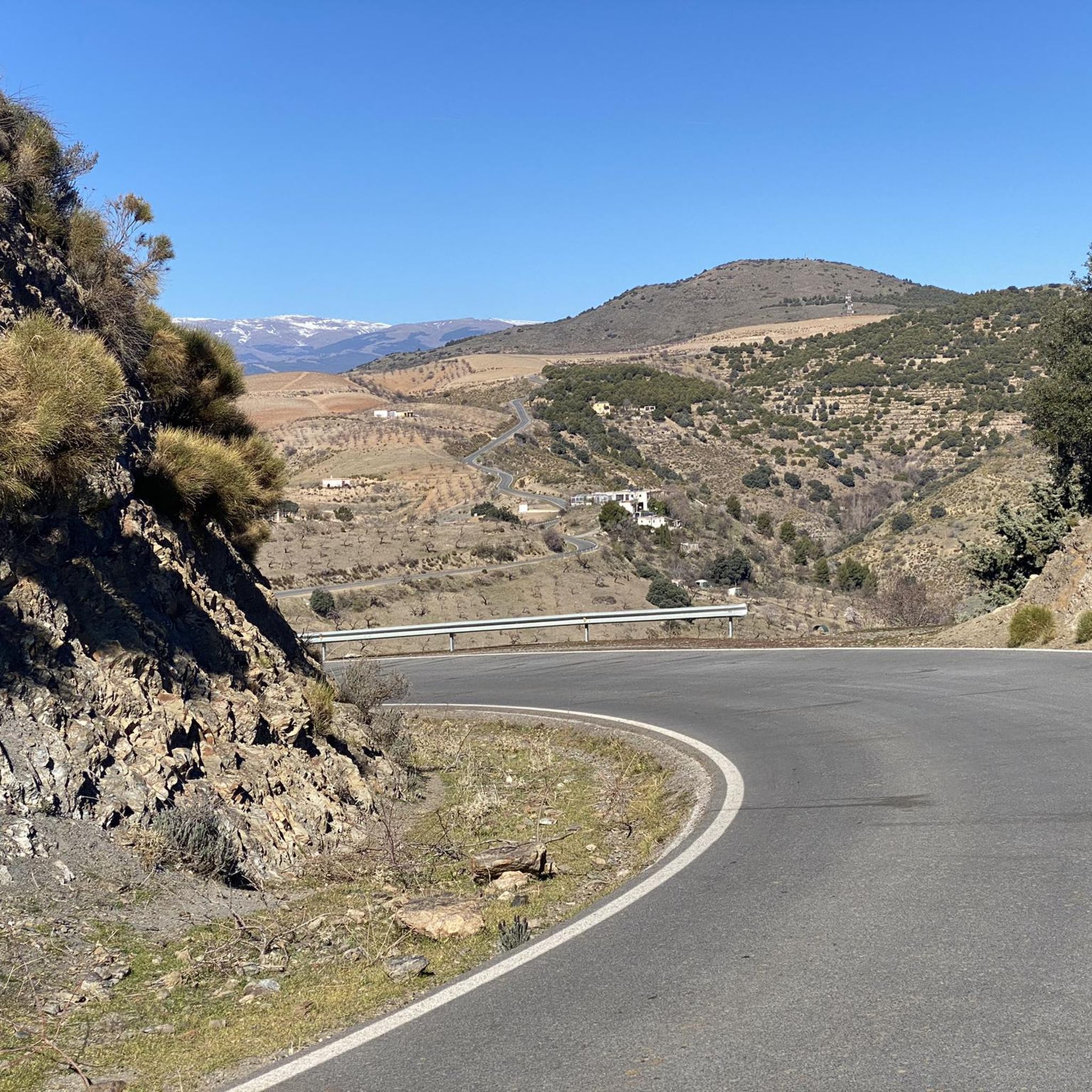
This route is a route to the mayor of almost all levels, the route starts from Calahonda- to the port of Adra with the road bike we can enjoy the fabulous views that the terrain next to the cliffs offers us while we pedal, it is a road that Vehicle traffic has already decreased considerably after the completion of the Motril to Almería highway. The round trip route from Calahonda is a total of 85 km more or less with a cumulative drop of 1200m more or less. I recommend it.
0
0

Very good to sometimes extremely bad asphalt (2023) but very nice coastal road with very little traffic (there is only a lot going on between Adra and the motorway junction). This section is mostly flat.
0
0

This town was the capital of the Nasrid taha of the same name and had a flourishing weaving industry (in La Alpujarra a lot of mulberry was cultivated to feed the silkworms). About her, a Swiss once wrote: "Ugíjar will provide an ineffable memory to those who love and understand the language of stones, of houses steeped in history and of the town that carries in its soul the nostalgia of an almost fabled past".
3
0
The British writer Gerald Brenen, in love with La Alpujarra, settled in this town. He was known in town as Don Gerardo and after staying in a boarding house that is still in operation, he went on to rent a house now called the Casa del Inglés. About Yegen, Brenen wrote: “There was something about the place that appealed to me. It was a poor village, high above the sea, with an immense panorama in front of it. Its gray cube-shaped houses, in jagged Le Corbusier style, swooping down the hillside and clinging to each other, with their flat clay roofs and small smoky chimneys, suggested something built by insects.
2
0
This town is another good place, like so many in this area, to rethink the history of the reconquest. In the specific case of Juviles, it was ordered to be destroyed by King Ferdinand the Catholic due to the resistance he had shown. Later, due to the protection offered by its people to the Moors, they were all exiled and the town was repopulated with Castilian settlers.
3
0

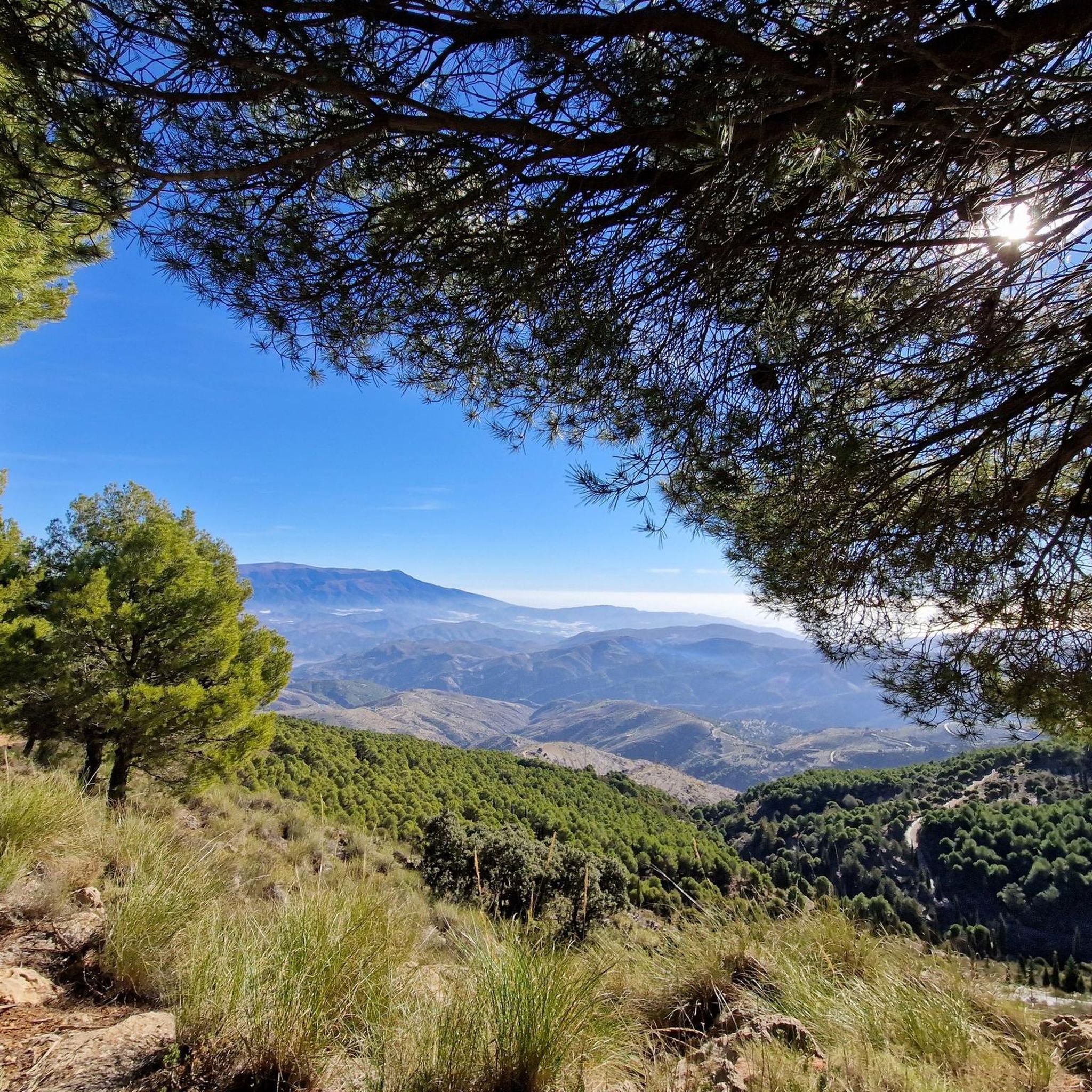
Bérchules is a typical village in the Alpujarra mountains of Granada.
0
0
Frequently Asked Questions
What historical and cultural sites can I explore in Murtas?
Murtas offers a rich history with several notable sites. You can visit the neoclassical Iglesia de San Miguel, the 19th-century Ermita de la Santa Cruz, and the restored 18th-century Lavadero. The remains of Castillo de Juliana provide a glimpse into the area's past. For art enthusiasts, Museo El Pradillo houses reproductions of famous paintings. Additionally, the Bodega Cuatro Vientos and Wine Interpretation Center offers insights into local wine traditions. Don't miss the traditional Alpujarra villages like Bérchules, Yegen, and Ugíjar Town Center, each with unique historical significance.
Where can I find the best panoramic views around Murtas?
For breathtaking panoramic views, head to Cerrajón de Murtas, the highest peak in the Sierra de la Contraviesa at 1,508 meters. From here, you can see from the Sierra Nevada peaks all the way to the Mediterranean coast. Other excellent spots include the Viewpoint Cerrajón de Murtas and the Viewpoint de la Santa Cruz.
Are there any natural caves to explore near Murtas?
Yes, Murtas is known for its numerous caves. The most popular ones include La Gotera on the north face of Cerrajón and La Vieja on the south side, near the Fuente de Inotes spring. Another large cave is situated behind the Venta del Chaleco, in the Cerro del Minchal. Other notable caves are Cueva del Patio and Cueva del Cortijo.
What kind of outdoor activities can I do around Murtas?
Murtas is ideal for outdoor enthusiasts. You can enjoy various activities such as hiking, mountain biking, and road cycling. There are numerous trails for countryside walks, including Sendero de la Solana, Sendero del Cerrajón, Sendero Mecina Tedel-Cojayar, Sendero El Arroyo, Sendero Ruta de los Molinos, and Ruta del Vino. For more detailed routes, explore the hiking guide, MTB trails guide, and cycling guide for the area.
Are there family-friendly attractions or activities in Murtas?
Yes, several attractions around Murtas are suitable for families. Exploring the traditional villages like Bérchules, Ugíjar Town Center, and the Juviles Clock Tower offers an engaging historical experience. Gentle countryside walks and visiting the restored Lavadero can also be enjoyable for families. The natural beauty and viewpoints provide great opportunities for outdoor family time.
What is the best time to visit Murtas for hiking and outdoor activities?
Murtas, situated at over 1,500 meters altitude, offers pleasant conditions for hiking and outdoor activities during spring and autumn. These seasons typically provide milder temperatures, making it comfortable to explore the trails and enjoy the panoramic views. Summer can be warm, while winter might bring colder temperatures, especially at higher elevations.
Can I find easy hiking trails around Murtas?
Yes, there are various hiking options around Murtas, including trails suitable for different difficulty levels. While some routes like 'Cerrajón de Murtas — circular desde Murtas' are difficult, you can find easier options. For instance, the 'Ugíjar – Ugíjar Town Center loop from Ugíjar' is rated as easy. You can explore the hiking guide for Murtas to find trails that match your desired difficulty.
What is special about the village of Yegen?
Yegen is particularly known for its connection to the British writer Gerald Brenan, who lived there and wrote about his experiences in La Alpujarra. He described its 'gray cube-shaped houses, in jagged Le Corbusier style, swooping down the hillside and clinging to each other, with their flat clay roofs and small smoky chimneys.' The village offers an immense panorama high above the sea.
Are there any notable architectural features in the villages around Murtas?
The villages around Murtas, including Bérchules and Yegen, showcase typical Alpujarra architecture. This style is characterized by houses adapted to the terrain, often with flat clay roofs and a palpable Moorish heritage. The narrow streets and traditional designs reflect the region's rich history and cultural influences.
What is the Coastal Road from La Rábita to Adra like for cycling?
The Coastal Road from La Rábita to Adra is a scenic route offering fabulous views of the cliffs and the Mediterranean. It's generally a coastal road with very little traffic, especially since the completion of the Motril to Almería highway. While some sections may have varying asphalt quality, it's mostly flat and suitable for road cycling, with a round trip from Calahonda covering approximately 85 km with a cumulative drop of 1200m.
What is the significance of Ugíjar Town Center?
Ugíjar Town Center was historically the capital of a Nasrid taha and was renowned for its flourishing weaving industry, supported by extensive mulberry cultivation for silkworms. Its architecture carries the 'nostalgia of an almost fabled past,' making it a significant historical site for those interested in the region's Moorish heritage and traditional industries.
Most popular attractions around Murtas

Get inspired with the komoot mobile app


Explore more
Still not found the Highlight you’re looking for? See guides of the top attractions in other regions:
