Attractions and Places To See around Vilafranca / Villafranca del Cid - Top 20
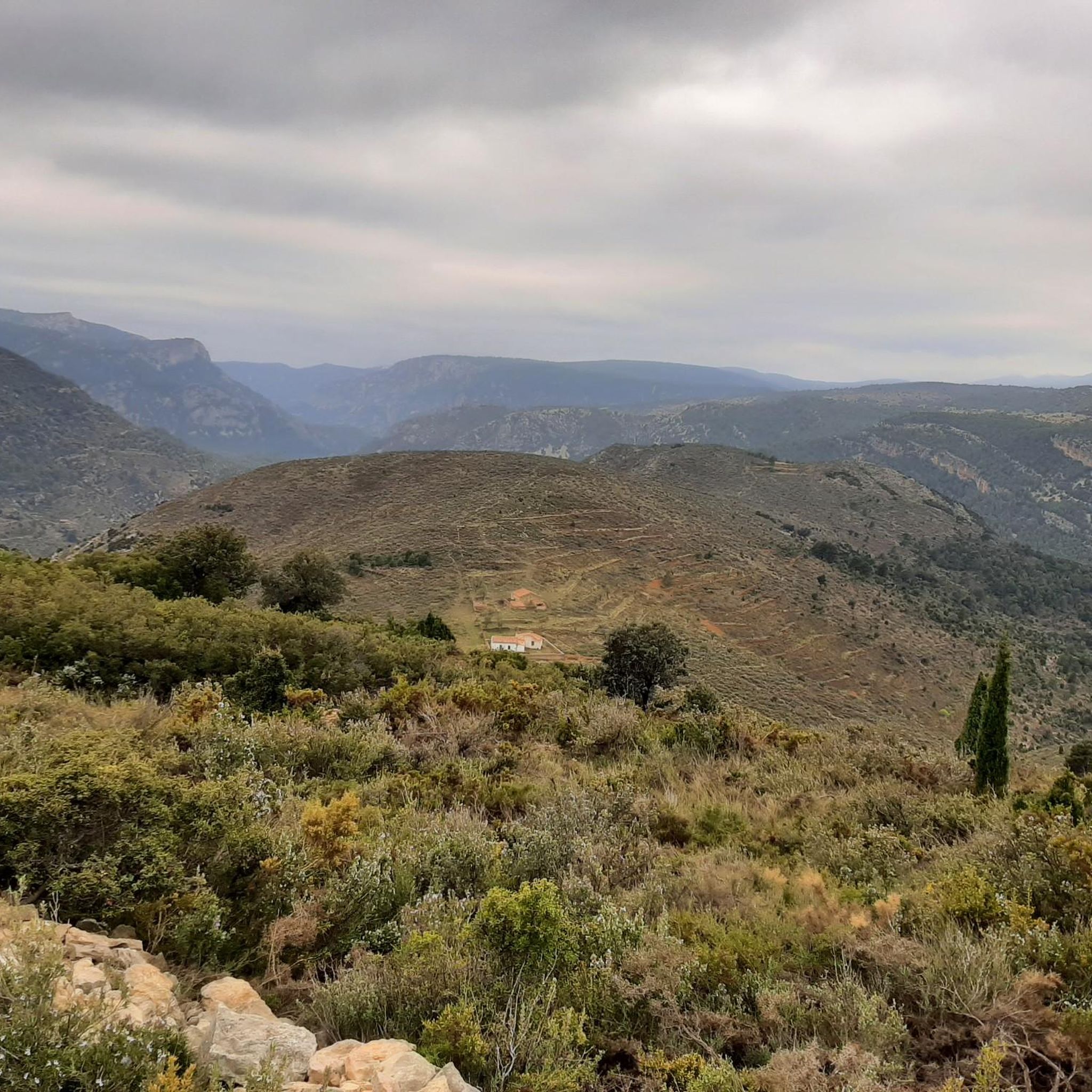
Best attractions and places to see around Vilafranca / Villafranca del Cid offer a blend of historical sites, cultural heritage, and natural landscapes. Situated at an altitude of 1,125 meters, the area is characterized by rugged terrain, calcareous rocks, and diverse flora. Visitors can explore notable landmarks, traditional dry-stone constructions, and impressive natural features like the Coves del Forcall. The region's long history, including medieval influences and traditional architecture, makes it a destination for those interested in both nature and heritage.
Best attractions and places to see around Vilafranca / Villafranca del Cid
- The most popular attractions is Iglesuela del Cid, a settlement that offers a lot to visit and several paths to explore the area. Its historic center preserves a distinct medieval atmosphere with remains of walls, gateways, and stately mansions.
- Another must-see spot is Cantavieja, a settlement that combines history, nature, and culture. Visitors can experience a journey back to medieval times, with tranquility and picturesque corners throughout the town.
- Visitors also love Church of the Assumption of Our Lady (Ares del Maestre), a religious building in Baroque style. Built on the remains of a 15th-century church, it features an 18th-century facade and a bell tower.
- Vilafranca / Villafranca del Cid is known for its historical sites, traditional settlements, and natural features. The area offers a variety of attractions, from medieval villages and religious buildings to unique dry-stone constructions and impressive limestone caves.
- The attractions around Vilafranca / Villafranca del Cid are appreciated by the komoot community, with more than 10 upvotes and 17 photos shared.
Last updated: May 9, 2026
Church of the Assumption of Our Lady (Ares del Maestre)
Highlight • Religious Site
Translated by Google •
Tip by

Iglesuela del Cid
Highlight • Settlement
Translated by Google •
Tip by

Sign up now to discover places like this
Get recommendations on the best single tracks, peaks, & plenty of other exciting outdoor places.
Sign up for free
Cantavieja
Highlight • Settlement
Translated by Google •
Tip by

Culla Historic Village
Highlight • Historical Site
Translated by Google •
Tip by
Vistabella del Maestrat
Highlight • Settlement
The origin of this population is Muslim, since Vistabella belonged to the castle of Culla. Vistabella has witnessed numerous historical events, such as the battle in 1812 against General Suchet during the Spanish war of independence, or important episodes of the Carlist wars, becoming the headquarters of the newspaper printing company of the time such as "Vanguardia". or "Flyer of War".
Of its heritage, its castle stands out, of which a tower remains and part of the wall and the church of the Assumption, from the 17th century, one of the most important samples of Renaissance art in the Valencian territory. Part of the wall and two of the four entrances to the nucleus, the Forn and San Roc portals, have been preserved. Another important architectural sample is the palace house of Polo, from the 18th century, the prison and palace of King Pedro the Ceremonious, from the 14th century, the hermitage of San Antonio, from the 18th century.
Translated by Google •
Tip by

Sign up for free to discover even more attractions around Vilafranca / Villafranca del Cid.
Sign up for free
Already have an account?
Start today with a free account
Your next adventure awaits.
Login or Signup
Popular around Vilafranca / Villafranca del Cid
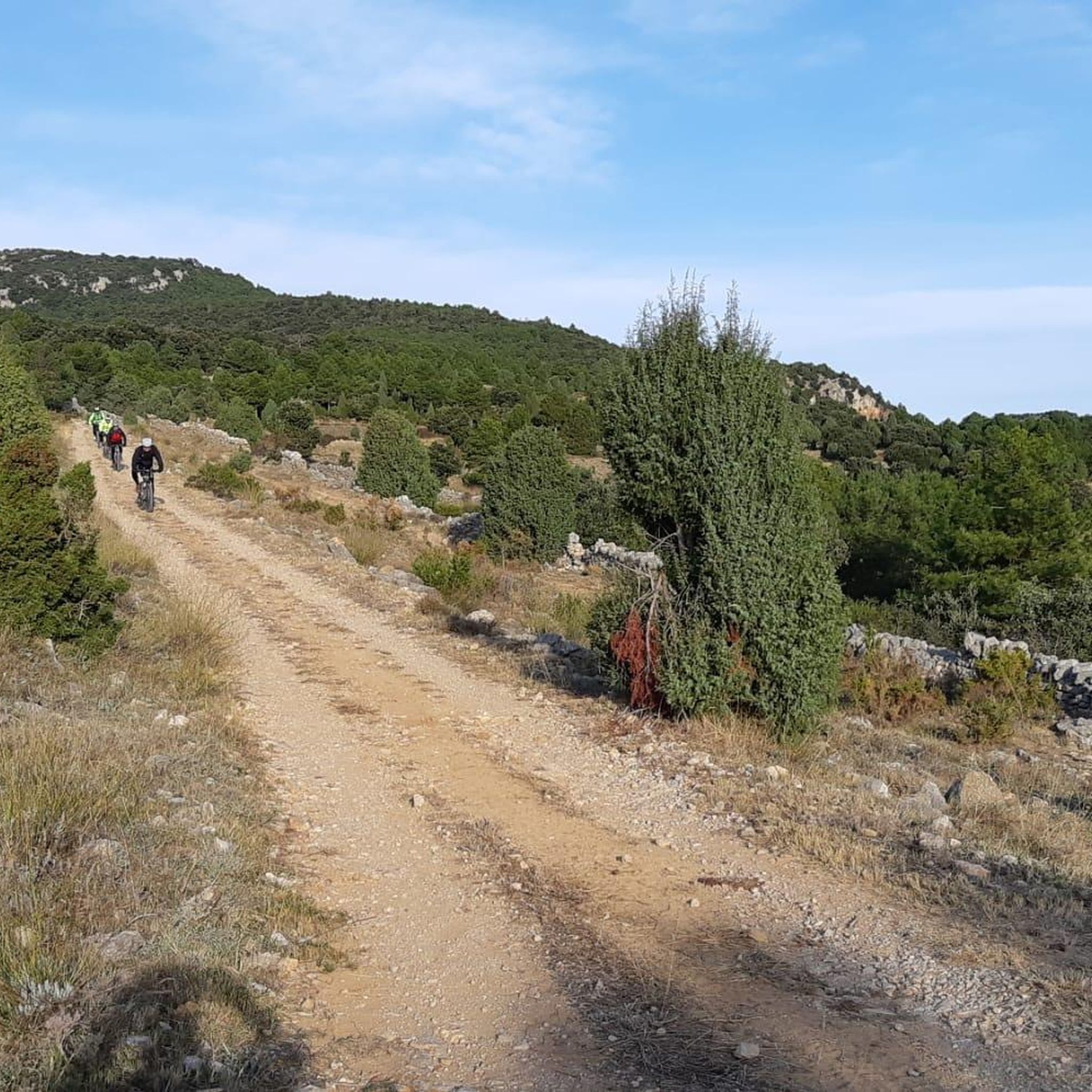
Road Cycling Routes around Vilafranca / Villafranca del Cid
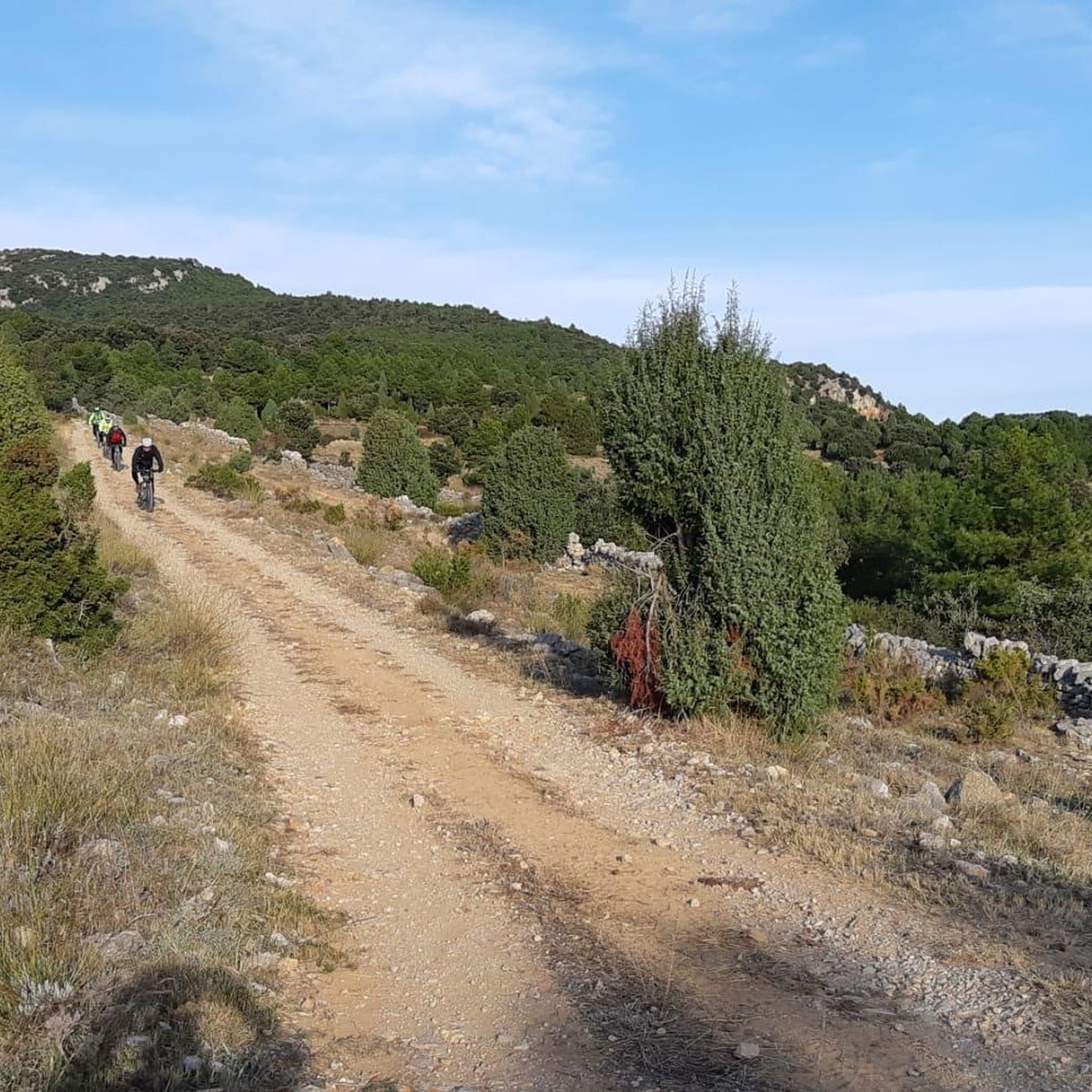
MTB Trails around Vilafranca / Villafranca del Cid
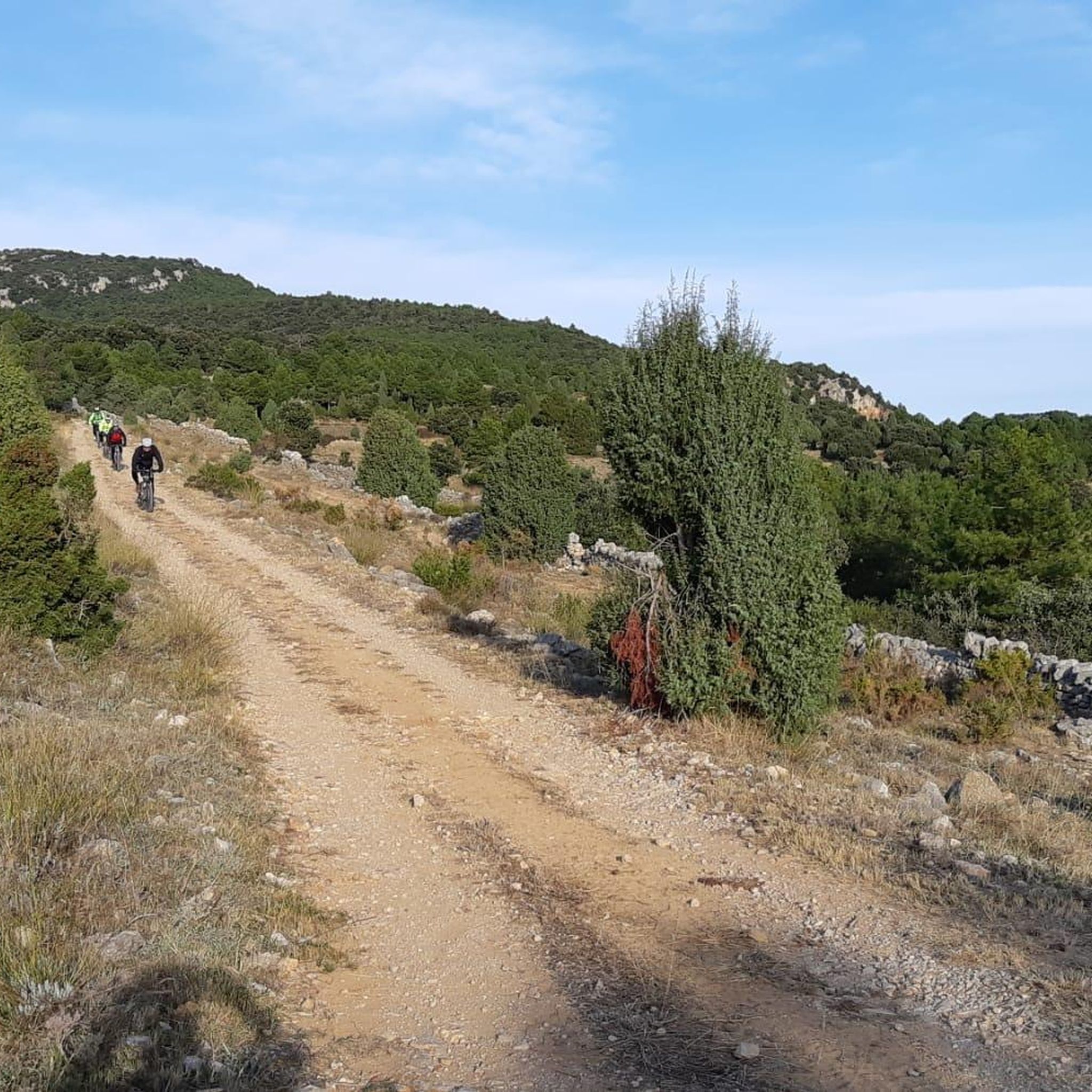
Cycling around Vilafranca / Villafranca del Cid
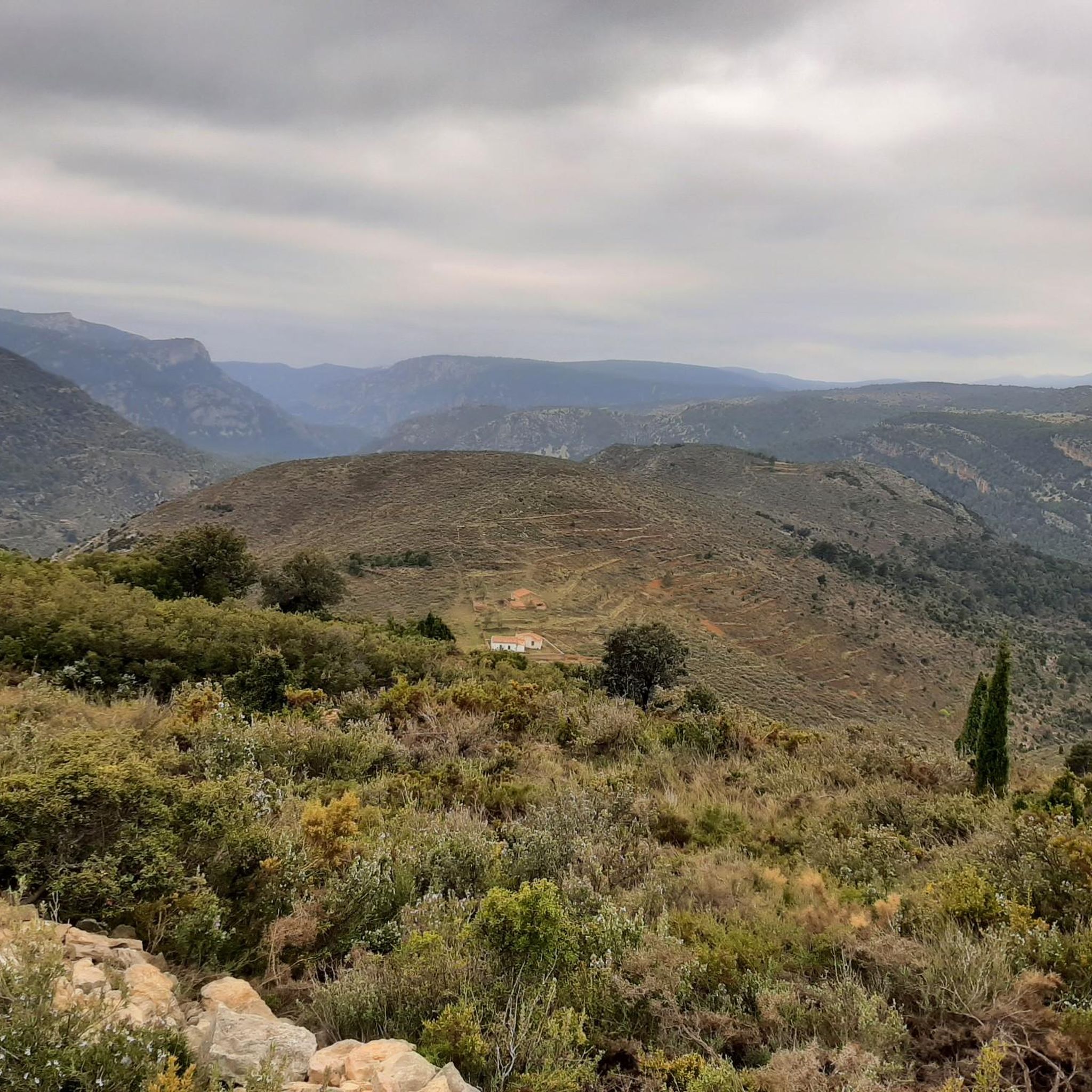
Running Trails around Vilafranca / Villafranca del Cid
Hiking around Vilafranca / Villafranca del Cid

Gravel biking around Vilafranca / Villafranca del Cid
Tips from the Community

Separate place just before a large rock outcrop. Nice effort, worth visiting.
0
0

La Iglesuela del Cid is a town brimming with character, located in the heart of the Maestrazgo region of Teruel at an altitude of over 1,200 meters. Its historic center preserves a distinct medieval atmosphere with remains of walls, gateways, and stately mansions such as the Matutano-Daudén Palace, now an inn. Also noteworthy are the Church of the Purificación and the Sanctuary of the Virgen del Cid, both linked to the tradition of El Campeador. Cycling through its cobbled streets and surrounding countryside allows you to discover the dry-stone architecture typical of the area, with old huts and walls that still mark the landscape.
1
0

The Església Parroquial de l’Assumpció in Ares del Maestrat is a beautiful example of Baroque architecture. Built between 1717 and 1735, this church stands on the remains of an older Gothic-Romanesque church that was destroyed during the War of the Spanish Succession in 1707. The church is located in the centre of the village, next to the remains of the castle, making it a point of interest both historically and architecturally.
5
0

Beautiful church in Ares del Maestrat
3
1
Beautiful village located on the GR7 hiking trail.
1
0
Cantavieja is a captivating destination that promises a unique combination of history, nature and culture in the heart of the province of Teruel.
10
0

It is part of the Most Beautiful Towns in Spain and is undoubtedly worth visiting. Very quiet and small, which allows you to explore it even if you are passing through the area. Walk through its little streets and feel like you are traveling back in time to the time of the Templars!
2
0

Municipality of the Alt Maestrat region, in the province of Castellón (Valencian Community). It is located in the middle of the Penyagolosa massif, limiting to the north with the province of Teruel. The origin of this population is Muslim, since Vistabella belonged to the castle of Culla. Vistabella has witnessed numerous historical events, such as the battle in 1812 against General Suchet during the Spanish war of independence, or important episodes of the Carlist wars, becoming the headquarters of the newspaper printing company of the time such as "Vanguardia". or "Flyer of War". Of its heritage, its castle stands out, of which a tower remains and part of the wall and the church of the Assumption, from the 17th century, one of the most important samples of Renaissance art in the Valencian territory. Part of the wall and two of the four entrances to the nucleus, the Forn and San Roc portals, have been preserved. Another important architectural sample is the palace house of Polo, from the 18th century, the prison and palace of King Pedro the Ceremonious, from the 14th century, the hermitage of San Antonio, from the 18th century.
1
0
Frequently Asked Questions
What historical settlements can I visit near Vilafranca del Cid?
The region boasts several historical settlements. You can explore Iglesuela del Cid, known for its distinct medieval atmosphere with remains of walls and stately mansions. Another captivating destination is Cantavieja, which offers a journey back to medieval times with its picturesque corners. Don't miss Culla Historic Village, a beautiful medieval town with a notable castle, or Vistabella del Maestrat, which features a castle tower and parts of its ancient wall.
Are there any notable natural features or landscapes to explore around Vilafranca del Cid?
Yes, the area is rich in natural beauty. You can visit the impressive Coves del Forcall, located about two kilometers from the town, which are limestone formations with whimsical shapes and 16 cavities. The Barranc de la Fos (La Fos Gorge) and Regatxal fountain also offer opportunities for nature lovers. The landscape itself is characterized by thousands of kilometers of dry-stone walls and hundreds of huts, showcasing a unique ethnographic space amidst rugged terrain and diverse flora.
What cultural sites are there within Vilafranca del Cid itself?
In Vilafranca del Cid, you can explore the Parish Church of Santa María Magdalena, a 16th-century Valencian Renaissance temple. The Gothic Town Hall, a 13th-century palace, now houses the Tourist Office. The Museum of Dry Stone, located in the old 14th-century Lonja, explains the fascinating dry-stone building technique. Other sites include the Ermita de la Virgen del Llosar and the Ermita de Santa Bárbara, an 18th-century Baroque church.
What kind of outdoor activities can I do near these attractions?
The rugged terrain and natural surroundings of Vilafranca del Cid offer excellent opportunities for outdoor activities. You can find numerous routes for cycling, gravel biking, and mountain biking. For cycling, explore options like the 'Pobla de Bellestar – Villafranca del Cid loop' by visiting the Cycling around Vilafranca / Villafranca del Cid guide. For gravel biking, consider routes such as the 'Historic Center of Benassal – Villafranca del Cid loop' in the Gravel biking around Vilafranca / Villafranca del Cid guide. Mountain biking enthusiasts can check out trails like the 'Conquest Trail (GR 331)' in the MTB Trails around Vilafranca / Villafranca del Cid guide.
Are there family-friendly attractions or activities in the area?
Yes, several attractions are considered family-friendly. The historical settlements of Iglesuela del Cid and Cantavieja offer charming streets and a medieval atmosphere that can be engaging for families. Exploring the natural formations of the Coves del Forcall can also be an exciting adventure for all ages.
What is the significance of dry-stone constructions in Vilafranca del Cid?
Dry-stone constructions are a hallmark of the region's heritage. The Museum of Dry Stone in Vilafranca del Cid is dedicated to explaining this fascinating building technique, which has been declared an Intangible Cultural Heritage by UNESCO. Beyond the museum, the landscape itself is dotted with thousands of kilometers of dry-stone walls and hundreds of huts built using this traditional method, showcasing a unique ethnographic space.
What historical buildings can I see in Vilafranca del Cid's town center?
The historic center of Vilafranca del Cid is rich with traditional streets and blazoned houses, such as Casa de los Peñarroya and Casa Brusca. You can also find the Gothic Town Hall, the Parish Church of Santa María Magdalena, the San Roque Gate (a preserved medieval town gate from the 14th century), the Gothic town oven, and the Old Hospital (Hospital de Caridad).
When is the best time to visit Vilafranca del Cid for outdoor activities?
Vilafranca del Cid, situated at an altitude of 1,125 meters, experiences a rugged landscape. For outdoor activities like hiking and cycling, spring and autumn generally offer the most pleasant weather with milder temperatures. Summers can be warm, while winters can be cold, making these shoulder seasons ideal for exploring the natural surroundings and trails.
How can I explore the medieval heritage of the region?
To immerse yourself in the medieval heritage, start by visiting the historic centers of towns like Iglesuela del Cid and Cantavieja, which retain a strong medieval character. In Vilafranca del Cid itself, explore the 13th-century Gothic Town Hall and the 14th-century San Roque Gate. The nearby Puebla del Bellestar, considered Vilafranca del Cid's first settlement, features a Gothic chapel and a 13th-century Gothic bridge over the Sellumbres ravine.
Are there any unique architectural features in the region beyond historical buildings?
Beyond the historical structures, Vilafranca del Cid also features some Art Nouveau buildings, reflecting the impact of the industrial revolution on the town. Additionally, the widespread dry-stone constructions, including walls and huts throughout the landscape, represent a unique and traditional architectural style that is integral to the region's identity.
What do visitors particularly enjoy about the attractions near Vilafranca del Cid?
Visitors appreciate the blend of history, nature, and culture. They often highlight the well-preserved medieval atmosphere of towns like Iglesuela del Cid and Cantavieja, noting the tranquility and picturesque corners. The unique dry-stone architecture and the impressive natural features like the Coves del Forcall are also frequently mentioned as captivating aspects of the region.
Most popular routes around Vilafranca / Villafranca del Cid
Most popular attractions around Vilafranca / Villafranca del Cid

Get inspired with the komoot mobile app


Explore more
Still not found the Highlight you’re looking for? See guides of the top attractions in other regions:
