The best walks and hikes around Sant Julià De Cerdanyola
4.7
(461)
4,172
hikers
209
hikes
Hiking around Sant Julià De Cerdanyola offers access to the mountainous landscapes of the Berguedà region in Catalonia, situated at approximately 1,000 meters above sea level. The area is characterized by the Catllaràs Mountain Range, dense forests of Scots pine and oak, and a network of trails within the "olla de Cerdanyola" valley. Hikers can explore varied terrain, from lower forest paths to higher ridges and peaks like Roc de la Clusa, which stands at 1,729 meters. The region also serves as a gateway to the Cadí-Moixeró Natural Park, providing diverse outdoor experiences.
Best hiking trails in Sant Julià De Cerdanyola
- The most popular hiking route is Nicolau Trail Tunnel 2 – Nicolau Suspension Bridge loop from Guardiola de Berguedà, a 8.4 miles (13.6 km) trail that takes 4 hours to complete, featuring a moderate ascent through varied terrain.
- Another top favourite among local hikers is Sant Esteve Church loop from Guardiola de Berguedà, a difficult 9.7 miles (15.6 km) path. This route includes significant elevation gain, offering expansive views of the surrounding mountains.
- Local hikers also love the Sant Esteve Church – Bagà loop from Guardiola de Berguedà, a 4.3 miles (7.0 km) trail leading through forest paths and open areas, often completed in about 1 hour 54 minutes.
- Hiking around Sant Julià De Cerdanyola is defined by mountainous ridges, dense forests, and access to the Cadí-Moixeró Natural Park. The network offers options for easy walks, moderate forest trails, and more challenging ascents to higher peaks.
- The routes in Sant Julià De Cerdanyola are highly rated by the komoot community with an average score of 4.7 stars from over 450 reviews. More than 4000 hikers have used komoot to explore Sant Julià De Cerdanyola's varied terrain.
Last updated: May 4, 2026
4.9
(9)
100
hikers
Moderate hike. Good fitness required. Mostly accessible paths. Sure-footedness required.
4.5
(8)
74
hikers
15.6km
05:38
840m
840m
Hard hike. Very good fitness required. Mostly accessible paths. Sure-footedness required.

Sign up for free
5.0
(3)
42
hikers
7.00km
01:54
100m
100m
Easy hike. Great for any fitness level. Easily-accessible paths. Suitable for all skill levels.
4.3
(3)
32
hikers
Moderate hike. Good fitness required. Mostly accessible paths. Sure-footedness required.
4.8
(6)
32
hikers
Moderate hike. Good fitness required. Mostly accessible paths. Sure-footedness required.
Get access to more routes and recommendations from other explorers.
Sign up for free
Already have an account?
Our route recommendations are based on thousands of hikes, rides, and runs completed by other people on komoot.
Start today with a free account
Your next adventure awaits.
Login or Signup

Tips from the Community


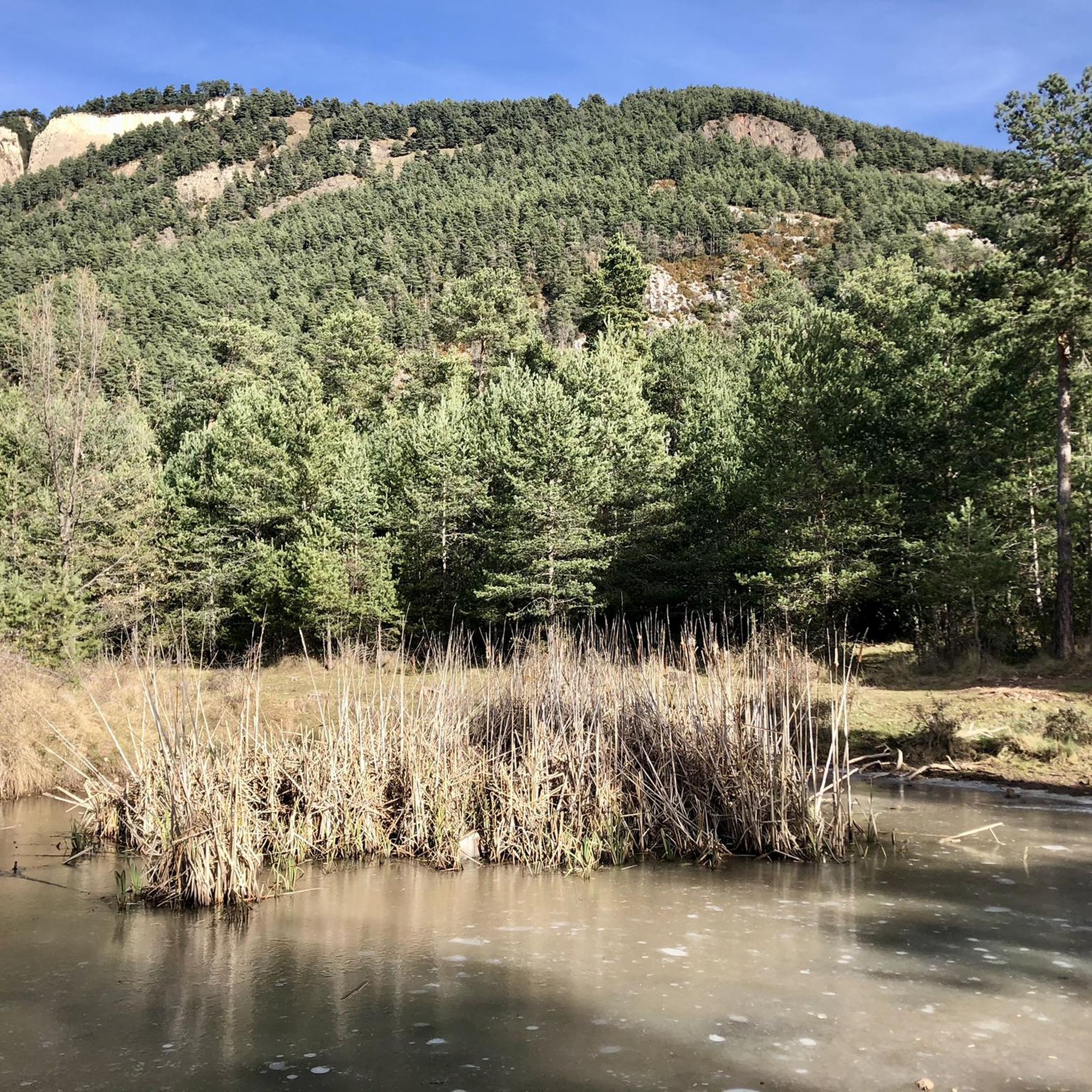
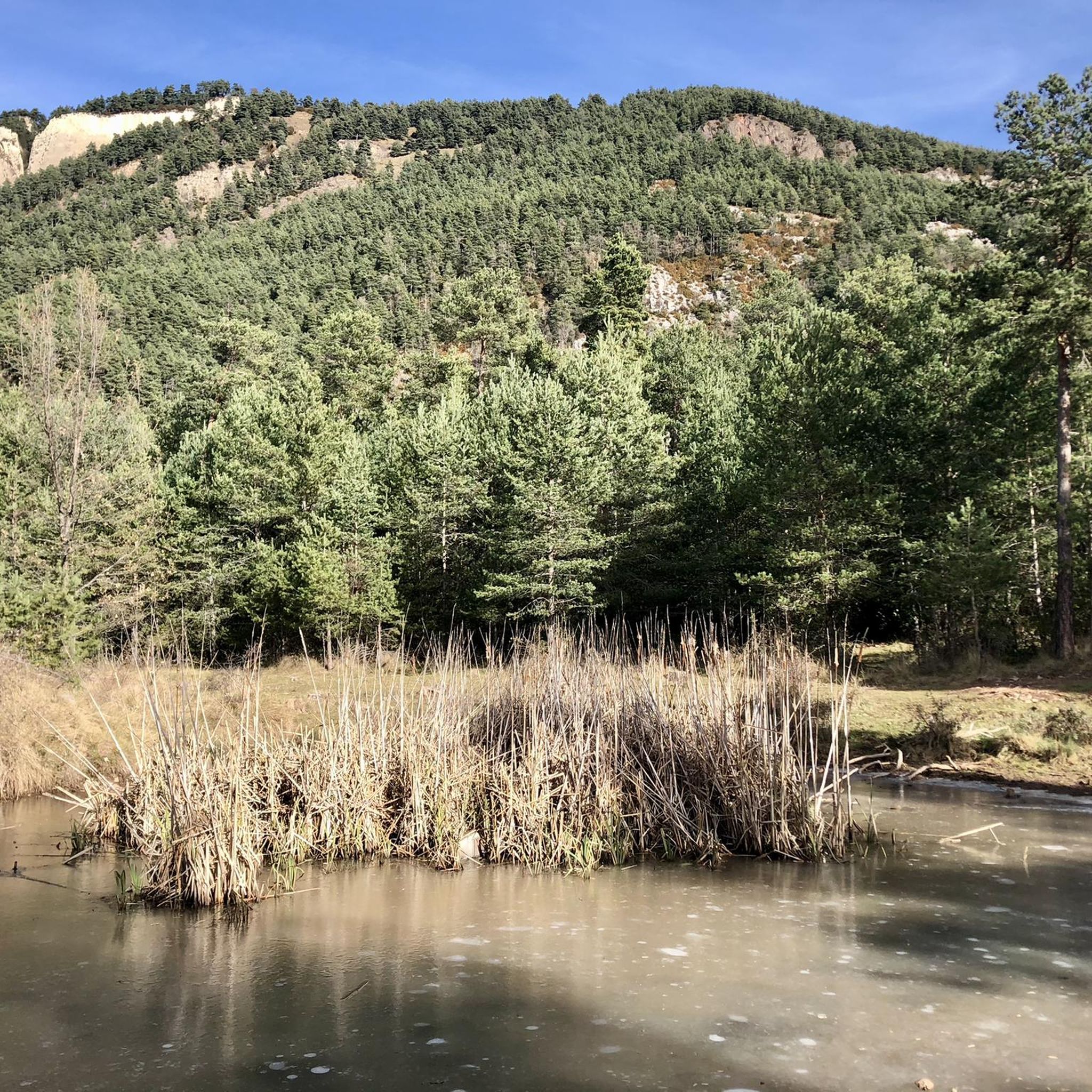
Forest trail of the Serra de Catllaràs, about 12 km from the center of La Pobla de Lillet. This Villa was designed by Antoni Gaudí in 1902, right in the middle of the woods. It served as accommodation for the technicians and engineers of the Catllaràs coal mines, until the Asland cement company ceded it to the City Council in 1932 when activity ceased at the beginning of the 20th century. In 1971 it was renovated as a dormitory but at the end of the 1980s it was disused and in a state of significant degradation. It is now currently undergoing restoration.
0
0

The Collada de Falgars is the opposite of the Collada de Subirana, going up from the Pobla de Lillet. It is a local road with good pans and often cattle on the tarmac. At the top of the Coll there is a Sanctuary, good views and also a bar where you can get refreshments.
0
0
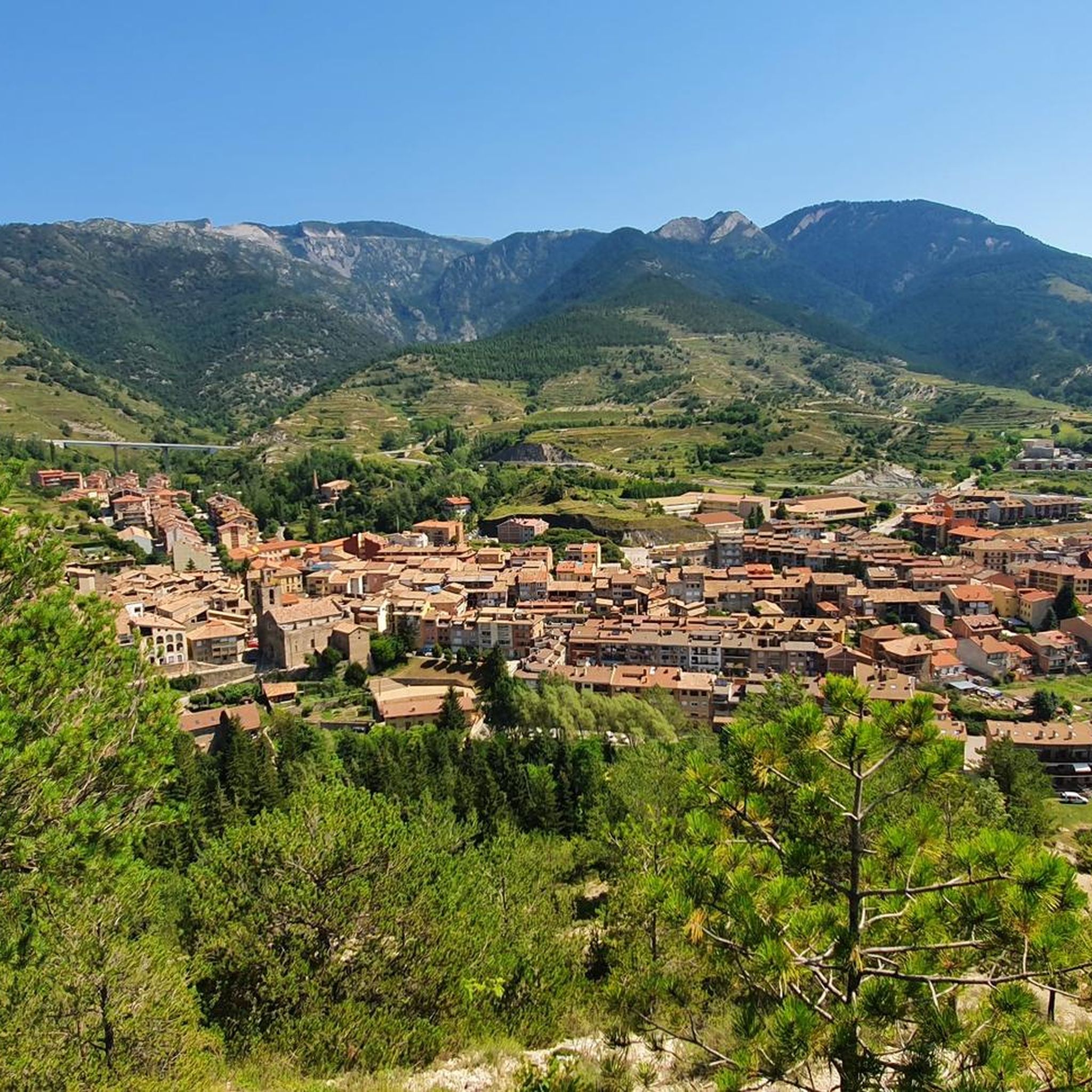
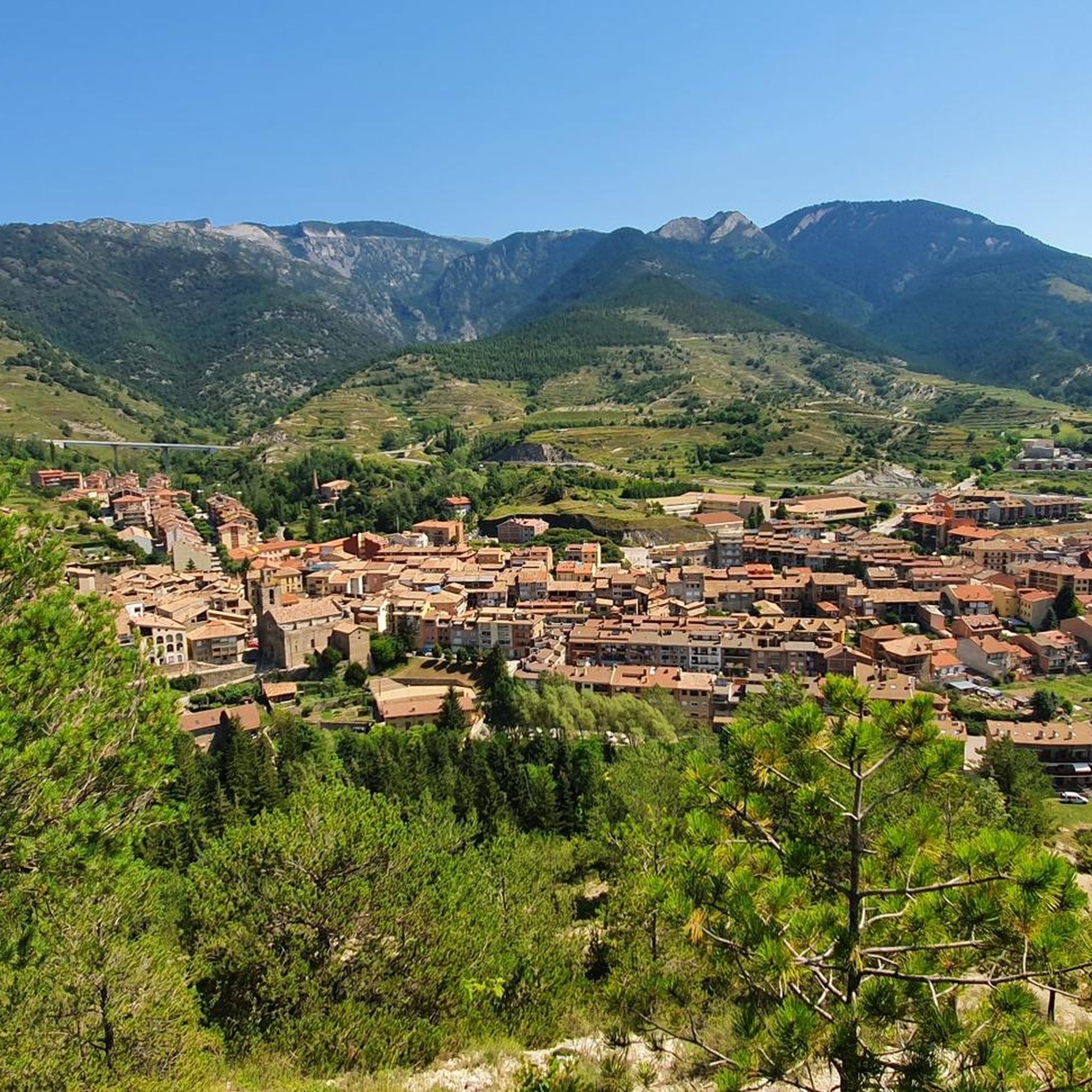
Bagà, town of Berguedà, good base point to start high mountain routes.
0
0

A very small mountain village literally at the foot of the Sierra del Cadí. Although Guardiola de Berguedà is nearby and La Pobla de Lillet is a little further away, it is also an ideal place to set up base camp to enjoy the regions of Berguedà, Ripollés, and Cerdanya, and the Catalan Pre-Pyrenees. Bagá is at the foot of two major mountain passes: Coll de Pal and Coll de Bena. The former is more challenging, probably one of the five toughest in Catalonia, although both offer beautiful scenery.
2
0
The Collada de Falgars from La Pobla de Lillet shares a route for the most part with the Collada Sobirana. The climb branches into 2 in its final part. If we take the road that goes to the left, we will reach the Collada de Falgars, where there is a church to visit and a very nice bar where you can take a break. The other side of the Collada de Falgars is not cycleable with a road bike, although it can be cycled with a gravel bike.
0
0

The Catllaràs chalet is a curious modernist building built by Gaudí and located in the mountain range of the same name. It is surprising for its peculiar shape and architectural details that correspond to the naturalistic stage of the famous Catalan architect.
1
0
Frequently Asked Questions
How many hiking trails are available around Sant Julià de Cerdanyola?
There are over 210 hiking routes around Sant Julià de Cerdanyola, catering to various skill levels. You'll find a wide selection, from gentle forest paths to more demanding mountain ascents.
Are there easy hiking options suitable for beginners or families?
Yes, Sant Julià de Cerdanyola offers around 38 easy hiking trails. A good option for a less strenuous walk is the Sant Esteve Church – Bagà loop from Guardiola de Berguedà, which is about 7 km long and takes under two hours to complete, leading through pleasant forest paths and open areas.
What kind of landscapes and natural features can I expect to see while hiking?
Hiking here offers diverse landscapes, from the dense forests of the Catllaràs Mountain Range, featuring Scots pine and oak, to open areas with views of the iconic Pedraforca mountain. You'll also encounter the unique 'olla de Cerdanyola' valley, mountainous ridges like Forcat and Albiol, and access to the Cadí-Moixeró Natural Park. Many trails pass by natural springs and remnants of ancient agricultural fields.
Are there any hikes that feature waterfalls or natural springs?
Yes, the region boasts several beautiful waterfalls and natural springs. You can explore areas near the Els Empedrats Waterfall and Gorge or the Bullidor de la Llet Waterfall. Natural springs like the Font del Castell also provide refreshing stops along various routes.
Can I find circular hiking routes around Sant Julià de Cerdanyola?
Many of the trails in the area are designed as circular routes, allowing you to start and end in the same location. For example, the Nicolau Trail Tunnel 2 – Nicolau Suspension Bridge loop from Guardiola de Berguedà is a popular moderate circular option.
What are some more challenging hikes in the area?
For those seeking a challenge, the region offers 48 difficult routes. The Sant Esteve Church loop from Guardiola de Berguedà is a demanding 15.6 km path with significant elevation gain, providing expansive views. You can also aim for higher peaks like Roc de la Clusa (1,729 meters) or Penyes Altes del Moixeró (2,276 meters) for rewarding experiences.
Are there any historical or cultural points of interest along the trails?
Beyond natural beauty, the area's history is woven into its trails. You can visit the Romanesque church of Sant Julià in the village, dating back to the 11th century. Some routes also trace old paths that connect hermitages and farmhouses, offering glimpses into the region's past, including its former coal mining activities.
What is the best time of year to go hiking in Sant Julià de Cerdanyola?
Sant Julià de Cerdanyola is beautiful year-round, but autumn is particularly stunning as the forests of the Catllaràs massiff burst with vibrant colors. Spring also offers pleasant temperatures and blooming flora. Summer can be warm, making higher elevation trails or early morning hikes ideal. Winter hiking is possible, especially on lower trails, but higher areas may require appropriate gear for snow.
Is Sant Julià de Cerdanyola accessible by public transport for hikers?
While the village itself is somewhat remote, public transport options to nearby larger towns like Guardiola de Berguedà exist, from which you might find local connections or start points for some routes. However, for maximum flexibility in accessing trailheads, personal transport is generally recommended.
Where can I park my car when starting a hike?
Parking is typically available within Sant Julià de Cerdanyola village itself, often near the church or main square. For specific trailheads outside the village, look for designated parking areas or roadside spots, especially near popular starting points for routes into the Catllaràs or towards the Cadí-Moixeró Natural Park.
Are dogs allowed on the hiking trails in Sant Julià de Cerdanyola?
Generally, dogs are welcome on most hiking trails in the Sant Julià de Cerdanyola area. However, it's always recommended to keep them on a leash, especially in natural park areas like Cadí-Moixeró, to protect local wildlife and ensure the safety and comfort of other hikers. Please also be mindful of agricultural areas and livestock.
What do other hikers enjoy the most about hiking in Sant Julià de Cerdanyola?
The area is highly rated by the komoot community, with an average score of 4.7 stars from over 450 reviews. Hikers often praise the diverse terrain, from quiet woodlands to expansive mountain views, and the well-maintained network of paths that cater to all difficulty levels. The natural beauty and tranquility of the Berguedà region are frequently highlighted.
Most popular routes around Sant Julià De Cerdanyola
Most popular attractions around Sant Julià De Cerdanyola

Get inspired with the komoot mobile app


