The best cycling routes around Alfarnatejo
4.8
(10)
499
riders
50
rides
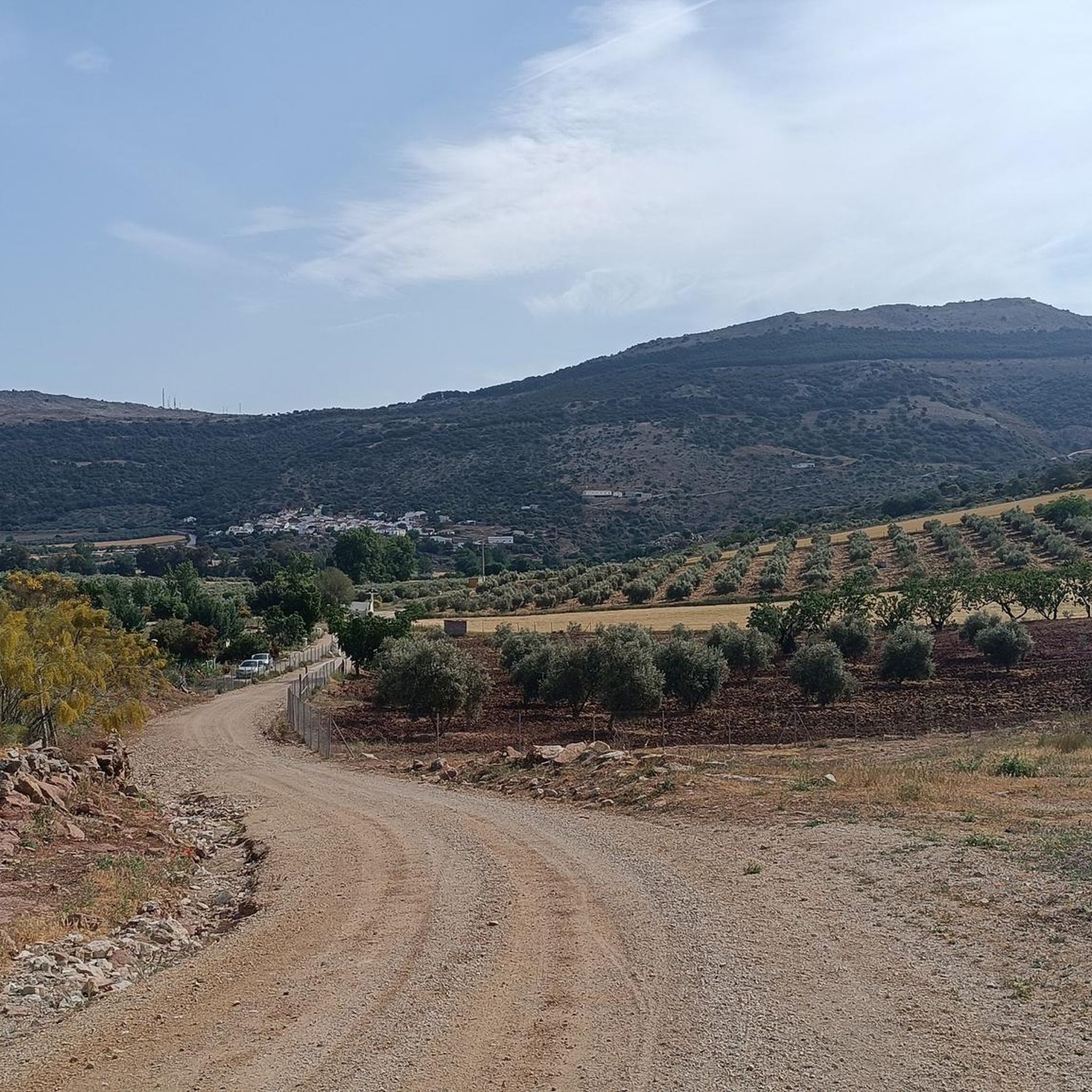
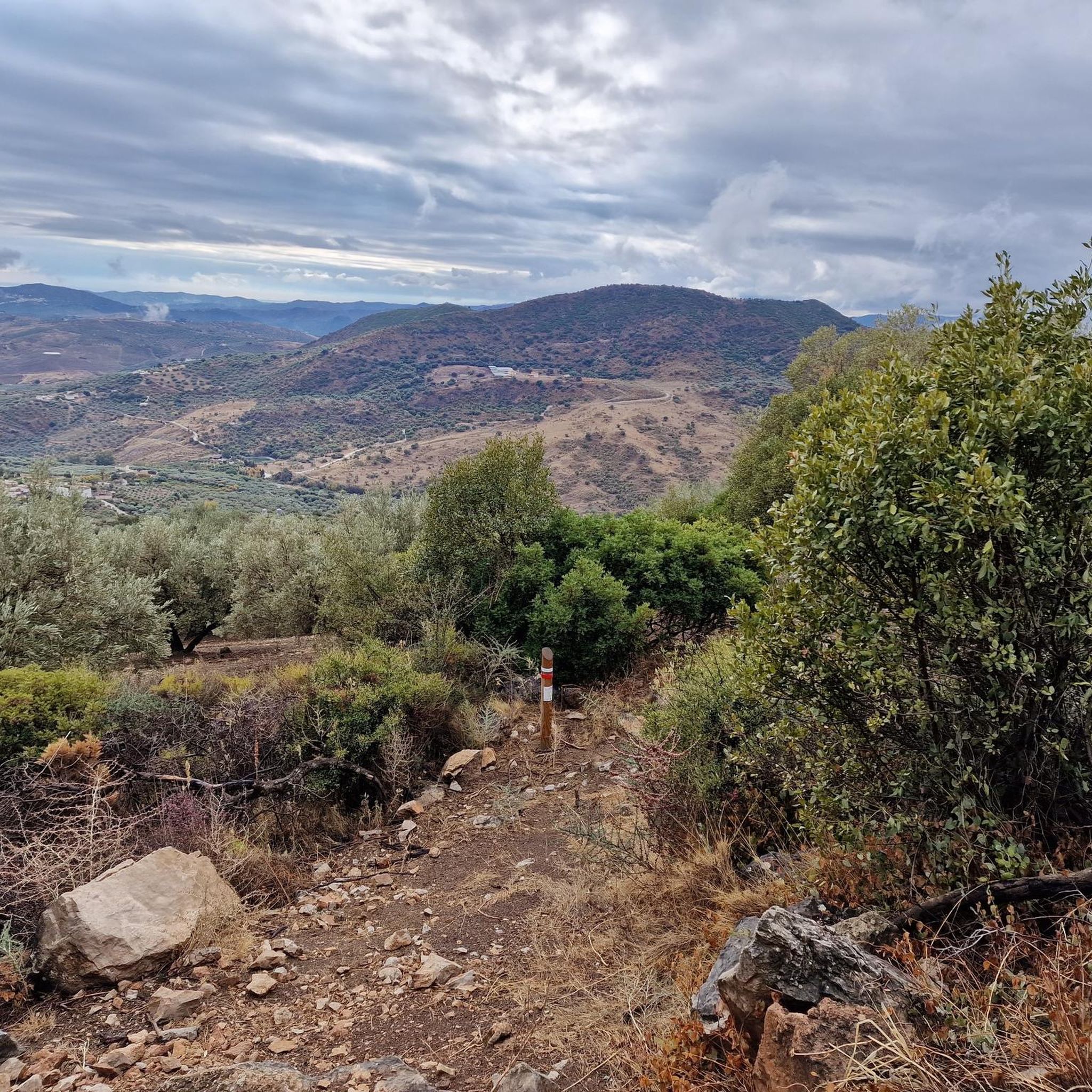
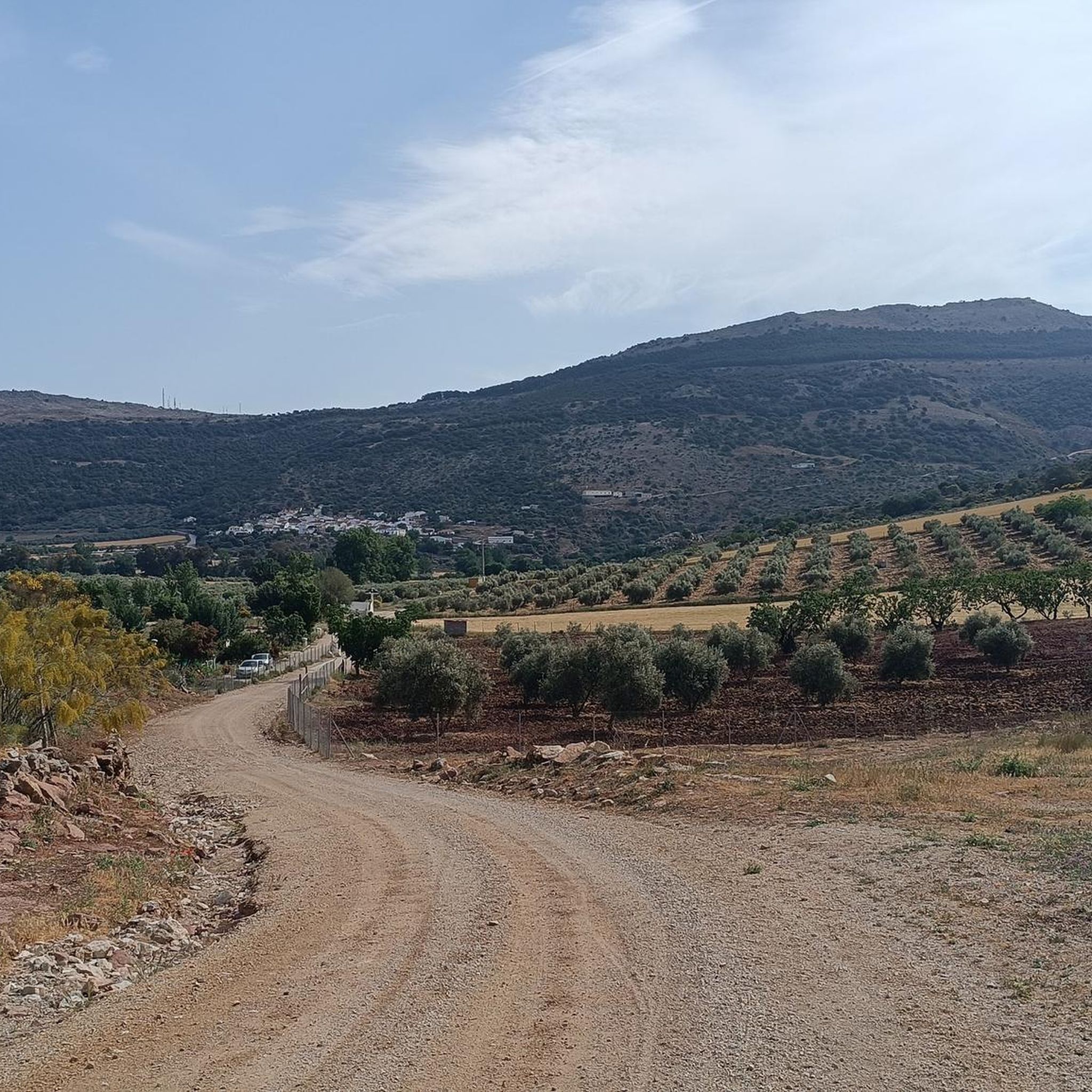
Touring cycling around Alfarnatejo is characterized by its mountainous landscapes, featuring prominent peaks like Chamizo, Gallo, and Vilo, which offer significant elevation changes. The region includes spectacular gorges, ravines, and the winding Sabar River, creating diverse natural features. Extensive olive groves contribute to the serene agricultural scenery, contrasting with the rugged mountain terrain. These physical features provide a challenging and scenic backdrop for touring cyclists.
Best touring cycling routes around Alfarnatejo
- The most popular touring cycling route is Embalse La…
Last updated: July 4, 2026
5.0
(1)
10
riders
27.4km
02:08
680m
680m
Hard bike ride. Very good fitness required. Mostly paved surfaces. Suitable for all skill levels.
5.0
(2)
58
riders
83.7km
05:27
1,080m
1,080m
Hard bike ride. Very good fitness required. Mostly paved surfaces. Suitable for all skill levels.

Sign up for free
40
riders
94.9km
06:58
2,070m
2,070m
Hard bike ride. Very good fitness required. Mostly paved surfaces. Suitable for all skill levels.
28
riders
80.1km
05:35
1,520m
1,520m
Hard bike ride. Very good fitness required. Mostly paved surfaces. Suitable for all skill levels.
5.0
(2)
21
riders
45.7km
03:15
940m
940m
Hard bike ride. Very good fitness required. Mostly paved surfaces. Suitable for all skill levels.
Get access to more routes and recommendations from other explorers.
Sign up for free
Already have an account?
Our route recommendations are based on thousands of hikes, rides, and runs completed by other people on komoot.
Start today with a free account
Your next adventure awaits.
Login or Signup
Other adventures around Alfarnatejo

Tips from the Community

The Puerto de los Alazores is a mountain pass in the Sierra de San Jorge, in the province of Granada, close to the border with Málaga. This pass is located in the Cordillera Penibética and is approximately 1040 metres high. This pass was an important route in the past, especially during the journeys between Granada and Málaga. According to some sources, Ferdinand II of Aragon crossed here in 1487 to conquer Vélez-Málaga. In the area around the pass there are different types of trees, such as the pino carrasco, elms and pino resinero. It is also the place where the Guadalhorce River rises.
7
0
In Alfarnate, La Venta de Alfarnate dates back to the 13th century, and is considered the oldest in Andalusia. Due to the numerous stories and legends surrounding it, it is considered a true popular monument, and it is not for nothing that it now houses the Museum of Andalusian Banditry. All kinds of people and all social classes have passed through here: muleteers, black marketeers, bandits, even King Alfonso XIII and Saint Joseph of Calasanz, not to mention artists, painters, and more. La Venta de Alfarnate remains faithful to its principles, its mystery, and its romantic magic. Its cuisine is fundamentally based on Andalusian mountain and country cuisine, with notable dishes including Alfarnate crumbs, eggs a lo bestia (roasted eggs), garlic goat, fried lamb blood sausage with tomatoes, and scrambled eggs with anise porridge.
7
0

The Playa de Torre del Mar is a beautiful, spacious beach, with a wide promenade and many chiringuitos where you can take a break and enjoy the sea view. The Paseo Marítimo de Torre del Mar is very well developed, relatively wide and ideal for cyclists and pedestrians. There is a designated cycle path that stretches along the coast, so you can cycle along the sea in a relaxed manner.
7
0
The Plaza de Nuestra Señora del Rosario is the heart of Canillas de Albaida, a charming white village. Surrounded by bright white houses decorated with colourful flowers, the square offers an authentic atmosphere. Here you will find the town hall and the Iglesia de Nuestra Señora de la Expectación, a church with impressive architecture. The Plaza de Nuestra Señora del Rosario therefore offers not only cultural attractions but also a welcome rest stop for cyclists exploring the beauty of Andalusia on this route.
2
0
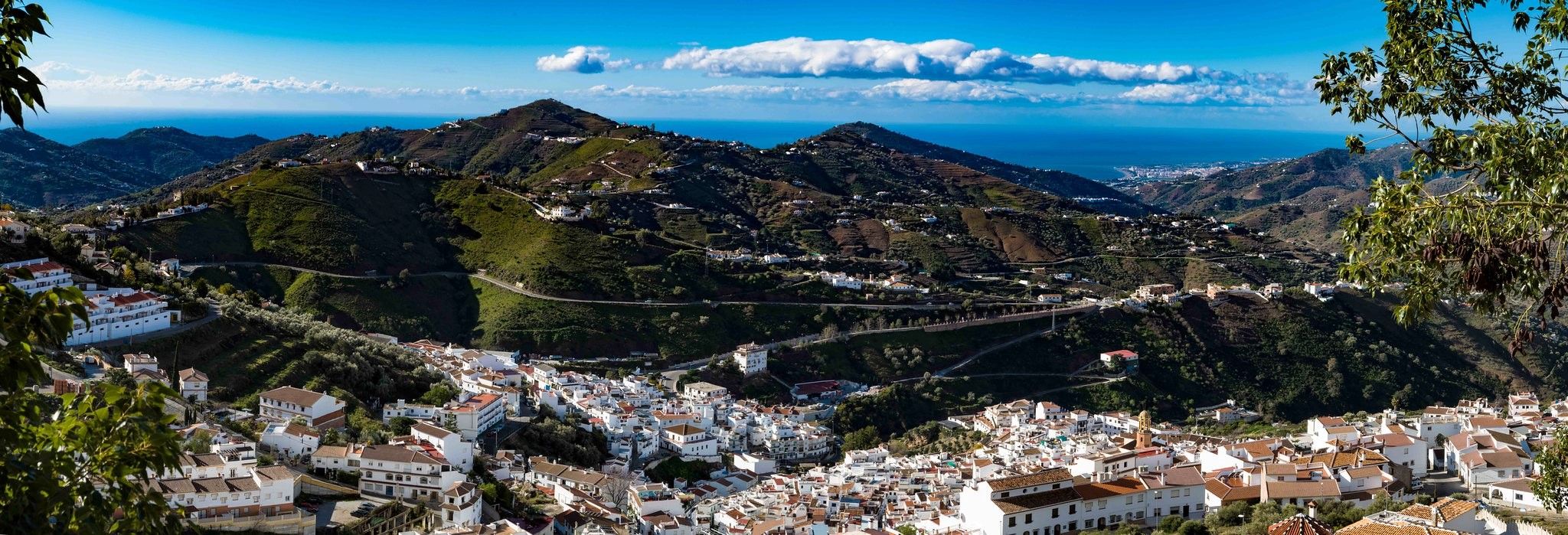
Impressive views of the village and the surrounding mountain landscape. An ideal place to experience the beauty of the village and unforgettable panoramic views of the Axarquía region.
2
0
The name “Puente Don Manuel” refers to the bridge that spans the Río de Alcaucín. The town of Puente Don Manuel is a small hamlet in the municipality of Alcaucín. If you want to get there, you have to cross the bridge and go through the town, then turn left at the church towards the mountains. The settlement is about forty kilometres from Málaga and fourteen kilometres from the coast.
2
0
The area around the A-7205 road and Buenavista offers an authentic glimpse of rural Andalusia, with plenty of opportunities for outdoor activities and cultural exploration. Buenavista itself is a small hamlet near Villanueva de Tapia, with surrounding rural countryside.
0
0
The Ermita de Jesús en el Calvario is a historic chapel in the area of Puente de Don Manuel, a district of the municipality of Alcaucín. The chapel was built in the mid-17th century and served as a religious retreat for the local population. It is an example of the religious architecture of the period and reflects the deep spiritual connection of the municipality. Puente de Don Manuel itself is known for its strategic location as a crossroads between the coast and the surrounding villages such as Periana, Alcaucín and Zafarraya. For visitors interested in history and culture, the area around Puente de Don Manuel and Alcaucín offers numerous opportunities for exploring by bike.
2
0
Frequently Asked Questions
What kind of fitness level is generally required for touring cycling around Alfarnatejo?
Touring cycling around Alfarnatejo is characterized by significant elevation changes, with many routes featuring substantial climbs. While there are some moderate options, the majority of the 48 available routes are classified as difficult. Cyclists should be prepared for mountainous terrain and challenging ascents, often with gradients consistently at or above 8% on climbs like Puerto del Sol.
Are there any touring cycling routes that offer impressive viewpoints or natural landmarks?
Yes, the region is rich in natural beauty and viewpoints. For instance, the Puerto de Sábar – View of Vélez-Málaga loop from Riogordo offers impressive mountain and distant sea views. You can also explore natural monuments like the Hundred‑Spout Fountain or enjoy panoramic vistas from the View of the Gomer and Doña Ana cliffs and Mirador de la Corona de la Axarquía.
Can I find loop cycling routes in Alfarnatejo?
Yes, many touring cycling routes in Alfarnatejo are designed as loops, allowing you to start and end in the same location. An example is the Embalse La Viñuela – circular desde Periana, which offers views of the reservoir and surrounding landscapes.
What are the best times of year for touring cycling in Alfarnatejo?
The region's climate makes spring and autumn ideal for touring cycling, offering pleasant temperatures for tackling the mountainous terrain. While specific data on winter conditions isn't provided, the mild Andalusian winters generally allow for cycling, though some higher passes might be cooler. Summers can be very hot, making early morning or late afternoon rides preferable.
What kind of natural features will I encounter on touring cycling routes around Alfarnatejo?
You'll experience a diverse landscape. Routes often traverse extensive olive groves, providing a serene agricultural backdrop. You'll also encounter rugged mountainous terrain with prominent peaks like Chamizo, Gallo, and Vilo, as well as spectacular gorges, ravines, and the winding Sabar River. Natural monuments such as the Hundred‑Spout Fountain add to the scenic diversity.
Are there any historical or cultural sites to see along the touring cycling routes?
Yes, the region offers a rich cultural heritage. Along the routes, you can discover historical landmarks such as the Al-Andalus bridge over the Sabar River and the Church of Santo Cristo de Cabrilla. The area also features archaeological sites, particularly in the Sabar River Gorge. For a unique stop, consider the historic Venta de Alfarnate, now a restaurant-museum.
What do other touring cyclists say about the routes in Alfarnatejo?
The touring cycling routes in Alfarnatejo are highly rated by the komoot community, with an average score of 5.0 stars from around 8 reviews. More than 400 touring cyclists have used komoot to explore the varied terrain, often praising the challenging climbs, impressive views, and the opportunity to pass through traditional white villages.
Are there any particularly challenging touring cycling routes for experienced riders?
Absolutely. Alfarnatejo is known for its demanding routes. The Upper Guadalhorce River Valley – El Boquete Viewpoint loop from Villanueva del Trabuco is a difficult 80.1 km trail through rugged mountains and fertile valleys, often taking over 5 hours to complete. Another challenging option is the Monument to Peace – Torre del Mar Beach loop from Moya, which features over 2000m of elevation gain.
Where can I find places to eat or stay near the cycling routes?
Many cycling routes connect Alfarnatejo with neighboring white villages like Alfarnate and Riogordo. These villages offer opportunities to experience authentic Andalusian life, local culture, and traditional gastronomy, providing excellent spots for refreshment stops and accommodation for multi-day tours. The historic Venta de Alfarnate is a notable restaurant-museum.
Are there any routes that take me to the coast or offer sea views?
While Alfarnatejo is inland, some routes offer distant sea views due to the region's mountainous elevation. For example, the Puerto de Sábar – View of Vélez-Málaga loop from Riogordo provides impressive mountain and distant sea views as it passes through traditional white villages.
What are the main mountain peaks that cyclists might encounter or see?
Cyclists will be surrounded by impressive peaks that define the landscape of Alfarnatejo. These include Chamizo, Gallo, and Vilo, which offer breathtaking panoramas and significant elevation changes. You might even pass by specific summits like Pico de Vilo or Tajo Gomer Summit.
How many touring cycling routes are available around Alfarnatejo?
There are 48 touring cycling routes available around Alfarnatejo. These routes cater to various fitness levels, though the majority (41) are classified as difficult, reflecting the region's mountainous terrain.
Most popular attractions around Alfarnatejo

Get inspired with the komoot mobile app


Explore more
Browse the best Cycling routes in other regions.
