Attractions and Places To See around San Vitero - Top 20
Best attractions and places to see around San Vitero, a municipality in Zamora, Spain, offer a blend of historical sites, traditional architecture, and natural landscapes. The region is characterized by its proximity to the Sierra de la Culebra, providing opportunities for nature observation and outdoor activities. Visitors can explore local villages, historical landmarks, and unique natural features that reflect the area's cultural heritage and geography.
Best attractions and places to see around San Vitero
- The most popular attractions is Fidionda…
Last updated: July 12, 2026
Fidionda Spring
Highlight • Natural Monument
Translated by Google •
Tip by

Traditional Stone Architecture of Rabanales
Highlight • Settlement
Translated by Google •
Tip by

Sign up now to discover places like this
Get recommendations on the best single tracks, peaks, & plenty of other exciting outdoor places.
Sign up for free
Peña el Pingón Cave and Bridge
Highlight • Cave
Translated by Google •
Tip by
Alcanices 🇪🇦
Highlight • Settlement
Translated by Google •
Tip by

Nuez de Aliste Historic Village Center
Highlight • Settlement
Translated by Google •
Tip by
Sign up for free to discover even more attractions around San Vitero.
Sign up for free
Already have an account?
Start today with a free account
Your next adventure awaits.
Login or Signup

Tips from the Community

Rabanales is known in the Aliste region for preserving a historic center with abundant examples of traditional stone architecture, a hallmark of western Zamora. This architecture is characterized by its robustness, its integration with the landscape, and the use of local materials. The traditional houses and buildings are constructed primarily with local stone, especially granite, which provides solidity and a distinctive rustic aesthetic.
2
0
Peña el Pingón is a prominent natural landmark on the hiking trails of Alcañices. Located in a spectacular setting, it is one of the most highly recommended spots by both local and visiting hikers. At the base of Peña el Pingón, or in its immediate vicinity, lies a cave, seamlessly integrated into the surrounding rocky landscape. It adds to the area's charm and is a popular stopping point on hiking routes.
2
0
Alcañices is a great getaway if you enjoy towns with medieval history, nature, and a relaxed pace of life. Its location in the Aliste region, near the Portuguese border, gives it a unique character.
2
0

Alcañices is 21 km from the Quintanilha border and was the site of an important event in Portuguese history. On September 12, 1297, in the town of Alcañices, province of Zamora, one of the most important treaties between Portugal and Spain was signed. It was a border agreement intended to resolve several ongoing conflicts between Portugal and Castile, preventing minor territorial disputes from dragging the two countries into a larger war. The treaty was signed between the King of Portugal, D. Dinis, and the King of Castile, Ferdinand IV, and followed a period of tension between the two crowns, during which several military incursions from both sides and various points of contention had raised the risk of a general confrontation. It was, therefore, an agreement for the mutual cession of border positions and the recognition of a dividing line between the territories of the two countries.
4
0

Rabanales is a small town located in the Aliste region with the typical traditional local architecture of masonry buildings.
1
1

At this point of the route we find the El Pingón rock located in a spectacular environment, just like the kilometers that lie ahead of us. In the place there is a cave and a picturesque bridge.
3
0
We are in Rabanales, located in the Aliste region and near the border with Portugal. This town has an urban area with large samples of traditional Aliste stone architecture. It is worth visiting the parish church of El Salvador and next to the church, we will find a phallus, a Roman symbol of fertility.
1
1
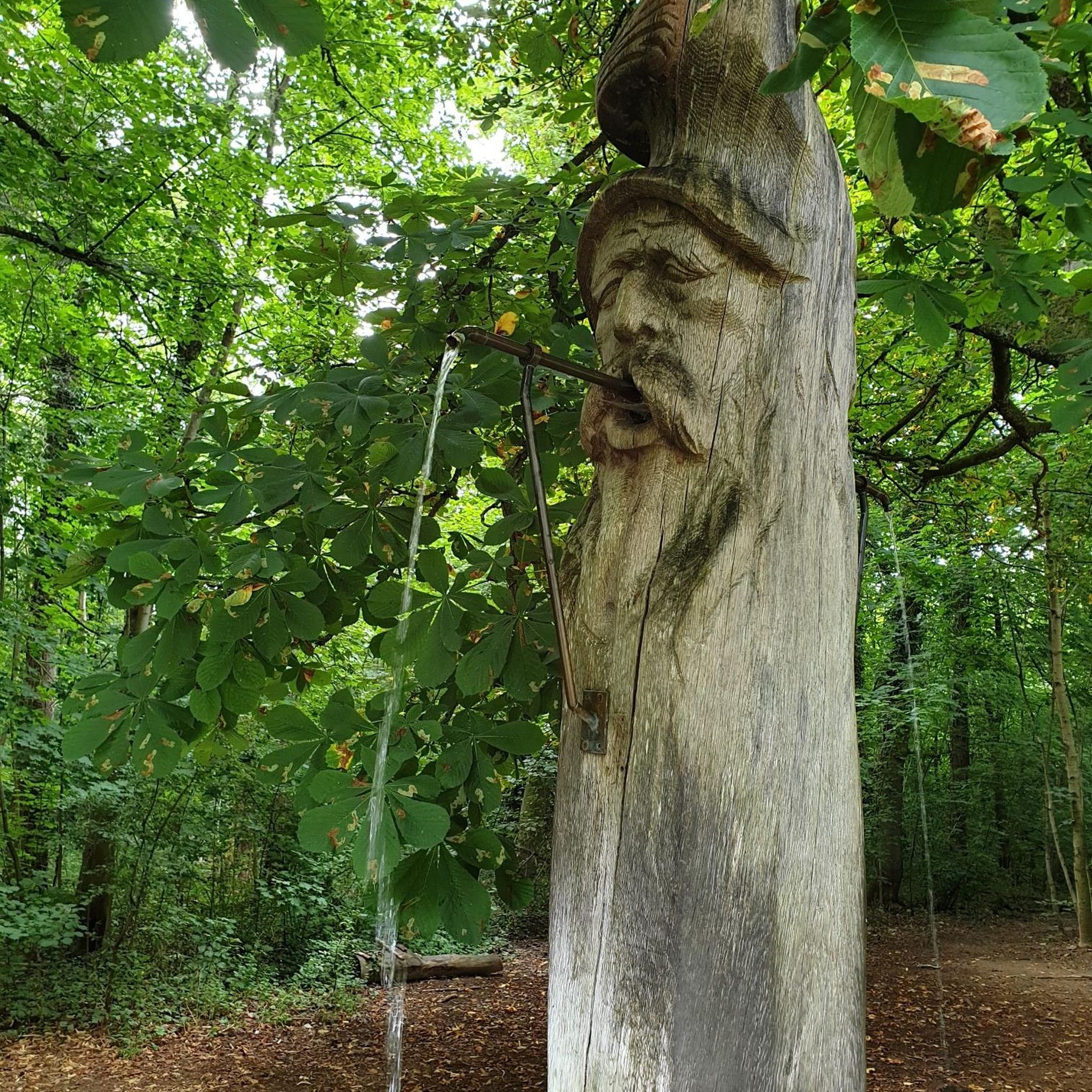
The town of Grisuela is well known in the Aliste region for its springs, one of which contains sulfur water, called "La Fidionda", with an unpleasant smell and taste, but appreciated for its healing powers for eczema and skin wounds. Grisuela is located in the Aliste region of Zamora, about 13 km from Alcañices, and borders with Portugal in a place that is difficult to access. For its term it crosses the Cebal river, a tributary of the Aliste.
1
0
Frequently Asked Questions
What natural features can I explore around San Vitero?
The region is rich in natural beauty. You can visit the Fidionda Spring in Grisuela, known for its sulfur water and traditional healing properties. Another notable spot is Peña el Pingón Cave and Bridge, offering a scenic environment popular with hikers. The broader Sierra de la Culebra area, close to San Vitero, is also excellent for nature observation and is recognized as an Iberian wolf reserve.
Are there historical or cultural sites to visit in San Vitero and its surroundings?
Yes, San Vitero offers several historical and cultural sites. The Iglesia Parroquial de San Víctor is a significant Romanesque church. In the town square, you can see archaeological remains like a pre-Roman 'verraco' and a Roman milestone. The village of Rabanales features Traditional Stone Architecture and the Church of El Salvador, which has a Roman phallus symbol. Additionally, Alcanices 🇪🇦 is a historic settlement known for its medieval past and the signing of an important border treaty.
What kind of outdoor activities can I do near San Vitero?
The natural surroundings of San Vitero are ideal for various outdoor activities. You can explore numerous hiking trails, including the 'Ruta de Senderismo de San Vitero'. For more options, check out the Hiking around San Vitero guide, which includes routes like the 'Route of the Wolves'. There are also dedicated guides for MTB Trails around San Vitero and Road Cycling Routes around San Vitero.
Are there any family-friendly attractions or activities in the area?
While specific family-focused attractions are not highlighted, the natural environment offers plenty for families. Exploring the scenic trails around Peña el Pingón Cave and Bridge or enjoying a leisurely stroll through villages like Nuez de Aliste Historic Village Center to admire traditional architecture can be enjoyable for all ages. The Embalse de los Molinos also provides opportunities for outdoor recreation.
What is the best time of year to visit San Vitero?
The region's natural landscapes and outdoor activities are best enjoyed during spring and autumn when the weather is mild and pleasant for hiking and exploring. Summer can be warm, while winter offers a different, quieter charm, though some outdoor activities might be less accessible depending on conditions.
Can I find traditional architecture in San Vitero?
Yes, San Vitero's urban center is notable for preserving many examples of traditional stone architecture. A stroll through its streets offers a pleasant experience. The nearby village of Rabanales is particularly known for its Traditional Stone Architecture, showcasing robust buildings integrated with the landscape using local granite.
Are there any unique local customs or events in San Vitero?
San Vitero hosts events like the Monographic Exhibition and Auction of the Zamorano-Leonese breed, which is an important cultural and economic event related to local livestock. This offers a unique insight into the region's agricultural heritage and traditions.
What are some interesting nearby villages to explore?
Beyond San Vitero, several charming villages are worth visiting. El Poyo features a noteworthy Romanesque church. San Cristóbal de Aliste offers excellent views of the Sierra de la Culebra. Villarino de Cebal is known for its beautiful river environment, and San Juan de Rebollar has old houses built on rock. Don't miss Grisuela, home to the Fidionda Spring.
Where can I find hiking trails near San Vitero?
San Vitero is surrounded by trails suitable for hiking. The 'Ruta de Senderismo de San Vitero' starts directly from the municipality. For a comprehensive list of options, including routes like the 'Route of the Wolves' and 'Peña Beneita Route', refer to the Hiking around San Vitero guide.
What do visitors enjoy most about the attractions around San Vitero?
Visitors appreciate the blend of historical charm, traditional architecture, and natural beauty. The unique geological formations like Peña el Pingón Cave and Bridge and the traditional healing properties of Fidionda Spring are often highlighted. The opportunity to explore villages with significant historical context, such as Alcanices 🇪🇦 and Nuez de Aliste Historic Village Center, also adds to the appeal.
Are there any viewpoints offering scenic vistas?
Yes, the area around San Vitero, particularly due to its proximity to the Sierra de la Culebra, offers various spots with panoramic views. The village of San Cristóbal de Aliste is known for providing excellent views of the Sierra. Additionally, Peña el Pingón Cave and Bridge is situated in a spectacular environment that offers great scenic views along hiking routes.

Get inspired with the komoot mobile app


Explore more
Still not found the Highlight you’re looking for? See guides of the top attractions in other regions:
