The best road cycling routes around Parco Regionale Marturanum
4.3
(157)
1,536
riders
82
rides
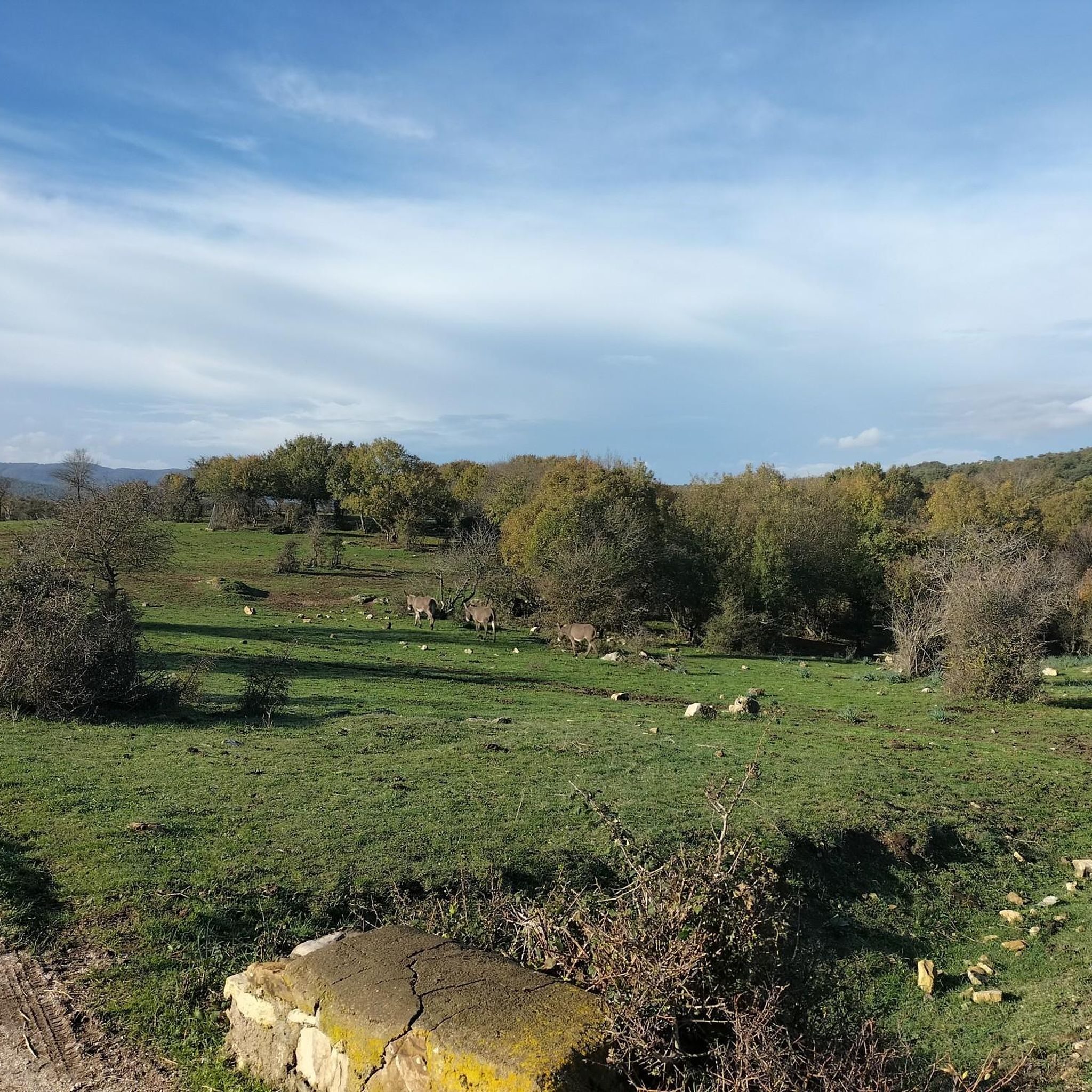
Road cycling routes around Parco Regionale Marturanum traverse a diverse landscape of hilly terrain, tufa plateaus, and deep gorges. This region, situated in Lazio, Italy, features ancient volcanic activity that has sculpted varied topography, creating both ascents and descents for cyclists. The park encompasses approximately 1,240 hectares, offering a mix of open areas and shaded ravines. Cyclists can expect routes that navigate through woods, pastures, and past significant archaeological sites.
Best road cycling routes around Parco Regionale Marturanum
- The most…
Last updated: November 22, 2026
3.0
(1)
34
riders
71.1km
03:09
630m
630m
Moderate road ride. Good fitness required. Mostly well-paved surfaces and easy to ride.
19
riders
31.5km
01:32
440m
440m
Moderate road ride. Good fitness required. Some segments of this route may be unpaved and difficult to ride.

124km
06:15
1,860m
1,860m
Hard road ride. Very good fitness required. Mostly well-paved surfaces and easy to ride.
68
riders
115km
05:22
1,420m
1,420m
Hard road ride. Very good fitness required. Some segments of this route may be unpaved and difficult to ride.
57
riders
64.0km
03:02
770m
770m
Moderate road ride. Good fitness required. Some segments of this route may be unpaved and difficult to ride.
Get access to more routes and recommendations from other explorers.
Already have an account?
Our route recommendations are based on thousands of hikes, rides, and runs completed by other people on komoot.
Start today with a free account
Your next adventure awaits.
Tips from the Community

Beautiful place to visit
0
0
A place worth a visit
1
0

Viterbo lived its period of major splendor and power in the 13th century when it was chosen as the seat of the papacy instead of Rome, where powerful warring families made life too dangerous. Eight different popes lived in Viterbo making it is similar to Vatican City and Avignon in France. The longest papal conclave in history happened here from 1 December 1268 to 1 September 1271. Following Pope Clement IV's death, infighting between cardinals and political pressure led to a 34-month deadlock. The cardinals were locked up cum clave (hence the word conclave) inside the palace’s large Conclave Hall. In desperation the town’s population, who were feeding them and their entourages, eventually reduced the cardinals’ food and wine supplies, trying to speed up the election. Time wore on and they finally decided to remove the roof of the palace: in order to help the Holy Spirit come down and illuminate them, it was quipped. That worked.
0
0

the water dispenser is a little hidden from the road, but just look up to the right (if you are going towards Tolfa) and you will see the blue structure in which it is located
0
0

The current Palazzo del Comune of Tuscania overlooks Piazza Basile, between the Church of San Lorenzo and the former Church of Santa Croce, currently home to the Historical Archives and the Municipal Library. Previously, the administrators of the municipality resided in the ancient Palazzo del Rivellino, on the hill of the same name; the structure was so called because it was similar to a fortress. Subsequently, the podestà was transferred first to the palace that today is home to the Teatro Comunale, and then to the current one. The latter is accessed via a beautiful external staircase, which features a bronze plaque in memory of the restoration, in 1912, of the ancient name of the city that had been changed by Boniface VIII to Toscanella. (c) https://www.italiavirtualtour.it/dettaglio_member.php?id=96308
0
0

What can be enjoyed today from the medieval walls of Tuscania is one of the most beautiful landscapes of Tuscia.
0
0
The Papal Palace in Viterbo served as the Vatican for the 24 years of the thirteenth century when the papacy moved there due to ongoing unrest in Rome.
0
0

The beautiful Sutri
1
0
Frequently Asked Questions
How many road cycling routes are available in Parco Regionale Marturanum?
There are over 80 road cycling routes available in Parco Regionale Marturanum, offering a wide range of distances and difficulties. These routes traverse diverse landscapes, from tufa plateaus to deep gorges.
What is the typical terrain like for road cycling in Parco Regionale Marturanum?
The terrain for road cycling in Parco Regionale Marturanum is characterized by hilly landscapes, tufa plateaus, and deep gorges carved by streams. You can expect a mix of ascents and descents, with routes passing through woods, pastures, and open areas. The ancient volcanic activity in the region has sculpted a varied and engaging environment for cyclists.
Are there road cycling routes suitable for beginners or those seeking an easier ride?
Yes, Parco Regionale Marturanum offers several easier road cycling routes. For instance, the Blera loop from Vejano is an easy 14.5-mile (23.3 km) trail that takes about 1 hour 4 minutes to complete, leading through the park's natural beauty. Another easy option is the Blera loop from Villa San Giovanni in Tuscia, covering 20.7 km.
Are there challenging road cycling routes for experienced cyclists?
Absolutely. For experienced cyclists seeking a challenge, the park offers numerous difficult routes. A notable option is the Vejano loop from Vejano, a difficult 43.0-mile (69.2 km) path featuring significant elevation gain, perfect for a demanding ride through the park's hilly landscape.
Are there any circular road cycling routes in the park?
Many of the road cycling routes in Parco Regionale Marturanum are designed as loops, allowing you to start and finish in the same location. Examples include the Blera – Vejano loop from Vejano and the Via delle Olmate – Vejano loop from Blera, both offering engaging circular journeys through the region.
What historical sites can I see along road cycling routes in Parco Regionale Marturanum?
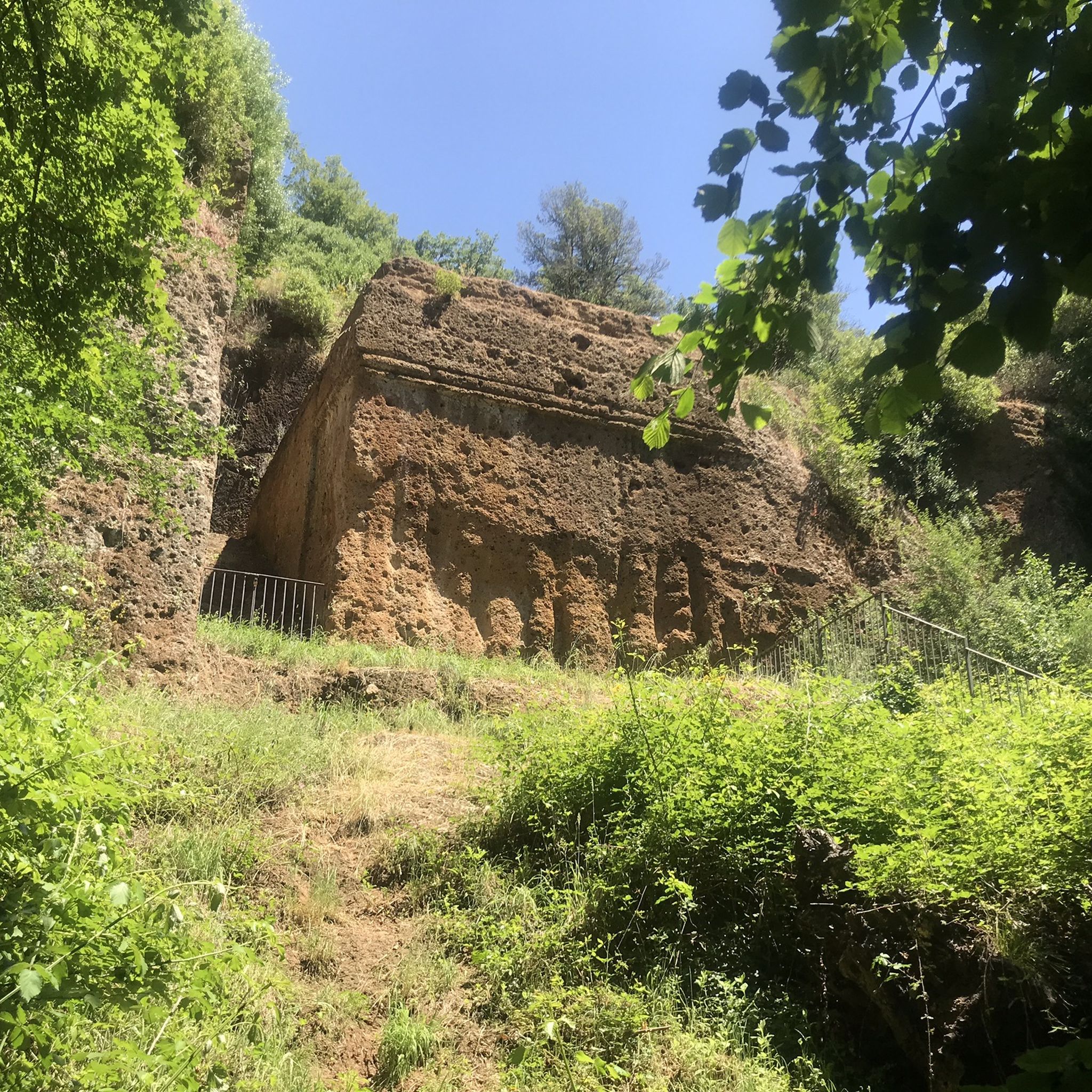
Parco Regionale Marturanum is rich in history, often called the 'Park of the Etruscans.' Cyclists can incorporate stops at various archaeological sites. You might encounter Etruscan necropolises, such as the Tomb of the Stag (Tomba del Cervo), carved into the tufa rock. The charming villages of Barbarano Romano and Blera also offer cultural insights and medieval remains like the Rocca di San Giuliano.
Are there any natural landmarks or scenic viewpoints to discover while cycling?
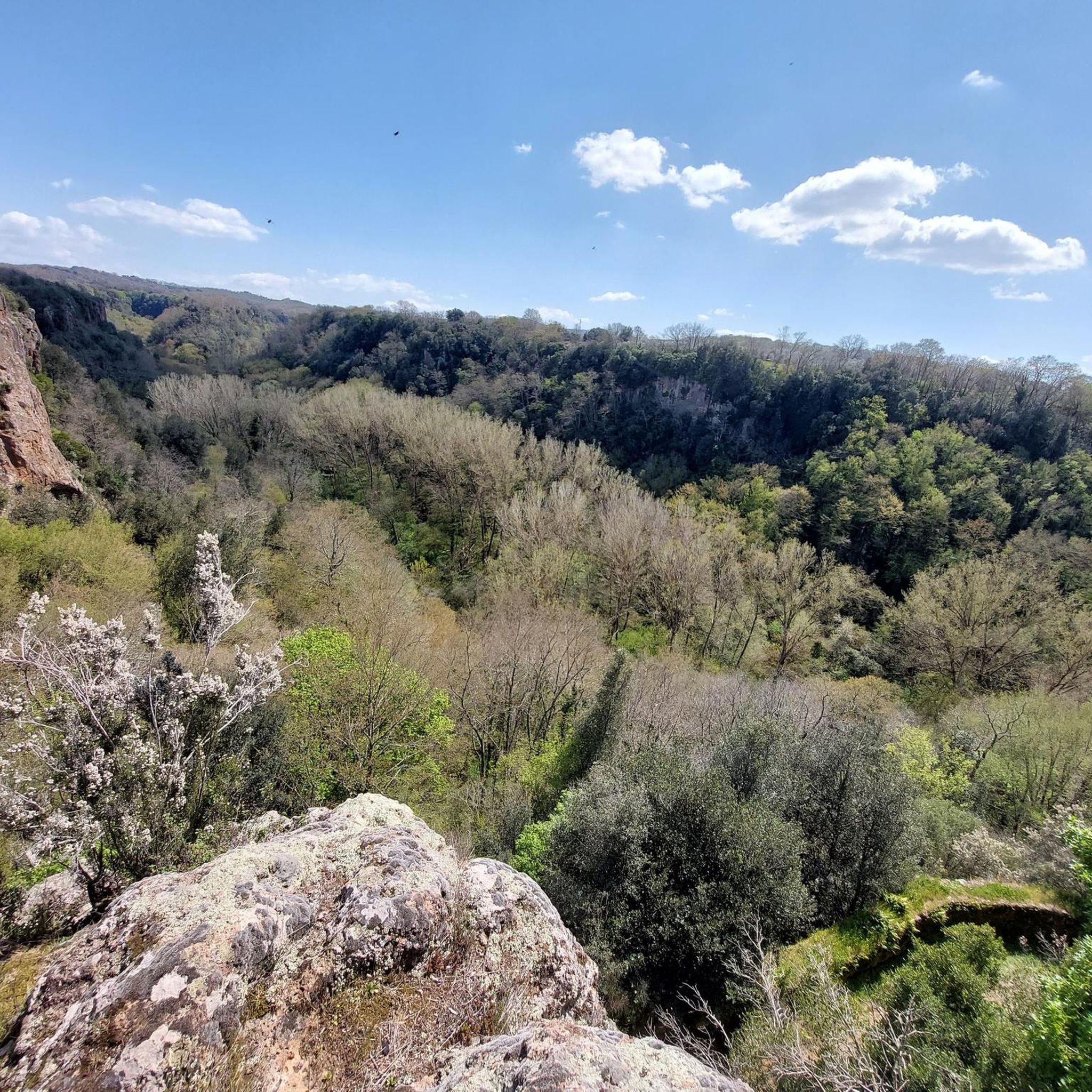
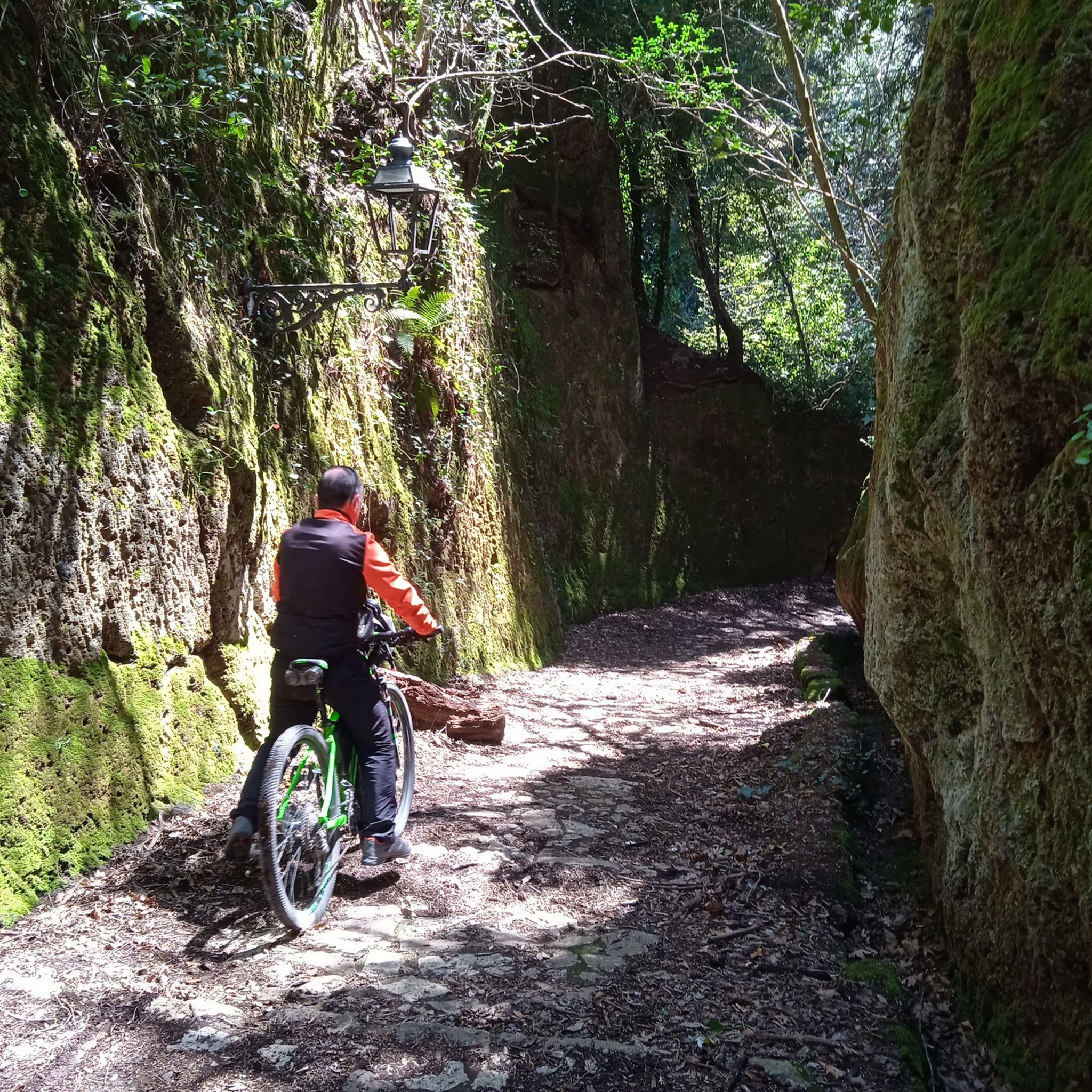
Yes, the park boasts dramatic natural features. The deep gorges, or 'forre,' carved by the Vesca and Biedano streams, create unique microclimates and dense vegetation, offering stunning views. You might also discover the Terza Mola (Third Mill) Waterfalls and Ancient Aqueduct, providing picturesque stops along your ride.
What is the best time of year for road cycling in Parco Regionale Marturanum?
The best time for road cycling in Parco Regionale Marturanum is typically spring (April-May) and autumn (September-October). During these seasons, the weather is generally mild and pleasant, with less extreme heat than summer and fewer cold, wet days than winter, making for ideal cycling conditions and vibrant natural scenery.
Is parking available for cyclists near the routes?
Yes, parking is generally available in and around the villages that serve as common starting points for routes, such as Barbarano Romano and Vejano. These villages often have designated parking areas suitable for cyclists looking to explore the park.
Are there places to eat or stay near the road cycling routes?
Yes, the picturesque villages within and around Parco Regionale Marturanum, such as Barbarano Romano, Blera, and Vejano, offer opportunities for refreshment and accommodation. You can find local cafes, restaurants, and guesthouses to refuel and relax after your ride.
Are the road cycling routes in Parco Regionale Marturanum family-friendly?
While many routes involve hilly terrain, there are easier options that can be suitable for families with older children or those comfortable with some elevation. The park's diverse landscape means you can find less challenging sections, and the presence of charming villages offers pleasant stops. Always check the route difficulty and elevation profiles to ensure it matches your family's capabilities.
What do other cyclists say about road cycling in Parco Regionale Marturanum?
The road cycling routes in Parco Regionale Marturanum are highly rated by the komoot community, with an average score of 4.3 stars from over 100 reviews. Cyclists often praise the varied terrain, the blend of natural beauty with historical sites, and the engaging ascents and descents that make for a rewarding ride.
Most popular routes around Parco Regionale Marturanum
Most popular attractions around Parco Regionale Marturanum

Get inspired with the komoot mobile app


Explore more
Browse the best Road cycling routes in other regions.
