Attractions and Places To See around Villaobispo De Otero - Top 20
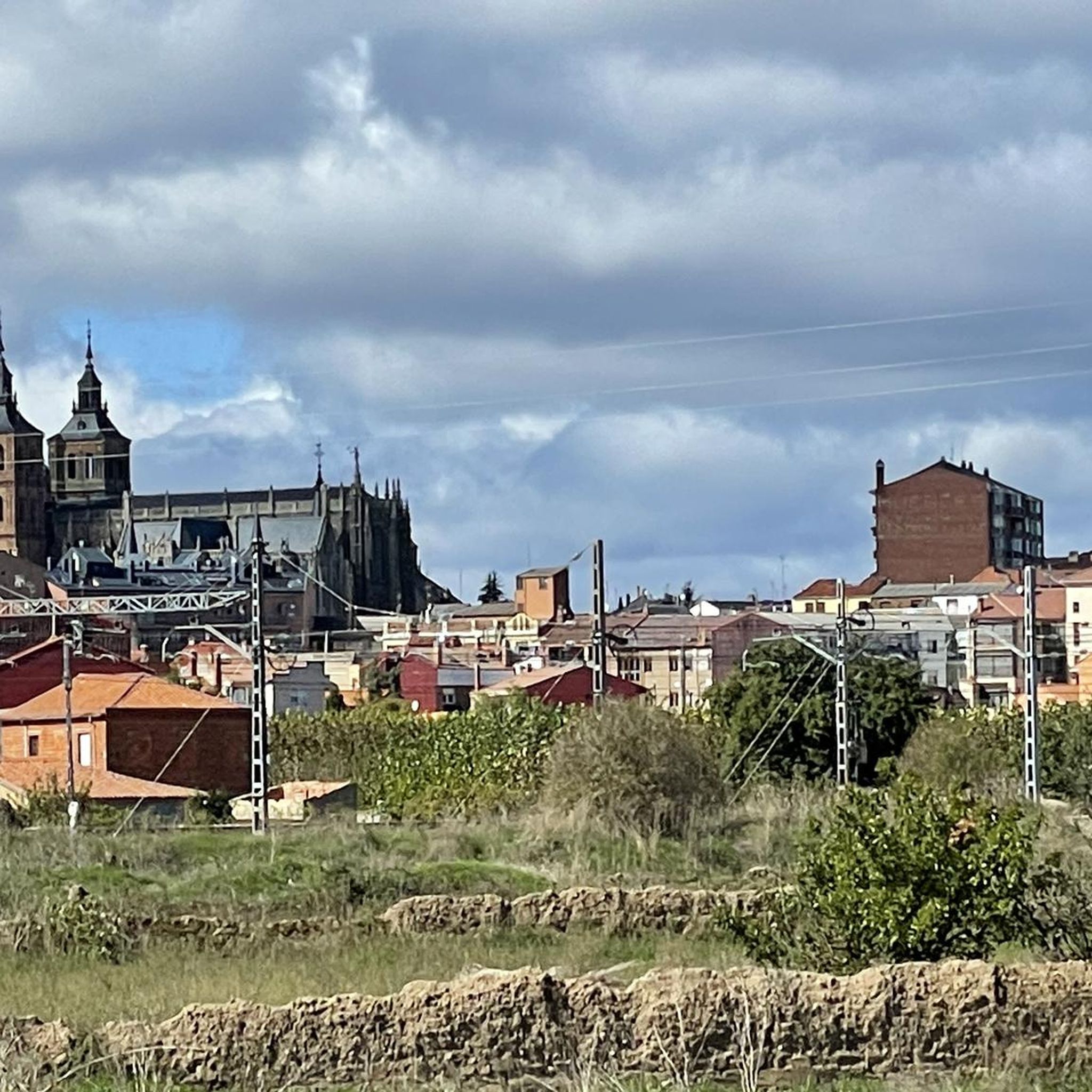
Best attractions and places to see around Villaobispo De Otero, a municipality in León, Spain, offers a blend of cultural heritage and natural beauty. The region is characterized by its various localities and historical reliance on agriculture and livestock. Visitors can explore cultural sites, natural features, and historical landmarks within the municipality and its close proximity to Astorga.
Best attractions and places to see around Villaobispo De Otero
- The most popular attractions is Cathedral of Saint Mary of Astorga,…
Last updated: July 21, 2026
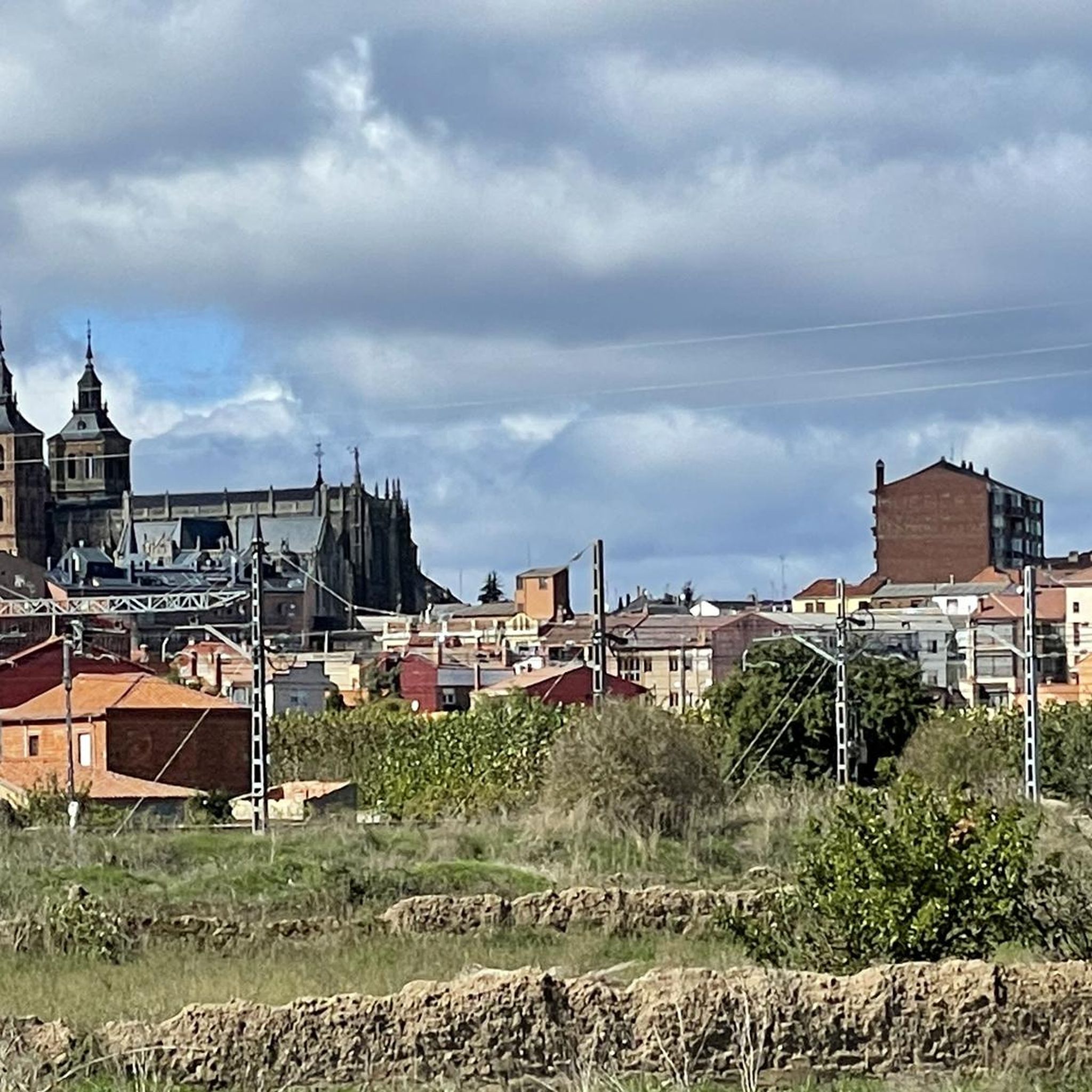
Cathedral of Saint Mary of Astorga
Highlight • Religious Site
Translated by Google •
Tip by

Episcopal Palace of Astorga (Gaudí Palace)
Highlight • Castle
Translated by Google •
Tip by
Sign up now to discover places like this
Get recommendations on the best single tracks, peaks, & plenty of other exciting outdoor places.
Sign up for free
The Garden of the Soul
Highlight • Rest Area
Translated by Google •
Tip by
Ecce Homo Hermitage
Highlight • Religious Site
Mandatory stop on the way to Santiago. Built in the 16th century.
Translated by Google •
Tip by
Tengo Sed Pilgrim Statue
Highlight • Monument
It is located at the entrance to the town of San Justo de la Vega
Translated by Google •
Tip by
Sign up for free to discover even more attractions around Villaobispo De Otero.
Sign up for free
Already have an account?
Start today with a free account
Your next adventure awaits.
Login or Signup
Tips from the Community

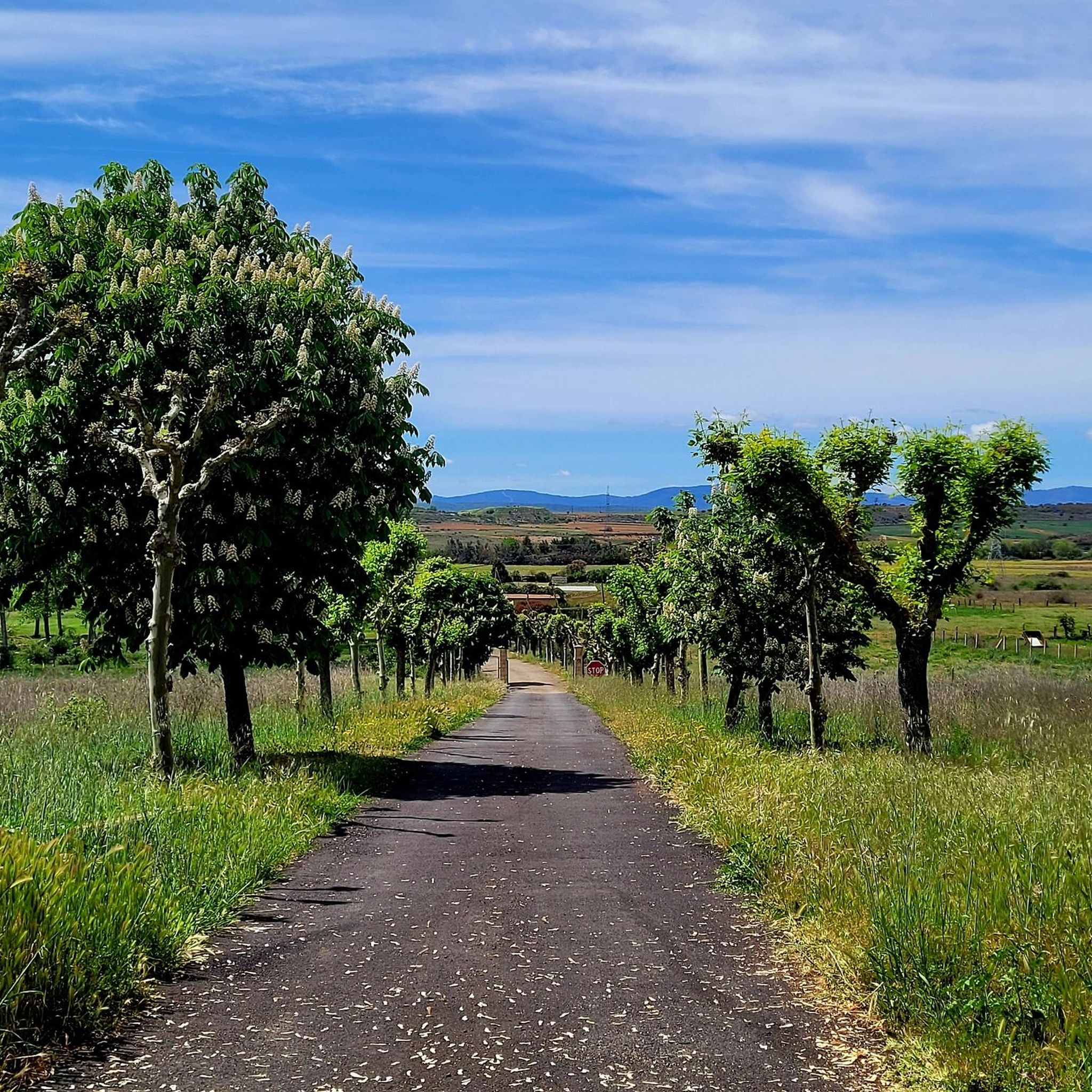
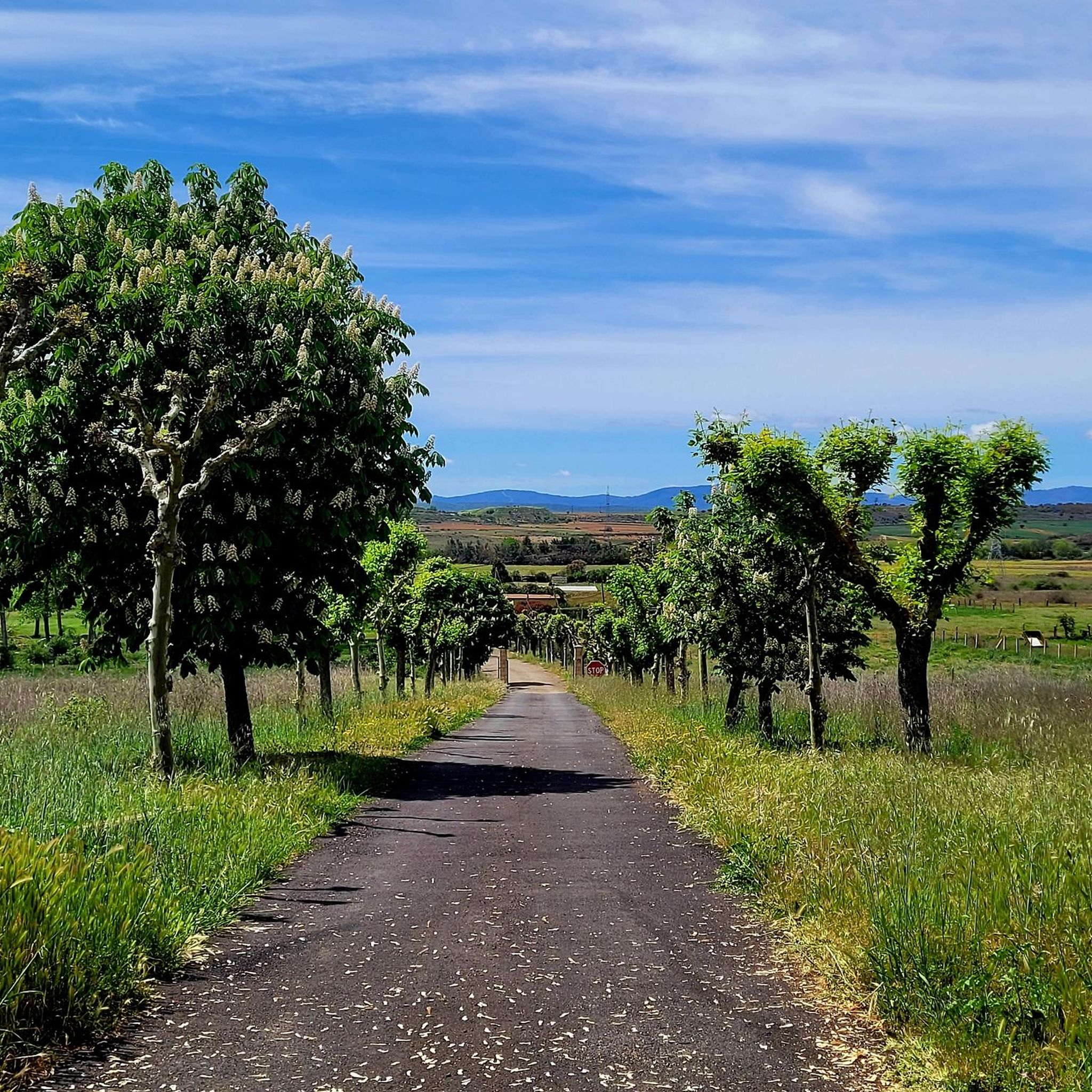
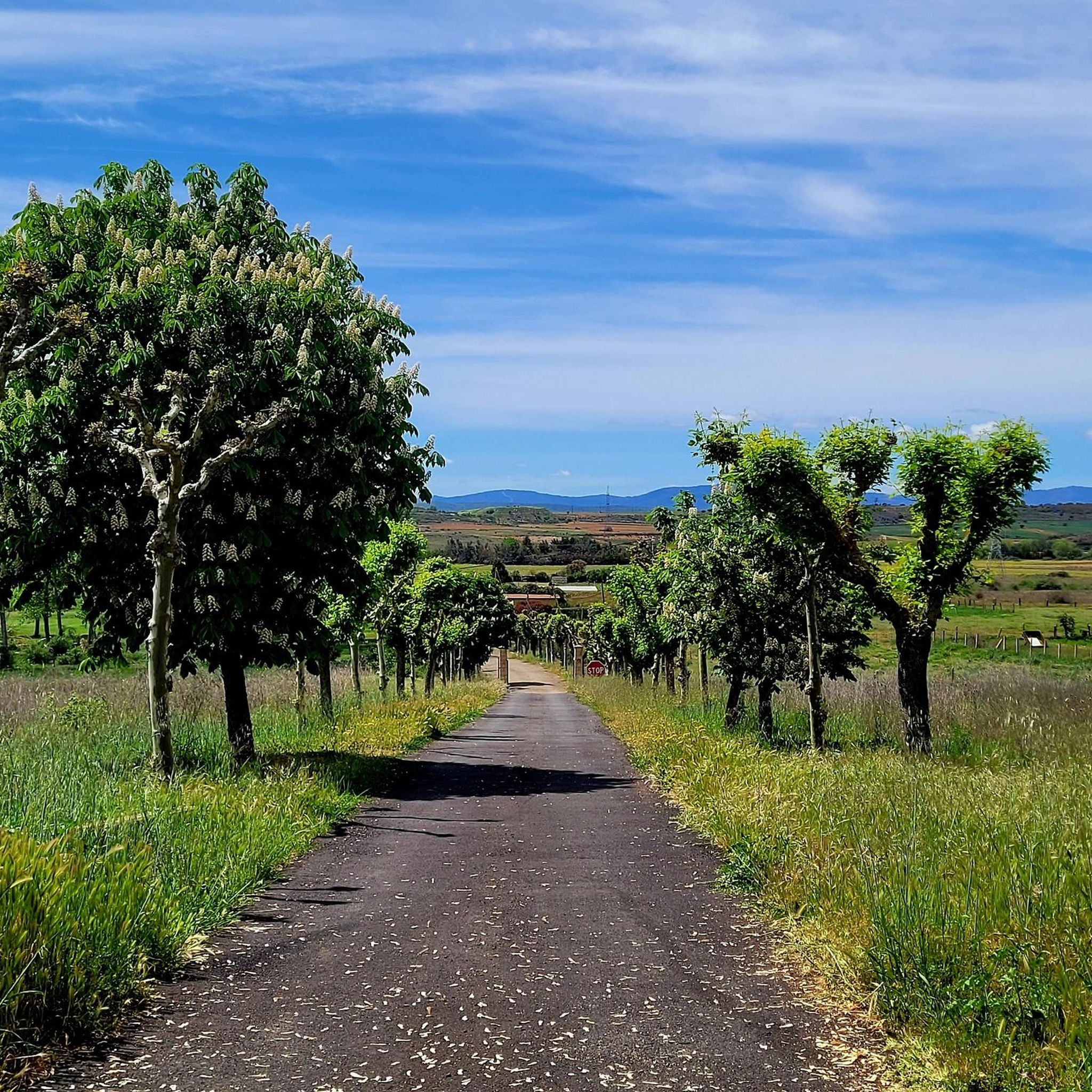
For me, this place is a piece of paradise on the Camino. Take a short break in the shade. Enjoy some of the delicacies (fruit, eggs, cake, etc.). In this atmosphere, it's easy to relax, rejuvenate, and move on more easily (and happier).
1
0

This shrine was not dedicated to a person venerated as holy, but rather the church and the place were placed under the protection of the incarnate Son of God. However, the patronage of "ECCE HOMO" does not focus on the almighty God—as Creator of heaven and earth, for example—but rather on the suffering God. For precisely because Jesus Christ bore the pain of suffering and death, we Christians are redeemed for all time. In the traditional Stations of the Cross, we pray at the third station: "He was pierced for our transgressions, he was crushed for our iniquities. He had no form or comeliness, a man of sorrows, acquainted with infirmity," an apt description of "Ecce Homo."
2
0
This sanctuary was not dedicated to a person venerated as holy, but rather this place of a miracle (see the post by @Willem VS) was placed under the protection of the incarnate Son of God. However, the patronage of "ECCE HOMO" does not focus on the almighty God—for example, as the Creator of heaven and earth—but rather on the suffering God. For it is precisely because Jesus Christ bore the pain of suffering and death that we Christians are redeemed for all time. In the traditional Stations of the Cross, we pray at the third station: "He was pierced for our transgressions, he was crushed for our iniquities. He had no form or comeliness, a man of sorrows, acquainted with infirmity." This is an apt description of "Ecce Homo."
3
0

A small chapel not far from Astorga on the Camino towards "El Ganso." An elderly lady sits here, waiting for pilgrims to give them a stamp.
2
0
The Bishop's Palace of Astorga is one of only three buildings that Antoni Gaudí built outside Catalonia.
3
0

Small and suggestive hermitage located directly along the Camino
5
0
In the heart of Astorga, right next to the cathedral, lies one of the most unusual bishop's residences on the Iberian Peninsula: the Palacio Gaudi. It was designed and built by the famous Spanish architect of the same name (Antonio Gaudi, 1852-1926). A visit to the museum housed here is worthwhile both for the exhibits on display and, of course, for the imaginative architecture of the building.
2
0

On June 24, 1889, the prelate's name day, the first stone was laid. They had planned to complete the work on the palace in June 1894, but the bishop died in 1893, and this event radically changed the course of the work, paralyzed by the hostility between Gaudí and the Diocesan Council. Finally, Antonio Gaudí resigned from his post as chief architect, very upset by the treatment he received. In 1905, D. Julián de Diego y Alcolea ruled the diocese of Astorga and tried to convince Gaudí to return to the works of the palace, but he did not succeed. Ricardo García-Guereta, diocesan of León, was appointed architect and completed the work on October 12, 1913, as bishop D. Julián de Diego y Alcolea
4
0
Frequently Asked Questions
What cultural and historical sites can I explore within Villaobispo de Otero?
Within the municipality, you can visit the Museo Centro Torreón de Pernía in Otero de Escarpizo. This ethnographic museum, housed in the restored Palacio Torreón de Pernía, showcases the heritage of the La Cepeda region with over 600 pieces, including farming tools and archaeological artifacts. Additionally, you can find the ancient Batanes de la Encorralada, old hydraulic fulling mills hidden amidst lush vegetation, dating back to at least 1803.
Are there any natural attractions or places to relax outdoors in the municipality?
Yes, the Playa Fluvial de Sopena de Carneros in Sopena de Carneros offers a refreshing spot along the Tuerto river. It's a wide, clean river beach with meadows and shade from poplar and willow trees, popular during summer. Historically, this area was also home to the 'La Forti' spa, known for its medicinal waters.
What family-friendly activities are available around Villaobispo de Otero?
Many attractions are suitable for families. The Cathedral of Saint Mary of Astorga and the Episcopal Palace of Astorga (Gaudí Palace), both near Villaobispo de Otero, are marked as family-friendly. The Museo Centro Torreón de Pernía also offers educational exhibits. For outdoor relaxation, the Playa Fluvial de Sopena de Carneros is a great family spot.
What kind of outdoor routes are available for hiking or cycling near Villaobispo de Otero?
There are various outdoor routes nearby. For hiking, you can explore trails like the 'Astorga City Tour' or 'Murals in Astorga – Pilgrim Monument loop'. If you're into mountain biking, options include 'Ascent to Alto de la Veiga and Miners' or 'Gaudí Palace – Plaza Mayor Building Facades loop'. You can find more details on these and other routes in the Hiking around Villaobispo De Otero and MTB Trails around Villaobispo De Otero guides.
Are there any attractions designed by Antoni Gaudí near Villaobispo de Otero?
Yes, the renowned architect Antoni Gaudí designed the distinctive Neo-Gothic Episcopal Palace of Astorga (Gaudí Palace). Located just north of Villaobispo de Otero in Astorga, this building now houses the Museum of the Ways and is a significant architectural landmark.
What is the best time of year to visit Villaobispo de Otero?
The summer months are particularly popular for visiting Villaobispo de Otero, especially for enjoying the Playa Fluvial de Sopena de Carneros. However, the region's cultural sites and historical landmarks can be explored year-round. Spring and autumn offer milder weather, ideal for hiking and exploring the villages.
What can I see in the main village of Villaobispo de Otero itself?
The village of Villaobispo de Otero, as the municipal seat, features the Town Hall and a Casa de Cultura. You can also see its village church, partially reconstructed after a 1950s collapse, and some houses adorned with unique 1930s shields depicting dinosaurs and storks, adding to its local charm.
Are there any places to rest or get refreshments for travelers on the Camino de Santiago?
Yes, The Garden of the Soul is a highly-rated facilities stop on the Camino de Santiago, offering a resting place with food and drink options on a contribution basis. It's known for its generous offerings and welcoming atmosphere for pilgrims.
What are some notable religious sites in the vicinity?
The most significant religious site nearby is the Cathedral of Saint Mary of Astorga, known for its Gothic architecture built between the 15th and 18th centuries. Another notable site is the Ecce Homo Hermitage, a small and suggestive hermitage located along the Camino de Santiago, built in the 16th century.
What do visitors enjoy most about the attractions around Villaobispo de Otero?
Visitors appreciate the blend of cultural heritage and natural beauty. The historical significance of sites like the Astorga Cathedral and Gaudí Palace, combined with the tranquility of places like the river beach, are frequently highlighted. The unique ethnographic insights provided by the Museo Centro Torreón de Pernía and the charm of the smaller villages also receive positive feedback.
Are there any running trails available near Villaobispo de Otero?
Yes, there are several running trails in the area, particularly around Astorga. Examples include the 'Street Art @ Astorga – Astorga loop' and the 'Gaudí Palace – Astorga loop'. These routes offer varying distances and moderate difficulty. More options can be found in the Running Trails around Villaobispo De Otero guide.
Can I explore other traditional villages within the municipality?
Absolutely. The municipality of Villaobispo de Otero encompasses six villages in total: Villaobispo de Otero, Brimeda, Carneros, La Carrera de Otero, Otero de Escarpizo, and Sopena de Carneros. Exploring these smaller villages offers a glimpse into traditional Leonese rural life and local charm.
Most popular routes around Villaobispo De Otero
Most popular attractions around Villaobispo De Otero

Get inspired with the komoot mobile app


Explore more
Still not found the Highlight you’re looking for? See guides of the top attractions in other regions:
