Attractions and Places To See around Aldeaseca De La Frontera - Top 5
Best attractions and places to see around Aldeaseca De La Frontera include historical religious architecture and natural features. This municipality in Salamanca, Spain, offers a glimpse into traditional Castilian life, situated on the tranquil Salmantine plain. The broader region provides access to diverse natural and cultural attractions, including natural parks and river landscapes. Visitors can explore a mix of historical sites and serene natural settings.
Best attractions and places to see around Aldeaseca De La Frontera
- The most popular attractions…
Last updated: October 30, 2026
Church of San Miguel of Peñaranda de Bracamonte
Highlight • Religious Site
Translated by Google •
Tip by

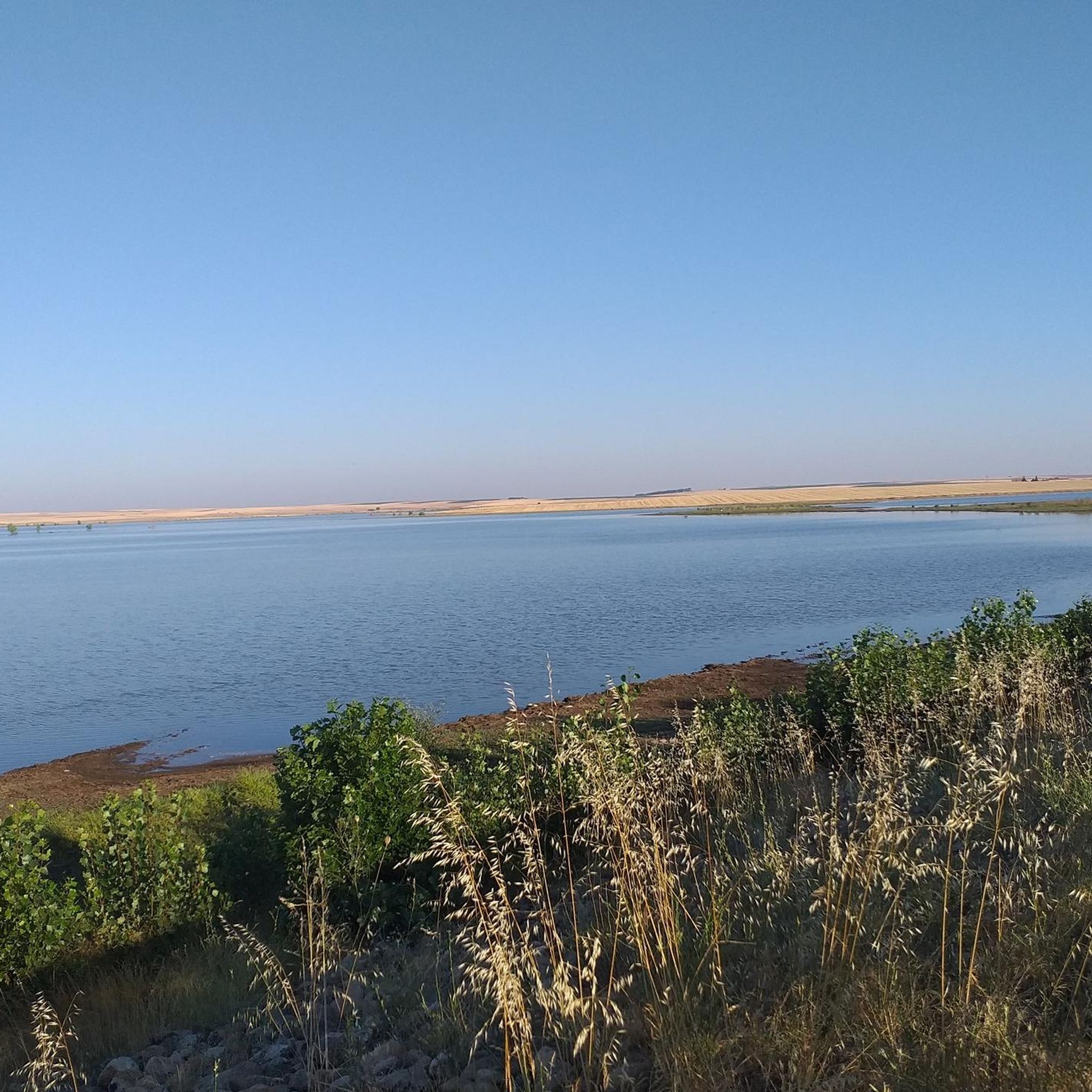
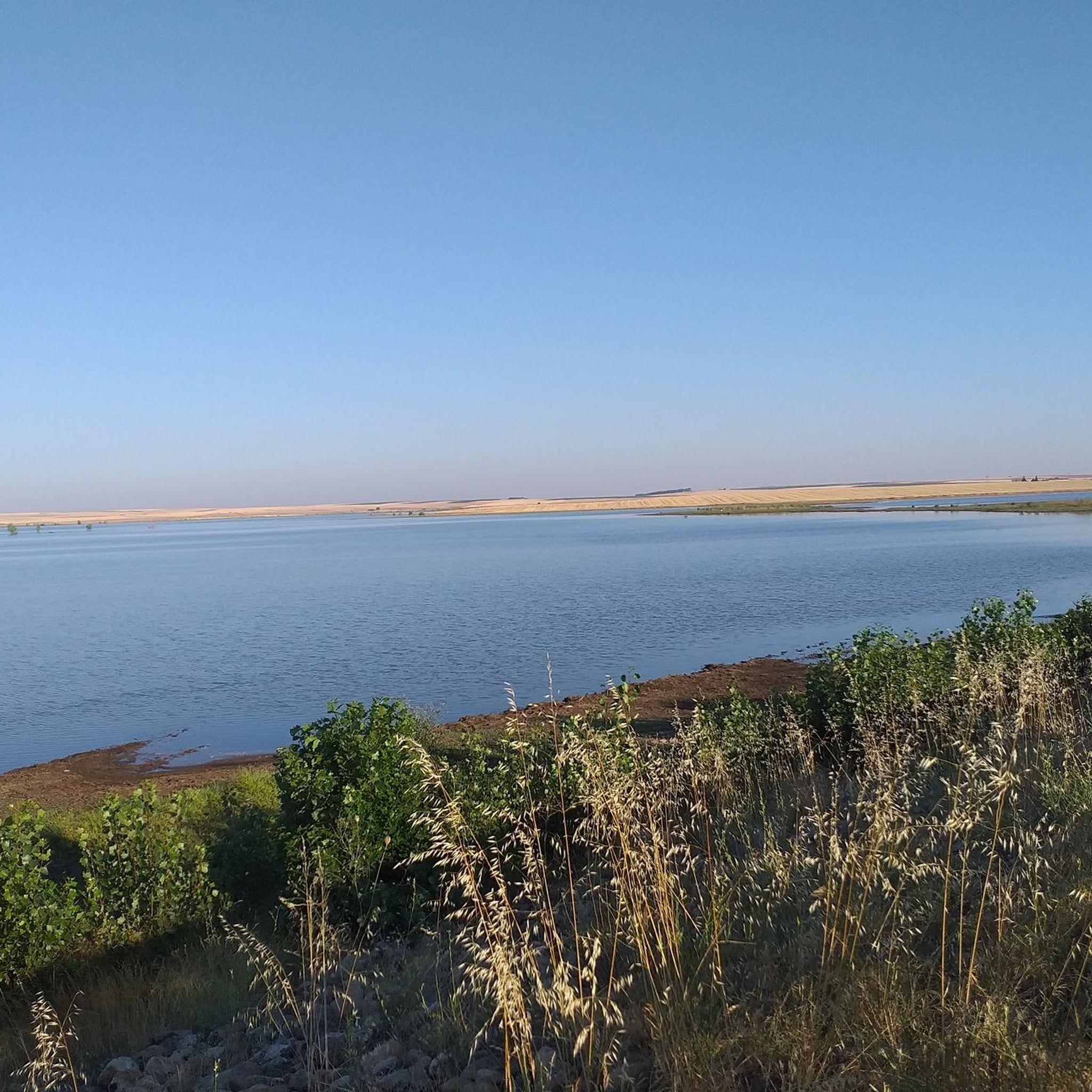
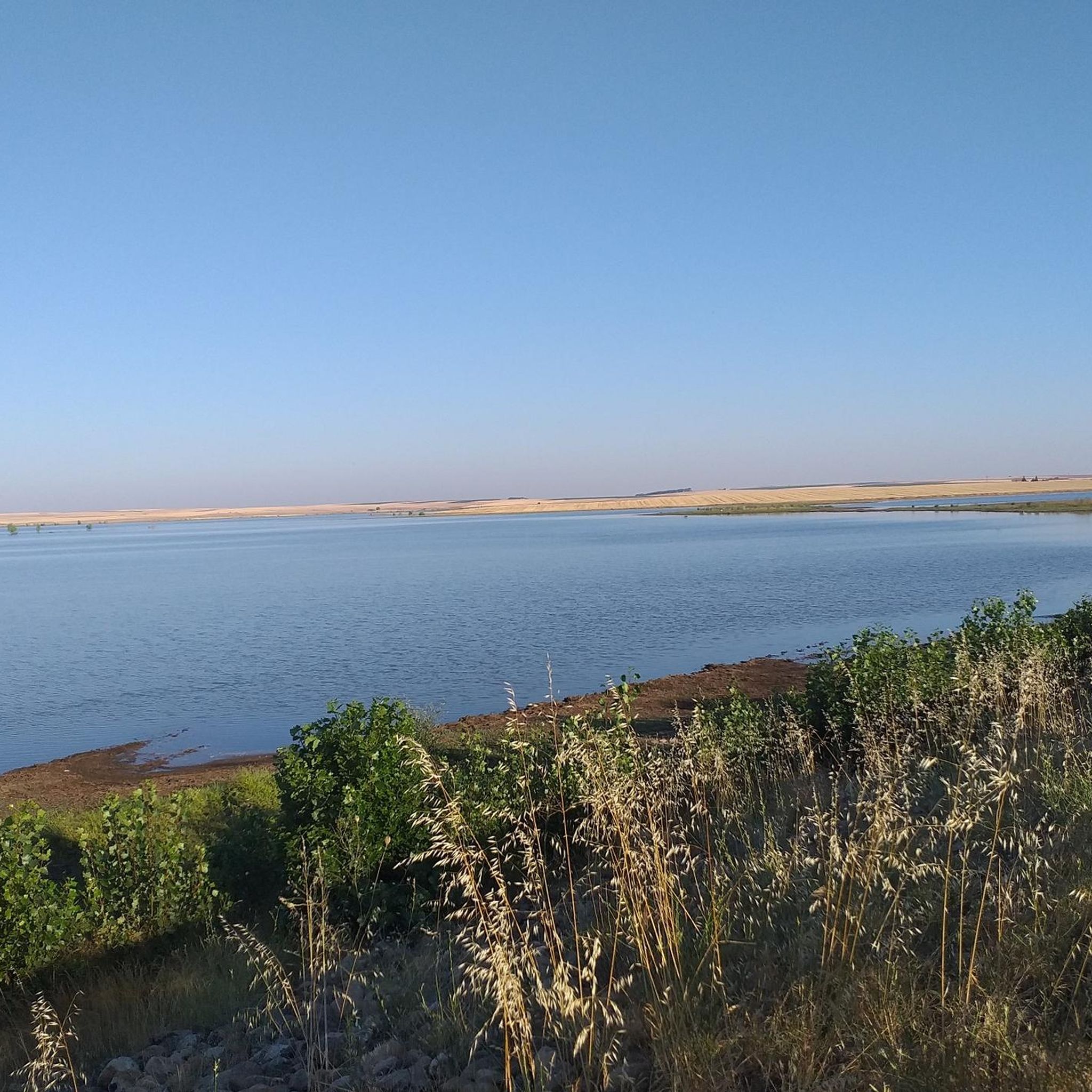
Riolobos Weir
Highlight • Lake
Translated by Google •
Tip by

Sign up now to discover places like this
Get recommendations on the best single tracks, peaks, & plenty of other exciting outdoor places.
Río Lobos Weir
Highlight • Lake
Translated by Google •
Tip by
Church of the Assumption
Highlight • Religious Site
Translated by Google •
Tip by
Church of Riolobos
Highlight • Religious Site
Translated by Google •
Tip by

Sign up for free to discover even more attractions around Aldeaseca De La Frontera.
Already have an account?
Start today with a free account
Your next adventure awaits.

Tips from the Community

At the Río Lobos Dam, you can take a circular route around it. You can see many birds.
0
0
Very relaxing area there are many birds
0
0

The Church of San Miguel in Peñaranda de Bracamonte is a beautiful classicist-style temple, built in quarry stone. Although its interior was severely damaged in 1971, its imposing exterior façade remains a testament to its history. After the fire of 1971, only the main altar chapel was saved, where the main altarpiece was located, a baroque masterpiece made by Sebastián Ducete and Esteban de Rueda. The chapel of San Antonio is also preserved, and in it you can see the Cristo de la Cama, an object of great local devotion. The stone baptismal font is original and was remodeled under the direction of Fernando Pulín, who received the National Restoration Award for his work. If you ever visit Peñaranda de Bracamonte, be sure to admire this architectural gem. 🌟🏰
2
0

The patronage of this place of worship “Santa Maria Asunción” or “Nuestra Señora de La Asunción” (in German-speaking countries it is called “Assumption of Mary”) refers to one of the many memorial or feast days in honor of the Blessed Mother Mary in the church year. It goes back to the festival of her physical assumption into heaven, which the (Catholic) Church celebrates annually on August 15th. In the Orthodox churches the festival is celebrated under the name “Assumption of the Virgin Mary”. In rural areas, depending on the region, it is part of the local custom that bundles of herbs are collected by the population on this day and blessed in the festival service.
2
0
This church was dedicated to the Archangel Michael "San MIGUEL". The name (coming from the Hebrew language) means "Who is like God?". He is often depicted - in paintings or as a statue - with a flaming sword, and occasionally a lance. Michael / Miguel is - along with Raphael, Gabriel and Uriel - one of the four archangels who (according to human understanding) occupy the highest rank in the heavenly hierarchy of angelic beings. Their common feast day in the saints' calendar is September 29th.
1
0

Church of Nuestra Señora de La Asunción is a Mudejar-style church, renovated in the 16th century. From the first construction phase (12th - 13th centuries), only part of the central apse remains. Its tower stands out, called "La Buena Moza", visible from several kilometers.
2
0

The history of this town is linked to the fact that it is the head of a region, Tierra de Peñaranda, also known as Campo de Peñaranda. Its churches and streets are very beautiful!
0
0
The Renaissance-style parish church of San Miguel has existed since the mid-15th century as a church-fortress. Its interior was almost completely destroyed in 1971 after a fire.
4
0
Frequently Asked Questions
What historical religious sites can I visit near Aldeaseca de la Frontera?
The region is rich in religious architecture. You can explore the Church of Riolobos, built between the 12th and 13th centuries, or the Church of San Miguel of Peñaranda de Bracamonte, a Renaissance-style church-fortress. Don't miss the Church of the Assumption, a Mudejar-style church with a distinctive tower known as 'La Buena Moza'.
Are there any natural features or viewpoints to enjoy around Aldeaseca de la Frontera?
Yes, the Riolobos Weir is a tranquil lake offering significant landscape and environmental value, ideal for bird watching. The broader Salamanca province also features impressive natural areas like the Sierra de Francia and Las Batuecas Natural Park, known for deep valleys and diverse flora.
What outdoor activities are available near Aldeaseca de la Frontera?
You can find various outdoor activities in the area. For hiking, explore routes like 'Ride to Azud de Riolobos' or 'Peñaranda de Bracamonte and Cantaracillo Loop'. Mountain biking enthusiasts can try the 'Southeast Route' or 'Convento de Duruelo – Fuente del Oro loop'. Road cyclists have options such as 'Ascents to the Sierra de Ávila and Villanueva' or 'Peñaranda Loop: Azud de Riolobos and Zorita de la Frontera'. You can find more details on these and other routes in the hiking, MTB, and road cycling guides for the area.
Is the Sierra de Francia Natural Park easily accessible from Aldeaseca de la Frontera?
The Sierra de Francia and Las Batuecas Natural Park is located south of Salamanca province. While not immediately adjacent to Aldeaseca de la Frontera, it is a significant natural attraction within the broader region and is accessible for a day trip or longer stay, offering stunning landscapes and traditional villages.
Are there any family-friendly attractions in the area?
Yes, the Riolobos Weir is considered family-friendly, offering a peaceful setting for enjoying nature and bird watching. The settlement of Zorita de la Frontera, with its unique church and potential for spotting storks, can also be an interesting stop for families.
What is the best time of year to visit Aldeaseca de la Frontera for outdoor activities?
The region experiences a continental climate. Spring (April-May) and autumn (September-October) generally offer pleasant temperatures for outdoor activities like hiking and cycling, avoiding the peak heat of summer and the colder winter months. These seasons also provide beautiful natural scenery.
Can I see storks at any of the attractions?
Yes, if you visit Zorita de la Frontera, you might be lucky enough to see storks nesting on top of the bell tower, depending on the season.
What is unique about the Church of San Miguel of Peñaranda de Bracamonte?
The Church of San Miguel of Peñaranda de Bracamonte is a Renaissance-style church that originally served as a church-fortress. Although its interior was largely destroyed by a fire in 1971, its imposing exterior façade and the preserved main altar chapel with a Baroque masterpiece by Sebastián Ducete and Esteban de Rueda make it a notable historical site.
Are there any other significant natural parks in the Salamanca province besides Sierra de Francia?
Yes, the Arribes del Duero Natural Park is another significant natural area in the province. It is recognized as a UNESCO Biosphere Reserve and features impressive landscapes formed by river canyons, offering a different natural experience from the Sierra de Francia.
What can visitors expect from the Church of the Assumption?
The Church of the Assumption is a Mudejar-style church that underwent extensive renovations in the 16th century. It preserves parts of its original 12th-13th century construction, including a semicircular brick apse. Its tower, known as 'La Buena Moza', is a prominent landmark visible from several kilometers away.
What is the significance of the Mudejar apse in the Church of San Pedro Apóstol in Aldeaseca de la Frontera?
The Church of San Pedro Apóstol, approximately eight centuries old, is notable for its Mudejar apse. This architectural style features a distinctive archway originating from a brick plinth, topped with a curb course, showcasing a blend of Christian and Islamic artistic traditions unique to the Iberian Peninsula.
What kind of landscape characterizes the immediate area around Aldeaseca de la Frontera?
Aldeaseca de la Frontera is situated on the tranquil Salmantine plain. This area is part of the Campo Charro, characterized by extensive plains and dehesa (holm oak meadows), reflecting a traditional Castilian landscape.

Get inspired with the komoot mobile app


Explore more
Still not found the Highlight you’re looking for? See guides of the top attractions in other regions:
