Attractions and Places To See around La Joyosa - Top 20
Best attractions and places to see around La Joyosa include a mix of natural landscapes and historical structures. The region features wetlands, river trails, and significant architectural works related to the Imperial Canal of Aragon. These sites offer opportunities to explore the local environment and historical engineering.
Best attractions and places to see around La Joyosa
- The most popular attractions is Clavería Bridge over the Imperial Canal of Aragon, a bridge that is a historic arch structure built in…
Last updated: July 7, 2026
Galacho-Pontoneros Trail
Highlight (Segment) • Trail
Translated by Google •
Tip by

Jalón River Aqueduct (El Caracol)
Highlight • Bridge
Translated by Google •
Tip by

Sign up now to discover places like this
Get recommendations on the best single tracks, peaks, & plenty of other exciting outdoor places.
Sign up for free
Balsa de Larralde
Highlight • Lake
Translated by Google •
Tip by

Soto de la Alameda Trail
Highlight (Segment) • Trail
- This is an area, especially the one closest to Utebo, where many people walk or cycle. The path …
Translated by Google •
Tip by
Clavería Bridge over the Imperial Canal of Aragon
Highlight • Bridge
Translated by Google •
Tip by

Sign up for free to discover even more attractions around La Joyosa.
Sign up for free
Already have an account?
Start today with a free account
Your next adventure awaits.
Login or Signup
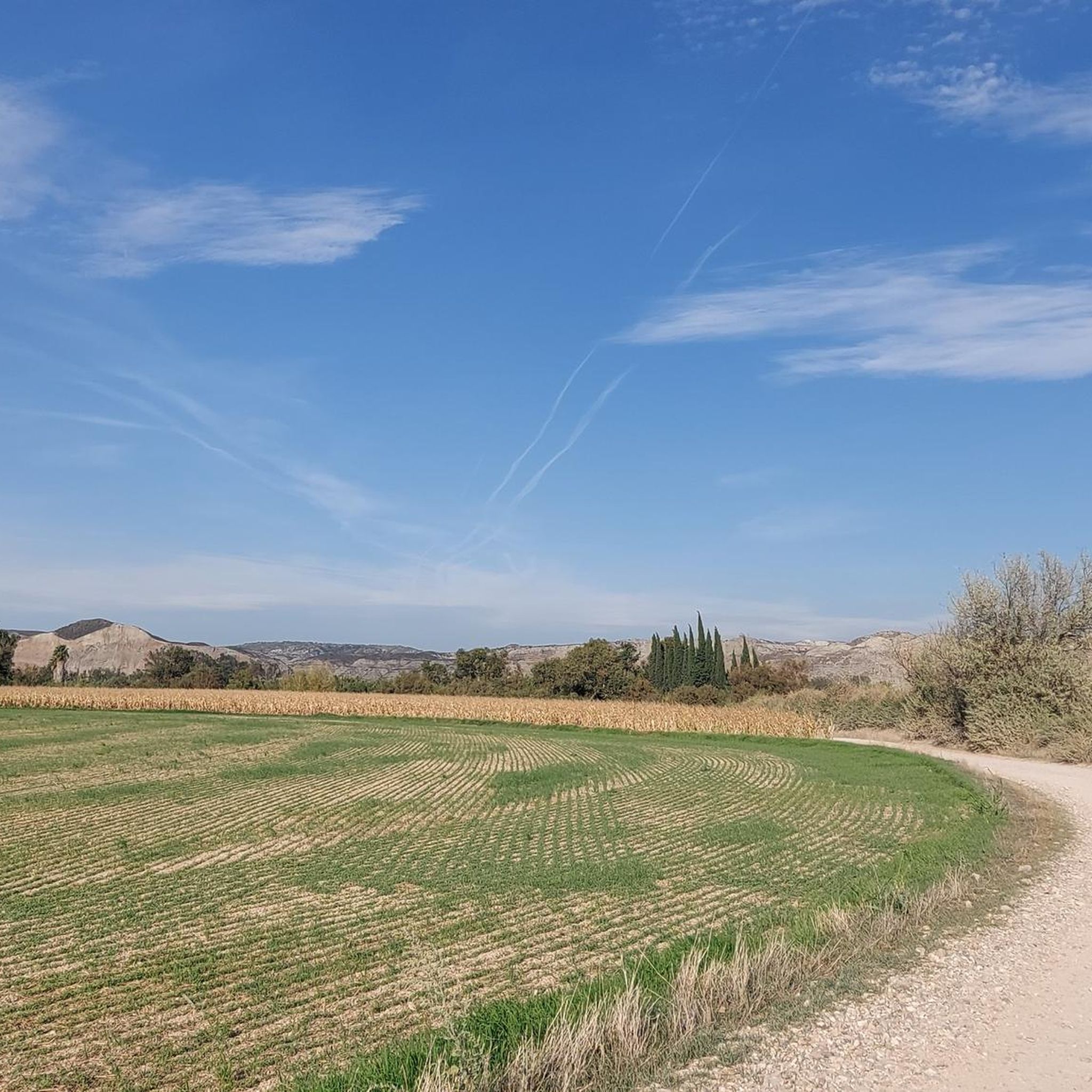
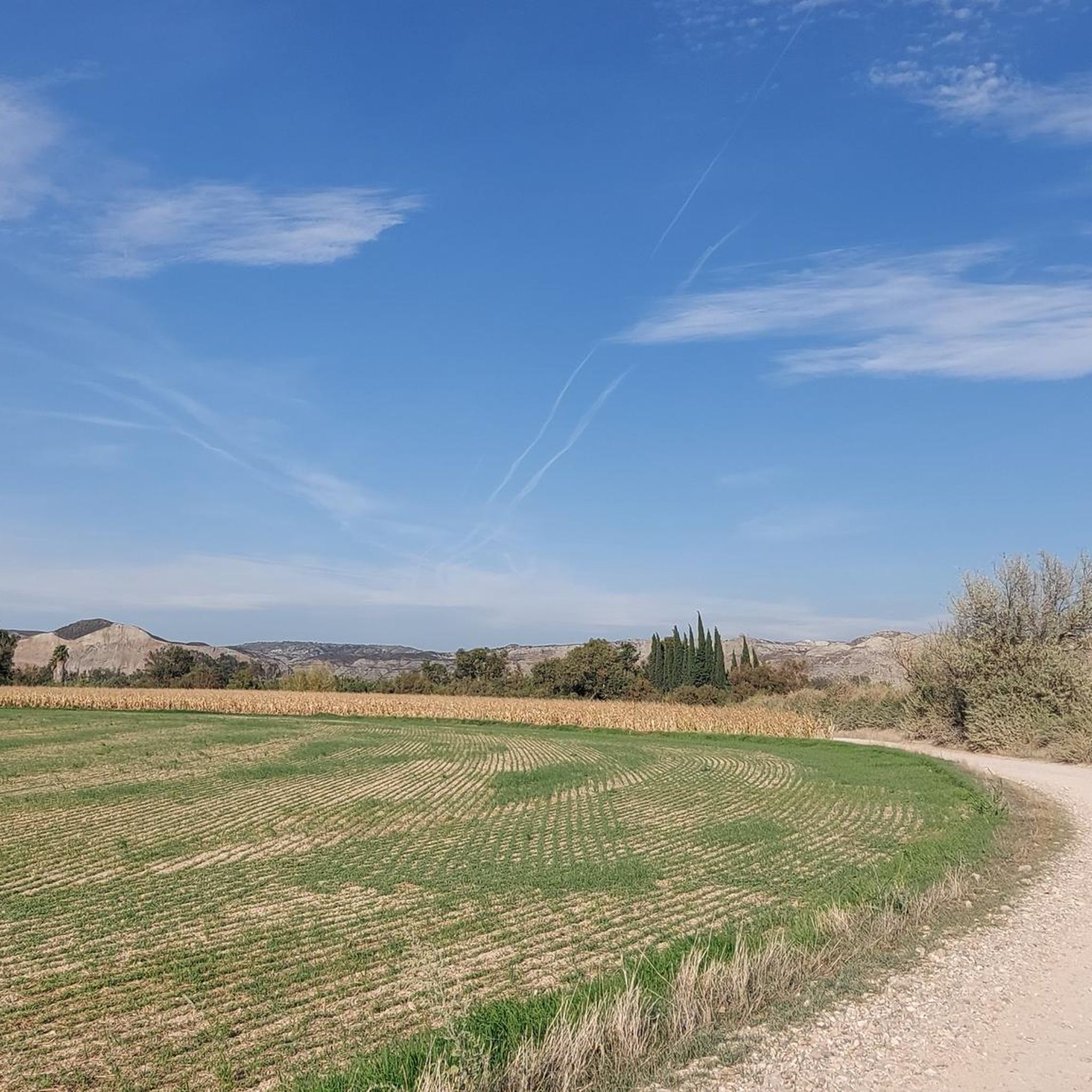
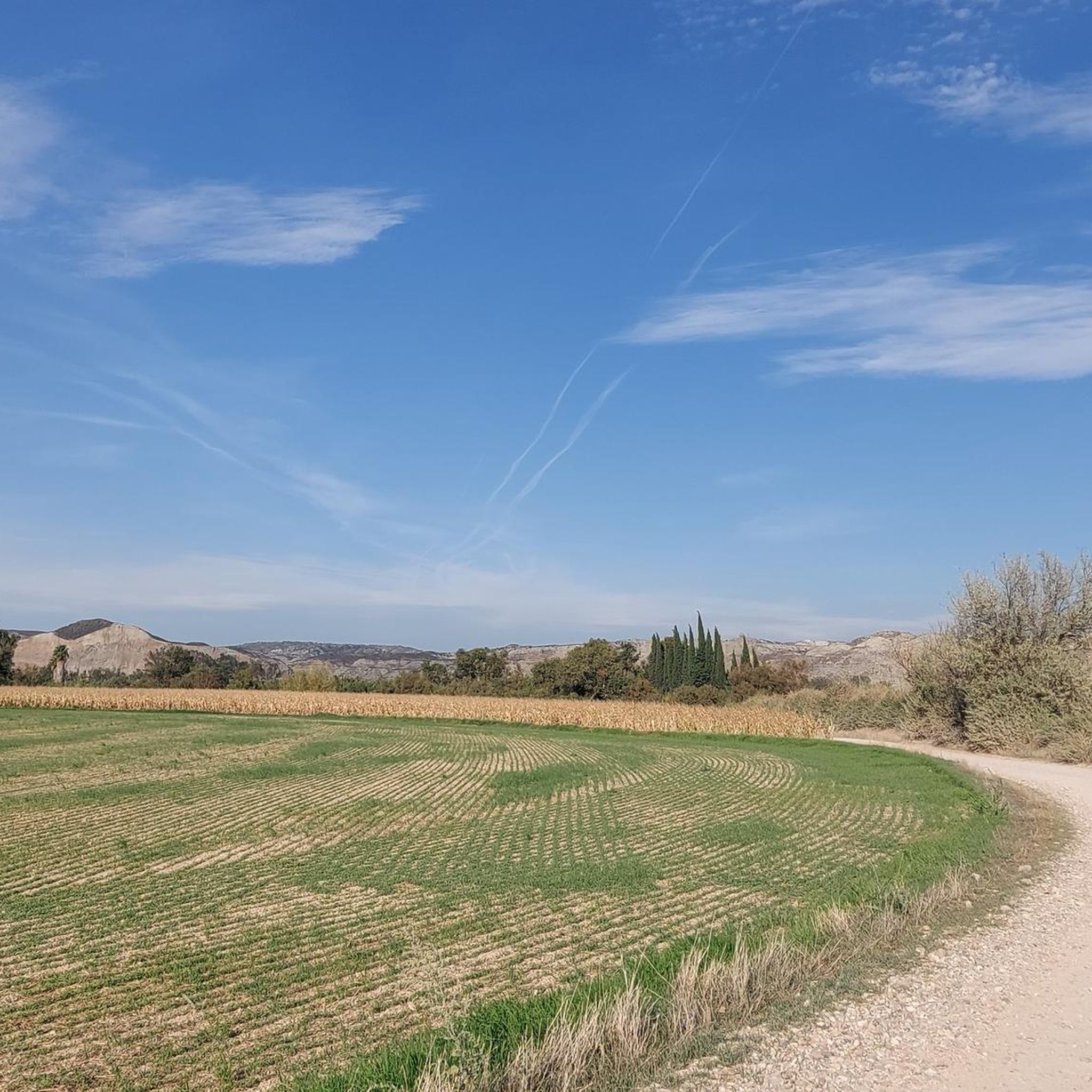
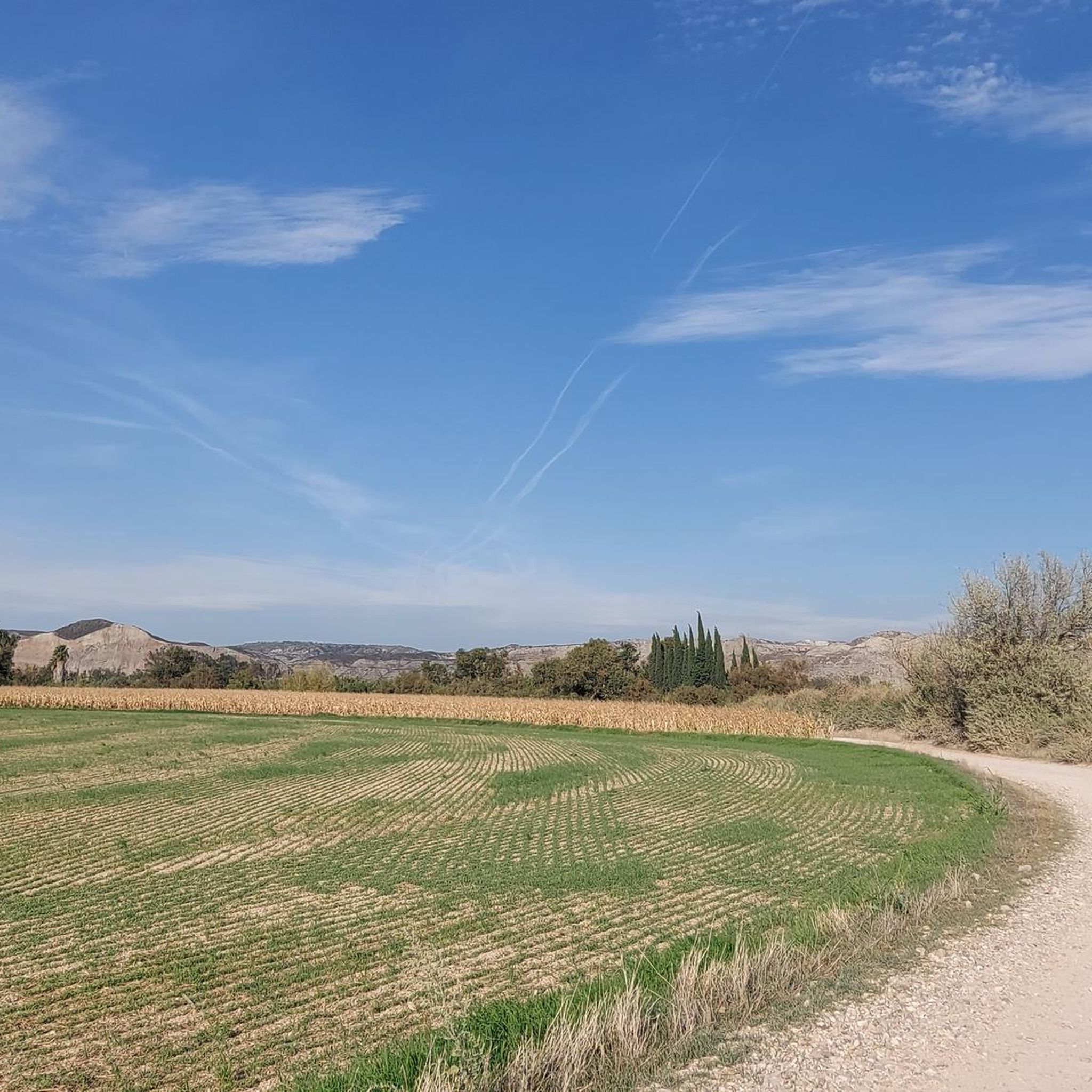


Tips from the Community

The Larralde raft is worth seeing, but not the rest.
0
0

Architecturally, it's stunning, but we couldn't find a way to follow the canal without getting our feet wet. In the end, we crossed the Jalón River under the canal and then rejoined it. The question remains whether we could have crossed the canal walls on foot. On the left side, there was an open metal gate (we were already on the right side), but on the other side of the Jalón River, we saw another metal gate locked with a padlock.
0
0

A few beautiful kilometers along the riverbank, but keep in mind: - This is an area, especially the one closest to Utebo, where many people walk or cycle. The path is narrow. Going slowly is the best way to enjoy it and for others to enjoy it too. - When the Ebro rises, some sections of this path can flood, making it untraversable. If it's flood season, it's best to avoid it, even if there's a way across. - In the area of the poplar grove closest to the Barca de Sobradiel, landslides have occurred along the banks as the Ebro rises. Always pay attention to the terrain in this area because sometimes cracks or holes are partially hidden by vegetation.
1
0

A very fun trail near the Juslibol swamps. Not recommended during the rainy season, as it floods easily.
0
0

Wikipedia The Jalón River Aqueduct, also known as the Grisén or Jalón Walls or El Caracol, is the most representative work of the construction of the Imperial Canal of Aragon, built in the 18th century. This aqueduct is located in the natural setting of El Caracol, between the municipalities of Alagón and Grisén, about 25 kilometers from the city of Zaragoza. The objective of this work was to cross the greatest obstacle found in the layout of the canal, the Jalón River. Initially, the creation of a large siphon beneath the waters of the Jalón was proposed, but finally the layout of the canal twists towards the Jalón Valley to face the river perpendicularly. A route of more than 2 kilometers in total length begins, of which 1,380 meters run between stone walls.
0
0

Nice stretch to enjoy along the path, sometimes covered by trees and other times more uncovered, which brings us closer to the bank of the Ebro, but without any technical difficulty.
0
0
A beautiful stretch of trail that runs through the thicket, near the riverbank, within a pleasant poplar forest. This is a flood-prone area, so it will be impassable during flooding.
0
0

The Larralde Raft together with the 'Ojo del Cura' and the 'Ojo del Fraile' are the last to form part of the set of Wetlands in the area, very important for the conservation of native fauna and flora and the water cycle.
1
1
Frequently Asked Questions
What natural attractions can I explore near La Joyosa?
You can discover several natural features, including the Galacho-Pontoneros Trail, a popular singletrack path running parallel to the Ebro river, ideal for walking and cycling. Another significant natural site is Balsa de Larralde, a wetland important for local flora and fauna, offering a viewpoint. Don't miss the Three-thorned acacia., a recognized natural monument known for its age and size.
Are there historical sites or man-made monuments to visit in the area?
Yes, La Joyosa is rich in historical engineering. You can visit the Clavería Bridge over the Imperial Canal of Aragon, an 18th-century arch structure that is well-preserved and offers great photographic opportunities. Another impressive site is the Jalón River Aqueduct (El Caracol), a significant 18th-century work of the Imperial Canal, featuring a picnic area and historical spiral staircase.
What outdoor activities can I do near these attractions?
The region around La Joyosa offers various outdoor activities. You can enjoy hiking, mountain biking, and road cycling. For detailed routes, explore the dedicated guides: Hiking around La Joyosa, MTB Trails around La Joyosa, and Road Cycling Routes around La Joyosa.
Are there easy walking trails suitable for families?
Yes, La Joyosa is known for its easy walking trails, particularly near the Ebro river. The Galacho-Pontoneros Trail is a popular path for walking. Many of the historical sites like the Clavería Bridge and the Jalón River Aqueduct are also considered family-friendly, offering pleasant strolls with historical interest.
What do visitors enjoy most about the attractions around La Joyosa?
Visitors appreciate the blend of natural beauty and historical significance. The well-preserved 18th-century structures like the Clavería Bridge are often highlighted for their photographic appeal. The Galacho-Pontoneros Trail is considered a 'gem of a trail' for its scenic river views, despite being narrow in parts.
Can I find circular walks near La Joyosa?
Yes, the hiking guide for the area includes several routes that can be enjoyed as circular walks. For example, the 'Pinseque and Imperial Canal of Aragón Loop' is a moderate 17 km hike. You can find more options in the Hiking around La Joyosa guide.
Are there any hidden gems or unique outdoor spots in La Joyosa?
The Balsa de Larralde wetland is a unique natural monument, part of an old set of lagoons formed by geological subsidence, offering a rich variety of flora and fauna. The Three-thorned acacia. is also a local landmark with a storied history, providing a glimpse into the region's agricultural past.
What is the best time to visit La Joyosa for outdoor activities?
The region experiences hot summers, so spring and autumn are generally the most pleasant seasons for outdoor activities like hiking and cycling. During these times, the weather is milder, making exploration of trails and historical sites more comfortable.
Are there any picnic areas or places to rest near the attractions?
Yes, the Jalón River Aqueduct (El Caracol) features a picnic area with tables and barbecue facilities, offering ample shade from large trees. This makes it a great spot for a break during your exploration.
What kind of wildlife can I expect to see in the natural areas?
At Balsa de Larralde, a significant wetland, you can expect to see a rich variety of native fauna and flora. The reedbeds and poplars surrounding the pond provide refuge and nesting grounds for diverse animal species, making it an important conservation area.
Is public transport available to reach attractions around La Joyosa?
While specific public transport routes to every individual highlight are not detailed, La Joyosa is a municipality within the Zaragoza province. It's advisable to check local bus services or regional transport options from Zaragoza to reach the general area, and then consider walking or cycling to specific attractions.
Are there any specific considerations for cyclists on trails like the Galacho-Pontoneros Trail?
The Galacho-Pontoneros Trail is a popular singletrack shared by cyclists and walkers. It's important to be mindful of others, especially as the path can be quite narrow. Cycling slowly and with caution ensures everyone can enjoy this 'gem of a trail' safely.
Most popular routes around La Joyosa

Get inspired with the komoot mobile app


Explore more
Still not found the Highlight you’re looking for? See guides of the top attractions in other regions:
