The best road cycling routes around Rickelsbüller Koog
4.2
(6)
124
riders
19
rides
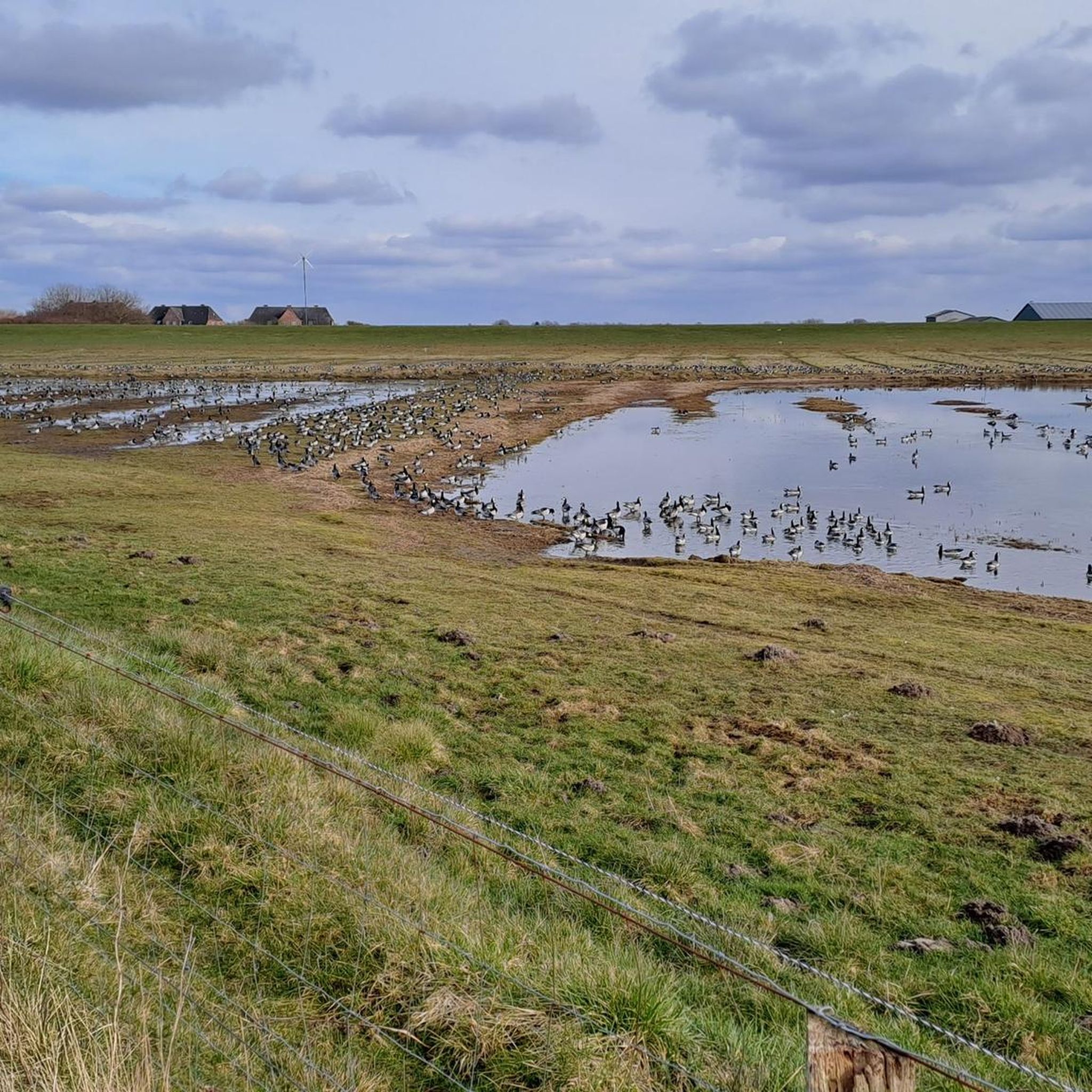
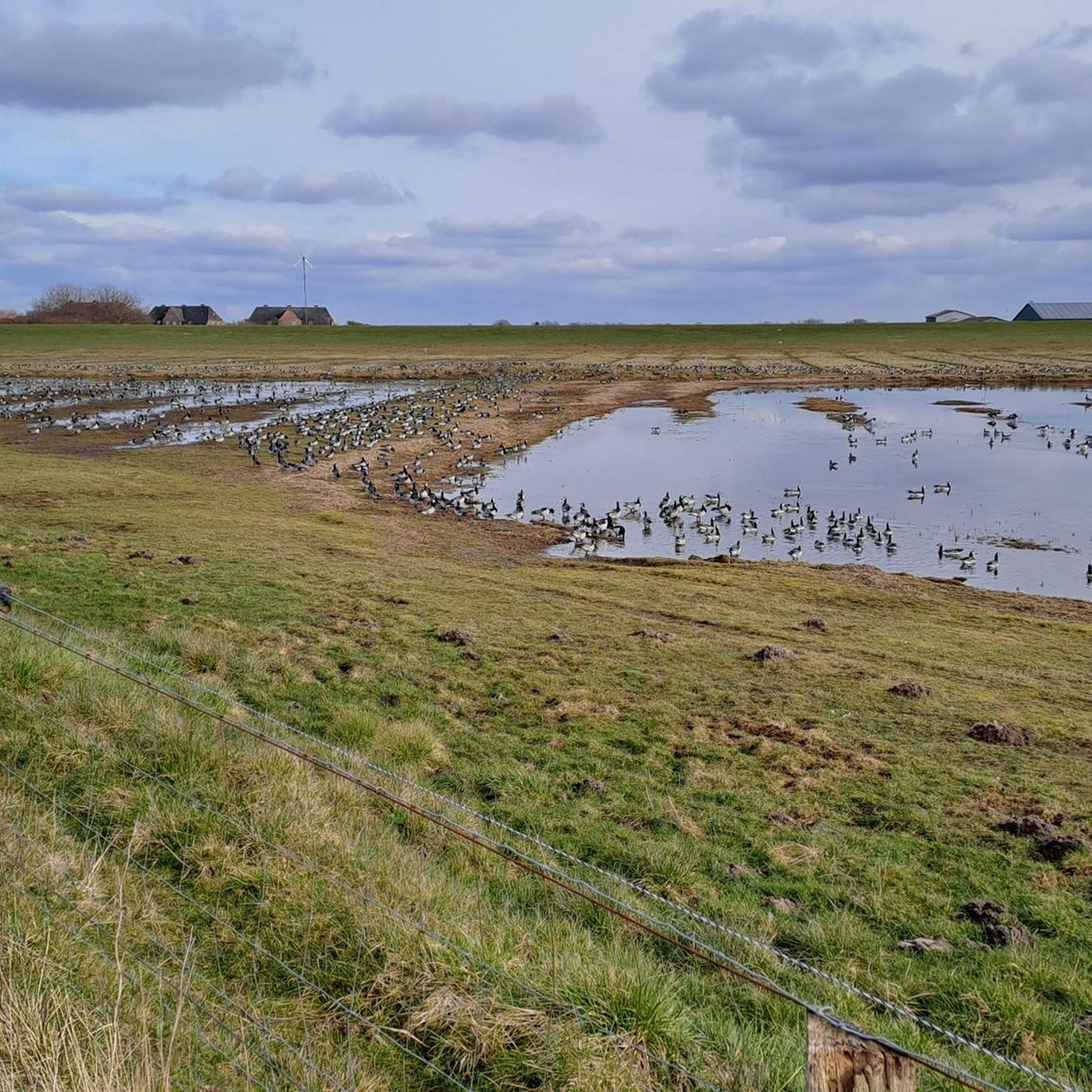
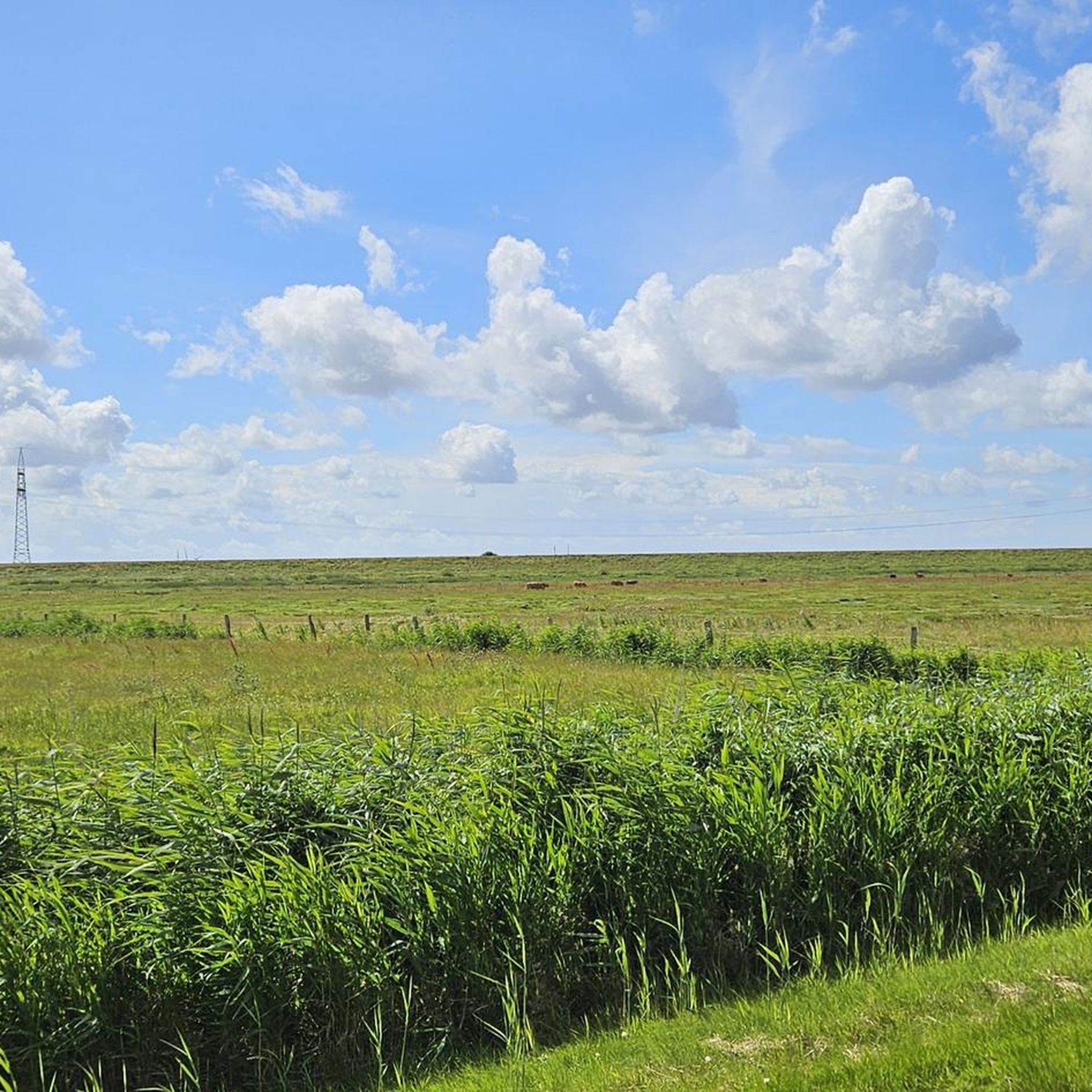
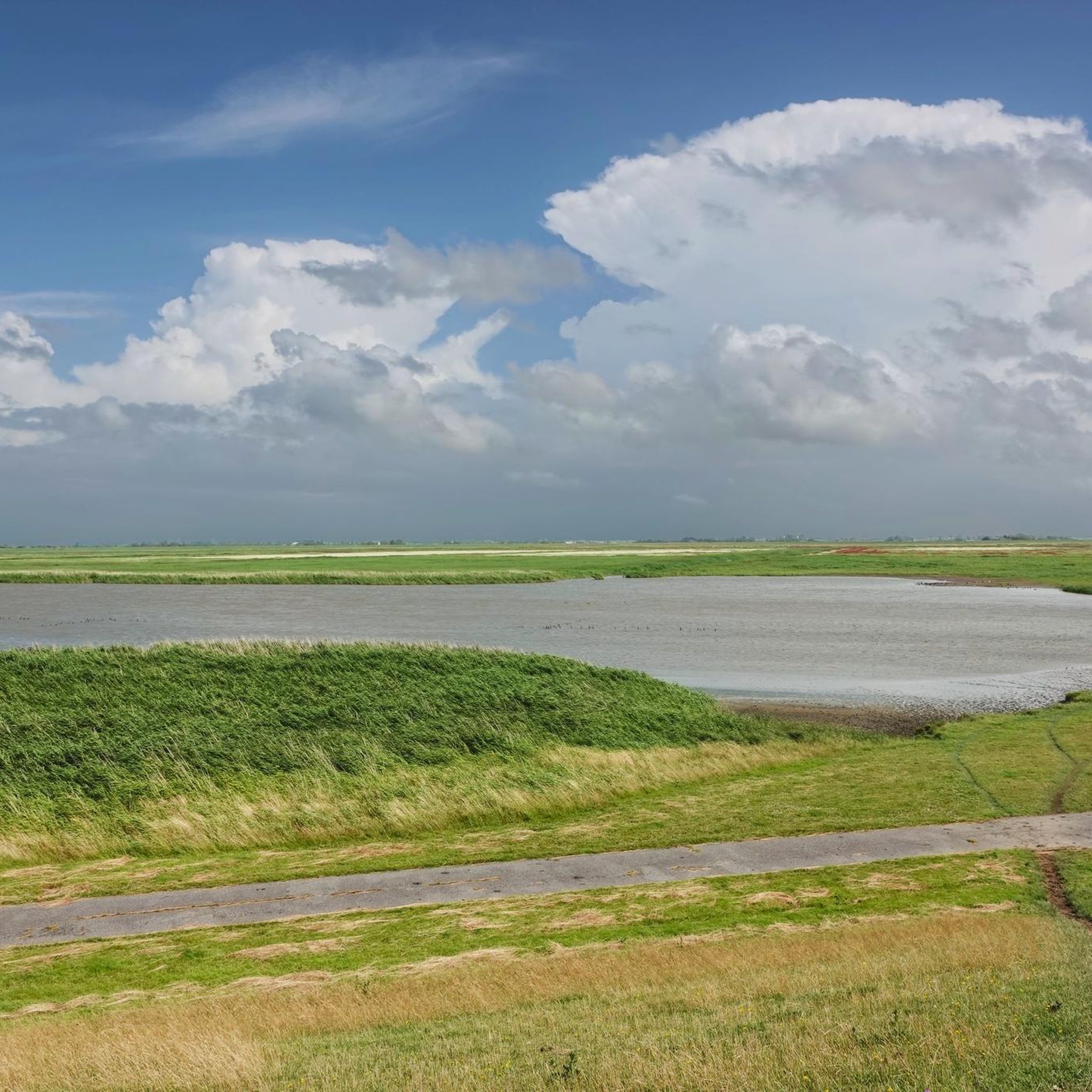
Road cycling routes around Rickelsbüller Koog are characterized by predominantly flat and open terrain, making the region suitable for road cyclists of varying fitness levels. This area, nestled in Schleswig-Holstein, Germany, features a landscape of dyked wetland meadows, open water surfaces, and grasslands. The routes often follow dikes, providing views of the surrounding nature reserve and the UNESCO World Heritage Wadden Sea. The topography ensures rides without significant climbs, focusing on distance and scenery.
Best road cycling routes around Rickelsbüller…
Last updated: September 29, 2026
6
riders
Easy road ride. Great for any fitness level. Mostly well-paved surfaces and easy to ride.
15
riders
Moderate road ride. Great for any fitness level. Some segments of this route may be unpaved and difficult to ride.

3
riders
Easy road ride. Great for any fitness level. Mostly well-paved surfaces and easy to ride.
8
riders
54.3km
02:04
60m
60m
Moderate road ride. Good fitness required. Mostly well-paved surfaces and easy to ride.
5.0
(2)
6
riders
Easy road ride. Great for any fitness level. Mostly well-paved surfaces and easy to ride.
Get access to more routes and recommendations from other explorers.
Already have an account?
Our route recommendations are based on thousands of hikes, rides, and runs completed by other people on komoot.
Start today with a free account
Your next adventure awaits.
Tips from the Community

Without a sign, you wouldn't notice that you're walking into another country... It's nice how easy this can be these days.
2
0

in the Gotteskoogsee nature reserve.
0
0

A moving landscape even beyond the wild boar fence
1
0

An absolutely impressive and beautiful church. I have rarely seen anything so great.
0
0

The Rosenkranz - Rudbøl border crossing is one of the craziest border crossings between Germany and Denmark. It probably has the most unusual border line. The border between Germany and Denmark runs for a length of around 130 metres in the middle of the narrow road and also right through the Ruttebüller Lake. If you walk along this road, you will see the border stones in the asphalt. So Germany is on the eastern side, Denmark on the western side. The most likely explanation for this border line is probably in the lake. Half of it should belong to both countries in order to offer fishermen and reed cutters on both sides the same opportunities. The western Koog, however, should definitely be given to Denmark. It was agreed that the route should be in the middle of the dike crest towards the Koog and the road runs exactly over the dike crest. Every 10 years, and always when the year ends with a "...4", a delegation from both countries inspects the correct position of the border markers. In this case, that means that Danes and Germans go out on the water in a boat and check the border buoy on the lake and replace it if necessary. From the border crossing, a bridge leads over the Vidå to Rudbøl. Small cafes and restaurants, a fairly large and beautifully located campsite and a small, cozy hostel underline the inviting charm of this community. https://weites.land/grenzuebergang-rosenkranz-rudbol-grenzroute-daenemark-deutschland/
3
0

The Protestant church, built in Gothic style, stands in the middle of a cemetery and was built in the 14th century.
2
0
The old village of Deezbüll, with the church at its centre, is the older place compared to the neighbouring Niebüll and was still on the sea at the time. Deezbüll still had a small harbour until the beginning of 1700. In 1682 and 1706 the two Christian-Albrechts-Köge were embanked. On the west side of the church, a heavy wrought iron gate from the A. Schmidt blacksmith's shop in Trappenkamp closes off the enlarged cemetery entrance. A stone bridge previously stood on this spot. The church is originally a Gothic building - initially without a tower - from the end of the 13th century, still recognizable by the pointed arched bricked-up north portal and the small windows on the north side. The south windows and the chancel were enlarged in the 18th century. The old granite stone foundations are still visible on the north side. The coffin with the deceased was led to the burial through the vestibule on the south side - first mentioned in 1649 - also called the mortuary and ossuary. There is a sundial on the gable of the vestibule. A new tower was built in 1964 based on the old one, which now has three bells from the Karlsruhe bell foundry, a God the Father bell, a Christ bell and a Holy Spirit bell. The main piece in the church is the winged altar (15th century) with a coronation of the Virgin Mary in the center. Because of the various depictions of the apostles in the church, the church was given the name Apostelkirche Deezbüll in 1993. The tombstones of famous people are on the north side of the old cemetery. http://www.kirche-niebuell.de/kirchen/apostelkirche.html
4
0

Slalom driving is the order of the day here. Please drive slowly past the sheep. If your average speed is important, it is better to drive behind the dyke. A gate has to be opened every few hundred meters. Mudguards become skid plates here. 😂
0
0
Frequently Asked Questions
What is the general terrain like for road cycling in Rickelsbüller Koog?
The Rickelsbüller Koog region is predominantly flat and open, making it ideal for road cycling without strenuous climbs. Routes often follow dikes and pass through wetland meadows and marshlands, offering easy and enjoyable rides for various fitness levels.
How many road cycling routes are available in Rickelsbüller Koog?
There are over 20 road cycling routes available in Rickelsbüller Koog, with options ranging from easy to moderate difficulty. The komoot community has explored these routes over 130 times.
Are there road cycling routes suitable for beginners or families?
Yes, Rickelsbüller Koog offers several easy road cycling routes perfect for beginners or families. For example, the Møgeltønder Church – Castle Street, Møgeltønder loop from Café Zollhaus is an easy 18.1-mile (29.1 km) route with flat stretches and cross-border views. Another great option is the Klanxbüll Station – Vidå River loop from Klanxbüll, which is 19.8 miles (31.8 km) and also rated easy.
What natural features or landmarks can I expect to see while cycling?
While cycling in Rickelsbüller Koog, you'll experience a unique landscape of wetland meadows, open water surfaces, and reed beds. The area is part of the Schleswig-Holstein Wadden Sea National Park, a UNESCO World Heritage Site. You can also visit the Northernmost point of the German mainland and enjoy views of the Hindenburgdamm.
Is Rickelsbüller Koog a good area for birdwatching while cycling?
Absolutely. Rickelsbüller Koog is renowned as a crucial breeding and resting site for a multitude of bird species, including common redshanks, black-tailed godwits, and barnacle geese. Its proximity to the Wadden Sea further enhances its significance for birdlife, offering opportunities to observe thousands of migratory and wintering birds. Birdwatching hides are available in the area.
Can I find circular road cycling routes in the area?
Many of the road cycling routes in Rickelsbüller Koog are designed as loops, allowing you to start and end at the same point. Examples include the Klanxbüll Station – Tønder Old Town loop from Klanxbüll and the Niebüll Station – Südwesthörn bathing spot loop from Klanxbüll.
How can I reach Rickelsbüller Koog by public transport?
Several road cycling routes in the region start near train stations, making public transport a convenient option. For instance, routes like the Klanxbüll Station – Tønder Old Town loop from Klanxbüll and the Klanxbüll Station – Bridge Over the Schmale loop from Klanxbüll begin directly from Klanxbüll Station.
What do other road cyclists enjoy the most about road cycling in Rickelsbüller Koog?
The area is highly rated by the komoot community, with an average score of 4.0 stars. Reviewers often praise the flat, open landscapes, the well-maintained dikes, and the peaceful wetland environment, which offers a unique cycling experience with abundant birdlife and cross-border views.
Are dogs allowed on road cycling routes in Rickelsbüller Koog?
Rickelsbüller Koog is a nature reserve and part of the Wadden Sea National Park. While cycling on designated paths is generally permitted, it's crucial to keep dogs on a leash to protect the sensitive wildlife, especially ground-nesting birds. Always respect local signage regarding nature protection.
What is the best time of year for road cycling in Rickelsbüller Koog?
The best time for road cycling in Rickelsbüller Koog is typically from spring through early autumn (April to October). During these months, the weather is generally milder, and you can fully appreciate the vibrant birdlife and open landscapes. Be mindful of potential strong winds, which are common in coastal regions.
Are there any cafes or restaurants near the cycling routes?
While the immediate nature reserve is pristine, you can find cafes and restaurants in nearby towns and villages such as Klanxbüll, Niebüll, and Rodenäs, as well as across the border in Denmark. Some routes, like the Møgeltønder Church – Castle Street, Møgeltønder loop from Café Zollhaus, even start from a cafe, offering convenient refreshment stops.
Most popular routes around Rickelsbüller Koog
Most popular attractions around Rickelsbüller Koog

Get inspired with the komoot mobile app


Explore more
Browse the best Road cycling routes in other regions.
