The best road cycling routes around Uña De Quintana
5.0
(1)
81
riders
6
rides
Road cycling routes around Uña De Quintana traverse a serene rural landscape in the province of Zamora, Spain. The region is characterized by its predominantly flat to gently rolling terrain, shaped by the Regato and Tera rivers, which contribute to fertile lands and picturesque riverine environments. While largely flat, the area includes low-lying mountainous reliefs, offering varied cycling experiences with gentle elevations. This topography makes it suitable for road cyclists of various fitness levels.
Best road cycling routes around Uña…
Last updated: May 16, 2026
5.0
(1)
10
riders
66.2km
02:41
330m
330m
Moderate road ride. Good fitness required. Mostly well-paved surfaces and easy to ride.
8
riders
48.7km
02:03
280m
280m
Moderate road ride. Good fitness required. Mostly well-paved surfaces and easy to ride.

Sign up for free
5
riders
Easy road ride. Great for any fitness level. Mostly well-paved surfaces and easy to ride.
4
riders
23.9km
00:58
120m
120m
Easy road ride. Great for any fitness level. Mostly well-paved surfaces and easy to ride.
3
riders
Easy road ride. Great for any fitness level. Mostly well-paved surfaces and easy to ride.
Our route recommendations are based on thousands of hikes, rides, and runs completed by other people on komoot.
Start today with a free account
Your next adventure awaits.
Login or Signup
Popular around Uña De Quintana

Tips from the Community

Monastery of Santa Marta de Tera, the oldest Romanesque church in Zamora and also one of the oldest in Spain. On the left side, hangs the oldest sculptural representation of St. James the Apostle in a pilgrim pose.
0
0

Dated between the 2nd and 4th centuries AD. C., consists of a building with fifteen rooms around a central patio. All of them have mosaics inside, mostly with geometric decoration. However, we find two rooms in which mythological characters are represented. Declared an Asset of Cultural Interest, this archaeological site has been known since the 19th century. XIX, when in 1861 the discovery of coins and other remains during the work on the road from Benavente to Mombuey was published. It was not until 2007 that the excavation began, with the museum opening in 2018.
0
0

This is the third and last reservoir in this area of the Tera river, which previously crosses two more to reach this dam. From this point the river continues until it joins the Río Esla.
0
0

An important archaeological site of a Roman Legion, the Petavonium Camp on the outskirts of the town of Santibáñez de Vidriales.
2
0
Ruins of an old church in the town of Santibáñez de Vidriales. Steeped in history, the town is close to the Roman camp of Petavonium.
1
0
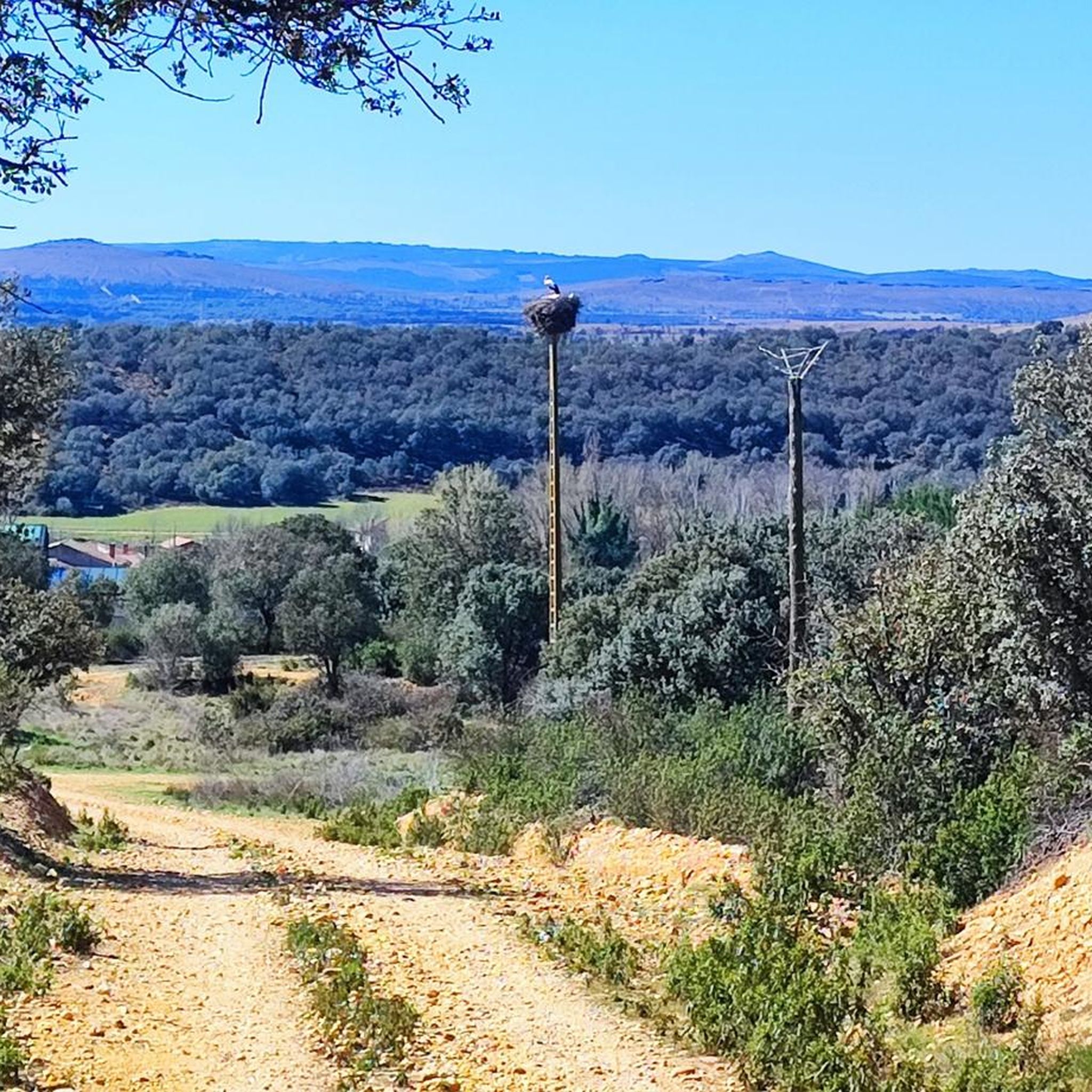
Uña de Quintana is a small town in the fertile Vega valley surrounded by a landscape of cereal fields and orchards.
1
0
Arrabalde is a small town located between the Eria River and the Sierra de Carpurias that rises above it at 1000 meters above sea level. Head to the main square to admire the local church.
1
0

This 15th century castle is visible from the road. It is currently abandoned and mostly ruins, but the outer walls are preserved.
0
0
Frequently Asked Questions
How many road cycling routes are available around Uña de Quintana?
There are around 7 road cycling routes available in the Uña de Quintana area, offering various experiences through its rural landscape. These include 4 easy routes and 3 moderate routes, catering to different fitness levels.
What is the typical terrain and elevation like for road cycling in Uña de Quintana?
The terrain around Uña de Quintana is predominantly flat to gently rolling, characteristic of the Castilian steppe. While largely flat, there are some low-lying hills and gentle elevations, such as those leading towards 'El Monte' and 'Pico El Cuerno' (around 800 meters). This provides varied cycling experiences without overly strenuous climbs, making it suitable for a wide range of cyclists.
Are there any circular road cycling routes in the Uña de Quintana area?
Yes, many of the routes around Uña de Quintana are designed as loops. For example, the Granucillo Castle – Arrabalde Church loop from Santibáñez de Vidriales and the Petavonium Roman Camp Ruins – Roman Camp of Petavonium loop from Uña de Quintana are popular circular options that allow you to start and finish in the same location.
What kind of landmarks or points of interest can I see along the road cycling routes?
Road cycling routes in the area often pass through tranquil rural landscapes and past historical sites. You might encounter traditional underground wineries, ancient fountains, and mills. Specific highlights nearby include the Monument to the Pilgrim of Rionegro del Puente, the Nuestra Señora del Agavanzal Reservoir, and the Church of Castrocontrigo.
Are there any family-friendly road cycling routes in Uña de Quintana?
Given the predominantly flat to gently rolling terrain and the presence of easy-rated routes, Uña de Quintana offers suitable options for family-friendly road cycling. Routes like the Petavonium Roman Camp Ruins – Roman Camp of Petavonium loop from Uña de Quintana are generally accessible and provide a pleasant ride through rural landscapes without significant climbs.
What is the best time of year to go road cycling in Uña de Quintana?
The region's climate, typical of the Castilian steppe, generally offers pleasant conditions for cycling during spring and autumn. These seasons provide milder temperatures and less extreme weather than the heat of summer or the colder, potentially wetter conditions of winter. This allows for comfortable exploration of the rural landscape.
What do other road cyclists enjoy most about cycling in Uña de Quintana?
The road cycling routes around Uña de Quintana are highly rated by the komoot community, with an average score of 5.0 stars. Cyclists often praise the peaceful rural atmosphere, the gentle topography that accommodates various fitness levels, and the opportunity to disconnect and enjoy nature along the quiet roads.
Are there longer road cycling routes available near Uña de Quintana for more experienced cyclists?
Yes, for those seeking longer rides, routes like the Granucillo Castle – Arrabalde Church loop from Santibáñez de Vidriales offer a substantial distance of over 66 km with varied terrain, providing a more extended challenge through the region's rural settings.
Can I find cafes or pubs along the road cycling routes in Uña de Quintana?
While Uña de Quintana itself is a serene municipality, the routes often connect to neighboring villages such as Cubo de Benavente, San Pedro de Ceque, and Molezuelas de la Carballeda, or larger towns like Benavente (about 45 km away). These villages and towns are more likely to offer local cafes or pubs where cyclists can stop for refreshments.
Is there public transport available for cyclists in the Uña de Quintana area?
Uña de Quintana is a rural municipality. While specific public transport options for cyclists directly within Uña de Quintana may be limited, larger nearby towns like Benavente might offer regional bus services that could accommodate bicycles, though it's advisable to check specific routes and policies in advance.
What kind of wildlife might I encounter on the road cycling trails?
The rural environment around Uña de Quintana, with its rivers and expansive fields, supports diverse flora and fauna. While specific sightings can vary, you might observe various bird species, small mammals, and local agricultural wildlife as you cycle through the tranquil landscape.
Are there any viewpoints along the road cycling routes in Uña de Quintana?
The gentle hills and low mountains, particularly towards areas like 'El Monte' and 'Pico El Cuerno,' can offer elevated perspectives of the surrounding rural landscape, including views over the fertile river valleys. While not always designated viewpoints, these higher points provide scenic vistas of the Castilian steppe.
Most popular attractions around Uña De Quintana

Get inspired with the komoot mobile app


Explore more
Browse the best Road cycling routes in other regions.
