Attractions and Places To See around Valcabado - Top 20
Best attractions and places to see around Valcabado offer a glimpse into historical and cultural richness, particularly in the Castilla y León region. The area features historical religious sites, ancient settlements, and natural viewpoints. Visitors can explore landmarks that reflect centuries of history and cultural development. Valcabado provides a variety of attractions for those interested in historical exploration and cultural heritage.
Best attractions and places to see around Valcabado
- The most popular attractions is Castle of Zamora, a castle…
Last updated: May 17, 2026
Castle of Zamora
Highlight • Castle
Translated by Google •
Tip by

Zamora Stone Bridge
Highlight • Bridge
Translated by Google •
Tip by
Sign up now to discover places like this
Get recommendations on the best single tracks, peaks, & plenty of other exciting outdoor places.
Sign up for free
Zamora Cathedral (Catedral de San Salvador)
Highlight • Religious Site
The cathedral is an …
Translated by Google •
Tip by
Plaza Mayor, Zamora
Highlight • Settlement
Translated by Google •
Tip by
Pilgrims' Hostel of Zamora
Highlight • Rest Area
The hostel can accommodate …
Translated by Google •
Tip by
Sign up for free to discover even more attractions around Valcabado.
Sign up for free
Already have an account?
Start today with a free account
Your next adventure awaits.
Login or Signup
Tips from the Community

A beautiful square. It gets really busy from 8 p.m. onwards, when the Spanish nightlife begins.
3
0

Zamora Castle is a historic fortification located in the city of Zamora, in Castile and León. Built in the 11th century, the castle has witnessed numerous historical events and has undergone several modifications over the centuries. It has a rhomboidal plan and is surrounded by a deep moat. Its thick walls and the keep, which is the highest and served as the last defensive redoubt, stand out. The castle is a fascinating place to explore history and enjoy panoramic views of the city.
1
0
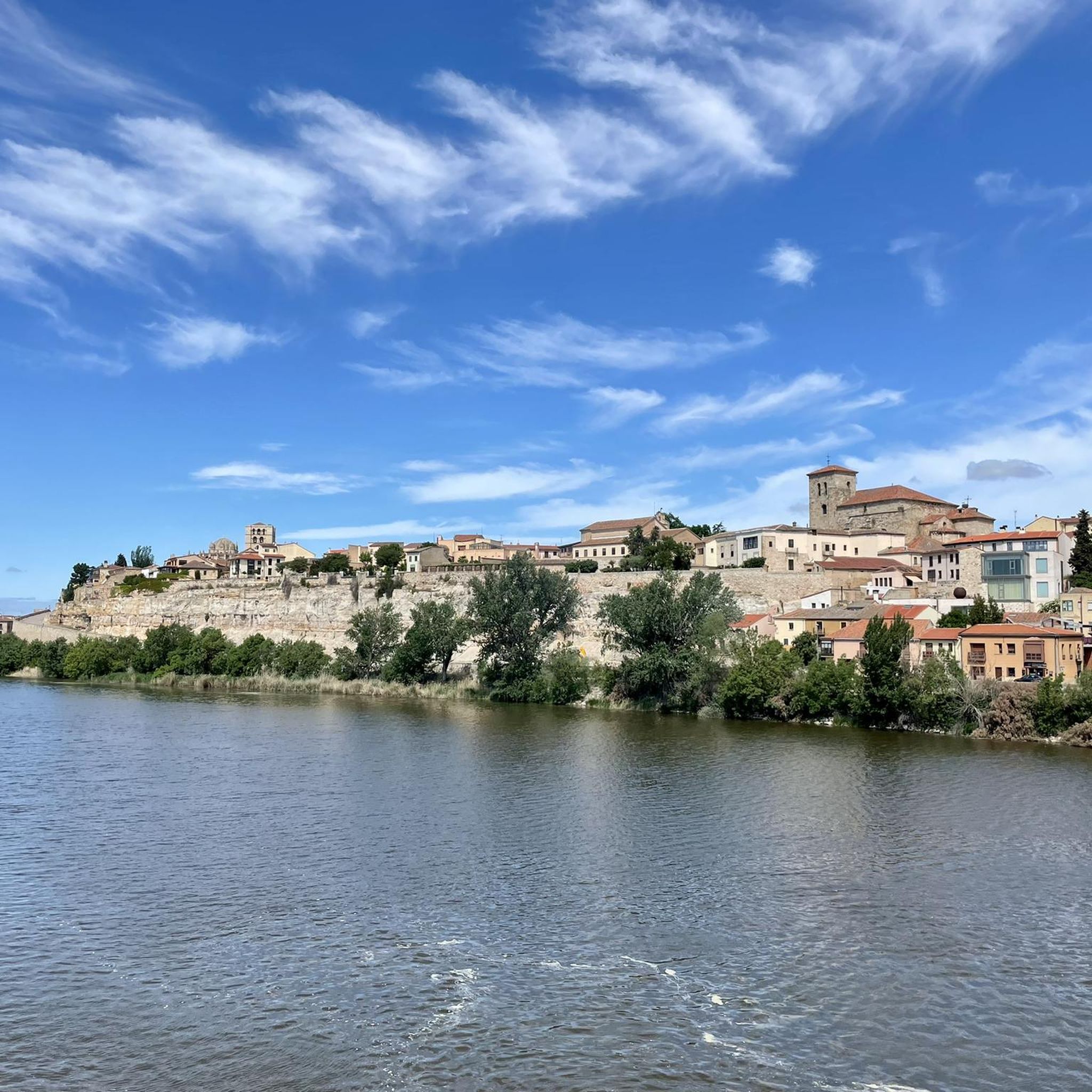
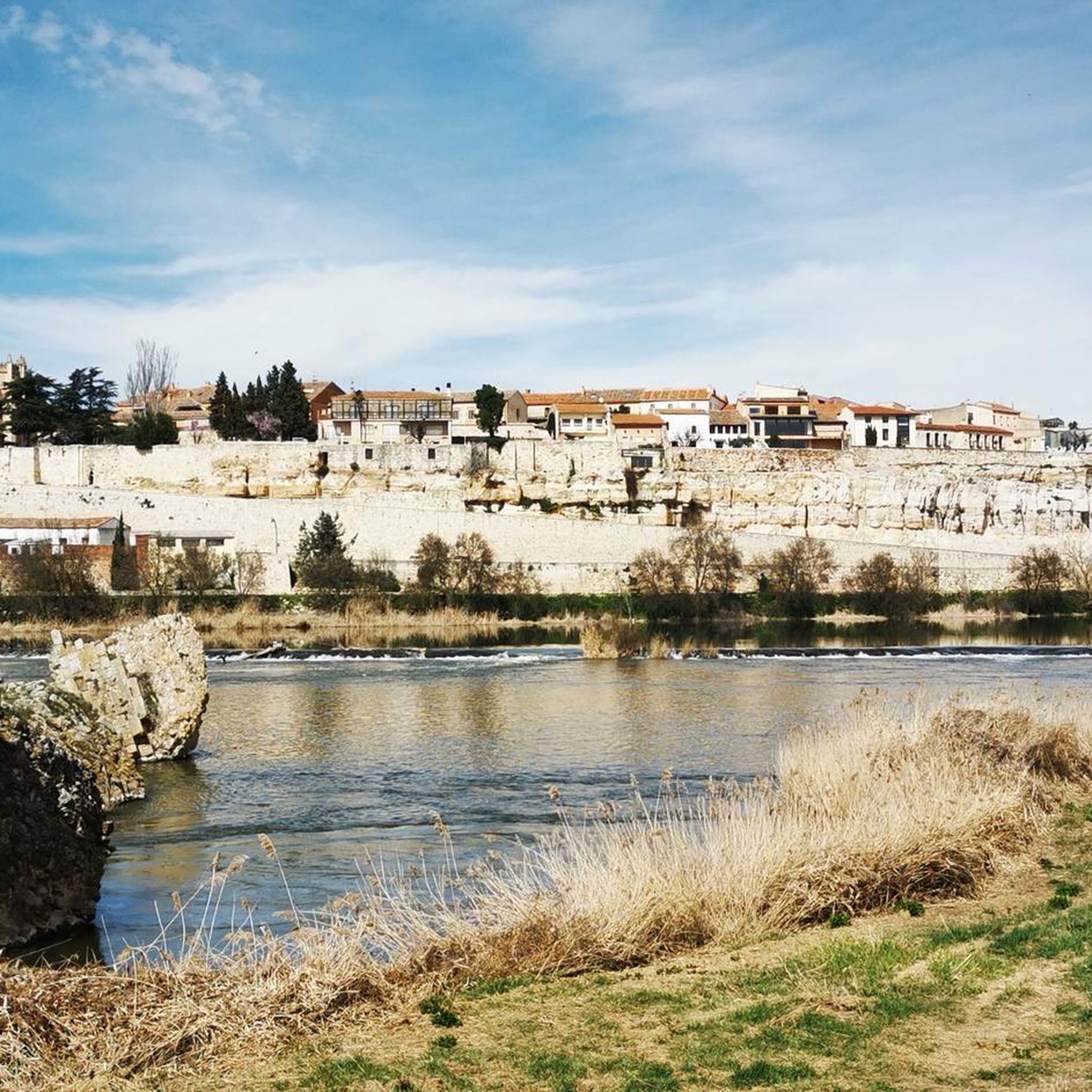
The Stone Bridge of Zamora, also known as the New Bridge in the Middle Ages, is one of the five bridges that cross the Duero River in Zamora, Castile and León. This Romanesque bridge was built in the early 13th century and has been renovated several times.
3
0

Hospitaleros/ as are well informed about which hostels are open along the way
2
0
This hostel is exclusively for pilgrims on the Camino de Santiago and offers a comfortable stay with several facilities, including a kitchen, showers, heating and Wi-Fi. The hostel can accommodate 32 people and operates on a donation basis. It is open all year round and does not accept reservations, so it is necessary to arrive early to secure a place.
8
0
The Cathedral of San Salvador in Zamora, also known as the Cathedral of the Savior, is a Romanesque jewel and an important historical monument in Spain. The cathedral is an outstanding example of Douro Romanesque, with Byzantine influences, especially in its famous dome. It was built between 1140 and 1174 and is the smallest and oldest of the eleven cathedrals in the autonomous community of Castilla y León. To visit the Cathedral of San Salvador in Zamora and learn more about its history, architecture and the works of art it houses, you can consult its official website or plan a visit to experience its beauty in person. I hope you enjoy discovering this Spanish Romanesque treasure! 🏰✨
9
0
The Plaza Mayor of Zamora is a rectangular space. This square, typically Castilian, has a square shape and is surrounded by low-rise buildings with arcades. Its location in the historic center and its pedestrian nature make it a prominent place in the city
7
0

The magnificent cathedral in Zamora - entitled "San SALVADOR" - was not dedicated to one of the many people we venerate as blessed or saints and ask for their heavenly intercession with God. Rather, it is consecrated to the incarnate Son of God Jesus Christ, our Redeemer and Savior.
6
0
Frequently Asked Questions
What historical sites can I explore around Valcabado?
Valcabado and its surroundings are rich in history. You can visit the impressive Castle of Zamora, an 11th-century fortress that played a significant role in the city's defense. Another key historical landmark is the Zamora Cathedral (Catedral de San Salvador), a Romanesque jewel built between 1140 and 1174. Additionally, the region boasts ancient settlements, including a 16th-century church with unique architectural details and the historical site of Valcabado del Páramo, known for its early 10th-century monastery.
Are there any significant religious buildings to visit in the area?
Yes, the most prominent religious building is the Zamora Cathedral (Catedral de San Salvador). This Romanesque cathedral, built between 1140 and 1174, is the smallest and oldest of the eleven cathedrals in Castilla y León, noted for its Byzantine influences. You can also find a 16th-century church in the Valcabado area, featuring two columns with capitals depicting historical scenes like 'The Flight to Egypt'.
What natural features or viewpoints can I discover near Valcabado?
For scenic vistas, consider visiting the 'Viewpoint of Valcabado,' which offers panoramic views from a plateau hill. This site also has historical significance as a former defensive location for the ancient Vellicos community. The Zamora Stone Bridge, crossing the Duero River, also offers beautiful views of the river and the city's historic center.
Are there family-friendly attractions around Valcabado?
Many of the historical sites are suitable for families. The Castle of Zamora and the Zamora Cathedral (Catedral de San Salvador) are both categorized as family-friendly. Exploring the historic Plaza Mayor, Zamora, with its pedestrian areas and surrounding low-rise buildings, is also a pleasant activity for all ages.
What outdoor activities can I do near these attractions?
The area around Valcabado offers various outdoor activities. You can find numerous routes for running, cycling, and hiking. For running, explore trails like the 'Valorio Forest loop from Zamora' or the 'Olivares Watermills – Duero River Trail'. Cyclists can enjoy routes such as 'Montamarta from Zamora – circular via the Ricobayo Reservoir'. Hikers have options like the 'Zamora city tour' or the 'Bosque de Valorio y Aceñas de Olivares' circular route. You can find more details on these activities in the dedicated guides for Running Trails around Valcabado, Cycling around Valcabado, and Hiking around Valcabado.
Are there hiking trails near Valcabado's attractions?
Yes, there are several hiking trails available. You can enjoy an easy 'Zamora city tour' that takes you by the Castle and the Walls of Zamora, or a slightly longer 'Bosque de Valorio y Aceñas de Olivares' circular route via the Puente de Piedra. Other options include a moderate loop from 'Calle Balborraz – Plaza Mayor, Zamora'. For more hiking options, consult the Hiking around Valcabado guide.
What is the historical significance of Valcabado del Páramo?
Valcabado del Páramo holds a rich historical narrative, primarily linked to an ancient 'duplice' monastery (for both monks and nuns) dedicated to Santiago. Founded in the early 10th century, this monastery is the first written reference to the town's name and represents a cornerstone of its heritage. The town's roots are tied to Visigothic monasticism along the Órbigo River and played a crucial role in the repopulation efforts by Mozarabs in the region.
What do visitors enjoy most about the attractions around Valcabado?
Visitors frequently appreciate the rich historical and cultural aspects of the region. The Castle of Zamora is praised for its historical significance and impressive structure. The Zamora Cathedral (Catedral de San Salvador) is admired as a Romanesque jewel. The Plaza Mayor, Zamora, is popular for its vibrant atmosphere, especially in the evenings, and its central location with many nearby restaurants and shops.
Is the Plaza Mayor in Zamora accessible for wheelchairs?
Yes, Plaza Mayor, Zamora is categorized as wheelchair accessible. Its pedestrian nature and flat surfaces make it a prominent and easily navigable public space in the city's historic center.
Where can pilgrims find accommodation in Zamora?
Pilgrims on the Camino de Santiago can find accommodation at the Pilgrims' Hostel of Zamora. This hostel is exclusively for pilgrims and offers facilities such as a kitchen, showers, heating, and Wi-Fi. It can accommodate 32 people and operates on a donation basis, open all year round without reservations.
Are there any historical bridges to see in the area?
Yes, the Zamora Stone Bridge is a significant historical bridge. Also known as the New Bridge in the Middle Ages, this Romanesque bridge was built in the early 13th century and spans 180 meters across the Duero River with 15 pointed stone arches. It's a beautiful landmark leading to the old center of Zamora.

Get inspired with the komoot mobile app


Explore more
Still not found the Highlight you’re looking for? See guides of the top attractions in other regions:
