Attractions and Places To See around Santa María Del Campo Rus - Top 10
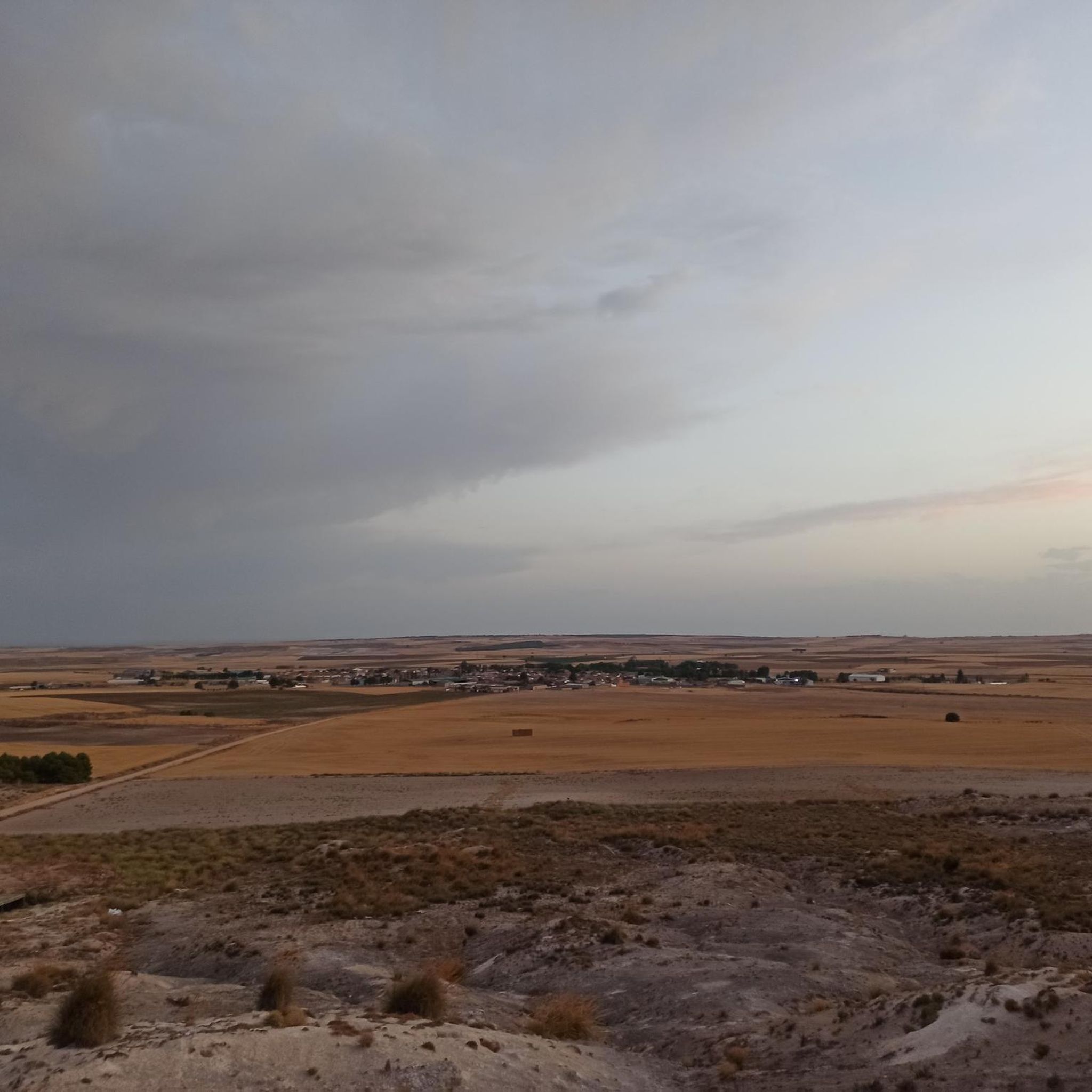
Best attractions and places to see around Santa María Del Campo Rus include a blend of historical sites, religious architecture, and natural landscapes. This municipality in Cuenca, Spain, is characterized by its flat, Manchegan terrain, bordered by the Santa María river and surrounded by wooded areas. The region holds cultural significance, notably as the place where the poet Jorge Manrique died. Visitors can explore a variety of historical landmarks and natural features within the area.
Best attractions and places to see around Santa María Del Campo Rus
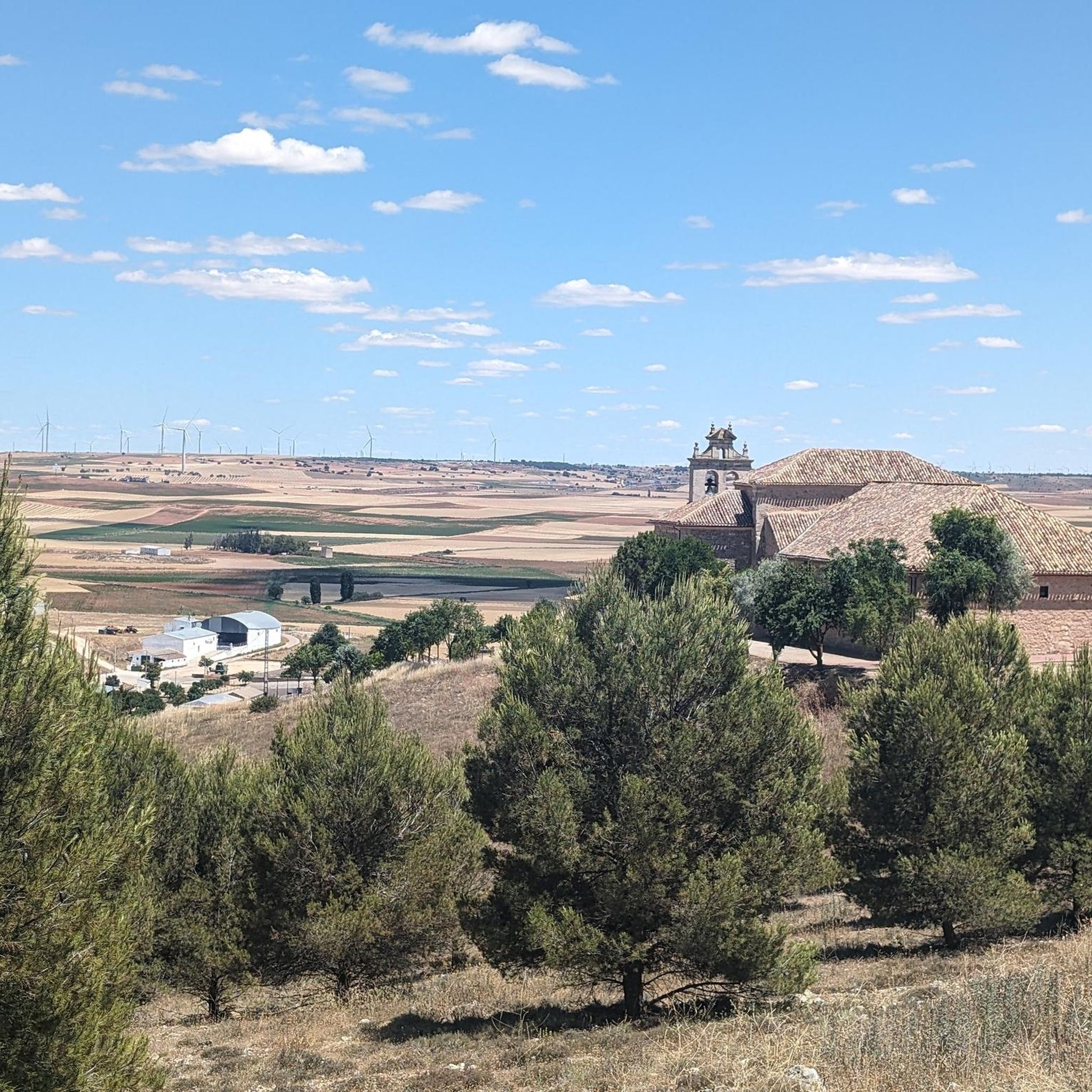
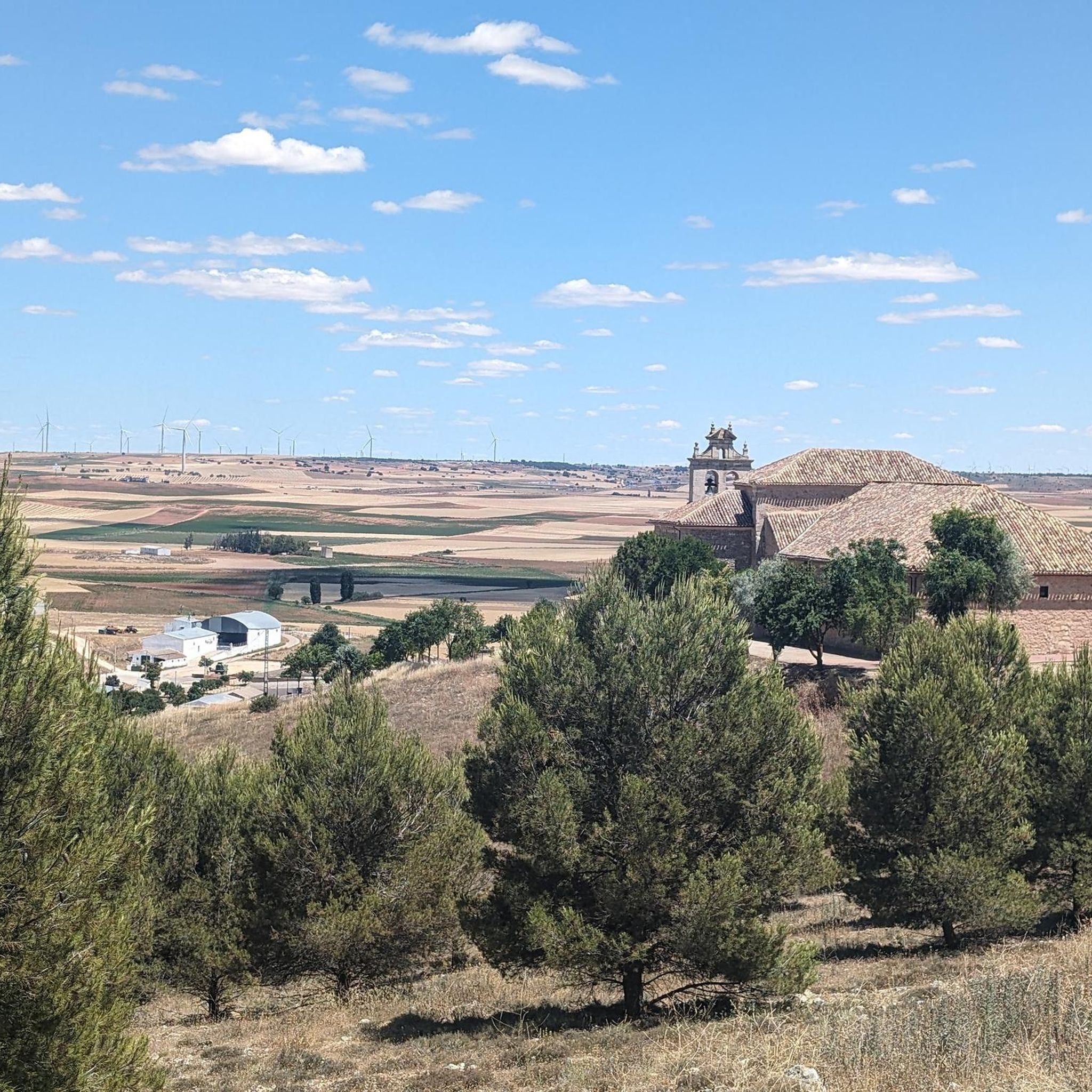
- The most popular attractions is Sanctuary of the Virgen de Trascastillo (El Cañavate), a religious building that offers aerial views of the surrounding area. This large sanctuary is located on La Carrasquilla hill, providing views of El Cañavate and the Cañada Juncosa valley.
- Another must-see spot is La Alberca de Záncara, a settlement with a name of Arabic origin, meaning pond and bank. This population center has historical roots reflected in its name.
- Visitors also love El Cañavate, a settlement on the banks of the Rus River. Vestiges from the Bronze Age indicate the antiquity of this area, and visitors can explore its church with Romanesque, Gothic, and Renaissance elements, along with the 16th-century Ermita de la Virgen del Trascastillo.
- Santa María Del Campo Rus is known for its historical sites, religious buildings, and natural features like the Santa María River. The area offers a variety of attractions to see and explore, from monuments commemorating historical figures to ancient settlements.
- The attractions around Santa María Del Campo Rus are appreciated by the komoot community, with 7 upvotes and 20 photos shared by visitors.
Last updated: May 17, 2026
Castillo de Garcimuñoz
Highlight • Castle
It has recently been restored to enable it to be visited by the public and a sample of very picturesque sculptural structures that were inspired by nature has been inaugurated inside the parade ground.
Translated by Google •
Tip by

Sanctuary of the Virgen de Trascastillo (El Cañavate)
Highlight • Religious Site
Translated by Google •
Tip by

Sign up now to discover places like this
Get recommendations on the best single tracks, peaks, & plenty of other exciting outdoor places.
Sign up for free
Monument to Jorge Manrique
Highlight • Monument
In 2021, the monument was restored, consisting of cleaning the stone, refurbishing the stairs, and replacing the bollards.
Translated by Google •
Tip by

La Alberca de Záncara
Highlight • Settlement
Translated by Google •
Tip by

El Cañavate
Highlight • Settlement
You can visit the church with Romanesque, Gothic and Renaissance elements and the hermitage of Ermita de la Virgen del Trascastillo, from the 16th century.
Translated by Google •
Tip by
Sign up for free to discover even more attractions around Santa María Del Campo Rus.
Sign up for free
Already have an account?
Start today with a free account
Your next adventure awaits.
Login or Signup

Tips from the Community

In 1941, at the initiative of the poet Federico Muelas, this monument was built to replace the old iron cross. It is a monolith located 3 kilometers from the town on the way to La Nava, where the poet Jorge Manrique was mortally wounded (1479). It is constructed from stone belonging to the Giraldo of Cuenca Cathedral. The monument has two coats of arms on each side and a central iron cross. It bears an inscription that reads: "Here Jorge Manrique fell mortally wounded fighting for the unity of Spain." At the foot of the monolith, you can see a space intended for a casket containing Jorge Manrique's verses, including the famous "A la Muerte de su Padre" (On the Death of his Father). In 2021, the monument was restored, consisting of cleaning the stone, refurbishing the stairs, and replacing the bollards.
0
0

The Castillo de Garcimuñoz gives its name to the town itself and is the most impressive element in the center at the point you reach the town. Basically since it sticks out from the rest of the houses in the village!
1
0

Cuenca town on the banks of the Rus River. Vestiges of the Bronze Age have been found, which detonates the antiquity of these populated areas. You can visit the church with Romanesque, Gothic and Renaissance elements and the hermitage of Ermita de la Virgen del Trascastillo, from the 16th century.
1
1
Beautiful and large religious sanctuary located in the town of El Cañavate, from where you can enjoy aerial views of it. It is also known as the Virgin of Trascastillo.
2
0
Beautiful population that has a name with origins of what this nucleus had been. Of Arabic origin, Alberca means pond and Zancara, the bank that is close to the town itself.
0
0
A nucleus that is located in the middle of two hills through which the Río Rus flows and where on one of these hills we can find the Ermita Virgen del Trascastillo, which can be seen from the same road. Of course, if you want to go up there, with a road bike it's complicated!
0
0

Also known as the Trascastillo hermitage, it is located on La Carrasquilla hill and offers beautiful views of the town of Cañavate and the entire Cañada Juncosa valley.
1
0
Built under the order of Garcimuñoz, a knight who accompanied King Alfonso VIII on his conquering crusade, the castle has passed through various owners in the following centuries until, in the 18th century, the Church of San Juan Bautista was built within its walls and use as a graveyard. It has recently been restored to enable it to be visited by the public and a sample of very picturesque sculptural structures that were inspired by nature has been inaugurated inside the parade ground.
3
0
Frequently Asked Questions
What historical sites can I explore in Santa María del Campo Rus?
The region is rich in history. You can visit the Castillo de Garcimuñoz, a restored castle with sculptural structures. The town also commemorates the poet Jorge Manrique with the Monument to Jorge Manrique, marking where he was mortally wounded. Additionally, you can find the ruins of the 17th-century Convento de los Trinitarios, the Iglesia de Nuestra Señora de la Asunción in the Plaza Mayor, and the Casa Blasonada, where Jorge Manrique is said to have died.
Where can I learn more about the poet Jorge Manrique in the area?
Santa María del Campo Rus is closely associated with Jorge Manrique. Besides the Monument to Jorge Manrique, which commemorates his death, the town also hosts a Museo-Centro de Estudios Manriqueño within the town hall. Here, you can view books, letters, and portraits related to the renowned poet.
Are there any significant religious buildings to visit?
Yes, the area features several notable religious sites. The Sanctuary of the Virgen de Trascastillo (El Cañavate) is a beautiful and large religious sanctuary offering aerial views. In Santa María del Campo Rus itself, you can find the Ermita de Nuestra Señora del Amparo, originally a 'blood hospital' converted into a hermitage, and the Iglesia de Nuestra Señora de la Asunción in the Plaza Mayor.
What natural features are prominent around Santa María del Campo Rus?
The town is bordered by the Santa María River, which contributes to its leafy groves and beautiful tree-lined walks. The wider region, known as 'Mancha Baja Conquense,' is characterized by its flat, typically Manchegan landscape, surrounded by wooded areas that offer scenic exploration.
Are there any places with good views of the surrounding area?
Yes, the Sanctuary of the Virgen de Trascastillo (El Cañavate), located on La Carrasquilla hill, provides beautiful aerial views of El Cañavate and the Cañada Juncosa valley. The surrounding wooded areas and the flat Manchegan landscape also offer picturesque vistas during walks and hikes.
What outdoor activities are available near Santa María del Campo Rus?
The region is excellent for outdoor enthusiasts. You can find various hiking, mountain biking, and road cycling routes. For hiking, explore trails like 'Las Cuerdas-Castillo de Garcimuñoz Trail' or 'El Cañavate Sierra Loop'. Mountain bikers can enjoy routes such as 'Mirador del Embalse de Alarcón' or 'El Cañavate – Castillo de Garcimuñoz loop'. Cyclists have options like 'Return to the Álarcón reservoir' or 'Pinarejo – La Alberca de Záncara loop'. You can find more details on these activities in the dedicated guides for hiking, MTB, and cycling around Santa María del Campo Rus.
Are there hiking trails suitable for different skill levels?
Yes, there are hiking trails catering to various skill levels. For example, the 'Hiking loop from Villar de la Encina' is an easy option, while 'Las Cuerdas-Castillo de Garcimuñoz Trail' and 'El Cañavate Sierra Loop' are considered moderate. These routes allow you to explore pine forests, historic sites, and enjoy panoramic views. Discover more hiking options in the hiking guide.
Are there family-friendly attractions in Santa María del Campo Rus?
Many of the historical and natural sites can be enjoyed by families. The Monument to Jorge Manrique is marked as family-friendly, offering a historical point of interest. Exploring the charming settlements like El Cañavate and La Alberca de Záncara, with their historical roots and riverside locations, can also be a pleasant family activity.
What do visitors appreciate most about the attractions in this region?
Visitors particularly enjoy the blend of historical significance and natural beauty. The restored Castillo de Garcimuñoz is highly appreciated for its impressive presence and unique sculptural structures. The Sanctuary of the Virgen de Trascastillo is also a favorite for its beautiful architecture and expansive aerial views. The overall charm of the traditional Manchegan towns and the scenic walks along the Santa María River are also frequently highlighted.
Are there other interesting towns or settlements to visit nearby?
Yes, nearby settlements offer additional historical and cultural insights. El Cañavate, situated on the banks of the Rus River, boasts vestiges from the Bronze Age and a church with Romanesque, Gothic, and Renaissance elements. La Alberca de Záncara, with its Arabic-origin name meaning 'pond and bank,' also reflects a rich historical past.
What is the 'Manriqueño Triangle' route?
The 'Ruta Turístico-Literaria de El Triángulo Manriqueño' is a literary and tourist route that connects key locations related to the final days of the poet Jorge Manrique. This route includes Santa María del Campo Rus, the Castillo de Garcimuñoz, and Uclés, offering a journey through the historical landscape that shaped his legacy.

Get inspired with the komoot mobile app


Explore more
Still not found the Highlight you’re looking for? See guides of the top attractions in other regions:
