Attractions and Places To See around Báscones De Ojeda - Top 6
Best attractions and places to see around Báscones De Ojeda include a variety of historical sites and natural features in the Boedo-Ojeda region of Palencia, Spain. The village is situated in the fertile plain of the Boedo River, offering a rural landscape. Visitors can explore traditional Spanish life and cultural heritage through its landmarks. The area provides opportunities to discover historical monuments and scenic routes.
Best attractions and places to see around Báscones De Ojeda
- The most popular attractions is…
Last updated: May 4, 2026
Moarves de Ojeda
Highlight • Religious Site
Translated by Google •
Tip by

Colmenares de Ojeda
Highlight • Religious Site
Translated by Google •
Tip by
Sign up now to discover places like this
Get recommendations on the best single tracks, peaks, & plenty of other exciting outdoor places.
Sign up for free
Santa Eufemia de Cozollos
Highlight • Religious Site
Translated by Google •
Tip by
PP-2223 Road Between Dehesa de Montejo and Olmos de Ojeda
Highlight (Segment) • Cycleway
Translated by Google •
Tip by

Church of San Pelayo Mártir
Highlight • Religious Site
Translated by Google •
Tip by

Sign up for free to discover even more attractions around Báscones De Ojeda.
Sign up for free
Already have an account?
Start today with a free account
Your next adventure awaits.
Login or Signup
Popular around Báscones De Ojeda
Tips from the Community

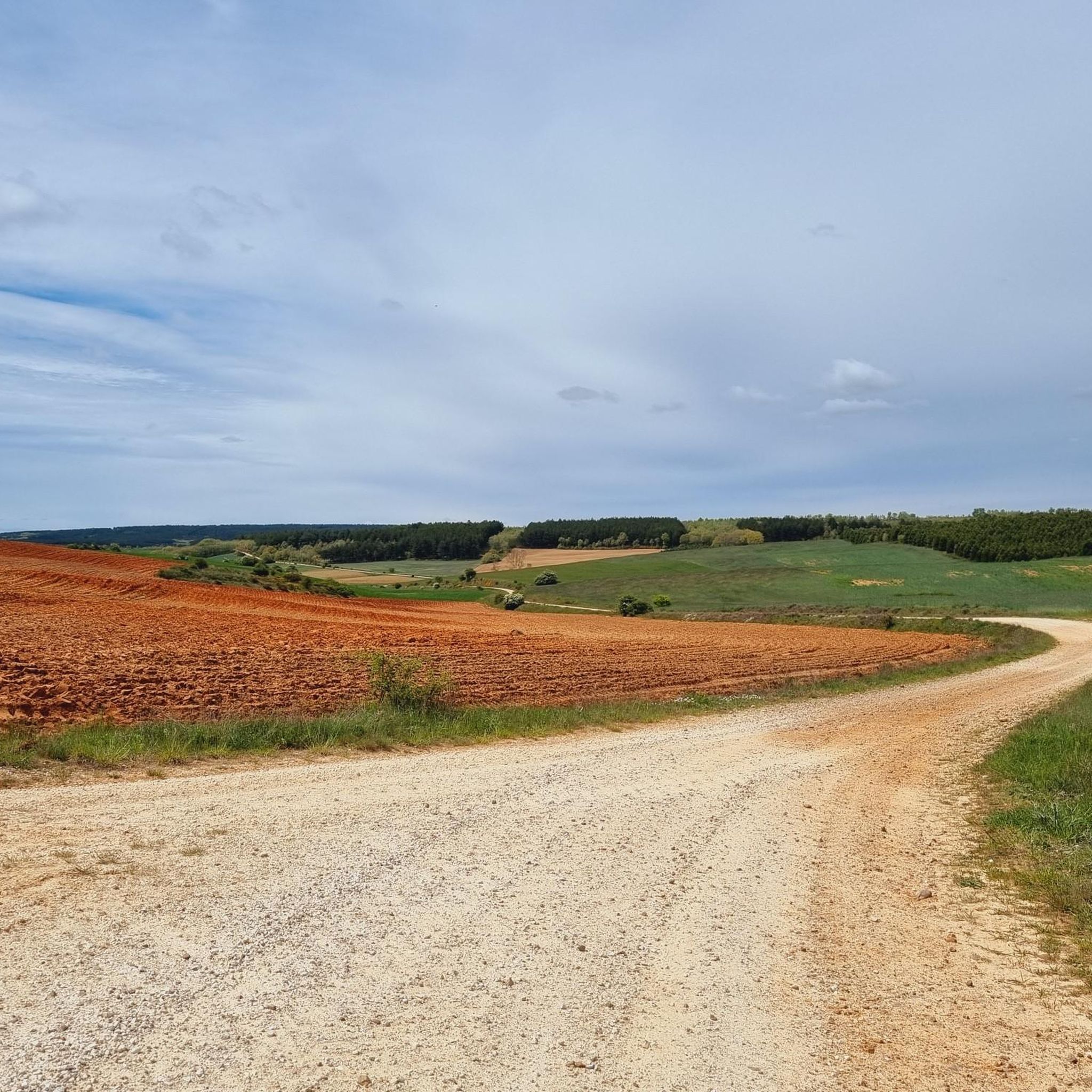
PP-2223 road with little traffic between Dehesa de Montejo and Olmos de Ojeda. The asphalt is in perfect condition, a real pleasure to pedal here.
1
0

The first town is Moarves de Ojeda, which has one of the most precious jewels of the rural Romanesque of Palencia in the façade of the church of San Juan Bautista, declared a Historic-Artistic Monument in 1931. The entrance has an elegant portico with five semicircular archivolts on capitals decorated with great detail and artistic level. The cake goes to the upper frieze, presided over by a Pantocrator surrounded by the tetramorphs and the twelve apostles, a marvel of Romanesque sculpture that especially attracts attention being in a small town in the Palencia wasteland. The attraction may also be due to the reddish color of the stone or the careful details of the sculptures. Inside it has a Romanesque baptismal font.
0
0
Before arriving, pass by the Monastery of Santa Eufemia, former residence of kings, princes and nobles, it is one of the most valuable monumental complexes of the Palencia Romanesque, it was declared a Historic-Artistic Monument in 1931 and can be visited on weekends. The price of the visit is four euros per person.
0
0
The rural road has a good surface and without stopping we reach Colmenares de Ojeda. The entrance to the church of San Fructuoso is fantastic, it has three arches with a cross vault and a Romanesque portico. The jewel is a baptismal font from the 12th century kept inside, one of the best of the Palencia Romanesque, it is a sandstone rock font carved with high reliefs of religious scenes and ceremonies. The towns are small, people barely appear on the streets, and it is surprising to find so much artistic wealth in each rural center.
0
0

Religious sanctuary in the town of Arenillas de San Pelayo from the 12th century, although it has been reformed several times. The beautiful door protected by stone arches and its baptismal font stand out.
1
0
Frequently Asked Questions
What historical sites can I visit in Báscones de Ojeda?
Báscones de Ojeda and its surroundings are rich in history. You can explore the Monastery of Santa Eufemia de Cozollos, a former royal residence and a valuable Romanesque complex. Don't miss the Church of San Juan Bautista in Moarves de Ojeda, known for its exquisite Romanesque facade. Within the village, the Church of San Bartolomé features baroque and neoclassical altarpieces, and you can also find Romanesque elements repurposed in the local cemetery.
Are there any notable examples of Romanesque art or architecture in the area?
Yes, the region is particularly known for its Romanesque heritage. The Monastery of Santa Eufemia de Cozollos is a significant Romanesque monumental complex. The Church of San Juan Bautista in Moarves de Ojeda boasts an elegant portico with detailed archivolts and a frieze featuring a Pantocrator. Additionally, the Church of San Fructuoso in Colmenares de Ojeda houses a remarkable 12th-century baptismal font, considered one of the best examples of Palencia Romanesque art.
What natural features can I explore around Báscones de Ojeda?
The village is nestled in the fertile plain of the Boedo River, which divides it into two neighborhoods. The river and its surroundings offer a picturesque rural landscape, ideal for scenic routes and enjoying nature. The broader Palencia province provides diverse scenery with fields and natural areas, creating a calm and close-knit community atmosphere.
Are there opportunities for hiking near Báscones de Ojeda?
Yes, the natural environment around the Boedo River and the rural landscape of Palencia are ideal for hiking. You can find scenic routes, such as the 'Hike through the fields of Báscones de Ojeda,' which allows you to enjoy the tranquil surroundings. While specific routes are not detailed in this guide, the area is well-suited for exploring on foot.
Can I go cycling around Báscones de Ojeda?
Absolutely. The region offers excellent conditions for cycling. A notable route is the PP-2223 Road Between Dehesa de Montejo and Olmos de Ojeda, which features well-maintained asphalt and little traffic, making it a pleasure to pedal. For more road cycling options, you can explore the Road Cycling Routes around Báscones De Ojeda guide.
What cultural experiences does Báscones de Ojeda offer beyond religious sites?
Beyond its churches, Báscones de Ojeda provides insights into traditional life. You can visit the recently restored Flax Mills (Molinos de Linaza) along the Boedo River, which showcase the region's historical milling traditions. The Ethnographic Museum (Museo Etnográfico) offers a collection related to the anthropology, ethnography, and fauna of the village, helping you understand its cultural identity and history.
Are there any family-friendly attractions in the area?
Many of the historical sites, such as the Monastery of Santa Eufemia de Cozollos and the Church of San Juan Bautista in Moarves de Ojeda, are suitable for families interested in history and culture. The natural environment around the Boedo River also provides pleasant settings for family walks and enjoying the rural landscape.
When is the best time to visit Báscones de Ojeda for outdoor activities?
The region's festivals, such as the patron saint festivities of San Bartolomé on August 24th and 25th, and the commemoration of the Virgen del Boedo the weekend prior, suggest that late summer is a vibrant time to visit. These events often include popular dances, games, sports events, and community meals by the river, making it an engaging period for both cultural and outdoor experiences.
What is the significance of the Church of San Bartolomé in Báscones de Ojeda?
The Church of San Bartolomé is a central landmark in Báscones de Ojeda. It features masonry construction and houses impressive baroque and neoclassical altarpieces, including those dedicated to the Virgen del Rosario and Ánimas. Inside, you can admire sculptures from the 16th to 18th centuries, such as San Roque, San Antón, San José with the Child, and a 15th-century sculpture of San Bartolomé in the main altarpiece.
What do visitors enjoy most about the attractions around Báscones de Ojeda?
Visitors appreciate the rich historical and artistic heritage, particularly the well-preserved Romanesque architecture found in the churches and monasteries. The tranquil rural landscape, divided by the Boedo River, is also highly valued for its scenic beauty and opportunities for outdoor activities like cycling and walking. The blend of cultural landmarks and natural settings creates a unique and appealing experience.
Are there any other historical churches to visit nearby?
Yes, in addition to the prominent Romanesque sites, you can visit the Church of San Pelayo Mártir in Arenillas de San Pelayo. This religious sanctuary, dating back to the 12th century, has undergone several reforms but still features a beautiful door protected by stone arches and a notable baptismal font.
Most popular routes around Báscones De Ojeda

Get inspired with the komoot mobile app


Explore more
Still not found the Highlight you’re looking for? See guides of the top attractions in other regions:
