Attractions and Places To See around Baltanás - Top 20
Best attractions and places to see around Baltanás include historical sites, unique architectural features, and cultural landmarks. Located in the Cerrato region of Palencia, Spain, Baltanás is known for its agricultural landscape, particularly vine cultivation. The town serves as the capital of the Cerrato region, offering a blend of history and natural surroundings. Visitors can explore a variety of sites that showcase the area's heritage and local character.
Best attractions and places to see around Baltanás
- The most popular attractions…
Last updated: May 4, 2026
Antigüedad
Highlight • Settlement
Translated by Google •
Tip by

Church of Santa María, Soto de Cerrato
Highlight • Religious Site
Translated by Google •
Tip by

Sign up now to discover places like this
Get recommendations on the best single tracks, peaks, & plenty of other exciting outdoor places.
Sign up for free
Baltanás Underground Wine Cellars
Highlight • Structure
Translated by Google •
Tip by

Church of San Miguel Arcángel and Rollo de Vertavillo
Highlight • Religious Site
Translated by Google •
Tip by

Torquemada Bridge over the Pisuerga River
Highlight • Bridge
Translated by Google •
Tip by
Sign up for free to discover even more attractions around Baltanás.
Sign up for free
Already have an account?
Start today with a free account
Your next adventure awaits.
Login or Signup
Popular around Baltanás

Tips from the Community

Vertavillo is a charming municipality in the province of Palencia, Castilla y León. This village, located in the Cerrato region, offers a rich history and an impressive natural environment.
4
0

The best madeleines there are, oil cakes and sweets too - delicious! And super friendly. It's worth it!
0
0

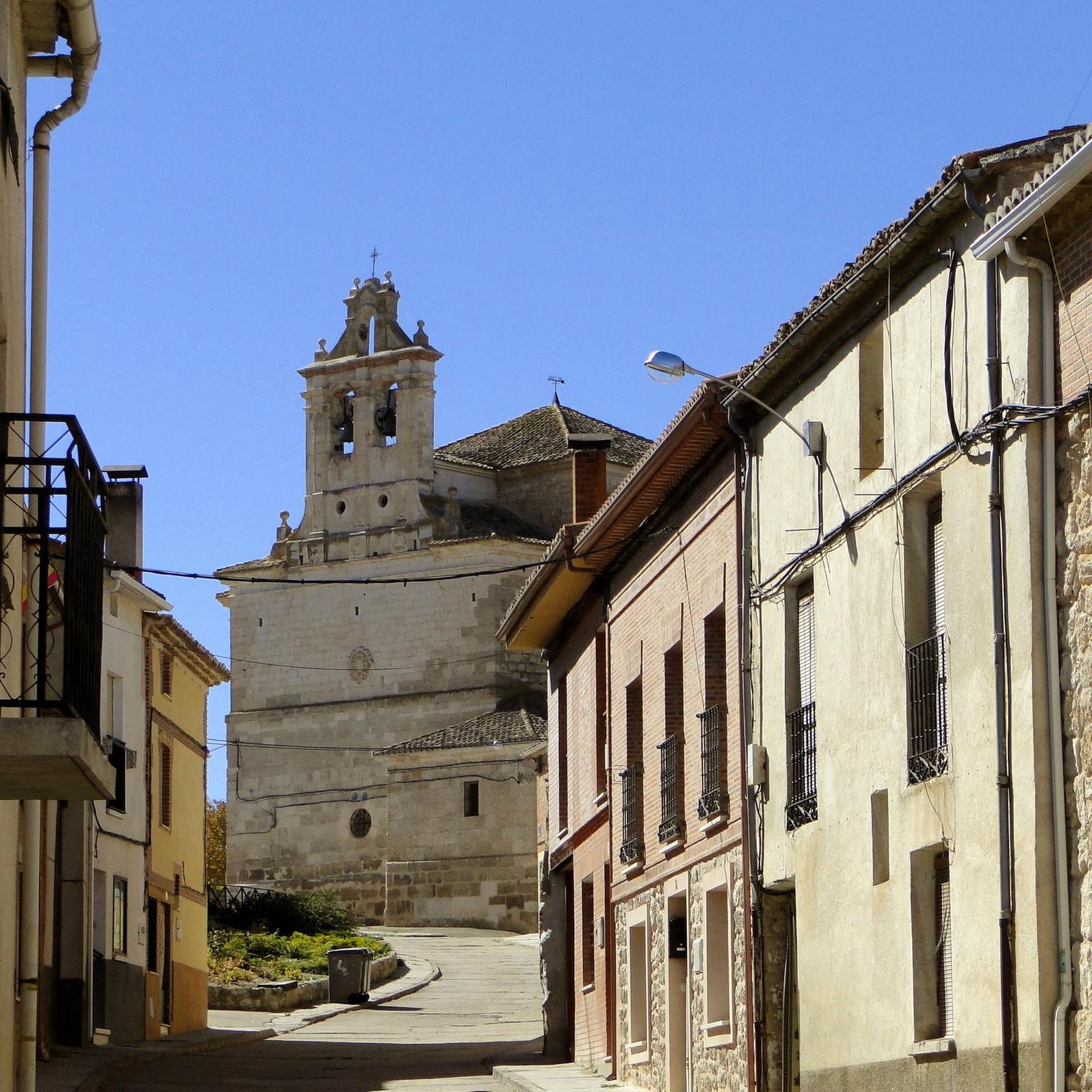
The agricultural lands surrounding the town are mostly dedicated to the cultivation of vines, which means that there are several wineries in the area. An interesting place to visit is the church dedicated to Saint Mary which has undergone several restructurings in the 16th and 17th centuries.
1
0

Soto de Cerrato, a town located in the Cerrato region of Palencia, is believed to have emerged as a vacation retreat for the local ecclesiastical curia due to its proximity to Palencia. Over time, it became a settlement known as "El Soto del Cerrato". The agricultural nature of the land led the town to specialize in the cultivation of the vine, giving rise to numerous wineries. The town has two neighborhoods dedicated to the production of wine: Las Bodegas de Arriba and Las Bodegas de Abajo. In the High Middle Ages, the original parish church dedicated to Santa María was built, which has undergone several restructurings in the 16th and 17th centuries, preserving the shields of various military orders.
2
0

Baltanás is a small town famous for the underground wine storage cellars that can be found scattered up a hill in the town.
1
0
An important town on the trade route between Burgos and Palencia and Valladolid, Torquemada sits at a crossing of the Pisuerga River. The view of the church from the bridge is inspiring.
1
0
This attractive little town has been listed as a Historic-Artistic Monument since 1960. It is surrounded by a wall that was built in medieval times. Area attractions include Church of San Miguel Arcangel and Rollo de Vertavillo.
0
0

Palencia town that houses prehistoric sites. The town has been listed as a Historic-Artistic Monument since 1960. The town has a medieval walled enclosure, the parish church of San Miguel or the hermitage of Santo Cristo del Consuel.
1
1
Frequently Asked Questions
What are the most significant historical and cultural sites in Baltanás?
Baltanás is rich in history and culture. A must-see is the unique Baltanás Underground Wine Cellars, a Site of Cultural Interest with nearly 400 cellars excavated into a hill. Other notable sites include the 17th-18th century Ermita de Nuestra Señora Virgen de Revilla, home to Spain's oldest Nativity figure, and the Museum of Cerrato Castellano, housed in the historic Hospital de Santo Tomás. The 16th-century Church of San Millán, located at the town's highest point, also offers impressive Renaissance architecture and art.
Are there any natural attractions or scenic viewpoints around Baltanás?
While Baltanás is primarily known for its cultural heritage, the surrounding agricultural landscape, particularly the vine cultivation, offers picturesque views. For a panoramic vista of the entire Cerrato region, visit the Mirador del Barrio de las Bodegas, located within the wine cellar district. The plain of El Cerrato itself provides a serene agricultural backdrop for exploration.
What outdoor activities can I do near Baltanás?
The region around Baltanás is excellent for outdoor enthusiasts. You can explore various routes for different sports. For mountain biking, consider trails like the 'Baltanás a Hornillos de Cerrato' loop. Hikers can enjoy paths such as the 'Hermitage of San Gregorio loop from Baltanás'. Road cyclists have options like the 'Monasterio de San Pelayo from Torquemada' route. You can find more details and routes in the dedicated guides for MTB Trails around Baltanás, Hiking around Baltanás, and Road Cycling Routes around Baltanás.
Are there family-friendly attractions or activities in the area?
Yes, several attractions around Baltanás are suitable for families. The settlement of Antigüedad, with its unique combat plane tribute to pioneer pilots, can be an interesting stop. The Torquemada Bridge over the Pisuerga River is also listed as family-friendly and offers a scenic spot for a walk. Exploring the Baltanás Underground Wine Cellars can also be a fascinating experience for older children, offering a glimpse into unique architecture and local history.
What is the best time of year to visit Baltanás for sightseeing and outdoor activities?
The best time to visit Baltanás generally depends on your preferred activities. Spring (April-May) and Autumn (September-October) offer pleasant temperatures ideal for exploring historical sites, walking through the picturesque streets, and engaging in outdoor activities like hiking or cycling. The agricultural landscape, particularly the vineyards, is also very beautiful during these seasons. Summers can be hot, while winters are cooler and may be less suitable for extensive outdoor exploration.
What is the significance of the Baltanás Underground Wine Cellars?
The Baltanás Underground Wine Cellars are a defining feature of the town, with nearly 400 cellars carved into the 'El Castillo' hill. These cellars, some dating back to the 16th century, are a remarkable example of excavated architecture and have been declared a Site of Cultural Interest. They are still actively used today and are believed to have inspired Antoni Gaudí's work on Casa Milá due to their unique ventilation shafts. The La Zarcera Wine Tourism Centre offers tours and tastings.
Are there any easy hiking trails suitable for beginners or casual walkers near Baltanás?
Yes, there are easy hiking options available. For a relaxed walk, consider the 'Río Pisuerga Riverbank Loop' which is approximately 6.5 km long. Another easy option is the 'Hermitage of San Gregorio loop from Baltanás', covering about 7.2 km. These trails offer a gentle introduction to the region's natural beauty. More details can be found in the Hiking around Baltanás guide.
What is the Church of San Millán known for?
The Church of San Millán, located at the highest point of Baltanás, is a prominent 16th-century Renaissance church. It is known for its impressive tower, a beautiful Baroque altarpiece, and paintings by Felipe Gil de Mena. Inside, visitors can also find a 14th-century Christ figure, two Gothic sepulchers, and a remarkable Plateresque organ, making it a significant site for art and history enthusiasts.
What can I expect to see in the Museum of Cerrato Castellano?
The Museum of Cerrato Castellano is dedicated to promoting local culture and is housed in the elegant 18th-century Hospital de Santo Tomás, complemented by an annex modernist building. It features a diverse collection of sacred art and archaeological remains discovered in the region, offering insights into the rich heritage and history of the Cerrato area.
Are there any other notable towns or landmarks nearby that are worth visiting?
Beyond Baltanás itself, the region offers other interesting sites. The town of Antigüedad, situated on the plain of El Cerrato, is known for its agricultural fields and a unique combat plane tribute. The historic Torquemada Bridge over the Pisuerga River is an important landmark on ancient trade routes. Additionally, the charming municipality of Vertavillo, home to the Church of San Miguel Arcángel and Rollo de Vertavillo, is listed as a Historic-Artistic Monument with a medieval walled enclosure.
What do visitors enjoy most about the attractions around Baltanás?
Visitors particularly appreciate the unique historical insights and the tranquil, authentic atmosphere of the region. The Baltanás Underground Wine Cellars are frequently highlighted for their distinctiveness and historical depth. The scenic agricultural landscapes and the opportunity to explore charming, historic towns like Antigüedad also receive positive feedback, often coupled with praise for local hospitality and delicious regional products like madeleines and oil cakes.
What kind of landscape characterizes the Baltanás region?
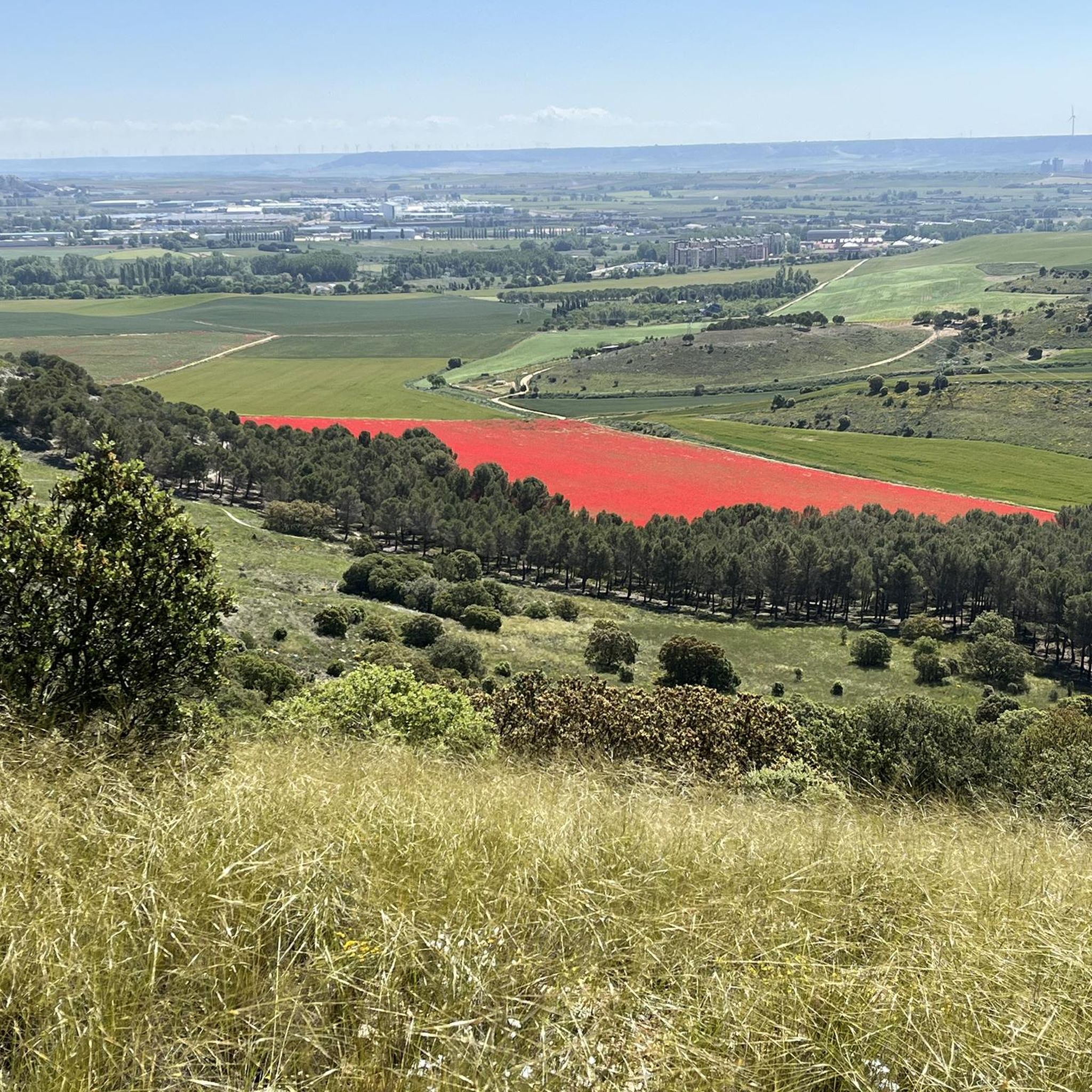
The Baltanás region, part of the plain of El Cerrato, is characterized by a predominantly agricultural landscape. Vast fields, largely dedicated to vine cultivation, define the scenery. This agricultural setting contributes to the region's wine production and offers a serene, rural environment, especially when viewed from elevated points like the Mirador del Barrio de las Bodegas.

Get inspired with the komoot mobile app


Explore more
Still not found the Highlight you’re looking for? See guides of the top attractions in other regions:
