Attractions and Places To See around Carabaña - Top 20
Best attractions and places to see around Carabaña, a town in the Community of Madrid, offers a blend of historical sites, natural beauty, and cultural experiences. The area is characterized by its location along the Tajuña river, featuring extensive greenways and cultivated fields, primarily olive groves. Visitors can explore a variety of attractions, from ancient Roman remnants to picturesque natural routes.
Best attractions and places to see around Carabaña
- The most popular attractions is Goyeneche Palace of Nuevo Baztán, a historical site recognized as one of "The Most Beautiful Towns in Spain" and a significant architectural complex. It forms a central nucleus with the local church.
- Another must-see spot is Chapel of the Holy Children, a religious building located next to the Greenway. It is dedicated to the patron saints of Tielmes and Alcalá de Henares, offering a serene spot for a break.
- Visitors also love Junction of the Tajuña Greenway and the Tren de los 40 Días Greenway, a cycle way that connects various towns in southeastern Madrid. This junction marks where the Tren de los 40 Días Greenway branches off, traversing cultivated fields.
- Carabaña is known for its historical sites, extensive greenways, and natural springs. Visitors can explore ancient Roman remnants, picturesque natural routes, and Baroque architecture.
- The attractions around Carabaña are appreciated by the komoot community, with 72 upvotes and 36 photos shared across 11 highlights.
Last updated: August 30, 2026
Goyeneche Palace of Nuevo Baztán
Highlight • Historical Site
Translated by Google •
Tip by

Tajuña Greenway
Highlight (Segment) • Cycleway
Translated by Google •
Tip by

Sign up now to discover places like this
Get recommendations on the best single tracks, peaks, & plenty of other exciting outdoor places.
Sign up for free
Chapel of the Holy Children
Highlight • Religious Site
es.m.wikipedia.org/wiki/Justo_y_Pastor#:~:text=Los%20saints%20Justo%20y%20Pastor%2C%20also%C3%A9n%20known%20as%20los%20Saints,during%20the %20persecution%C3%B3n%20of%20Diocletian.
Translated by Google •
Tip by

Junction of the Tajuña Greenway and the Tren de los 40 Días Greenway
Highlight • Cycleway
Translated by Google •
Tip by

Tajuña Greenway
Highlight • Cycleway
Translated by Google •
Tip by

Sign up for free to discover even more attractions around Carabaña.
Sign up for free
Already have an account?
Start today with a free account
Your next adventure awaits.
Login or Signup

Tips from the Community

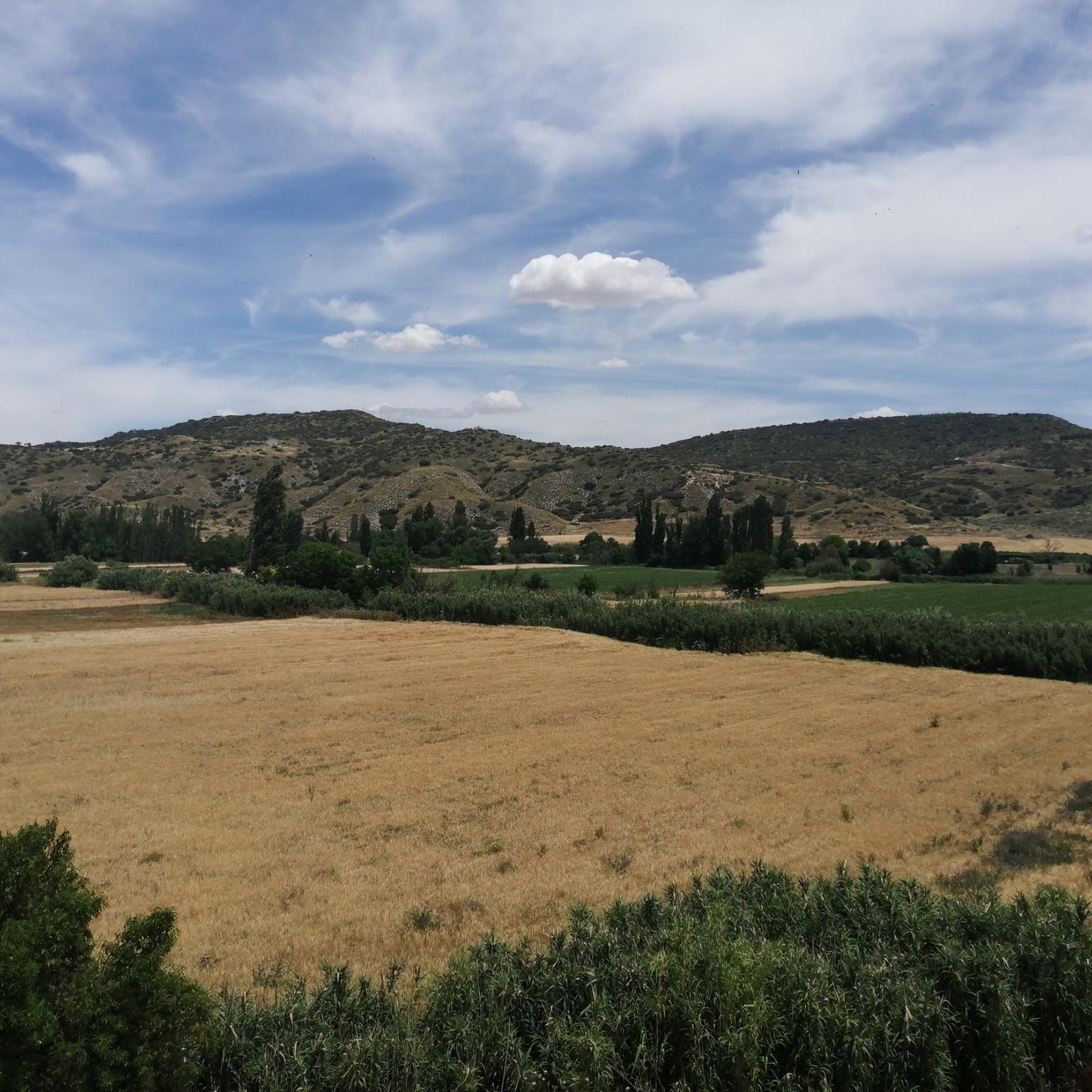
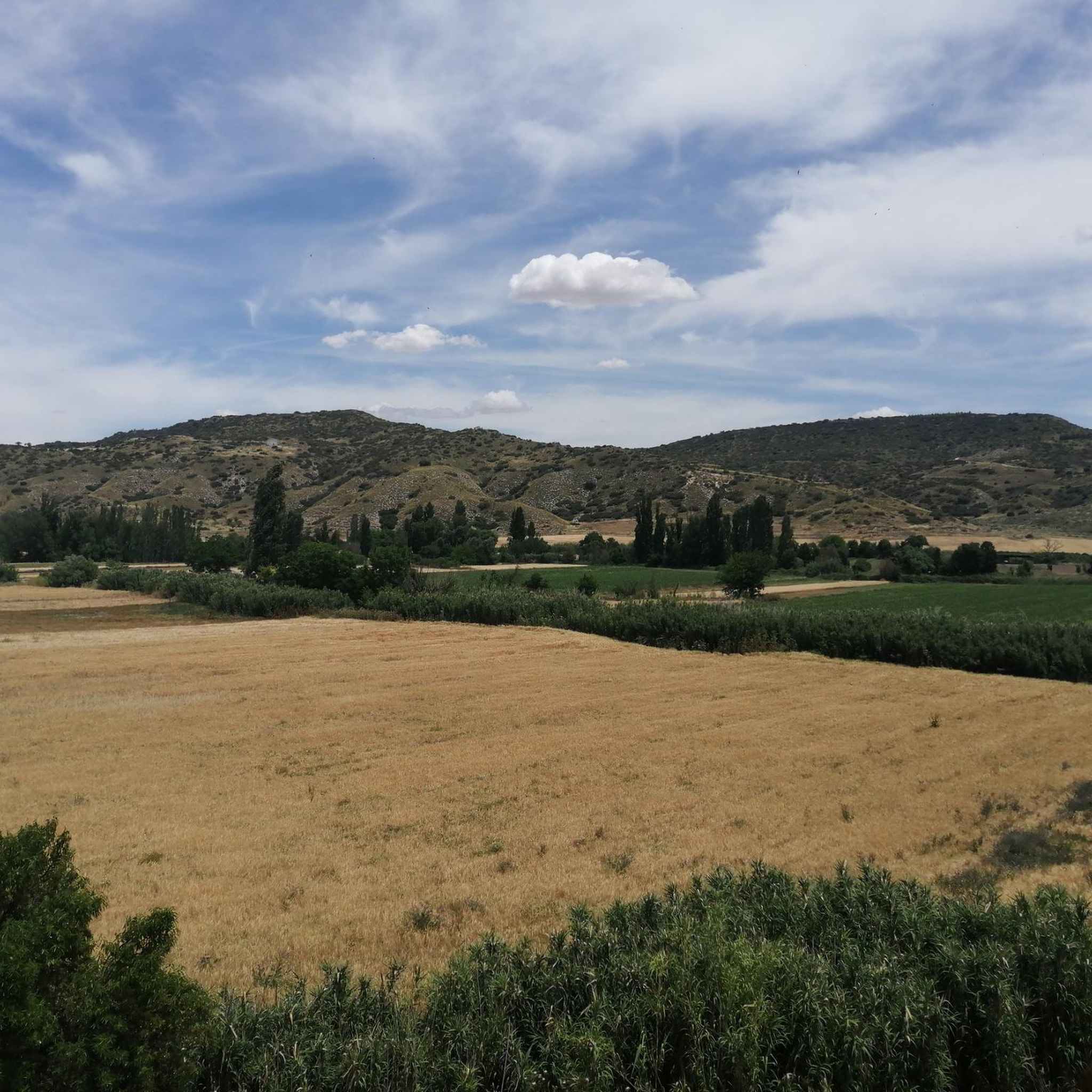
Flat and accessible route that follows the old railway line between Arganda del Rey and Ambite, ideal for e-bikes, amidst fields, charming villages, and illuminated tunnels.
0
0

Easy and comfortable route along this old railway line
0
0

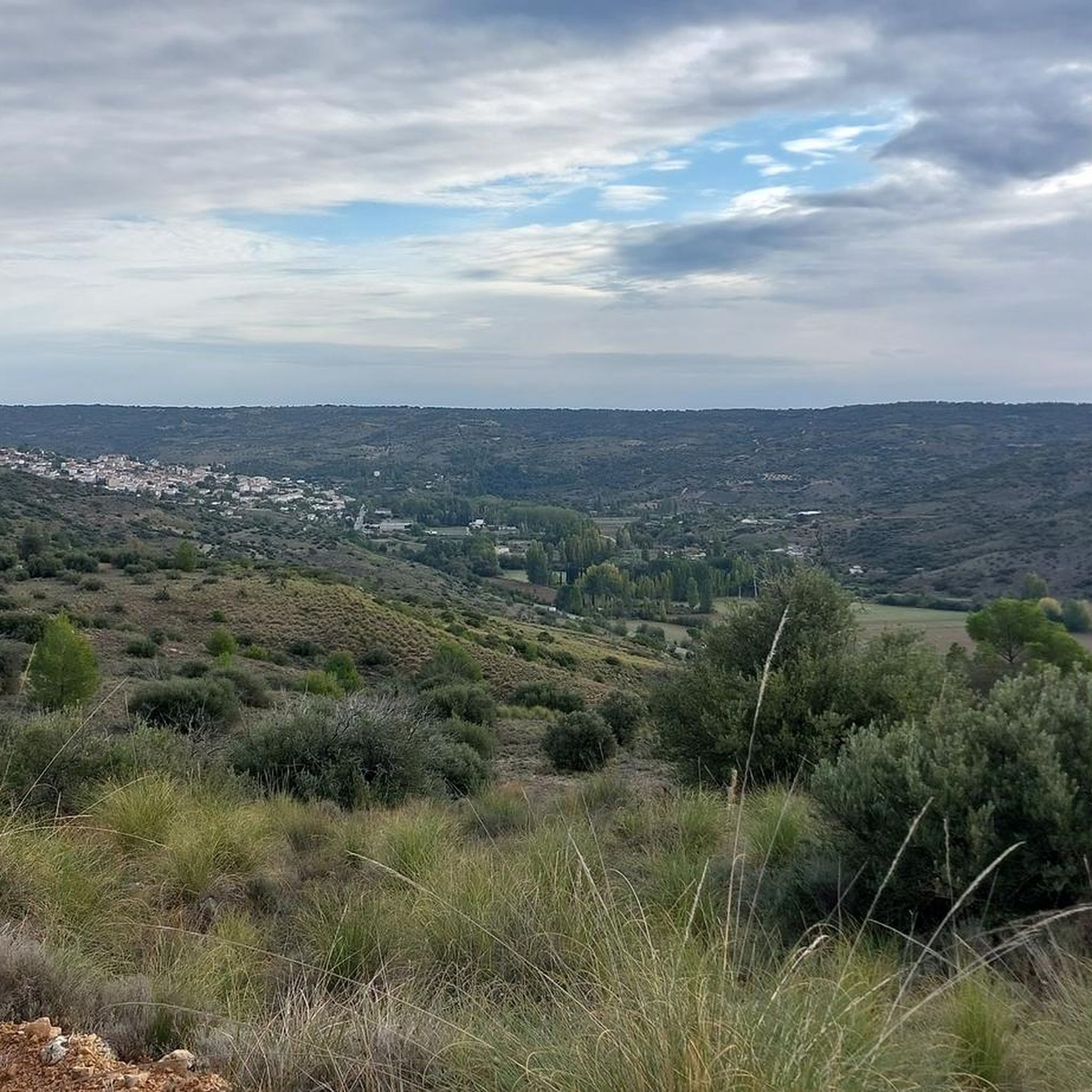
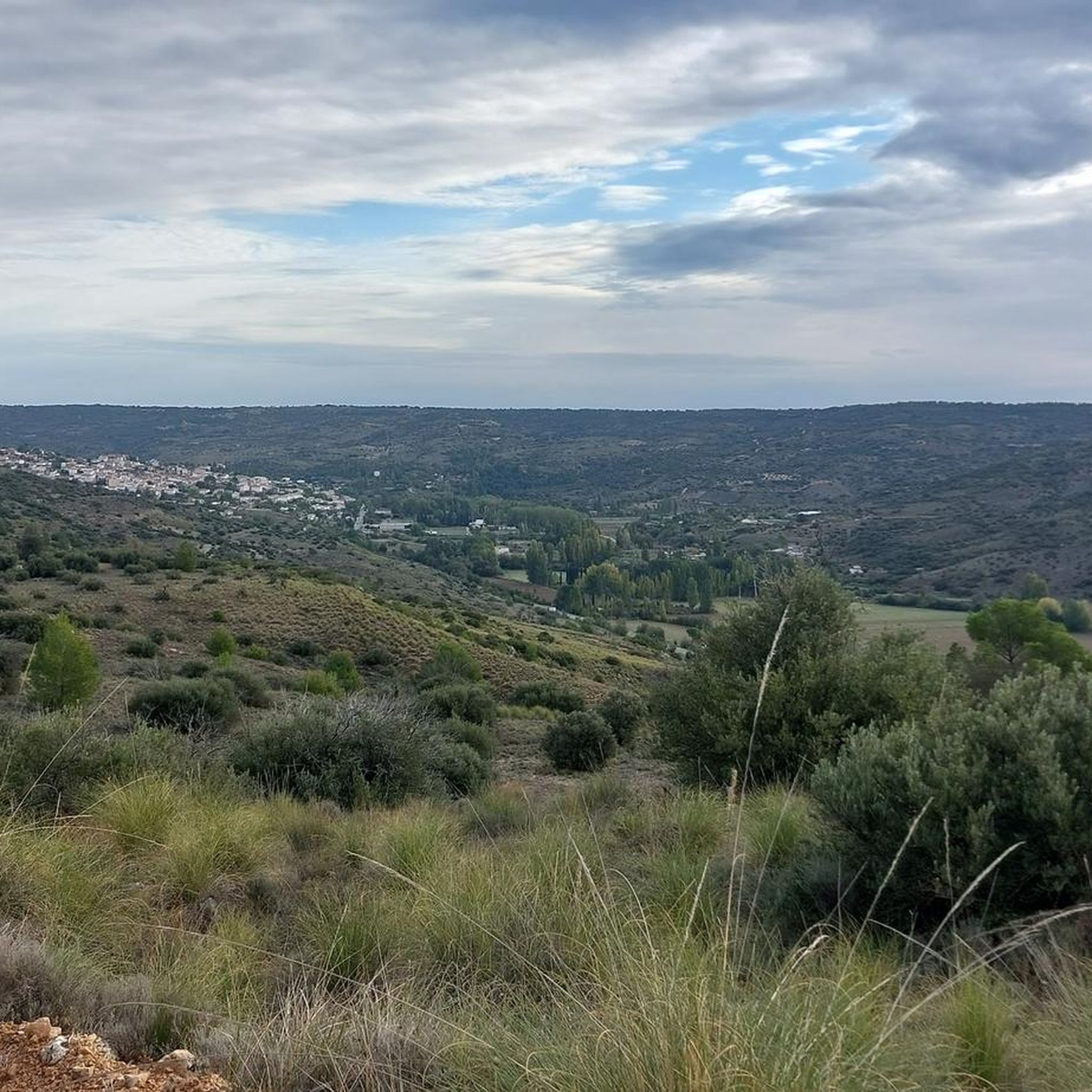
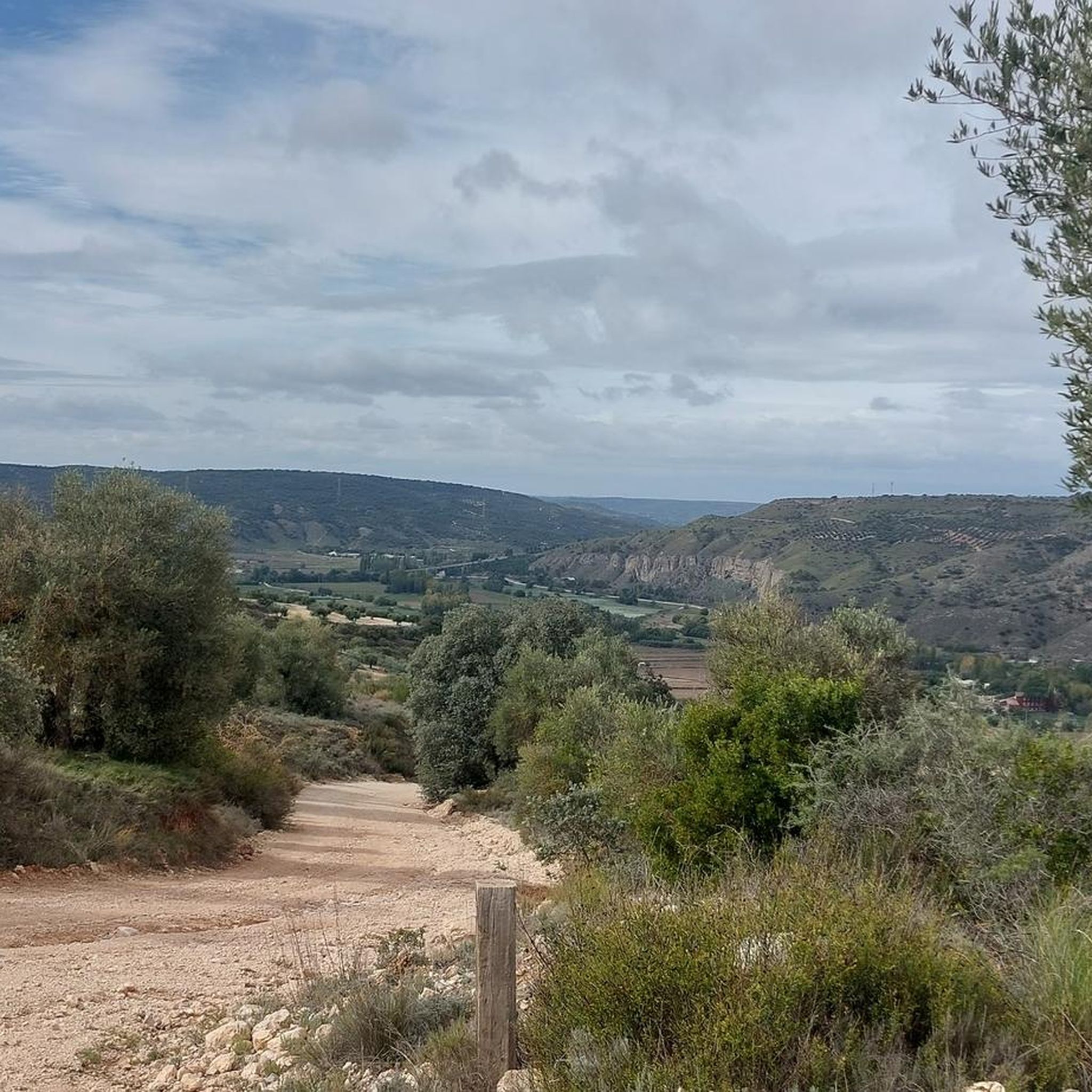
Panoramic views with great beauty
0
0

The unique urban style of Nuevo Baztán maintains the original Baroque model from the beginning of the 18th century, designed by José de Churriguera by order of Juan de Goyeneche, who had permission from Charles II to build glass, paper and textile factories on Spanish territory. The Navarrese businessman was originally from Arizkun, in the Baztán Valley, but spent time in Madrid because he had other properties and professional relations with the Court. He chose the site of Madrid's Alcarria to found an industrial and rural centre in honour of his homeland and commissioned the Madrid architect to build a glass factory, a farming village of half a thousand inhabitants, a palace, a monumental church and gardens with centuries-old pines and elms. The town preserves cobbled streets, stone squares, rural buildings from the time of its foundation, between 1709 and 1713, and palace gardens, a beautiful heritage complex declared a Historic-Artistic Monument in 1941 and a Site of Cultural Interest in 2000.
0
0

It is called that precisely because it took that long to build it (although in reality it was more days) but we can still enjoy its layout in some parts.
0
0

Fountain in the small park in front of the church.
0
0

Section of the route is easy to drive on, without major difficulty. MTB is easy to do, down is fun. Eddy Current.
4
0
Section that in the past was complicated by the ballast, but which has already been fixed up to Mondejar, being perfectly cyclable, both for MTB and for Gravel
5
0
Frequently Asked Questions
What historical sites can I explore around Carabaña?
Carabaña and its surroundings are rich in history. You can visit the impressive Goyeneche Palace of Nuevo Baztán, recognized as one of "The Most Beautiful Towns in Spain." Other notable historical sites include the 16th-century Church of the Assumption of Our Lady, the Palace of the Viceroy, and the Roman Ara in Plaza de España. Don't miss the 18th-century Mariblanca Fountain, a beautiful example of Baroque architecture.
Are there any religious landmarks worth visiting in the area?
Yes, several religious landmarks dot the landscape. The Chapel of the Holy Children, located along the Greenway, offers a serene spot dedicated to the patron saints of Tielmes and Alcalá de Henares. You can also find the Chapel of Santa Bárbara and the Chapel of Santa Lucía, both dating back to the 16th century, with Santa Lucía's feast day being a significant local celebration.
What natural attractions and green spaces are available for visitors?
Carabaña is known for its natural beauty. The Tajuña Greenway is a popular route for walking, cycling, and wheelchairs, following an old railway line through olive groves and cereal fields. You can also explore the Vega de la Maraña Route, which runs parallel to the river, or relax in the Forest Park of La Dehesa Nueva, a pine forest with recreational areas. The La Salina Spring is famous for Carabaña's purgative waters.
What kind of outdoor activities can I do near Carabaña's attractions?
The area around Carabaña is perfect for outdoor enthusiasts. You can enjoy extensive cycling on the Gravel biking routes or explore the MTB Trails. For those who prefer walking, there are numerous hiking trails, including routes along the Tajuña Greenway and the Vega de la Maraña. The Junction of the Tajuña Greenway and the Tren de los 40 Días Greenway is a great starting point for exploring these paths.
Are there family-friendly attractions or activities in Carabaña?
Yes, Carabaña offers several family-friendly options. The greenways, such as the Tajuña Greenway, are accessible for all ages and provide a safe environment for walking or cycling. The Forest Park of La Dehesa Nueva has recreational areas with rustic wooden attractions, ideal for picnics and play. Many historical sites like the Goyeneche Palace of Nuevo Baztán and the Chapel of the Holy Children are also suitable for family visits.
What is the best way to explore the greenways around Carabaña?
The greenways are best explored by cycling or walking. The Junction of the Tajuña Greenway and the Tren de los 40 Días Greenway is a key point where you can choose your direction. These routes are generally flat, following old railway lines, making them suitable for various fitness levels and even wheelchairs. You can find detailed routes and guides for gravel biking and hiking on komoot.
Are there any unique cultural events or points of interest in Carabaña?
Carabaña hosts unique cultural events, most notably 'The Passion of Carabaña,' where local residents perform biblical scenes in the town's streets. For music lovers, the Carabaña Rock Festival has been a free annual event for over fifteen years. You can also visit the Old Railway Station, which has been rehabilitated into a tourist information point and cultural classroom, or dine at the Chávarri Electric Power Station Restaurant, a former industrial complex transformed into a unique dining venue.
What are some lesser-known or 'hidden gem' attractions in Carabaña?
Beyond the main highlights, consider exploring the natural caves like Cueva de la Mora, Cueva del Peregrino, and Cueva del Huevo Rodado, which offer a glimpse into the region's geological past. The Fuente del Olivo, inaugurated in 2013, is a charming spot representing local agricultural heritage. Also, the Villar del Olmo Town Center, a short distance away, offers a QR code system to discover its 21 historical and scenic points of interest.
What is the significance of the bridges along the Tajuña Greenway?
The bridges along the Tajuña Greenway, such as the Picturesque bridge, are remnants of the old train track that once ran through the area. Today, they serve as charming architectural features and often provide welcome shade for cyclists and walkers on the route. The Neoclassical Bridge over the Tajuña River is also a point of interest for its architectural style and historical role in connecting routes.
What do visitors enjoy most about the attractions around Carabaña?
Visitors particularly appreciate the blend of historical sites and natural beauty. The tranquility of places like the Chapel of the Holy Children and the extensive, well-maintained greenways for cycling and walking are frequently praised. The historical significance of sites like the Goyeneche Palace of Nuevo Baztán and the opportunity to explore the region's agricultural landscapes also receive positive feedback.
Are there any viewpoints or places to get panoramic views of Carabaña?
Yes, for panoramic views, you can visit the Chapel of Santa Bárbara. Although now disused, this 16th-century chapel is situated on a hilltop at the entrance of Carabaña and offers excellent views of the town and its surroundings. Additionally, the Villar del Olmo Town Center includes several scenic viewpoints among its points of interest.
Most popular attractions around Carabaña

Get inspired with the komoot mobile app


Explore more
Still not found the Highlight you’re looking for? See guides of the top attractions in other regions:
