Attractions and Places To See around La Vall De Laguar - Top 20
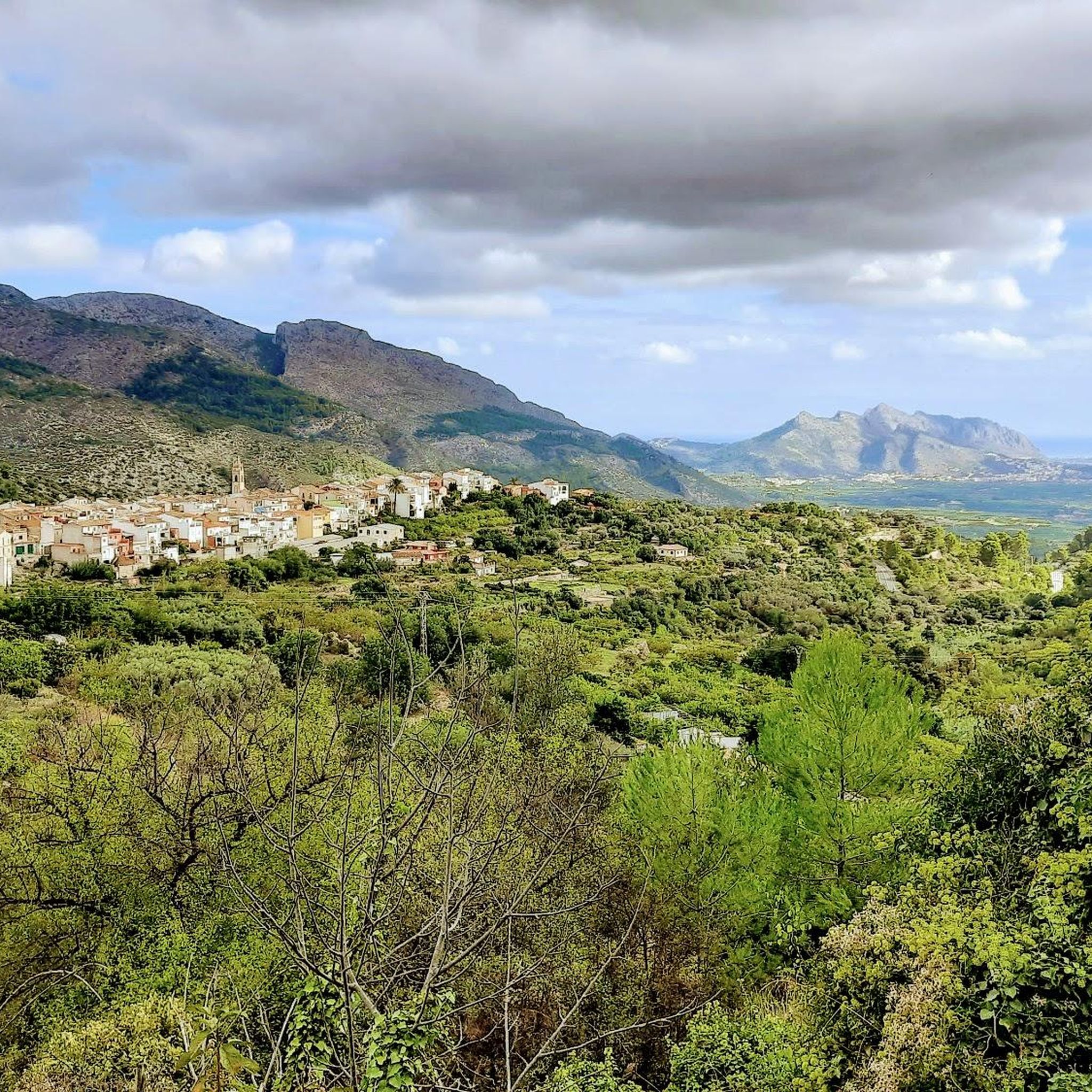
Best attractions and places to see around La Vall De Laguar include a captivating blend of natural beauty and cultural insights in the Marina Alta region of Alicante, Spain. The area is characterized by its dramatic landscape, shaped by the Girona River, and features significant mountain ranges. Visitors can explore historic villages, ancient castles, and numerous natural springs. This region offers diverse opportunities for outdoor enthusiasts and those seeking tranquil natural settings.
Best attractions and places to see around La…
Last updated: July 19, 2026
Coll de Rates
Highlight • Mountain Pass
Tip by

Guadalest Reservoir
Highlight • Lake
Translated by Google •
Tip by

Sign up now to discover places like this
Get recommendations on the best single tracks, peaks, & plenty of other exciting outdoor places.
Sign up for free
Vall d'Ebo Pass
Highlight • Mountain Pass
Tip by

Sa Creueta Pass (780 m)
Highlight • Mountain Pass
Translated by Google •
Tip by

Rocky Staircase Trail
Highlight • Trail
Tip by

Sign up for free to discover even more attractions around La Vall De Laguar.
Sign up for free
Already have an account?
Start today with a free account
Your next adventure awaits.
Login or Signup


Tips from the Community

We took the stairs to the Barranc de l'Infern and, once at the bottom, hiked a bit further into the gorge. On the way back, we accidentally took the stairway on the other side of the river. So we arrived at the top, tired but satisfied, just as our water supply had run out. Then we realized we were wrong. The only option was to go back down into the gorge and then back up on the other side... without water or food. We were rather happy to find a natural spring at the top of the road at the end, where we could refresh our thirsty bodies... Fortunately, it all ended well!
0
0

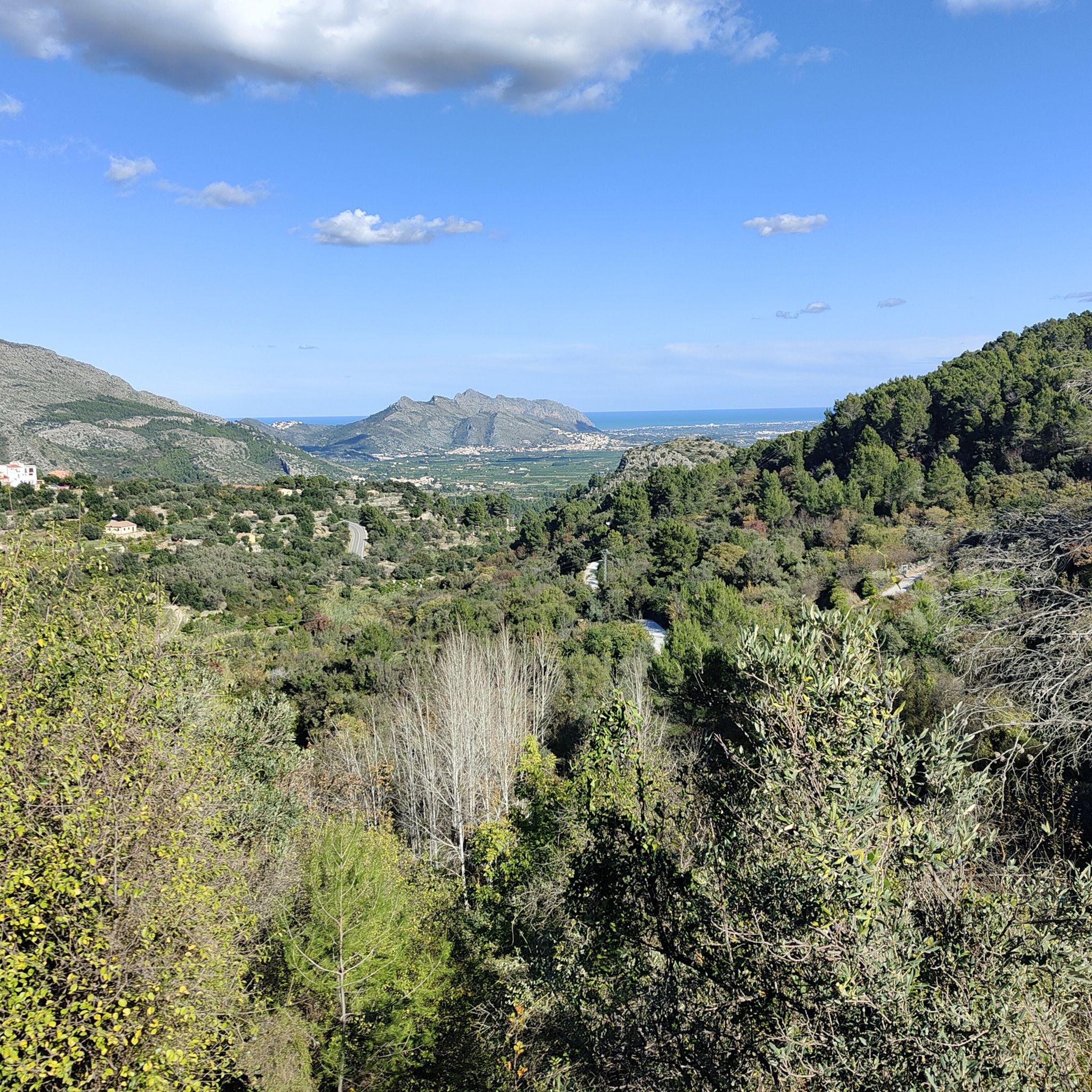
Good paved road, moderate traffic. Views of the reservoir, the Aitana and Serrella mountain ranges, and villages like Beniardà and Benimantell.
6
0

Tough but with magnificent views. Relatively quiet road.
2
0

Just off the road between Sagra and Pego, the small turnoff toward Vall d’Ebo leads into one of the most beautiful and tranquil climbs in the Costa Blanca mountains. It may not be famous outside of cycling circles — but pros know it well: Tadej Pogačar holds the Strava KOM on this climb. From the Pego side, the ascent runs for about 8 km, gaining 400 metres at a steady average of 5%. The road is smooth, quiet, and beautifully engineered — with a flowing rhythm and wide, elegant curves. The landscape is peaceful and wild, with cliffs, pines, and far-reaching views. At the top, just before you descend into Vall d’Ebo, you’re rewarded with a spectacular view in both directions: looking back, the coastline and the Mediterranean Sea; looking ahead, the lush green valley of Vall d’Ebo, framed by rugged ridges and rocky outcrops. It’s a rare and stunning double panorama. If you continue past the village, you can create a magnificent loop via Pla de Petracos, riding through remote canyons and ancient rock formations before descending into Benigembla and back to the Vall de Pop. If you're riding from Vall d’Ebo toward Pego, the climb is shorter — about 3 km at 6% — but still very scenic, especially as you rise above the valley with dramatic views behind you. Vall d’Ebo may be quiet, but it’s world-class: pure road, total calm, and the kind of climb you’ll want to ride again and again.
3
1
If there’s one climb that defines cycling on the Costa Blanca, it’s Coll de Rates. Starting from the village of Parcent, this legendary ascent has become a must-ride for cyclists from around the world — from weekend warriors to Tour de France champions. The climb is just under 7 km long, with an average gradient of around 5%, making it both accessible and rhythmical. The road surface is excellent, the curves are elegant, and the views just keep getting better as you rise above the valley. This is no secret among the pros. Riders from Jumbo-Visma, INEOS, UAE Team Emirates and others regularly use Coll de Rates for winter training. Tadej Pogačar currently holds the Strava KOM, which says a lot about the kind of names that have tested themselves here. On clear days, the view from the top is simply breathtaking — stretching all the way across the coastline, and if you’re lucky, even Ibiza shimmers faintly on the horizon. There’s a café at the summit (seasonal), and the descent toward Tarbena or Castell de Castells is just as rewarding. With its mix of scenery, steady gradients and cycling history, Coll de Rates is one of the most climbed — and most loved — ascents in the world. If you ride only one climb in the region, make it this one.
10
3
Tucked away in the mountains between Tàrbena and Castell de Castells, the Puerto de Sa Creueta offers two distinct climbing experiences — and both are worth riding. From Tàrbena, the climb is friendly and scenic. You’ll face about 4 km of steady climbing at around 5%, followed by a rolling 3.5 km section with gentle ups and downs. Just before the top, a short final ramp kicks up sharply to around 12%, but overall this side is rhythmical and not too demanding. The road is wide, smooth and virtually traffic-free, ideal for a relaxed climb. Approaching via the Castell de Castells side, from Tollos or from Benigembla and the Vall de Pop, is a whole different story. After a relatively calm start, the climb hits hard with a 2 km stretch averaging around 10% — sustained, steep, and guaranteed to get your legs burning. This side is definitely more challenging, and a great test for climbers. No matter which direction you choose, you’ll be rewarded with expansive views over the valley near Tàrbena, the rugged peaks of the Marina mountains, and — on a clear day — even the Mediterranean Sea and the skyline of Altea shimmering in the distance. Puerto de Sa Creueta is a hidden gem: peaceful, beautiful and tougher than it looks, especially if you come at it from the inland side. Combine it with Coll de Rates for an unforgettable day in the heart of the Costa Blanca.
5
0
The Coll de Rates consistently ranks in the top ten of the most ridden mountains every year. Pro riders compete for the best times.
2
1

Frequently Asked Questions
What are the most scenic viewpoints in La Vall De Laguar?
La Vall De Laguar offers numerous breathtaking viewpoints. From the top of Coll de Rates, you can enjoy panoramic views stretching across the coastline, with potential glimpses of Ibiza on clear days. The Guadalest Reservoir also provides stunning vistas of its turquoise waters framed by surrounding mountains, with the picturesque village of Guadalest overlooking it. Additionally, the El Cavall Verd Mountains offer incredible panoramic views of the valley and beyond.
Are there any historical sites to visit in La Vall De Laguar?
Yes, La Vall De Laguar is rich in history. You can explore the remnants of Las Adzaharas Castle (also known as Vall de Laguar Castle or La Plana Castle) near Benimaurell, an Islamic castle dating back to the 13th century. The 12th-century Casota Tower near Campell served as a strategic lookout point. The villages of Benimaurell, Fleix, and Campell also offer historic centers and traditional architecture, including their respective parish churches.
What kind of outdoor activities can I do near these attractions?
The region around La Vall De Laguar is perfect for outdoor enthusiasts. You can find excellent opportunities for hiking, running, and cycling. For detailed routes, explore the guides for Mountain Hikes around La Vall De Laguar, Running Trails around La Vall De Laguar, and Cycling around La Vall De Laguar.
Are there any challenging hiking trails in the area?
Absolutely. The Barranco del Infierno, often called 'Hiking's Cathedral,' offers a spectacular and challenging circular hiking route, PR-CV 147. This trail is famous for its over 6,000 ancient stone steps built by the Moors. It's a demanding but highly rewarding experience for experienced hikers.
What natural features are prominent in La Vall De Laguar?
La Vall De Laguar is characterized by its dramatic natural beauty. Key features include the deep canyon of Barranco del Infierno, the scenic El Cavall Verd Mountains, and the Girona River which has shaped the valley. The area is also blessed with numerous natural springs like Fuente del Camusot and Fuente de Isber, and the extensive Pine Forest of La Umbría.
Are there any family-friendly attractions or walks?
Yes, the Guadalest Reservoir offers an easy and enjoyable walk around its perimeter, suitable for families. The path around the lake allows you to view Castell Guadalest from all sides. Exploring the charming, traditional villages of Benimaurell, Fleix, and Campell can also be a pleasant family activity.
What is the best time of year to visit La Vall De Laguar?
The spring, particularly mid-March, is a beautiful time to visit due to the stunning cherry blossoms that transform the landscape, especially around the El Cavall Verd Mountains. The cherry harvest also takes place later in spring. For hiking and outdoor activities, spring and autumn offer pleasant temperatures, avoiding the peak heat of summer.
Where can cyclists find challenging routes and scenic climbs?
Cyclists will find La Vall De Laguar a prime destination. The region is famous for its mountain passes like Coll de Rates, a legendary ascent with an average gradient of 5%, and Vall d'Ebo Pass, an 8 km climb with winding roads and open views. Sa Creueta Pass also offers distinct climbing experiences with varying gradients. These routes are popular with both amateur and professional cyclists.
Are there any unique cultural or architectural sites?
Beyond the historic castles and towers, the San Francisco de Borja Sanatorium in Fontilles is a unique site. Originally a leprosy sanatorium from the early 20th century, it's often described as a 'small walled city' and now serves as a renowned center for disease research, offering a blend of architectural and historical interest within a natural setting.
What are the villages like in La Vall De Laguar?
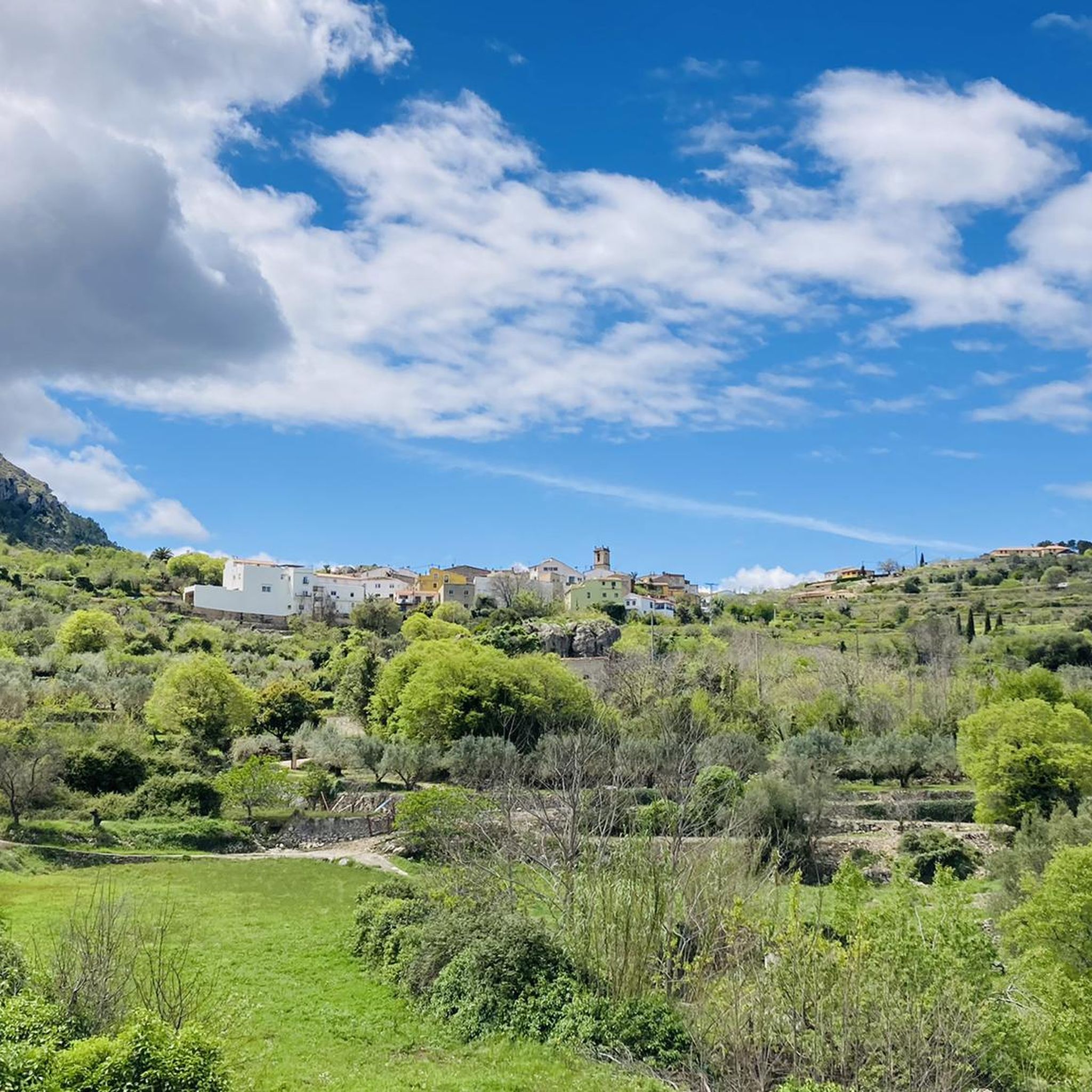
La Vall De Laguar is comprised of three main villages: Benimaurell, Fleix, and Campell. Benimaurell, located at the valley's highest point, offers commanding views. Fleix serves as the administrative center. Campell, known as 'el Poble de Baix,' features well-preserved 'lavaderos' (communal washing areas). All three villages offer a glimpse into traditional Valencian life with their historic centers and narrow streets.
Can I find cafes or restaurants near the main attractions?
Yes, for instance, at the summit of Coll de Rates, there is a cafe (seasonal) where you can refuel and enjoy the views. The charming villages within La Vall De Laguar, such as Benimaurell, Fleix, and Campell, also offer local establishments where you can find refreshments and traditional cuisine.
What is special about the cherry orchards in La Vall De Laguar?
La Vall De Laguar is renowned for its cherry production. In mid-March, the valley transforms with beautiful white cherry blossoms, creating a picturesque landscape. The region's 'Alicante Mountain Cherries' are a major agricultural product and hold a Designation of Origin seal, signifying their quality and unique characteristics.
Most popular routes around La Vall De Laguar
Most popular attractions around La Vall De Laguar

Get inspired with the komoot mobile app


Explore more
Still not found the Highlight you’re looking for? See guides of the top attractions in other regions:
