The best road cycling routes around Barcial Del Barco
5.0
(7)
272
riders
27
rides
Road cycling routes around Barcial Del Barco are situated in the province of Zamora, within the Castile and León region of Spain, characterized by its location at the confluence of the Órbigo and Esla rivers. The terrain features fertile plains, extensive agricultural lands with crops like corn and sunflowers, and green landscapes. A key feature for cyclists is the Vía Verde de la Plata, a car-free path built on a disused railway line, offering well-paved surfaces suitable for road cycling…
Last updated: May 16, 2026
5.0
(1)
14
riders
68.5km
02:51
350m
350m
This moderate 42.6-mile road cycling route, Mózar y Santovenia del Esla — circular desde Benavente, offers pleasant scenery around Benavente
8
riders
52.0km
02:10
210m
210m
Moderate road ride. Good fitness required. Mostly well-paved surfaces and easy to ride.

Sign up for free
3
riders
103km
04:07
340m
340m
Cycle 63.7 miles through the Villafáfila and Villalpando Natural Reserve Lagoons, enjoying birdwatching and saline lake views on this modera
1
riders
76.2km
03:05
320m
320m
Moderate road ride. Good fitness required. Mostly well-paved surfaces and easy to ride.
Hard road ride. Very good fitness required. Mostly well-paved surfaces and easy to ride.
Get access to more routes and recommendations from other explorers.
Sign up for free
Already have an account?
Our route recommendations are based on thousands of hikes, rides, and runs completed by other people on komoot.
Start today with a free account
Your next adventure awaits.
Login or Signup
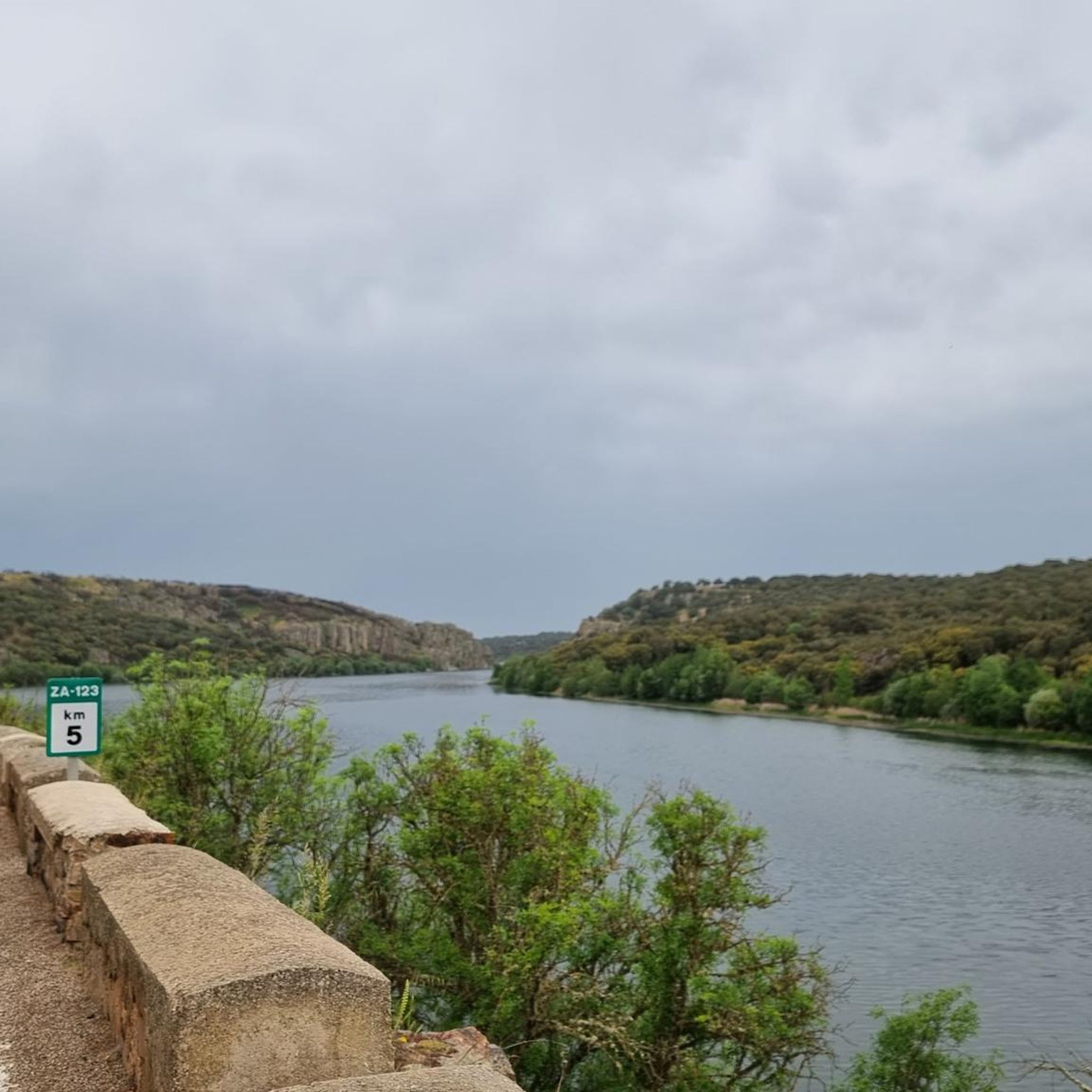
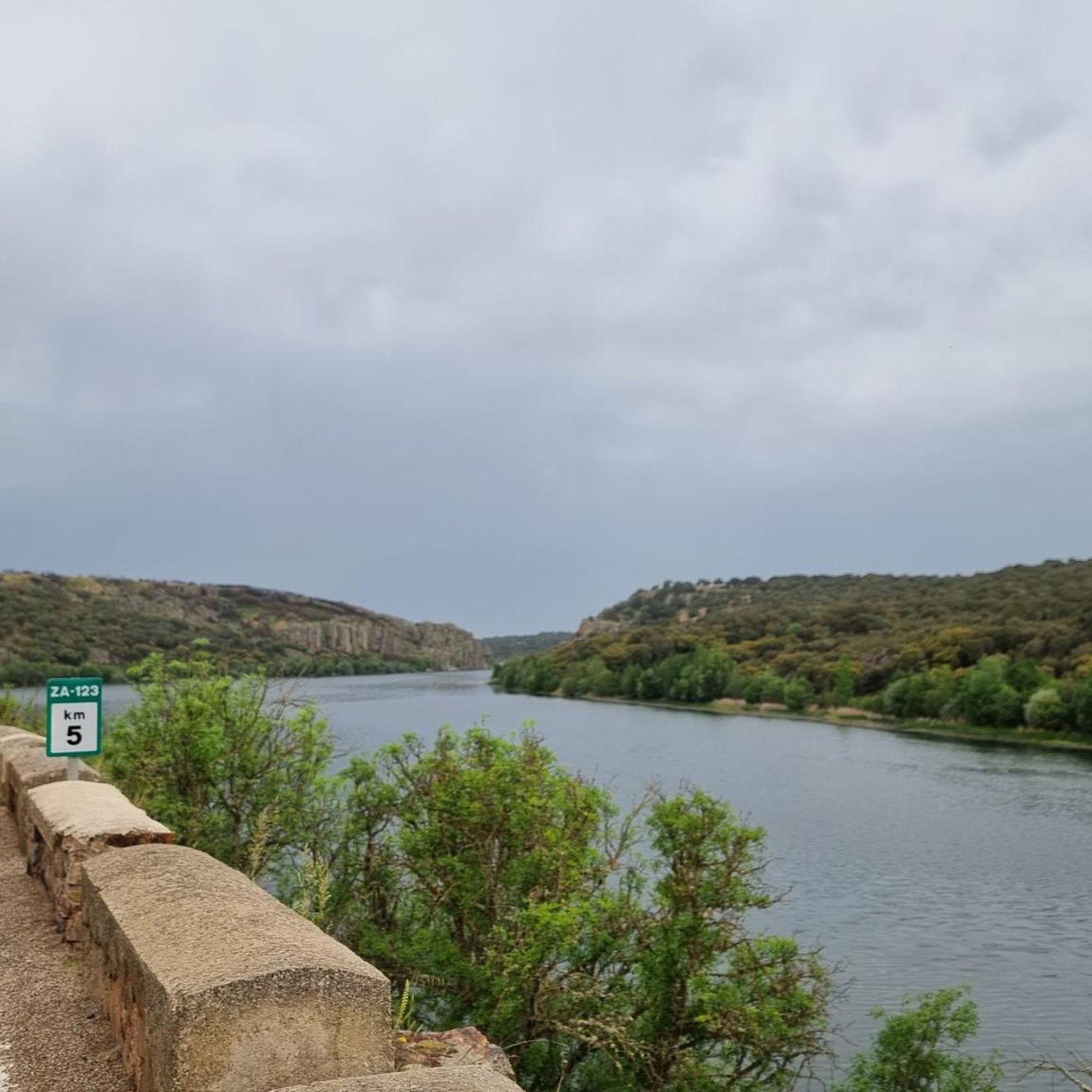
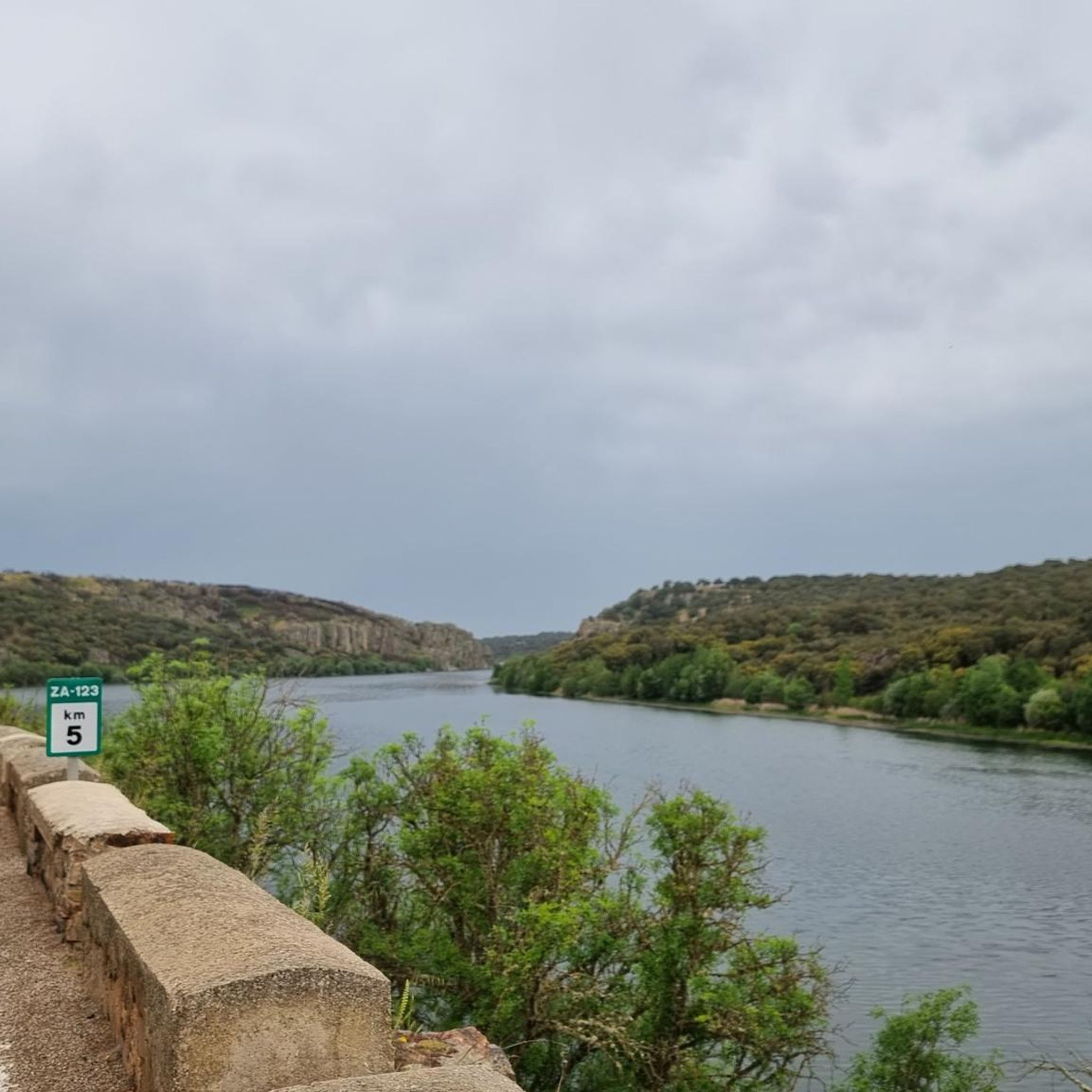
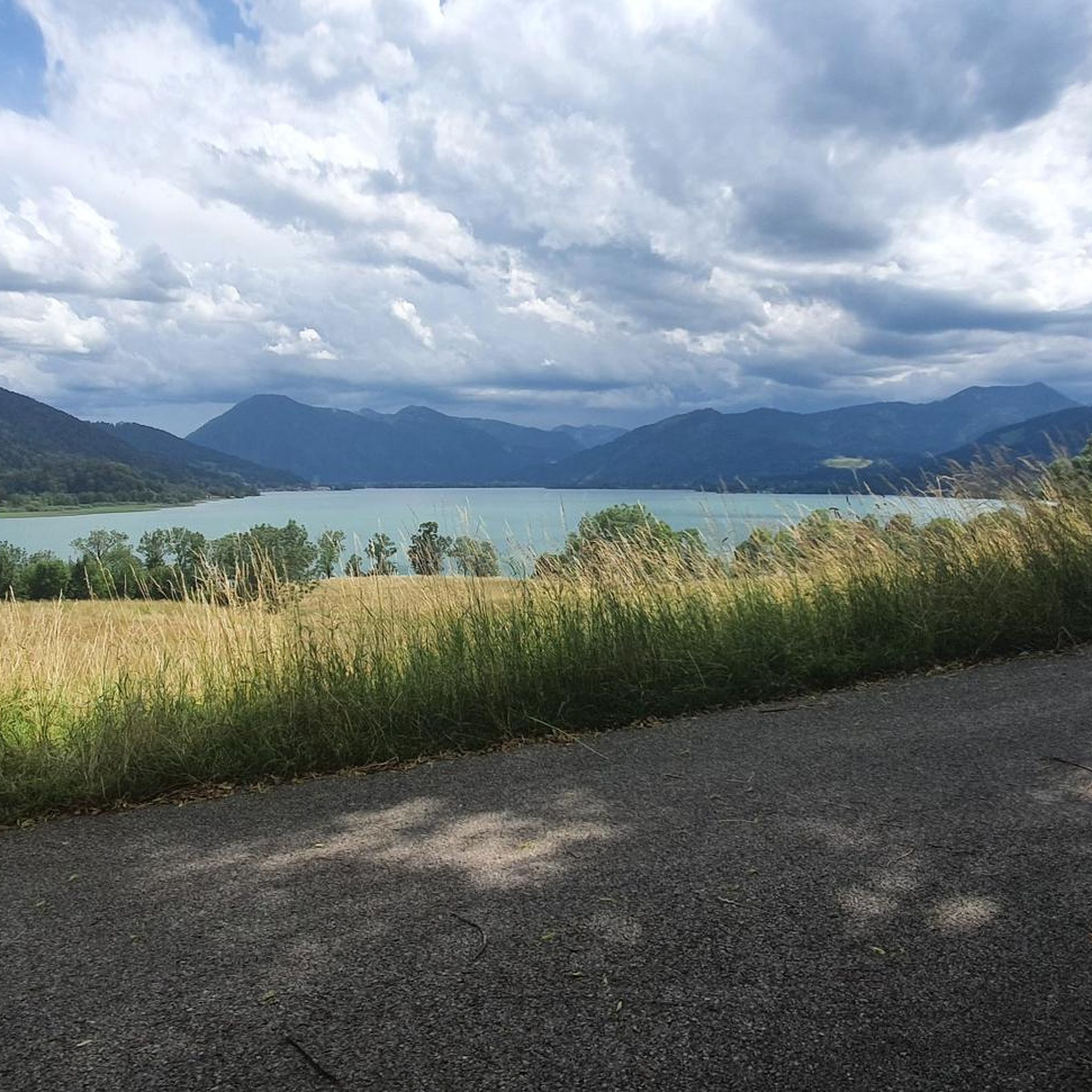
Tips from the Community

Tábara, located in the northwest of the province of Zamora (Castilla y León), is a town with a rich medieval history, a stunning natural setting, and a significant cultural heritage. Origins: These date back to the Bronze Age and Roman period. Middle Ages: It was an important monastic center with the Monastery of San Salvador de Tábara, founded by Saint Froilán in the 9th century at the behest of Alfonso III.
9
0

Monastery of Santa Marta de Tera, the oldest Romanesque church in Zamora and also one of the oldest in Spain. On the left side, hangs the oldest sculptural representation of St. James the Apostle in a pilgrim pose.
0
0

Beautiful landscape of agricultural fields right next to Lagunas de Villafáfila Natural Park.
0
0

Restored by the Hotel Parador, this 12th-century castle sits on top of a hill overlooking the surrounding landscape and botanical gardens below.
0
0

Spectacular stone bridge with 9 symmetrical arches that crosses the Esla River. It was built in 1920 to connect the trade route between the Zamora regions of Tierra de Campos and Tábara. The bridge is located on the Jacobean route known as Camino Mozárabe Sanabrés, which allows pilgrims to cross into Zamora and Galicia beyond.
3
1
The Quintos bridge over the Esla river is located on the road between Zamora and Galicia. It unites the Zamora regions of Tierra de Tábara and Tierra de Campos, forming a link on the Camino de Santiago Sanabrés.
4
1
Welcoming travelers from Villalpando since the 11th century, the Puerta de San Andrés is located on the southeast route to Valladolid. The arched gate is flanked by two defensive round towers on each side.
1
0
A small town in the northeast of Zamora near the Sierra de Carpurias and the Eria river.
2
0
Frequently Asked Questions
How many road cycling routes are available in Barcial del Barco?
There are over 25 road cycling routes around Barcial del Barco, offering a variety of options for different preferences and skill levels. These routes are highly rated by the komoot community.
What kind of terrain can I expect on road cycling routes around Barcial del Barco?
The region is characterized by fertile plains and extensive agricultural lands, offering generally flat to gently rolling terrain. You'll cycle through fields of corn, sunflowers, and vineyards, with routes often following river valleys. The area's strategic location at the confluence of the Órbigo and Esla rivers provides diverse green landscapes.
Are there road cycling routes for different skill levels?
Yes, Barcial del Barco offers routes suitable for various abilities. You can find easy, moderate, and even some difficult options. For instance, the Tábara, Sarracín de Aliste, Ferreras de Arriba, Morales del Rey — circular desde Benavente route is classified as difficult, while many others are moderate, such as the Benavente: Tera and Esla River Valleys Loop.
Is the Vía Verde de la Plata suitable for road bikes?
The Vía Verde de la Plata, which utilizes a disused railway line, offers a car-free path. While it's generally well-paved in sections and suitable for road cycling, some parts might be more geared towards gravel or mountain biking. It's best to check specific route details for surface conditions if you plan to ride a road bike on this greenway.
What natural features can I see while cycling in the region?
Cyclists can enjoy impressive green landscapes and diverse horizons, particularly around the confluence of the Órbigo and Esla rivers. The riverside areas along the Esla are ecologically significant, designated as a Site of Community Interest and part of the Natura 2000 network. You'll also pass through extensive agricultural fields and may encounter the Salina Grande Lagoon or the Villafáfila Lagoons Nature Reserve on certain routes.
Are there any historical landmarks or points of interest along the routes?
Yes, the region is rich in history. You can encounter notable bridges like the iconic Bridge over the Esla River, the Bridge of the Vía Verde de la Plata, and the Villanueva de Azoague Iron Bridge. The 18th-century Church of Santa Marina in Barcial del Barco, with its distinctive octagonal tower, is also a key historical monument. You might also spot traditional adobe houses and charming dovecotes.
Which routes offer the best scenic views?
Routes that traverse the river valleys, such as the Benavente: Tera and Esla River Valleys Loop, provide excellent views of the surrounding plains and rural scenery. The area's position on a hill overlooking the Órbigo and Esla rivers offers broad vistas of fertile vegas and woodlands. The Vía Verde de la Plata also features scenic views, especially from its bridges.
Are there circular road cycling routes available?
Yes, many routes in the area are designed as loops. For example, the Benavente: Tera and Esla River Valleys Loop and the Benavente and Villafáfila Lagoons Loop are popular circular options that allow you to start and end in the same location.
What do other road cyclists appreciate about the routes in Barcial del Barco?
The road cycling routes in Barcial del Barco are highly rated by the komoot community, with an average score of 5.0 stars. Reviewers often praise the quiet, well-paved surfaces, the scenic views of the river valleys and agricultural landscapes, and the overall tranquility of the rural environment.
Where can I find parking for my bike tour in Barcial del Barco?
The disused Barcial del Barco train station building, located along the Vía de la Plata Natural Way, offers a designated rest area which can also serve as a convenient starting point with parking for cyclists.
What is the best time of year for road cycling in Barcial del Barco?
The region generally offers pleasant conditions for cycling. Spring and autumn are often ideal, with milder temperatures and beautiful scenery. Summers can be warm, but early mornings or late afternoons can still be enjoyable. It's always a good idea to check the local weather forecast before heading out.
Are there any family-friendly road cycling options?
While specific family-friendly routes are not explicitly detailed, the Vía Verde de la Plata, being a car-free path with generally well-paved surfaces, could be a suitable option for families looking for a safer and more relaxed cycling experience. Its flat nature makes it accessible for various ages.
Most popular attractions around Barcial Del Barco

Get inspired with the komoot mobile app


Explore more
Browse the best Road cycling routes in other regions.
