Attractions and Places To See around Sobremunt - Top 20
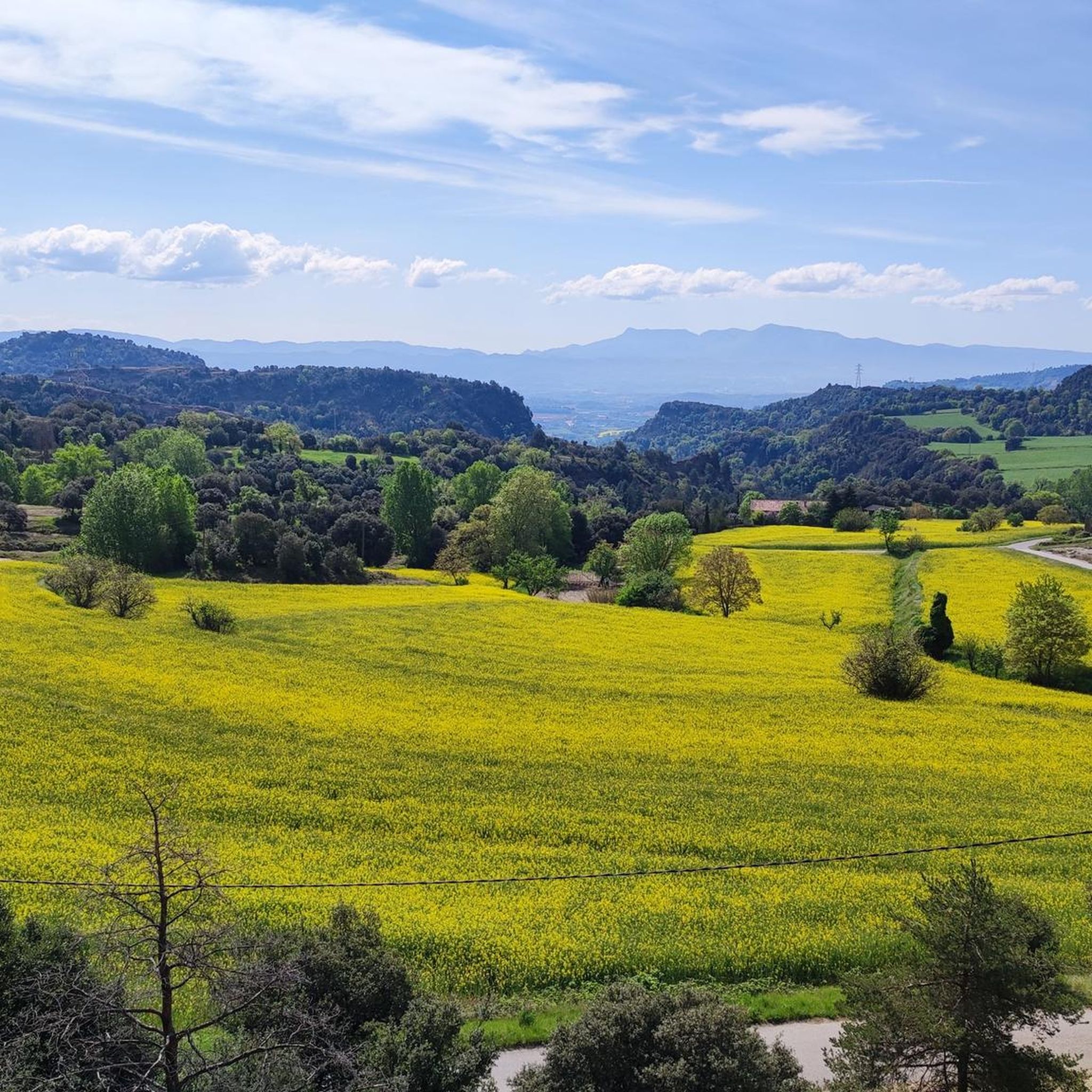
Attractions and places to see around Sobremunt include a range of historical sites, natural features, and viewpoints within the Osona region of Catalonia, Spain. This rural municipality is characterized by its green meadows, forests, and agricultural landscape. Its elevated position provides extensive panoramic views of the Vic Plain and the Pyrenees. The area encompasses the main village, along with the hamlets of Sorreigs and Santa Llúcia de Sobremunt.
Best attractions and places to see around Sobremunt
- The most popular attractions…
Last updated: August 29, 2026
Santuario de Puig-agut
Highlight • Religious Site
Translated by Google •
Tip by

Montesquiu Castle
Highlight • Castle
Showing Translation
Tip by

Sign up now to discover places like this
Get recommendations on the best single tracks, peaks, & plenty of other exciting outdoor places.
Sign up for free
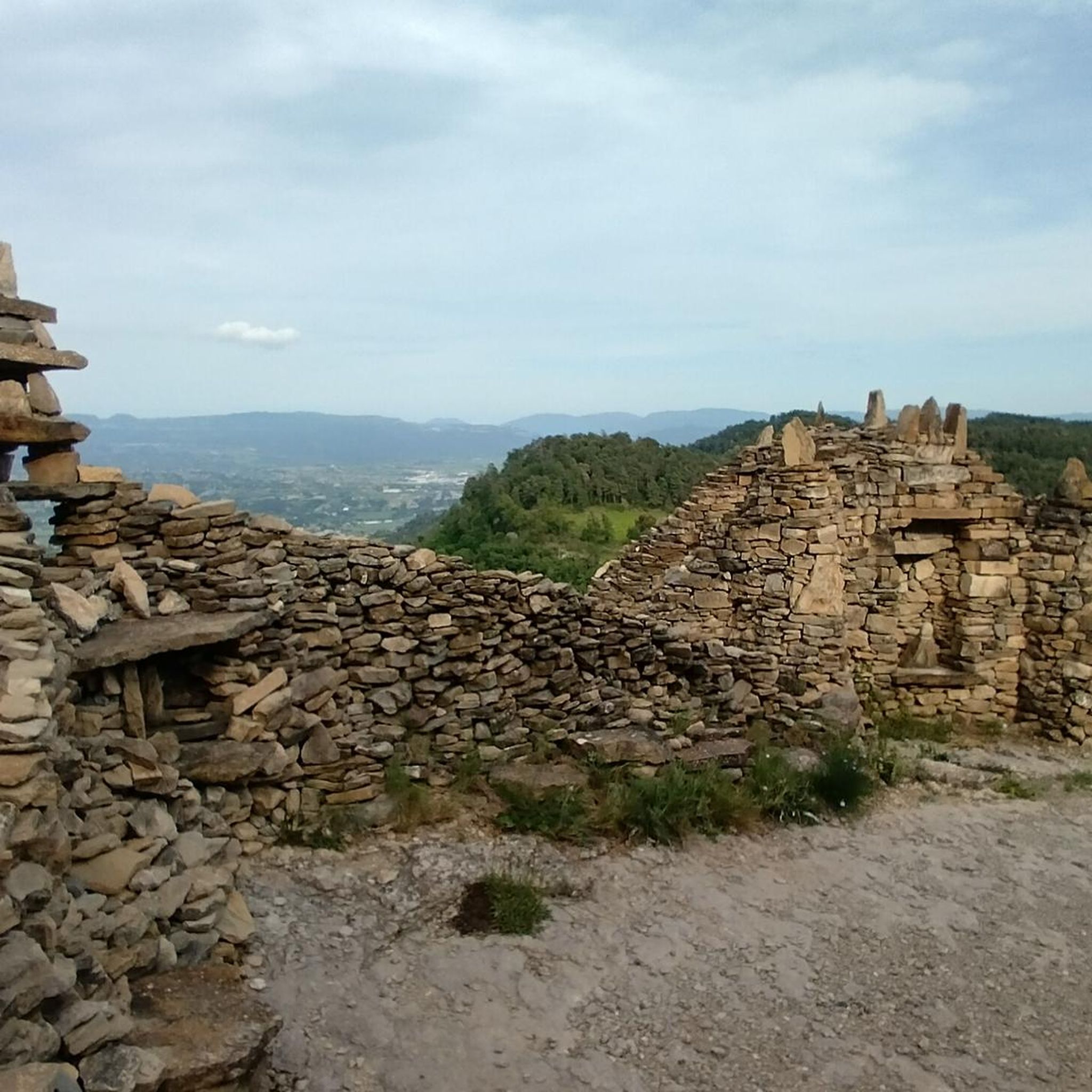
Sant Martí Xic Chapel
Highlight • Religious Site
Tip by

Sanctuary of Mare de Déu dels Munts
Highlight • Religious Site
Tip by

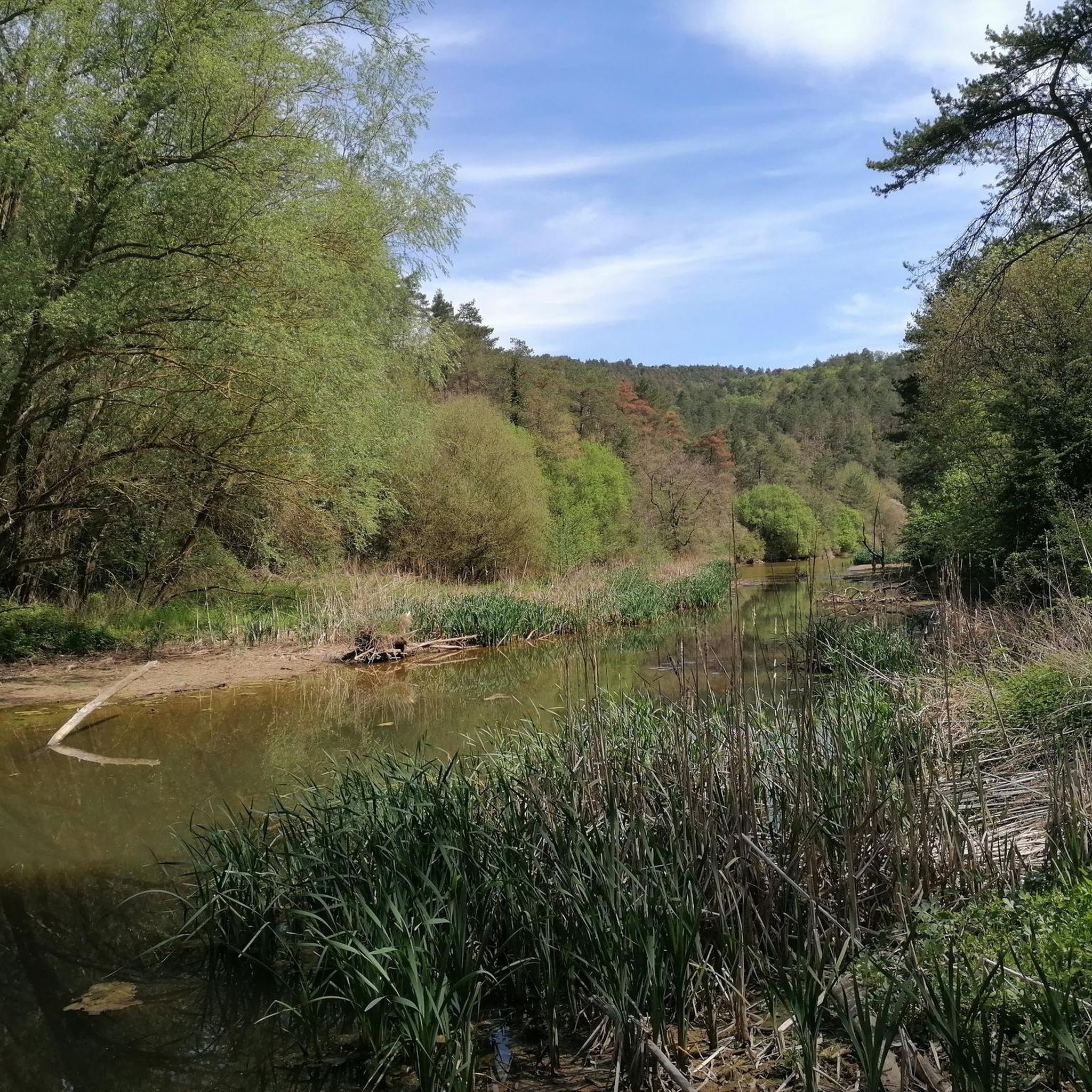
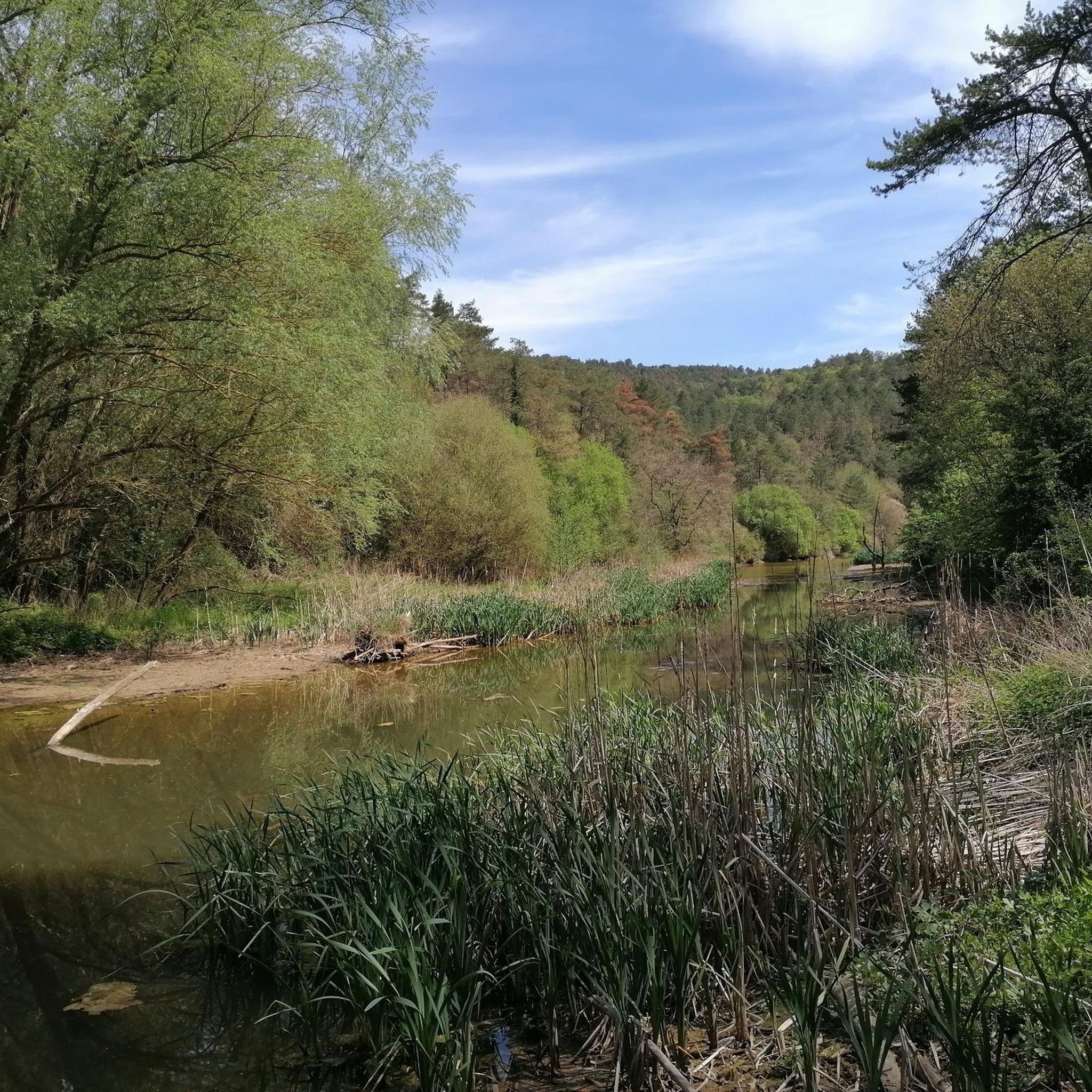
Riera de Sorreigs Reservoir
Highlight • Lake
Translated by Google •
Tip by

Sign up for free to discover even more attractions around Sobremunt.
Sign up for free
Already have an account?
Start today with a free account
Your next adventure awaits.
Login or Signup
Tips from the Community

The Mother of God depicted and venerated here is the Virgin Mary of Lourdes. This well-known Marian pilgrimage site is located in the French Pyrenees and is visited annually by large numbers of people, including many sick people hoping for healing. The devotional image of the Mother of God has become widespread – not only in France – with believers building Lourdes chapels and grottos everywhere. The church feast day of "Our Lady of Lourdes" is February 11th, the anniversary of the Marian apparition (1858), when the Mother of God appeared to 14-year-old Bernadette Soubirous in a rock grotto very close to Lourdes. Bernadette later became a nun and died at the age of just 35. On December 8th (the Feast of the Immaculate Conception of Mary), 1933, she was canonized by Pope Pius XI. The commemoration of the Madonna of Lourdes is also World Day of the Sick.
0
0

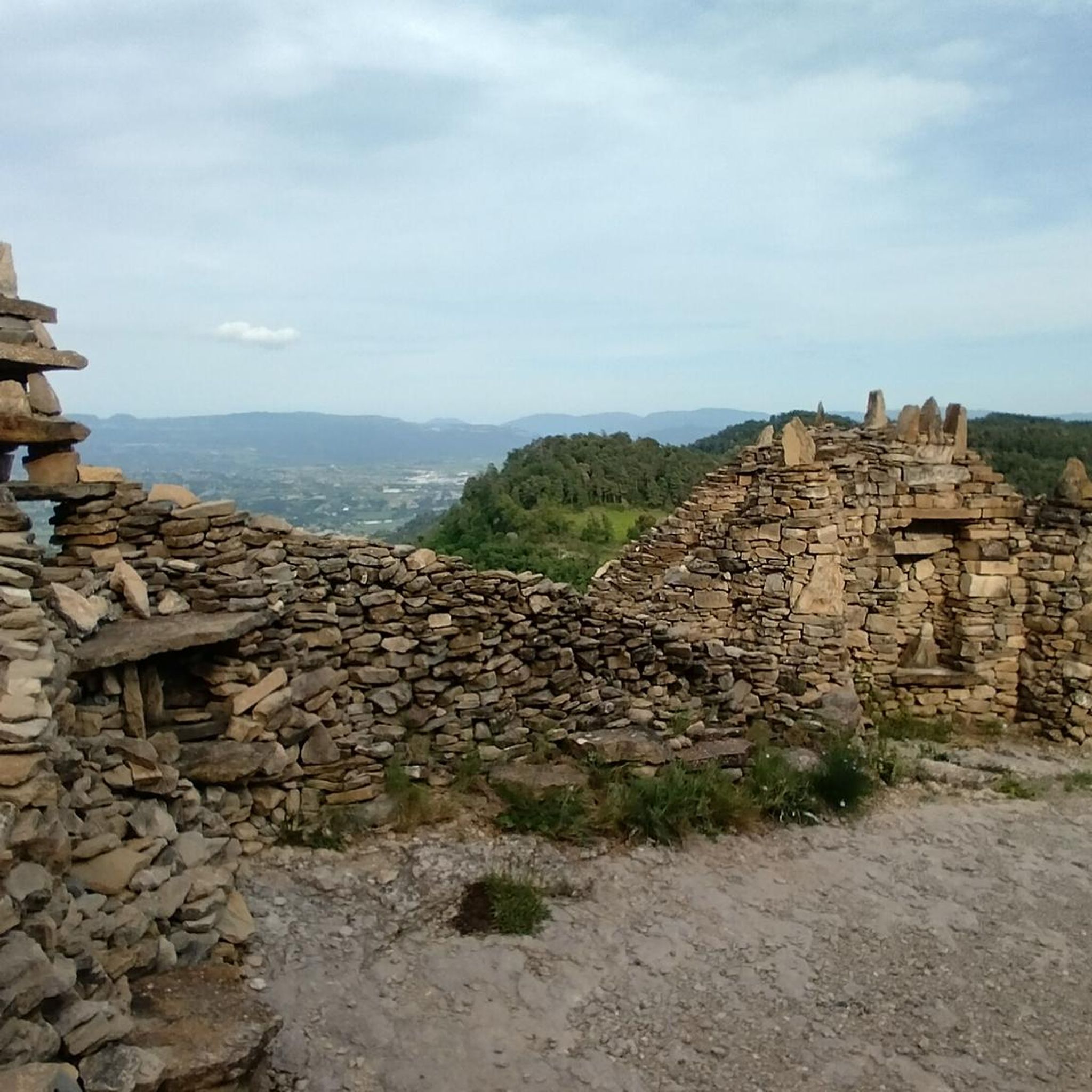
Very curious temple due to its proportions. It has preserved its entire structure in its primitive elements. The only tagline made in the course of its history was the belfry on the wall opposite the apse. Rectangular plan with a single nave crowned to the east by a semicircular apse. It is covered with a barrel vault reinforced by a single main arch. The covers were non-existent; that of the nave has been resolved with Arab tiles while that of the apse is with stone slabs very well cut and jointed. Below this cover there is a course of very regular rectangular stones placed in the restoration as a cornice. The closing wall of the nave at the eastern corner rises above the roof level. The apparatus is made of limestone ashlars, squared and of very irregular sizes, arranged in irregular courses held with lime mortar. The entrance door opens at noon, resolved with a semicircular arch made of well-cut voussoirs. In this same corner there is a semicircular window and another equal to the west corner that, with the one in the back of the apse, completes the lighting of the church.
0
0

A few months ago I covered the route from the R 3 train station, from Farga de Bebié to Montesquiu Castle and back to Sant Quirze de Besora Pueblo de la Ratafía: It is approximately 5 km. It is worth it, it is a very beautiful route.
2
0

The castle of Montesquiu, in the region of Osona, is a beautiful example of a recently restored medieval fortification. Built, surely, during the 13th century, it formed a defensive triangle together with the castles of Besora and Saderra.
3
0

Fantastic castle that is worth visiting
2
0

It first appears in documents from 1285, listed as a fortified house that would later be named a castle. Initially, it was known as the castle of Colobrer and later, of Montesquiu. Its origin probably lies in the enclave where a guard tower, commissioned by Count Guifré (el Pilós) in the 11th century, once stood. In the 14th century, it became a fortified residence, and in the 16th century, the castle was expanded and fortified. However, it wasn't until the early 20th century that it was reformed to give it the appearance it has today.
0
0

The Puig-agut Sanctuary is a beautiful hermitage with a lot of history. The architecture and landscape are different from most of what you can see in Catalunya. Very interesting.
3
0
Frequently Asked Questions
What historical and cultural sites can I explore in Sobremunt?
Sobremunt is rich in historical and religious sites. You can visit the beautiful Santuario de Puig-agut, known for its distinctive architecture and significant history. Another notable religious building is Sant Martí Xic Chapel, which preserves primitive Romanesque elements and offers good views. The Santa Llúcia Hermitage, Sobremunt, documented in the 14th century, retains Romanesque elements at its base and provides extensive panoramic views. Additionally, the Església Parroquial de Sant Martí, dating back to the 18th century, is located in the main village.
Where can I find the best panoramic views in Sobremunt?
Sobremunt offers several excellent viewpoints. The Santa Llúcia Hermitage, Sobremunt, situated at an elevated point, provides extensive panoramic views of the Vic Plain and the Pyrenees. Near this hermitage, the Mirador de Santa Llúcia sits at 959 meters above sea level, offering spectacular vistas of the Vic Plain, the Pyrenees, and Montserrat. The Santuario de Puig-agut and Sant Martí Xic Chapel also offer great views over the plain of Vic.
What natural features can I discover in Sobremunt?
The region is characterized by its natural beauty. A significant natural area is the Riera de Sorreigs, a protected natural space that forms a highly interesting ecosystem with rugged, cliff-lined terrain. You can also visit the Riera de Sorreigs Reservoir, a charming spot along this watercourse. The rural landscape, with its green meadows and forests, is ideal for enjoying nature.
Are there hiking trails near Sobremunt's attractions?
Yes, Sobremunt is an ideal destination for rural tourism with many surrounding paths perfect for hiking. For specific routes, you can explore the Running Trails around Sobremunt guide, which includes options like the Aguait d'observació d'ocells loop. The elevated position of the municipality also offers beautiful views towards the valley where Sant Boi de Lluçanès is located, making for scenic walks.
What outdoor activities can I do near these attractions?
Beyond hiking, Sobremunt offers various outdoor activities. Cyclists can find challenging routes, with options available in the MTB Trails around Sobremunt guide, such as the Serratosa Pass Viewpoint – Riera de Sorreigs Reservoir loop. Road cycling enthusiasts can check out the Road Cycling Routes around Sobremunt guide, which features routes like the Sant Hipòlit de Voltegrà and Sant Bartomeu del Grau circular via the La Trona road.
What do visitors enjoy most about Sobremunt?
Visitors particularly appreciate the unique architecture and historical significance of sites like the Santuario de Puig-agut. The exceptional viewpoints over the plain of Vic from places like Sant Martí Xic Chapel and Santa Llúcia Hermitage, Sobremunt are also highly valued. The tranquility and connection with nature offered by the rural landscape, green meadows, and forests are also a significant draw.
Are there any challenging climbs or demanding routes in the area?
Yes, for those seeking a challenge, the Sanctuary of Mare de Déu dels Munts is located on a demanding hill. The effort to reach the top is rewarded with extensive views. The region's elevated position and rugged terrain also contribute to challenging hiking and cycling routes, as seen in some of the 'difficult' rated running and road cycling routes in the nearby guides.
What is the best time to visit Sobremunt for outdoor activities?
Sobremunt's rural landscape, characterized by green meadows and forests, makes it an ideal destination for outdoor activities. While specific seasonal advice isn't provided, the general appeal for hiking and enjoying nature suggests that spring and autumn would offer pleasant temperatures and vibrant scenery. The region's elevated position provides beautiful views year-round, but check local weather conditions for the best experience.
Can I find family-friendly attractions in Sobremunt?
Yes, the Sanctuary of Mare de Déu dels Munts is categorized as family-friendly, offering a rewarding experience with great views after a climb. The Riera de Sorreigs Reservoir is also listed as family-friendly, providing a charming natural spot. The general rural landscape with its paths is suitable for family walks, allowing for connection with nature.
Are there any lesser-known or 'hidden gem' spots in Sobremunt?
While the main attractions are well-regarded, the municipality's identity as one of the most rural in Lluçanès means many areas offer a tranquil, less-traveled experience. The Riera de Sorreigs, a protected natural space, is a significant ecosystem and reservoir of biodiversity that might be considered a hidden gem for those seeking rugged, cliff-lined terrain and natural beauty away from more crowded spots. Exploring the hamlets of Sorreigs and Santa Llúcia de Sobremunt can also reveal charming, quiet corners.
What kind of architecture can I expect to see in Sobremunt?
Sobremunt features a range of architectural styles, primarily focused on religious buildings. The Santuario de Puig-agut is noted for its distinctive architecture. The Sant Martí Xic Chapel is a Romanesque hermitage preserving primitive elements. The Santa Llúcia Hermitage, Sobremunt, while documented in the 14th century, has an 18th-century structure with Romanesque remains at its base and Baroque-style decoration. The Església Parroquial de Sant Martí also dates back to the 18th century, with an annexed rectory from 1094.
Most popular routes around Sobremunt
Most popular attractions around Sobremunt

Get inspired with the komoot mobile app


Explore more
Still not found the Highlight you’re looking for? See guides of the top attractions in other regions:
