Attractions and Places To See around Gallocanta - Top 20
Best attractions and places to see around Gallocanta include its significant natural features and cultural sites. This region, situated between Zaragoza and Teruel, is primarily known for the Laguna de Gallocanta, a large saline wetland crucial for migratory birds, especially cranes. The area offers a blend of natural landscapes and historical points of interest.
Best attractions and places to see around Gallocanta
- The most popular attractions is Hermitage of Our Lady of Good Agreement (Gallocanta Lagoon), a religious building located in a spectacular setting. It offers informative panels about the lagoon and birds, and is considered one of the best places for birdwatching.
- Another must-see spot is Reguera Observatory (Gallocanta Lagoon), a viewpoint providing privileged views of the Gallocanta Lagoon from the heights. Visitors can observe birds more closely from this location.
- Visitors also love Gallocanta Lagoon, a large saltwater lagoon and a significant natural monument. It is a crucial stopover for migratory birds, particularly cranes, offering a notable spectacle during migration seasons.
- Gallocanta is known for its natural monuments, viewpoints, and religious buildings. The region offers a variety of attractions to see and explore, focusing on its unique ecosystem and cultural heritage.
- The attractions around Gallocanta are appreciated by the komoot community, with 12 upvotes and 18 photos shared by visitors.
Last updated: May 4, 2026
Hermitage of Our Lady of Good Agreement (Gallocanta Lagoon)
Highlight • Religious Site
Translated by Google •
Tip by

Reguera Observatory (Gallocanta Lagoon)
Highlight • Viewpoint
Translated by Google •
Tip by
Sign up now to discover places like this
Get recommendations on the best single tracks, peaks, & plenty of other exciting outdoor places.
Sign up for free
Gallocanta Lagoon
Highlight • Lake
Translated by Google •
Tip by

Santander–Mediterranean Nature Trail – Villanueva del Jiloca
Highlight • Cycleway
Translated by Google •
Tip by

Bello
Highlight • Settlement
In the town we find the Church of Our Lady of the Nativity, from the last third of the 16th century with a notable 13th century tower. The painting of the Holy Family of Bayeu given by Cardinal Marco in the 19th century to decorate the family chapel stands out.
We also find the Hermitage of the Trinity, the Castle with its Torreón de la Primicia and rest of the walls (12th-15th century)
Other places of interest are:
-House of the Place. XVII century. Town hall with fish market, later ratchet and school, jail and clock from 1916 given by Varon de Velasco.
-Palace-house of the Marco, of the Catalan, Rectoral, of the Notary
In the town we have several accommodations, a bar and a small grocery store
Translated by Google •
Tip by

Sign up for free to discover even more attractions around Gallocanta.
Sign up for free
Already have an account?
Start today with a free account
Your next adventure awaits.
Login or Signup
Tips from the Community

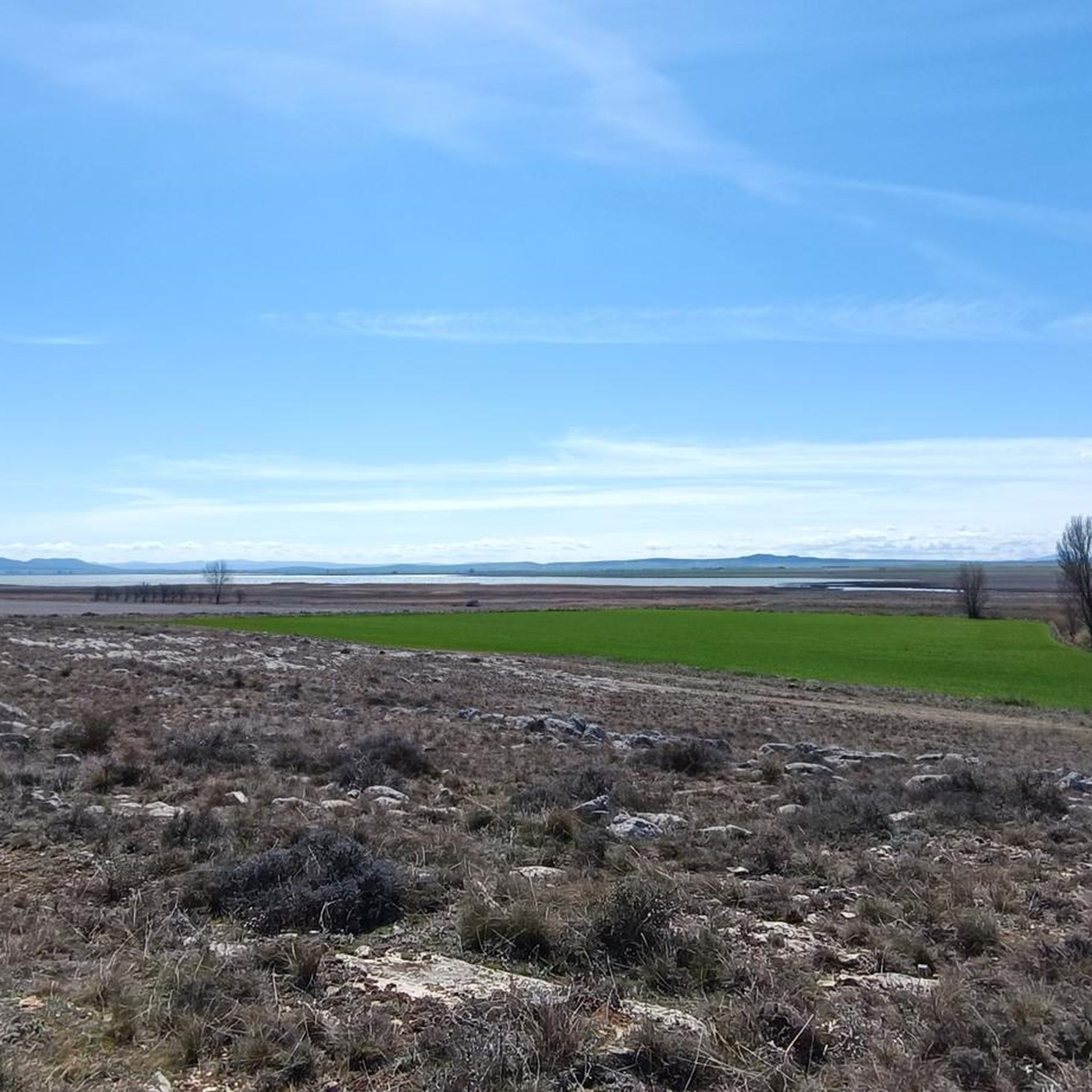
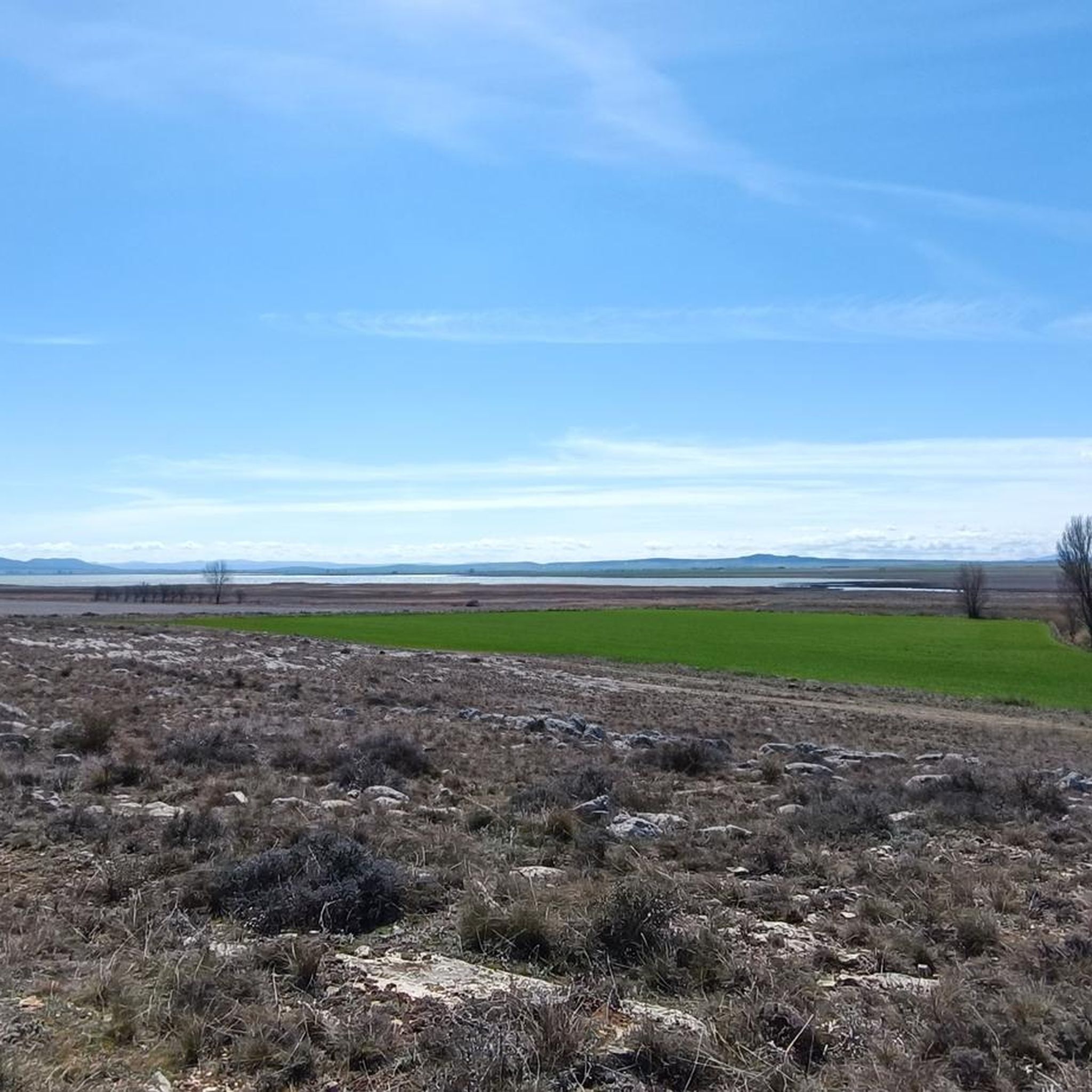
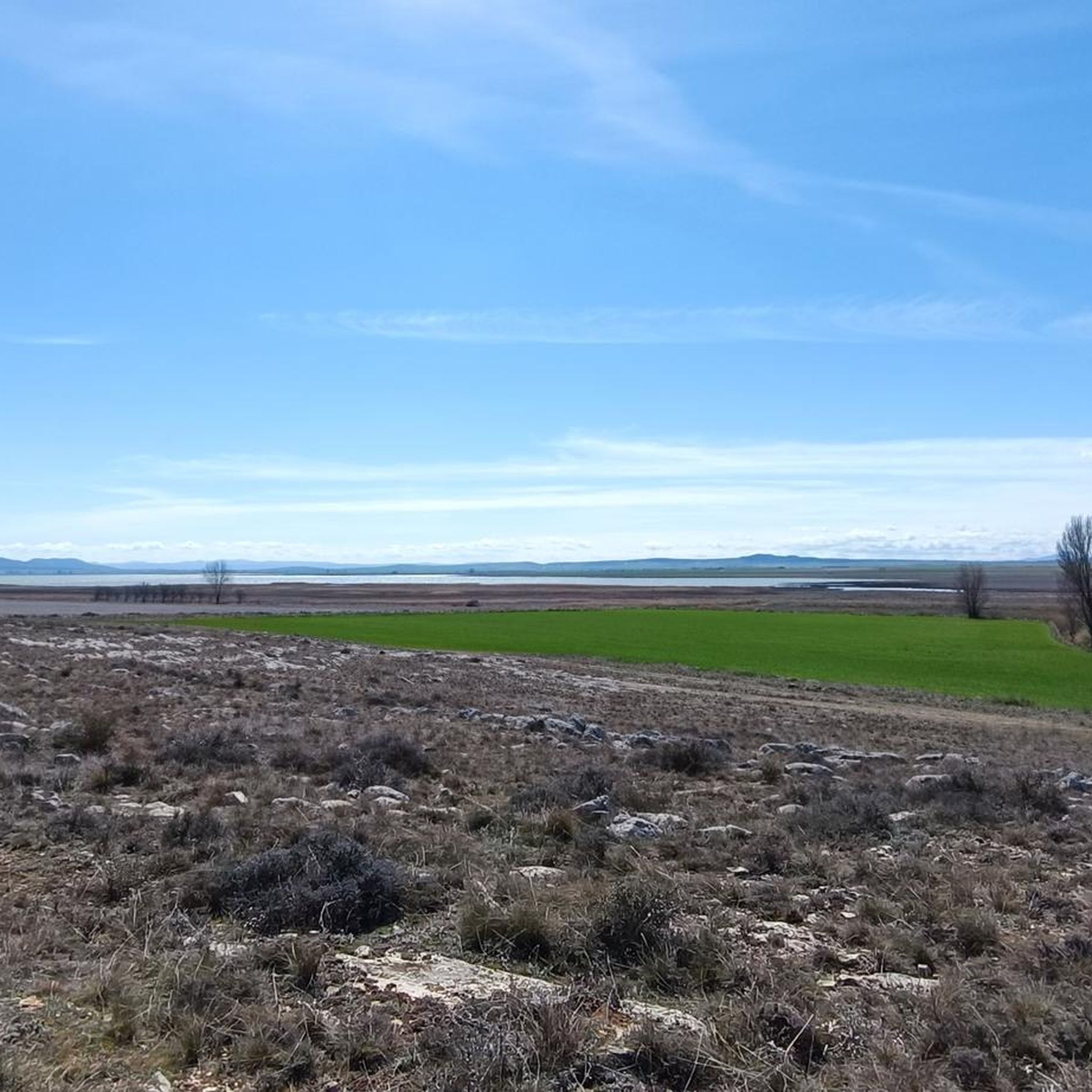
Gallocanta Lagoon, located between Zaragoza and Teruel, is the largest natural lagoon on the Iberian Peninsula and a unique area due to its high salinity. Declared a nature reserve in 2006, it is one of the most important birdwatching spots in Spain, with more than 220 recorded species. Every autumn and spring, thousands of cranes stop here on their migrations, offering an unforgettable spectacle. The area is rich in trails and viewpoints, so it is recommended to bring binoculars and comfortable shoes to enjoy the wildlife and scenery at a leisurely pace.
2
0

The Hermitage has a picnic area, parking, and public restrooms. It's an idyllic spot for birdwatching and nature watching.
1
1
The Gallocanta Lagoon Lookout, with several posts around the lagoon, serves as an observation point for migratory and native birds.
0
0

repair station and drinking water fountain
0
0

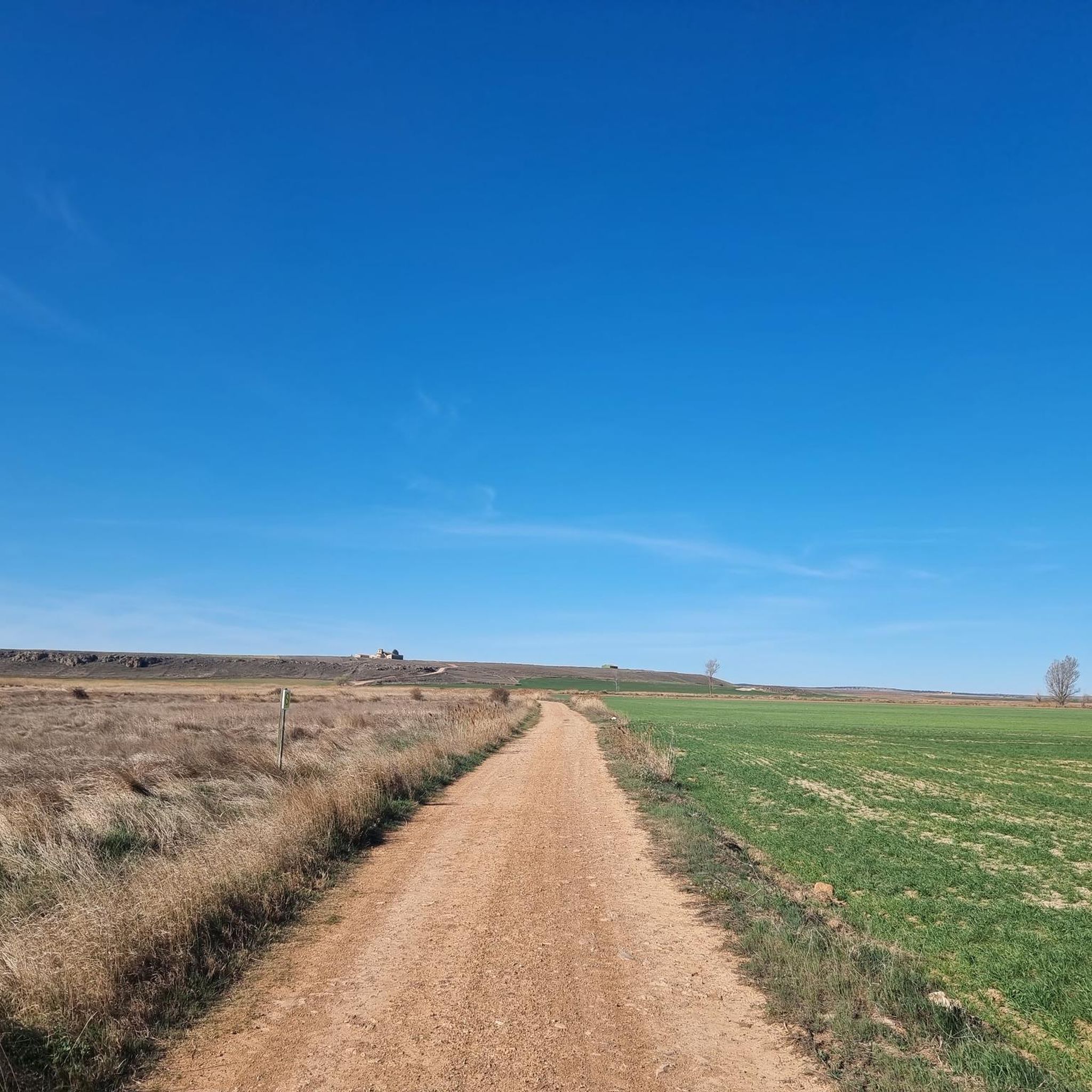
It is still under construction and only partially accessible (gravel road).
0
0

Beautiful hermitage in a spectacular setting, such as the Gallocanta lagoon. One of the best places to watch birds. There are informative panels about the lagoon and the birds, a place to make a barbecue and an area to take refuge in case of a storm.
1
3
From this observatory we will have privileged views of the Gallocanta Lagoon from the heights, it is recommended to go with binoculars to see the birds up close. The trails that surround the lagoon are ideal for gravel or mountain biking.
2
1
From this observatory we will have privileged views of the Gallocanta Lagoon from the heights, it is recommended to go with binoculars to see the birds up close. The trails that surround the lagoon are ideal for gravel or mountain biking.
1
1
Frequently Asked Questions
What are the main natural features to explore around Gallocanta?
The most significant natural feature is the Gallocanta Lagoon, a large saline wetland crucial for migratory birds. It's one of the largest lagoons in Aragón and a vital stopover point in Western Europe. The area also includes surrounding wetlands like La Zaida and Guialguerrero, offering diverse flora and fauna.
When is the best time to visit Gallocanta for birdwatching, especially to see cranes?
The prime time for birdwatching, particularly to witness the common crane migration, is from November to February. During this period, tens of thousands of cranes stop at the Gallocanta Lagoon, offering a spectacular visual and auditory experience. The area is also home to over 250 other bird species year-round.
Are there specific viewpoints or observatories for birdwatching around the Gallocanta Lagoon?
Yes, there are several excellent spots. The Reguera Observatory (Gallocanta Lagoon) offers privileged views from a higher elevation, and it's recommended to bring binoculars for close-up observations. The Hermitage of Our Lady of Good Agreement (Gallocanta Lagoon) is another prime location with informative panels about the lagoon and its birds.
What cultural or historical sites can I visit in the Gallocanta region?
Beyond the natural beauty, you can explore the Baroque-style Church of San Pedro Apóstol in Gallocanta village, dating from the early 18th century. The Hermitage of the Virgen del Buen Acuerdo, an example of Aragonese Romanesque architecture, is also worth visiting. Near Berrueco, the Celtiberian settlement of El Castellar features ancient walls and panoramic views.
What outdoor activities can I do near the Gallocanta attractions?
The Gallocanta region is excellent for outdoor activities. You can enjoy hiking on trails like the 'Laguna de Gallocanta Loop' or the 'Natural Reserve Laguna de Gallocanta – circular from Bello'. Cycling is also popular, with routes such as the 'Natural Reserve of the Laguna de Gallocanta — gravel circular'. For more options, explore the hiking guide or cycling guide for the area.
Are there family-friendly activities or attractions in Gallocanta?
Many attractions around Gallocanta are suitable for families. The Gallocanta Lagoon itself is a great place for nature observation, and the observatories like Reguera Observatory are designed for easy access. The Interpretation Center of the Gallocanta Lagoon offers interactive exhibitions, making it an engaging stop for all ages to learn about the ecosystem.
Where can I learn more about the Gallocanta Lagoon's ecosystem and wildlife?
The Interpretation Center of the Gallocanta Lagoon, located between Tornos and Bello, is an essential first stop. It provides detailed information about the lagoon's natural history, geology, and the unique species it harbors, with a special focus on the common crane. The Museo-Oficina de Turismo Gallocanta also offers insights into the area's natural and cultural heritage.
Is Gallocanta a good destination for astronomy or stargazing?
Yes, beyond its renowned birdwatching, the Gallocanta area is recognized as a Starlight Destination. This means it offers exceptionally clear night skies with minimal light pollution, making it an excellent spot for astronomy enthusiasts and stargazing.
What is the Santander–Mediterranean Nature Trail and where can I access it near Gallocanta?
The Santander–Mediterranean Nature Trail is a path oriented towards cycle tourism, following the route of an old railway line. While still under construction in some sections, you can access a part of it near Villanueva del Jiloca. This trail aims to connect Santander with Sagunto and is suitable for gravel or mountain biking in accessible sections.
What is Bello and what does it offer visitors to Gallocanta?
Bello is a village considered a gateway to the Gallocanta lagoons. It features the Church of Our Lady of the Nativity and the Hermitage of the Trinity. You can also find the remains of a castle with its Torreón de la Primicia. Bello is conveniently located near the Interpretation Center of the Gallocanta Lagoon and offers some local amenities like a bar and a small grocery store.
Are there any special events or festivals related to the cranes in Gallocanta?
Yes, an unmissable event is the Crane Festival, which is held in November and February. These months coincide with the peak migratory season of the cranes, offering visitors a unique opportunity to celebrate and observe these magnificent birds.
Can I cycle around the Gallocanta Lagoon?
Absolutely! A 32 km circular path around the protected area of the Gallocanta Lagoon is suitable for bicycles. The trails surrounding the lagoon are ideal for gravel or mountain biking, offering excellent opportunities to observe the rich biodiversity. You can find more detailed routes in the cycling guide for the area.

Get inspired with the komoot mobile app


Explore more
Still not found the Highlight you’re looking for? See guides of the top attractions in other regions:
