Attractions and Places To See around Cuevas Del Becerro - Top 20
Best attractions and places to see around Cuevas Del Becerro include a blend of natural features and historical sites. This region in the province of Málaga, Andalusia, offers a diverse landscape shaped by rivers and mountains. Visitors can explore unique settlements built into rock formations and ancient structures. The area provides opportunities to experience local culture and history within its natural setting.
Best attractions and places to see around Cuevas Del Becerro
- The most popular attraction is Cuevas del Sol Street, Setenil de las Bodegas, a settlement where houses are built directly into overhanging rocks. This area has been inhabited since prehistoric times, utilizing the natural insulation of the caves.
- Another must-see spot is Setenil de las Bodegas, a settlement known for its streets and houses constructed under rocks. The town adapts to the river's course, with houses using the rock as a natural wall or roof.
- Visitors also love Wind Pass, a mountain pass offering views of the surrounding mountains. This pass connects Ronda to El Burgo and is popular with cyclists and walkers.
- Cuevas Del Becerro is known for its unique rock-hewn settlements, historical bridges, and mountain passes. The region offers a variety of attractions to see and explore, from natural formations to man-made historical sites.
- The attractions around Cuevas Del Becerro are appreciated by the komoot community, with more than 250 upvotes and over 370 photos shared by visitors.
Last updated: July 7, 2026
Cuevas del Sol Street, Setenil de las Bodegas
Highlight • Settlement
Translated by Google •
Tip by

Bridge over the Trejo River
Highlight • Bridge
Translated by Google •
Tip by

Sign up now to discover places like this
Get recommendations on the best single tracks, peaks, & plenty of other exciting outdoor places.
Sign up for free
Setenil de las Bodegas
Highlight • Settlement
Translated by Google •
Tip by
Puente de la Ventilla
Highlight • Bridge
Translated by Google •
Tip by

Wind Pass
Highlight • Mountain Pass
Showing Translation
Tip by

Sign up for free to discover even more attractions around Cuevas Del Becerro.
Sign up for free
Already have an account?
Start today with a free account
Your next adventure awaits.
Login or Signup
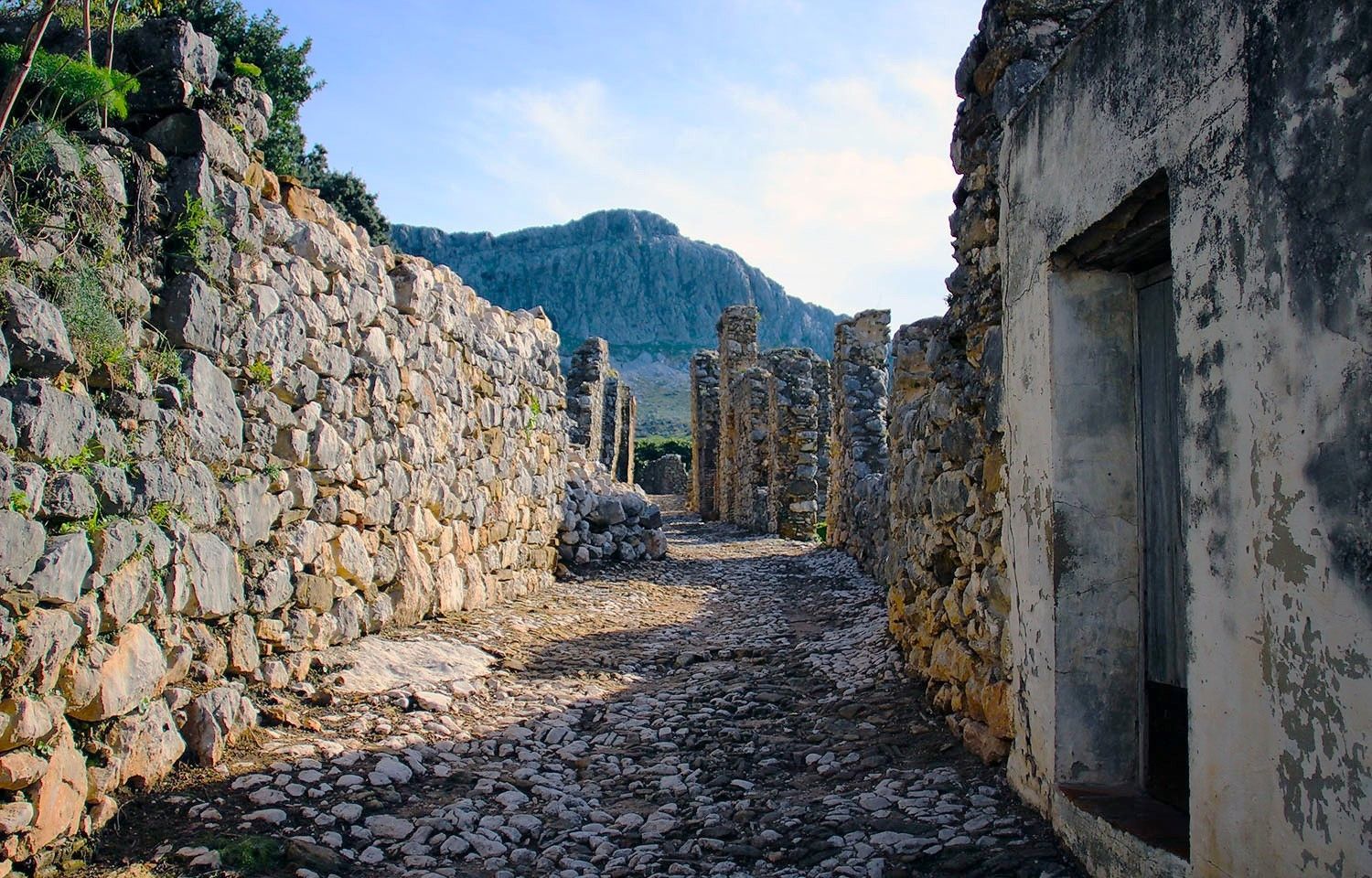
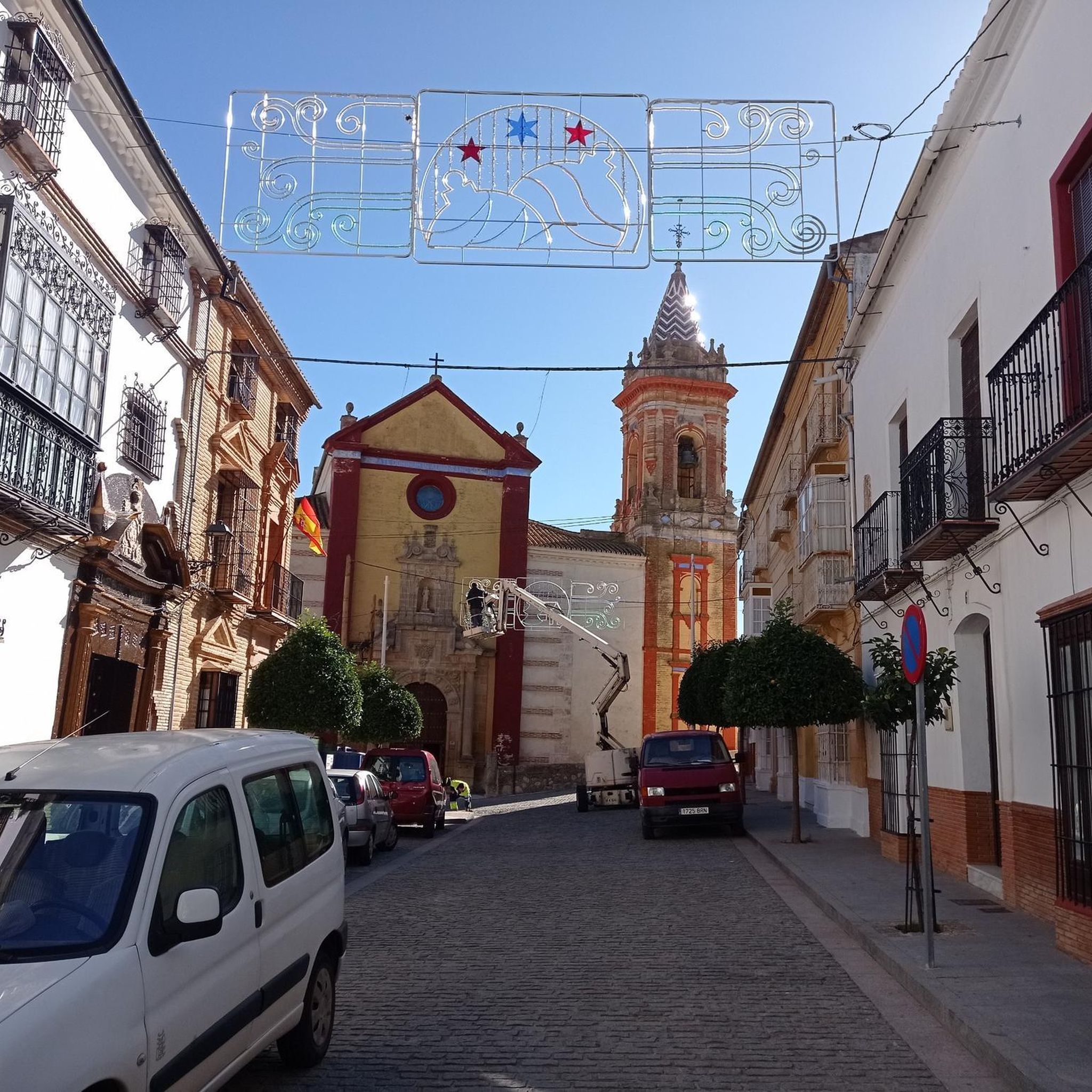
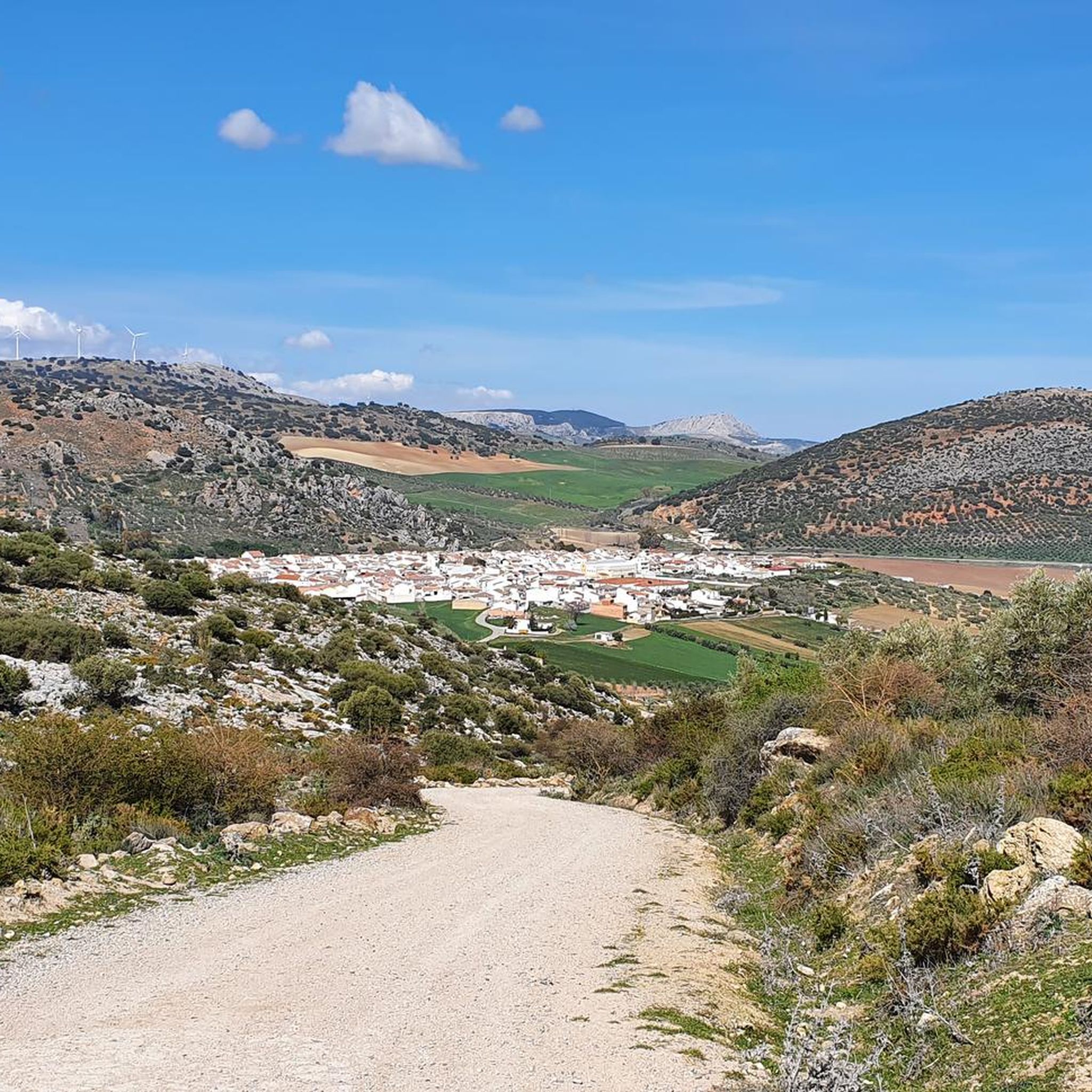
Other adventures around Cuevas Del Becerro

Tips from the Community

Very pretty Andalusian village
0
0

There are a few bridges over the river... this is also important if you want to get from one end of the place to the other. The famous rock houses are constantly on the left and right.
4
0

Bridge over the Trejo River, this small bridge connects two of the town's most iconic streets: Cuevas del Sol and Cuevas de la Sombra. It's one of the most photographed spots, as it offers a view of the houses embedded in the rock and the flow of the river beneath the enormous natural ledges. It's ideal for stopping, taking photos, and enjoying the contrast between the troglodyte architecture and the natural surroundings.
3
0
Cuevas del Sol Street in Setenil de las Bodegas is one of the most iconic and photographed corners of this picturesque town in the Sierra de Cádiz, famous for its houses built directly beneath enormous rocks.
8
0

A town that you have to go see, it is essential and the food is wonderful.
1
0

Away from the well-known sights of Andalusia, the Puente de la Ventilla hides a silent testament to past times, which impresses above all with its location and simple architecture. The historic stone bridge spans a narrow, partly steeply cut gorge, through which the Arroyo de la Ventilla winds, and blends harmoniously into the surrounding landscape. Today, the bridge seems out of time and attracts above all tourists who are travelling off the beaten track.
5
0
The Puente de la Ventilla is a picturesque, historic stone bridge that elegantly spans the deep gorge of the Arroyo de la Ventilla near Arriate in the Andalusian province of Málaga. At approximately 25 meters high, it offers an imposing sight and is one of the region's lesser-known, yet impressive, structures. The bridge once served as a means of local transport between rural farms and the nearby village of Arriate. Its robust natural stone construction continues to withstand the forces of nature, lending it a rustic, authentic charm.
5
0
Setenil de las Bodegas is a picturesque municipality in the province of Cadiz, Andalusia. It is known for its unique urban layout, with houses built under large rocks that form part of the Trejo River canyon. This town is an essential stop on the famous route of the White Villages of Cadiz.
9
0
Frequently Asked Questions
What unique historical settlements can I explore near Cuevas Del Becerro?
You can visit Cuevas del Sol Street, Setenil de las Bodegas, where houses are built directly into overhanging rocks, utilizing natural insulation. Another must-see is Setenil de las Bodegas itself, a town famous for its streets and homes constructed under rock formations, adapting to the river's course.
Are there any ancient Roman sites to visit in the area?
Yes, you can explore the Roman Stoves (Hornos Romanos) at La Casa de las Viñas archaeological site. These are remnants of a Roman pottery complex, preserving two complete kilns and part of a third, offering insight into the region's Roman past. There is also an ancient Roman Bridge showcasing ancient engineering.
Where can I find natural springs and beautiful water features?
The Fountain of Nacimiento (Fuente del Nacimiento) is a significant natural spring and the source of the Cuevas River. This emblematic spot features pipes, canals, and reservoirs, and is ecologically valuable with abundant water and lush vegetation. A renovated walkway along the first section of the Cuevas River from El Nacimiento allows visitors to enjoy this beautiful natural setting.
What kind of hiking opportunities are available around Cuevas Del Becerro?
Cuevas del Becerro is an ideal setting for hiking, offering various trails. You can explore the Tajo de la Solana Trail through an impressive gorge, the easy Río Guadalteba Trail with natural swimming areas, or the circular Cerro Castillejo Trail for breathtaking views. For more options, check out the Running Trails around Cuevas Del Becerro guide.
Are there any notable viewpoints or scenic passes for cyclists and walkers?
Absolutely. The Wind Pass is a mountain pass offering stunning views of the surrounding mountains, including Sierra de las Nieves and Sierra de Grazalema. It's a popular spot for both cyclists and walkers, connecting Ronda to El Burgo.
What historical bridges can I see near Cuevas Del Becerro?
You can visit the Puente de la Ventilla, a picturesque, historic stone bridge spanning the deep gorge of the Arroyo de la Ventilla. Another notable structure is the Bridge over the Trejo River, which offers beautiful views over the heart of Setenil de las Bodegas.
What are some family-friendly activities or unique natural features for children?
Near the Fuente del Nacimiento, you'll find The Resbalaeros, three steep, worn stone formations historically used as water slides by village children. The unique rock-hewn settlements like Setenil de las Bodegas also offer an engaging experience for families.
What kind of outdoor sports routes are available for mountain biking or cycling?
For mountain biking, you can find challenging routes like the 'El Burgo – Entrance bridge to El Burgo loop from Serrato' or the 'Puente de la Ventilla loop from Cuevas del Becerro'. Cyclists can explore routes such as the 'Zaframagón Viaduct – Olvera loop from Setenil' or the 'Puerto del Monte loop from Arriate'. More details are available in the MTB Trails around Cuevas Del Becerro and Cycling around Cuevas Del Becerro guides.
Are there any caves or significant natural enclaves for nature lovers?
Yes, the Cave of Moro (Cueva del Moro) is a significant natural enclave, particularly popular among nature lovers and speleology enthusiasts. It is also included in the map of El Torcal de Antequera, a UNESCO World Heritage site.
What is the best time to visit Cuevas Del Becerro for outdoor activities?
The region's climate is generally favorable for outdoor activities for much of the year. Spring and autumn offer pleasant temperatures for hiking and exploring. Summers can be hot, but the natural insulation of the rock-hewn settlements and the refreshing waters of the Fuente del Nacimiento and Río Guadalteba can provide relief.
What historical buildings or cultural landmarks can I see in the village itself?
In the village, you can visit the Church of San Antonio Abad, the main church noted for its simple architecture. The Torre del Homenaje, a tower of Arab origin, provides panoramic views. Additionally, the 19th-century House of Marqueses stands as a stately building with sober and elegant architecture.
What kind of wildlife can be spotted in the area?
The area around Cuevas Del Becerro is known for sightings of mountain goats and various birds of prey, especially in the surrounding mountain ranges like Sierra de Vijan and Cerro de los Tercios, and near the Sierra de las Nieves Natural Park.
Most popular routes around Cuevas Del Becerro
Most popular attractions around Cuevas Del Becerro

Get inspired with the komoot mobile app


Explore more
Still not found the Highlight you’re looking for? See guides of the top attractions in other regions:
