The best cycling routes around Prats De Lluçanès
5.0
(4)
213
riders
26
rides
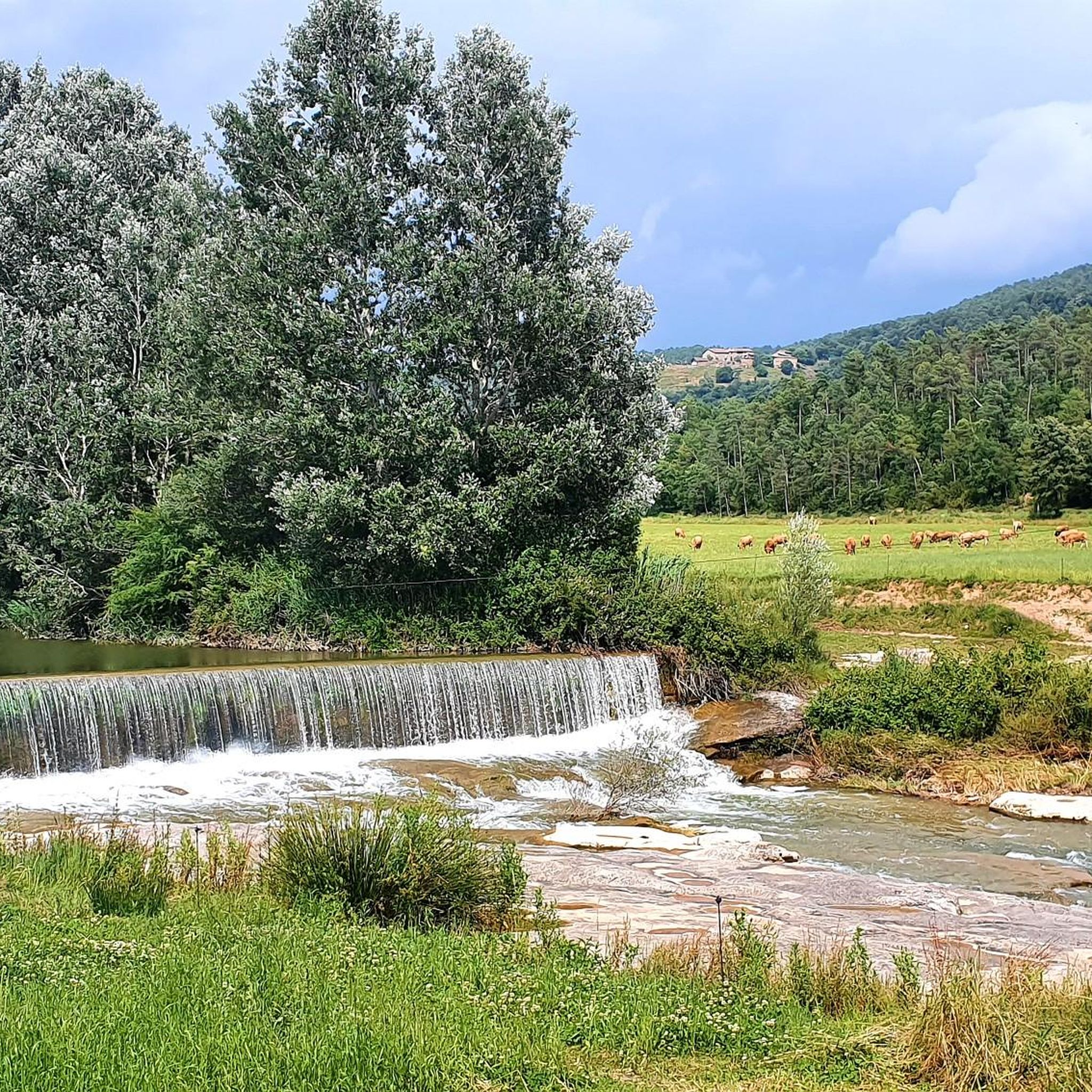
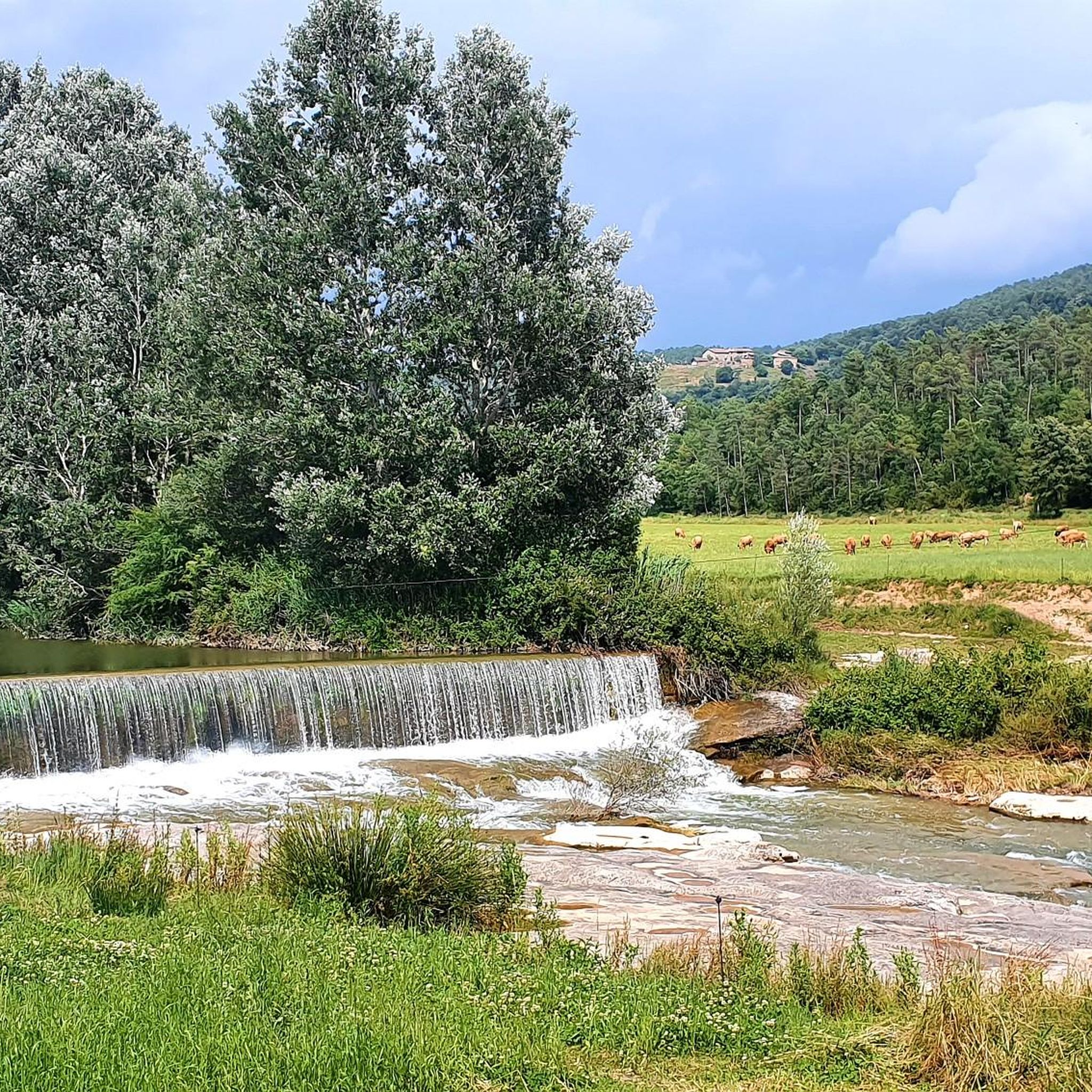
Touring cycling routes around Prats De Lluçanès traverse a high plateau, approximately 700 meters above sea level, offering extensive views of the Lluçanès region and distant mountains. The landscape features undulating plateaus, fertile plains, and river valleys formed by the Lluçanès and Merlès rivers. This diverse terrain provides a variety of cycling experiences, from peaceful stretches along waterways to routes with significant elevation changes.
Best touring cycling routes around Prats De Lluçanès
- The most popular touring cycling route is The…
Last updated: July 12, 2026
5.0
(1)
32
riders
79.2km
05:18
1,050m
1,050m
Hard bike ride. Very good fitness required. Mostly paved surfaces. Suitable for all skill levels.
20
riders
79.9km
05:16
970m
970m
Hard bike ride. Very good fitness required. Mostly paved surfaces. Suitable for all skill levels.

Sign up for free
18
riders
59.2km
03:57
930m
930m
Hard bike ride. Very good fitness required. Mostly paved surfaces. Suitable for all skill levels.
15
riders
50.6km
03:23
820m
820m
Hard bike ride. Very good fitness required. Mostly paved surfaces. Suitable for all skill levels.
11
riders
43.5km
04:02
720m
720m
Hard bike ride. Very good fitness required. Mostly paved surfaces. Suitable for all skill levels.
Get access to more routes and recommendations from other explorers.
Sign up for free
Already have an account?
Our route recommendations are based on thousands of hikes, rides, and runs completed by other people on komoot.
Start today with a free account
Your next adventure awaits.
Login or Signup

Tips from the Community

the Inici de la Sèqui, a space of great beauty, landscape and a space of tranquility
0
0

Impressive canal, whether for drainage or for ships I don't know.
0
0

The church of Santa Creu de Jutglar is located in the nucleus of the same number, part of the municipality of Olost, in the Catalan region of Lluçanès. It is a building with a single nave and a rectangular plan with an adjacent bell tower of a square plan. It is documented for the first time in the year 984, as a dependency of the church of Santa Maria d'Olost. The annual meeting of the Lluçanès Council of Jurors was held in this church, a council made up of representatives from all the parishes that were part of the Lluçanès Subvegería.
0
0
This old bridge over the river Llobregat is located in a very strategic area of passage, as the municipalities of Sant Fruitós de Bages, Sallent, Artés, Calders and Navarcles coincide. It was bombed and abandoned in that state during the Spanish civil war. It appears documented for the first time in 1086, as part of the royal road. Of the primitive Romanesque structure, only a part of the foundations remains on the left side of the river.
1
1
This 26-kilometre-long ditch that carries water to Manresa was built in the 14th century by the master Guillem Catà. Its construction was highly problematic, as the Bishop of Vic opposed its construction because it passed through the bishopric's land and threatened its promoters with excommunication. The bishop died before the works were finished and even so he really excommunicated the workers and the councilors of Manresa, in addition to interrupting the practice of the sacraments throughout the city. The bishop's successor maintained a more dialogue attitude, accepting the compensation offered by the city. However, legend has it that divine intervention became necessary, in the form of a mysterious light from Montserrat that entered through the stained glass windows of the Carmen church, at the same time that the bells began to ring by themselves. The bishop, seeing this phenomenon, regretted his position, but died shortly after, and his successor did not take long to reverse the situation and lift the excommunication.
0
1

Santa Eulàlia de Pardines dates from the year 915 but nothing really remains of that original church. Most of what we see today was built in the 1790s. This is another very interesting place to visit while hiking in this area.
2
0
This doesn't look much like a castle even though that's what it's called. It looks more like a country house and is probably used that way today. It's a wonderful area and this is an interesting building.
2
0

Beginning of the channel called "Sèquia de Manresa" built in 1385 to carry water from the Llobregat river to the city of Manresa. The canal is 26 km long and has a drop of 10 meters. An authentic engineering work of the Middle Ages.
2
1
Frequently Asked Questions
Are there easy touring cycling routes in Prats de Lluçanès?
While many routes in the area are considered difficult due to significant elevation changes, there are options that are less demanding. The region's diverse terrain includes peaceful, fertile plains and river valleys, which can offer more relaxed cycling experiences. For instance, the 'Lluçà Road' is noted as a pleasant route that is not overly demanding. You can also find some moderate routes among the 28 available touring cycling options.
What are some challenging touring cycling routes in Prats de Lluçanès?
Prats de Lluçanès is known for its challenging routes, with 21 out of 28 touring cycling options rated as difficult. A popular choice is The Manresa Canal – Manresans' Weir loop from Prats de Lluçanès, which is 51.0 miles (82.0 km) long and features varied terrain along sections of the historic Manresa Canal. Another demanding route is Cabrianes Bridge – View of Montserrat loop from Prats de Lluçanès, offering panoramic views over 49.6 miles (79.8 km).
Are there family-friendly touring cycling routes in the area?
Yes, the region offers routes suitable for families. The 'Ruta de la Bruja Napa' (The Witch Napa Route) is specifically mentioned as a family-friendly option, featuring historical insights and forested areas with a moderate elevation gain. These routes allow families to enjoy the natural beauty and local history together.
Are there circular touring cycling routes available from Prats de Lluçanès?
Many of the touring cycling routes in Prats de Lluçanès are designed as loops, starting and ending in the town or nearby. For example, the The Manresa Canal – Santa Eulàlia de Pardines loop from Prats de Lluçanès is a popular circular option. The 'Sant Andreu Route' is also a well-known circular path exploring the surroundings, passing through wooded areas and historical sites.
What kind of natural landscapes can I expect to see on these routes?
Touring cycling routes around Prats de Lluçanès offer diverse and picturesque natural landscapes. You'll traverse undulating plateaus, fertile plains, and river valleys formed by the Lluçanès and Merlès rivers. The area provides panoramic views of the surrounding Lluçanès region, extending to the mountains of Berga, the Pyrenees, Montserrat, and Montseny. You can also discover natural features like the ancient public fountain Les Tres Fonts and the Font del Clotet.
What historical sites and attractions can I visit along the touring cycling routes?
The region is rich in historical and cultural attractions. You can cycle past or visit sites such as the Monastery of Santa Maria de Lluçà, known for its well-preserved cloister, or the picturesque Sant Sebastià de Prats de Lluçanès church. The 'Urban Route of Prats de Lluçanès' guides you through the town's emblematic points, including modernist buildings, historic squares, and fountains. The nearby municipality of Olost features the beautiful Church of Santa Maria and the 11th-century Castell d'Olost.
How long do touring cycling routes in Prats de Lluçanès typically take?
The duration of touring cycling routes in Prats de Lluçanès varies significantly depending on the route's length and difficulty. For example, the top-rated routes range from approximately 3 hours 57 minutes for a 36.8-mile (59.2 km) loop to about 5 hours 32 minutes for a 51.0-mile (82.0 km) route. There are 28 routes in total, so you can find options to fit different time commitments.
What do other touring cyclists enjoy most about cycling in Prats de Lluçanès?
The area is highly rated by the komoot community, with an average score of 5.0 stars from over 4 reviews. More than 200 touring cyclists have explored Prats de Lluçanès's varied terrain. Cyclists often praise the diverse landscapes, from undulating plateaus to fertile plains and river valleys, as well as the extensive views of the Lluçanès region and distant mountains like Montserrat and the Pyrenees.
Are there specific viewpoints or scenic spots along the routes?
Yes, the region is dotted with numerous viewpoints, or 'Miradors,' offering breathtaking panoramic vistas. The Mirador de Santa Llúcia is a notable example. Many routes traverse high plateaus, approximately 700 meters above sea level, providing extensive views of the surrounding Lluçanès region and distant mountains, ensuring plenty of scenic spots along your ride.
What is the best season for touring cycling in Prats de Lluçanès?
The natural environment of Prats de Lluçanès provides a dynamic landscape that changes with the seasons. From flowery springs to reddish autumns, each season offers a unique experience. The mild climate of Catalonia generally makes spring and autumn ideal for cycling, with pleasant temperatures and vibrant scenery. Summer can be warm, while winter offers cooler, crisp air.
Where can I find cafes or places to rest along the touring cycling trails?
Prats de Lluçanès and its surrounding villages offer opportunities for rest and refreshment. The 'Urban Route of Prats de Lluçanès' specifically mentions stops like Cafè Orient. Many routes pass through or near small towns and villages where you can find local cafes and establishments to refuel and relax. It's always a good idea to check local opening times, especially in smaller communities.
Is it possible to rent e-bikes in Prats de Lluçanès?
Yes, the region is supportive of cyclists, and e-bike rental services are available. 'Lloguer Ebikes' is mentioned as a provider, making it convenient for those who wish to explore the area's diverse terrain with the assistance of an electric bicycle. This can be a great option for tackling some of the more challenging routes or simply enjoying a more relaxed ride.
Most popular routes around Prats De Lluçanès
Most popular attractions around Prats De Lluçanès

Get inspired with the komoot mobile app


Explore more
Browse the best Cycling routes in other regions.
