Attractions and Places To See around Villaferrueña - Top 20
Best attractions and places to see around Villaferrueña offer a blend of historical sites, traditional architecture, and natural landscapes in the province of Zamora, Spain. The region is characterized by its rural charm, the Eria River, and proximity to the Sierra del Carpurias. Visitors can explore ancient settlements, historical bridges, and traditional villages. There are 3 attractions and places to see waiting to be explored.
Best attractions and places to see around Villaferrueña
- The most popular attractions is Puente de…
Last updated: May 5, 2026
Puente de la Vizana
Highlight • Bridge
Translated by Google •
Tip by

Castillo de los Pimentel
Highlight • Castle
Translated by Google •
Tip by

Sign up now to discover places like this
Get recommendations on the best single tracks, peaks, & plenty of other exciting outdoor places.
Sign up for free
Alija del Infantado Town Center
Highlight • Settlement
Also noteworthy, as a …
Translated by Google •
Tip by
Ruins of the Royal Monastery of Santa María de Nogales
Highlight • Historical Site
Translated by Google •
Tip by

Basilia's Balcony
Highlight • Viewpoint
Translated by Google •
Tip by

Sign up for free to discover even more attractions around Villaferrueña.
Sign up for free
Already have an account?
Start today with a free account
Your next adventure awaits.
Login or Signup

Tips from the Community

Although only part of the tower remains today, its presence is imposing: it was once a stately home and today serves as the perfect viewpoint over the Óbigo Valley. A bike ride up here is both visually and culturally rewarding. A great spot for epic photos, a restful break with views, and a bit of history on wheels. If you're planning a route with interesting stops, this castle is a definite yes.
0
0

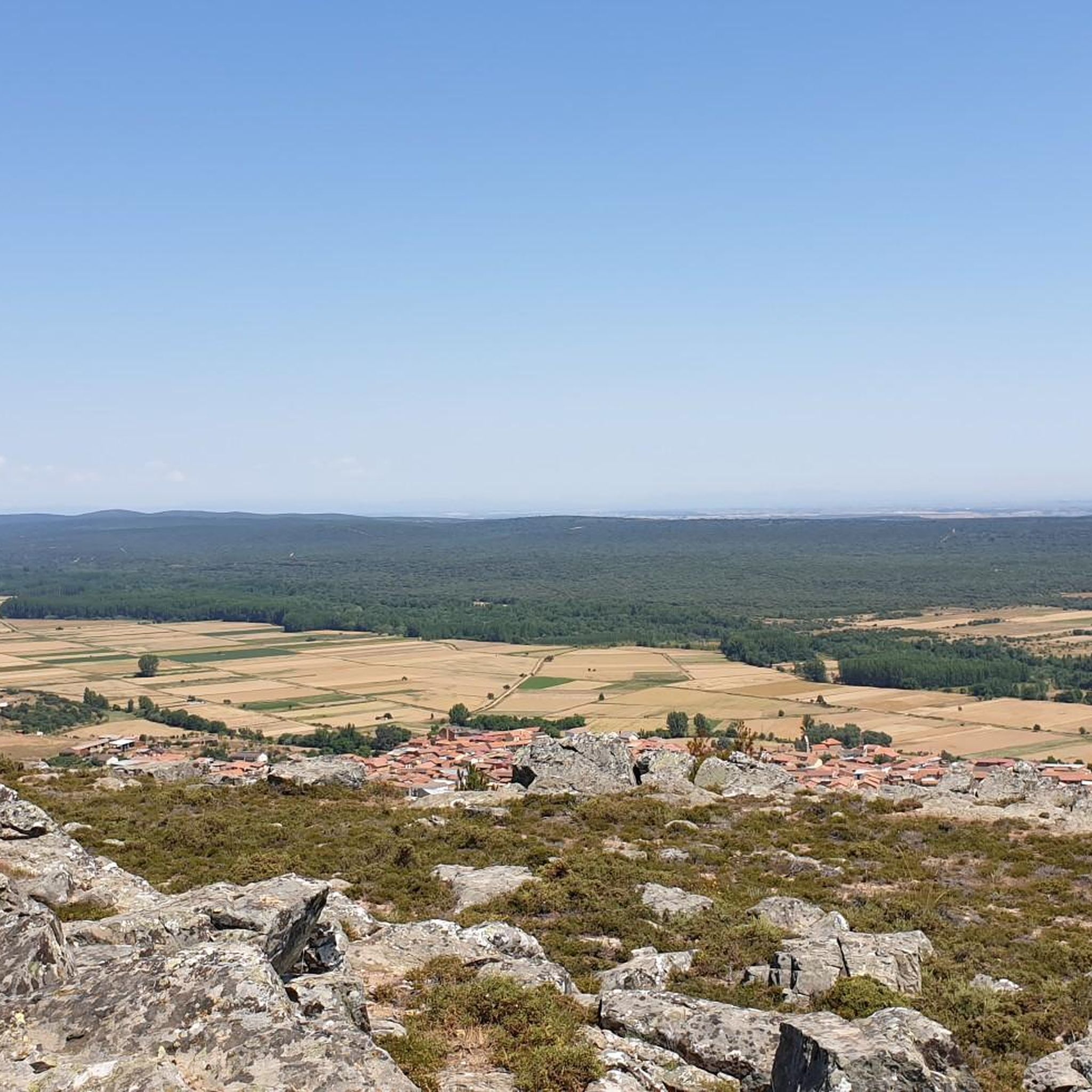
The Balcón de Basilia is a viewpoint located in Morales de Rey, in the region of Benavente and Los Valles, in the province of Zamora. This spot is known for offering one of the best panoramic views of Morales de Rey and its surroundings. Traditionally, the town's young people used to gather here every April 25th to celebrate the Tortillero, a local festival. The Balcón de Basilia is a popular destination for hiking enthusiasts, with several trails that allow you to enjoy the landscape and nature of the area. One of the recommended trails is the one that runs from Morales de Rey to the summit of Coto, passing through the Balcón de Basilia.
2
0

On December 20, 1164, the widow of the Noble Vela Gutiérrez, Doña Sancha Ponce, transferred to the Cistercian Order of Santa María de Moreruela all the possessions and belongings of the territory of Nogales in hereditary right so that they could build another monastery that would be called Santa María from Nogales. From this moment and until the monks abandoned the monastery, in the mid-19th century, the Eria Region was governed according to the guidelines of the Order. This settlement established the model of repopulation and new management at all levels; social, cultural, agricultural and economic. At the same time it marked the appearance of the Villa de Nogales, which was initially made up of the servants and servants of the Monks. Without a sumptuous construction, Santa María de Nogales is located according to the criteria of the Cistercian order: a valley of fertile lands, abundance of water, and impressive solitude. For more than seven centuries it stood out for being the cradle of great men, an emporium of letters and science, where royal advisors and professors for the University of Alcalá emerged. Currently, only the ruins and remains of its greatness remain: scattered walls, the belfry of the Church and the main entrance arch with its heraldic shield. However, the surrounding area, fertile orchard, abundant vegetation, fruit trees and the waters of the Eria River, invite you to relax, contemplate and enjoy nature.
1
0

The Pimentel castle, built in the 19th century. XV, it is a large square fortress. Inside, there is the Palacio de los Ponces, built in the 16th century. XIII and currently unusable, due to the fires suffered in 1808 and 1887. The dukes of Infantado rebuilt the now visible fortress.
1
0

Nature is reclaiming its place around the ruins of this 16th and 17th century monastery. The building was looted several times and eventually fell into disrepair.
2
0

Here you will find an interesting castle from the 11th century. It is in good condition because it has been maintained by the different families that have owned it.
1
0

A town in the province of León where the churches of San Verísimo and San Esteban stand out, as well as the Castillo de los Pimentel. Also noteworthy, as a curiosity, are some small wineries nestled within the slopes of some hills.
3
0
Frequently Asked Questions
What historical sites can I explore around Villaferrueña?
The region offers several historical sites. You can visit the Puente de la Vizana, an ancient Roman bridge over the Órbigo River, part of the Vía de la Plata. Another significant site is the Castillo de los Pimentel in Alija del Infantado, an 11th-century fortification. Don't miss the Ruins of the Royal Monastery of Santa María de Nogales, where nature has reclaimed parts of this 16th-century Cistercian monastery. The Castro de las Labradas, an Asturian settlement, also provides evidence of the area's ancient history.
Are there any natural attractions or features to see near Villaferrueña?
Yes, the natural environment is a key draw. The Eria River flows near the village, with its wide, stony bed and banks popular for walks. The areas around the beautiful Sierra del Carpurias are frequently visited for their natural appeal. You can also find historical water sources like Fuente El Caño and Pozo Artesano within the village.
What kind of outdoor activities can I do around Villaferrueña?
The region is excellent for outdoor enthusiasts. You can enjoy hiking along rural paths and exploring indigenous flora and fauna. Cycling is also popular, with routes like the 'Castro de las Labradas and Alija del Infantado Loop' or 'Vidriales Valley Roman Sites Loop'. For more options, check out the dedicated guides for hiking and cycling around Villaferrueña.
Are there family-friendly attractions or activities in the area?
Many of the natural and historical sites can be enjoyed by families. The Castillo de los Pimentel and Alija del Infantado Town Center are noted as family-friendly. The rural paths around Villaferrueña and the Eria River banks offer pleasant walks suitable for families. The Basilia's Balcony viewpoint is also a great spot for a family outing.
What is the best time of year to visit Villaferrueña for outdoor activities?
The natural environment around Villaferrueña presents a dynamic landscape that changes with the seasons, making it ideal for photography and birdwatching year-round. Spring and autumn generally offer pleasant temperatures for hiking and cycling. The agricultural fields and rural paths are particularly beautiful during these seasons.
Where can I find panoramic views of the region?
For stunning panoramic views, head to Basilia's Balcony in Morales de Rey. It offers one of the best vistas of Morales de Rey and its surroundings, and is a popular spot for hiking enthusiasts.
What is the significance of the Puente de la Vizana?
The Puente de la Vizana is a historic bridge over the Órbigo River that connects the provinces of León and Zamora. It's part of the original Roman road, now known as the Vía de la Plata, and has been rebuilt multiple times over centuries. It also serves pilgrims on the Camino de Santiago.
What can I expect to see in Alija del Infantado Town Center?
The Alija del Infantado Town Center is a charming settlement where you can find notable churches like San Verísimo and San Esteban. It is also home to the impressive Castillo de los Pimentel, an 11th-century fortification.
Are there any traditional cultural experiences in Villaferrueña?
Villaferrueña preserves its rustic charm through traditional houses built with adobe and Arab tile roofs. The village also celebrates its patron saint days, San Marcos on June 18th and Santa Teresa de Jornet on August 26th, which offer insights into local culture with music, dances, and long-standing traditions.
What kind of hiking trails are available near Villaferrueña?
You can find a variety of hiking trails, including moderate routes like 'Basilia's Balcony and Coto' and 'Banks of the Eria and Órbigo Trail'. These trails allow you to explore the local landscape and natural beauty. For a comprehensive list of routes, refer to the hiking guide for Villaferrueña.
What is the significance of the Eria River to the area?
The Eria River is vital for irrigating the surrounding agricultural fields and its banks are popular among both tourists and locals for recreation. The river also played a significant role in the history of the Ruins of the Royal Monastery of Santa María de Nogales, which was established in a valley with an abundance of water from the Eria.
Can I find examples of traditional architecture in Villaferrueña?
Yes, Villaferrueña is known for its traditional architecture. The village maintains its rustic charm with houses built using local adobe and featuring Arab tile roofs. The Parish Church of San Juan Degollado, constructed in 1855 from local stone and mud, is another example of the region's building heritage.
Most popular attractions around Villaferrueña

Get inspired with the komoot mobile app


Explore more
Still not found the Highlight you’re looking for? See guides of the top attractions in other regions:
