Attractions and Places To See around Estremera - Top 20
Attractions and places to see around Estremera include a blend of historical sites, cultural experiences, and natural beauty. Located in the southeast of the Community of Madrid, the town benefits from its proximity to the Tajo River valley. The surrounding area features cultivated fields and low mountains, offering opportunities for outdoor exploration. This region provides a variety of landmarks and natural features for visitors.
Best attractions and places to see around Estremera
- The most popular attractions is Villamanrique de Tajo Viaduct, a bridge that showcases engineering work. This viaduct, near Villamanrique de Tajo, is now enjoyed by cyclists.
- Another must-see spot is Junction of the Tajuña Greenway and the Tren de los 40 Días Greenway, a cycle_way. This crossroads connects two greenways, passing through cultivated fields of olive groves and cereals, linking various towns in southeast Madrid.
- Visitors also love Picturesque bridge, a bridge over the Vía Verde del Tajuña. These bridges were originally used for the old train track, now converted into a cycling route, and offer a shaded resting spot.
- Estremera is known for its historical sites, greenways, and natural features like the Tajo River valley. The area offers a variety of attractions to see and explore, from man-made monuments to scenic routes.
- The attractions around Estremera are appreciated by the komoot community, with 25 upvotes and 4 photos shared by visitors.
Last updated: July 6, 2026
Junction of the Tajuña Greenway and the Tren de los 40 Días Greenway
Highlight • Cycleway
Translated by Google •
Tip by

Uclés Trail
Highlight • Trail
Translated by Google •
Tip by

Sign up now to discover places like this
Get recommendations on the best single tracks, peaks, & plenty of other exciting outdoor places.
Sign up for free
Picturesque bridge
Highlight • Bridge
Translated by Google •
Tip by

Iron Bridge of Fuentidueña de Tajo
Highlight • Bridge
This work allowed communications to be modernized at the time of its execution.
Translated by Google •
Tip by
Villamanrique de Tajo Viaduct
Highlight • Bridge
Translated by Google •
Tip by

Sign up for free to discover even more attractions around Estremera.
Sign up for free
Already have an account?
Start today with a free account
Your next adventure awaits.
Login or Signup


Tips from the Community

The white and blue signs of the Camino de Uclés are paired with the yellow arrows of the Camino de Santiago de Uclés, one of the variants of the Jacobean routes that leaves for Santiago de Compostela from the Monastery of Uclés, one of the heads (Caput Ordinis) of the Order of Santiago from the 13th century.
0
0

It is called that precisely because it took that long to build it (although in reality it was more days) but we can still enjoy its layout in some parts.
0
0

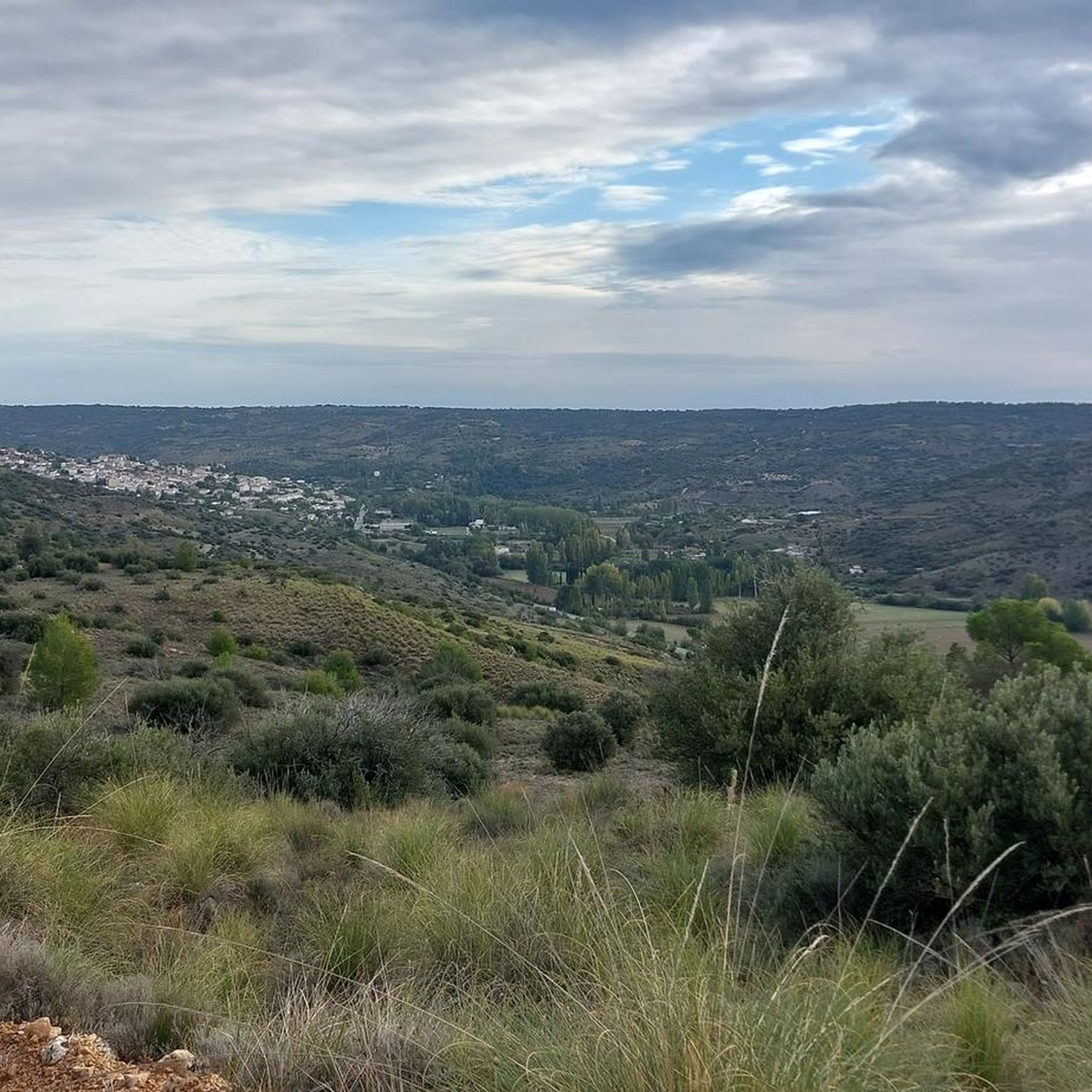
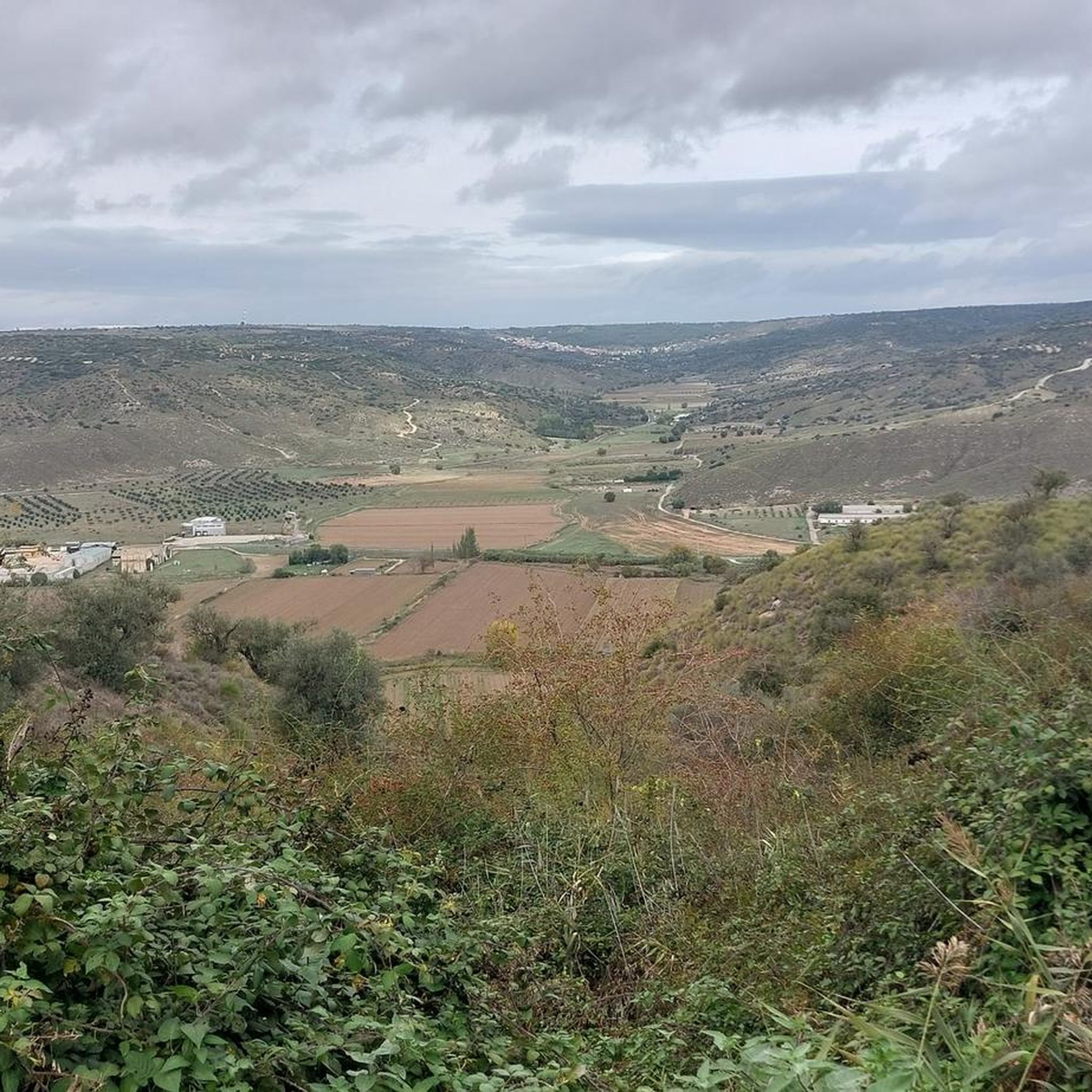
In the agricultural wastelands of Valdaracete, a striking journey towards the Tagus River begins through a curious landscape of clay hills and whitish marls in a desert and steppe environment, especially in the hard slides of Cerro de la Muela, a desert in Las Vegas, where the gypsum gullies that can become hell for pedaling on rainy days. The sensation of navigating a bicycle through distant and exotic latitudes ends when the road leaves the valley of the Valle stream, passes through the A-3 tunnel and ends in Fuentidueña de Tajo.
1
0

The Fuentidueña de Tajo bridge is an engineering work from the mid-19th century that restored the passage through this river on the way to Cuenca. It is the oldest large metal bridge in Madrid. This work allowed communications to be modernized at the time of its execution.
2
0
This viaduct, near Villamanrique de Tajo, seems to have been built for a train track. Today it is enjoyed by cyclists who circulate between Vilamanrique and Fuentidueña.
0
1

Take advantage of this bridge over the Vía Verde del Tajuña to rest in the shade, something rare on this route! These bridges were used to cross the old train track that is now converted into the green cycle path.
0
0
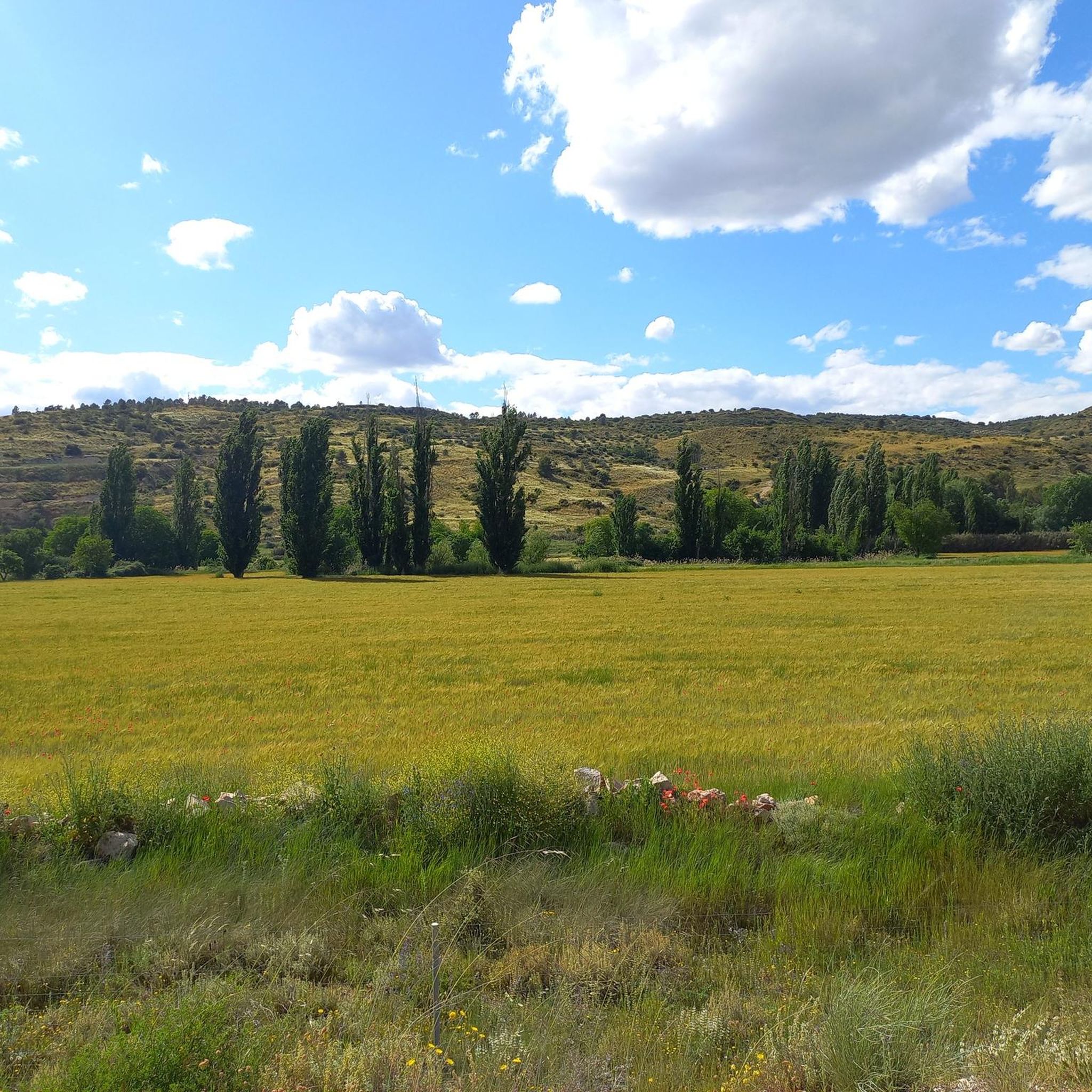
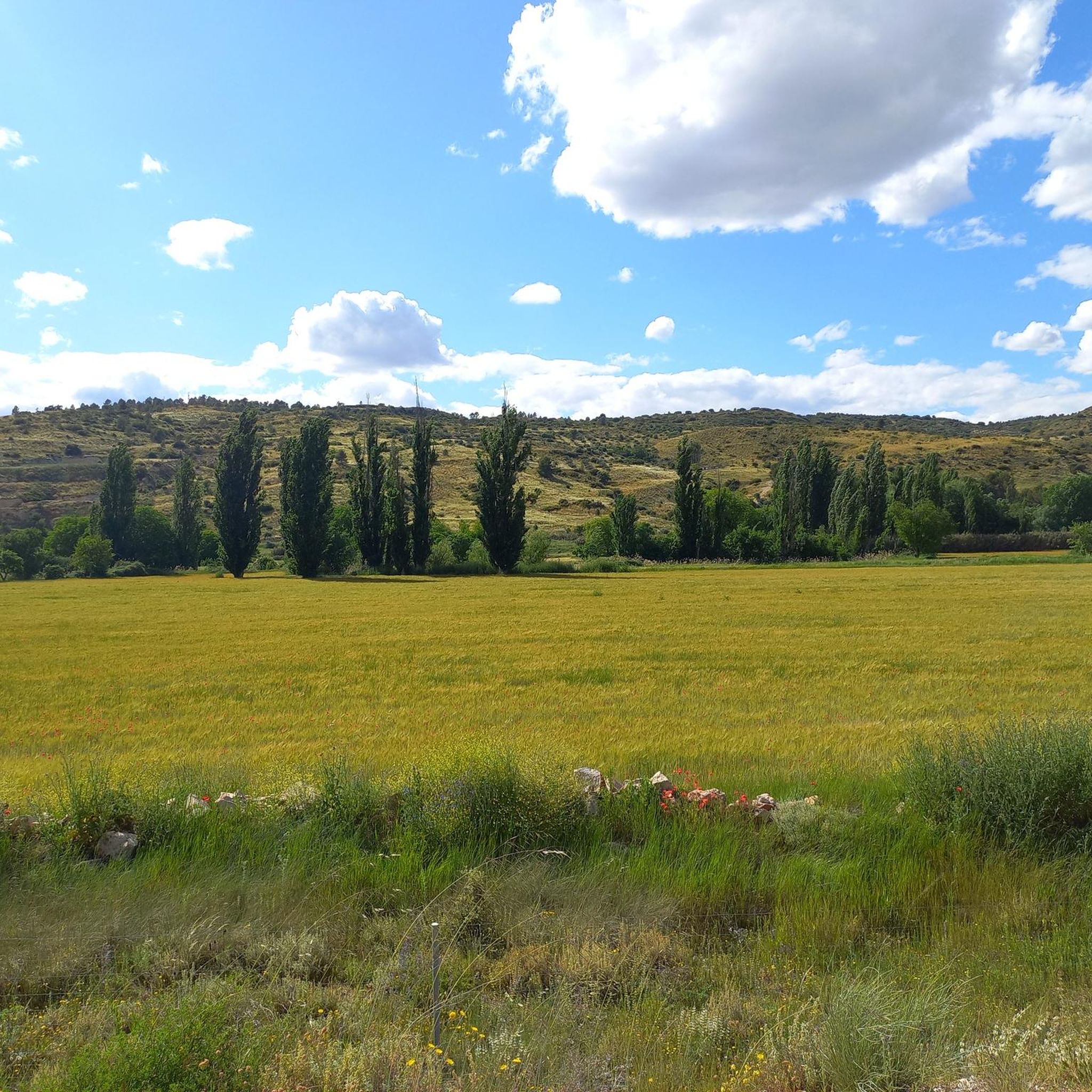
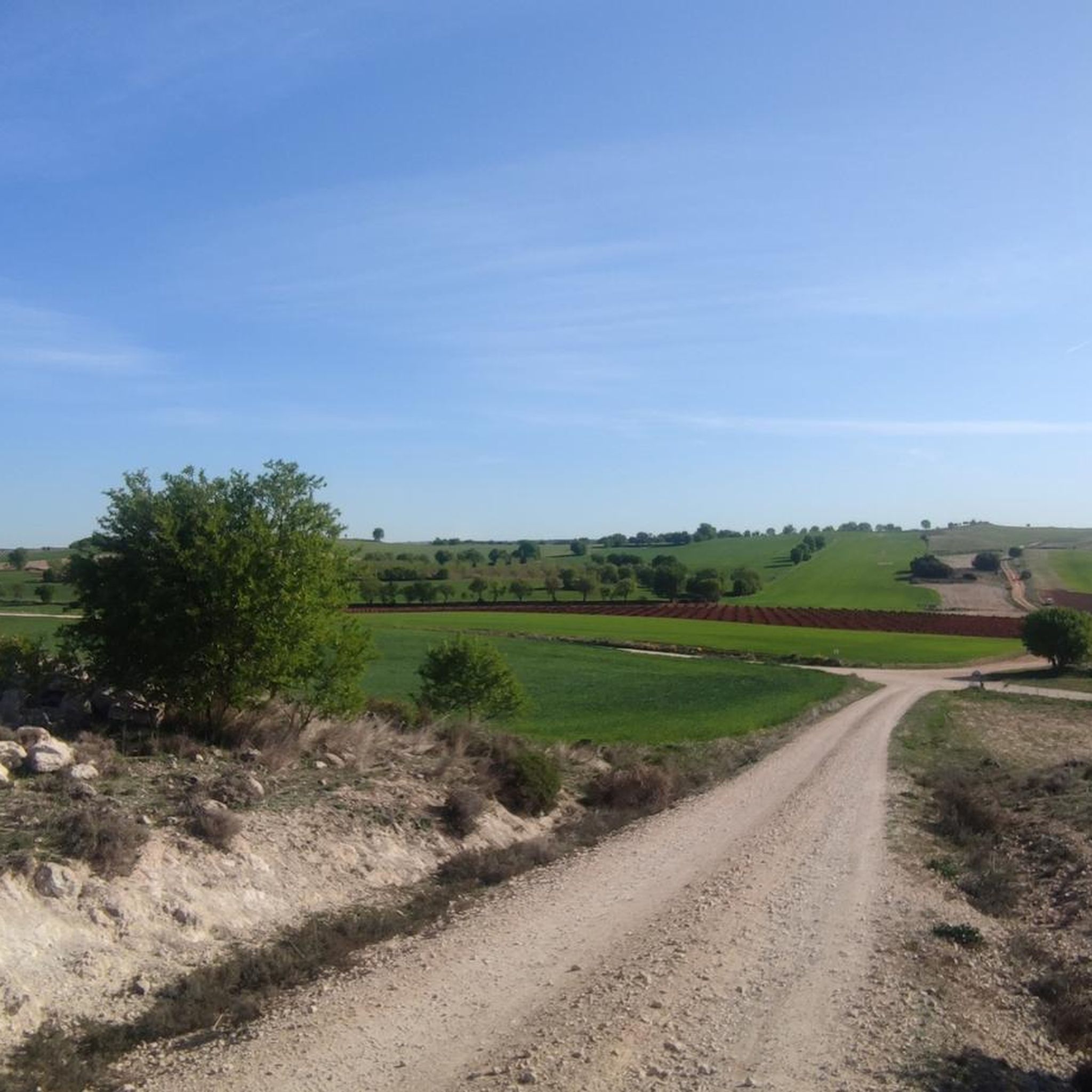
Crossroads between the greenways of the Tajuña and the 40-day train. The route of the second was a branch of the Tajuña that was intended to connect with Levante. Today this greenway crosses various cultivated fields, mainly olive groves and cereals, and connects various towns in the southeast of Madrid.
2
0
The livestock route crosses the Tagus Natural Trail, crosses the town to the shore of the Tagus and passes the river over a historic iron bridge from the 19th century. The Tagus Bridge is a magnificent work of civil engineering inaugurated in 1867. The designer of the project was the architect José de Echevarría, who sought collaborators in France within the Eiffel team and chose iron to build a solid bridge in a fundamental passage of the Tagus plain. In the transit of the eastern Soriana Royal Canyon and the Camino Real de Valencia, an old Post Road and route of peasants and merchants since the Early Middle Ages. The first mechanical means to cross the Tagus riverbed was a rope boat, replaced by a rope bridge that could withstand unforeseen floods, but it was destroyed by General Prim's troops in the mid-19th century. In the vicinity of the bridge is the recreational area of La Tejera, with riverside trees and river beaches.
1
1
Frequently Asked Questions
What historical sites can I explore in Estremera?
Estremera offers several historical sites. The 17th-century Church of Nuestra Señora de los Remedios is a significant cultural asset, housing one of the oldest organs in the Community of Madrid. You can also find a medieval aqueduct, a testament to the region's agricultural past, and the Cueva de Pedro Fernández, a Bronze Age cave system. Additionally, the Iron Bridge of Fuentidueña de Tajo, an engineering marvel from the mid-19th century, is a notable historical landmark.
What natural features can I enjoy around Estremera?
The natural beauty of Estremera is largely defined by its close proximity to the Tajo River valley. The area is surrounded by cultivated fields and low mountains, offering picturesque landscapes. The Bolarque Reservoir, a short distance away, provides opportunities for aquatic activities. You might also find recreational spots along the Tajo River, sometimes referred to as "Playa De Estremera".
Are there greenways or cycle paths for biking and walking?
Yes, the area is excellent for cycling and walking along greenways. You can explore the Junction of the Tajuña Greenway and the Tren de los 40 Días Greenway, which connects various towns in southeast Madrid through olive groves and cereal fields. The Picturesque bridge over the Vía Verde del Tajuña offers a shaded resting spot on this route. The Villamanrique de Tajo Viaduct is another engineering work now enjoyed by cyclists.
What outdoor activities can I do near these attractions?
Beyond exploring the attractions, the region around Estremera is ideal for various outdoor activities. You can find numerous routes for cycling, mountain biking, and running. For cycling, consider routes like the 'Uclés Trail – Picturesque bridge loop from Estremera' or the 'Forest of Painted Trees – Barajas de Melo loop from Estremera'. Mountain biking enthusiasts can try the 'Fuentidueña de Tajo loop from Fuentidueña de Tajo'. Runners have options like the 'Running loop from Tarancón'. You can find more details on these activities in the dedicated guides for Cycling around Estremera, MTB Trails around Estremera, and Running Trails around Estremera.
Are there family-friendly attractions around Estremera?
Yes, several attractions are suitable for families. The greenways, such as the Junction of the Tajuña Greenway and the Tren de los 40 Días Greenway and the area around the Picturesque bridge, are great for family walks or bike rides. The Iron Bridge of Fuentidueña de Tajo is also considered family-friendly, offering a historical point of interest near riverside recreational areas.
What is the Uclés Trail and what can I expect?
The Uclés Trail is a route that takes you through unique landscapes, including clay hills and whitish marls, creating a desert and steppe environment, especially around Cerro de la Muela. It's known for its challenging sections, particularly the gypsum gullies which can be difficult after rain. The trail also pairs with the yellow arrows of the Camino de Santiago de Uclés, a historic pilgrimage route.
What do visitors enjoy most about the bridges and viaducts in the area?
Visitors appreciate the engineering work and the scenic views offered by the bridges and viaducts. The Villamanrique de Tajo Viaduct is noted for its impressive structure. The Picturesque bridge over the Vía Verde del Tajuña is particularly valued for providing rare shaded resting spots along the cycling route. The Iron Bridge of Fuentidueña de Tajo is admired as the oldest large metal bridge in Madrid, a significant piece of civil engineering.
Are there any specific tips for exploring the greenways?
When exploring the greenways, such as the Vía Verde del Tajuña, it's advisable to take advantage of shaded areas like the Picturesque bridge for rest, especially on sunny days. The greenways often pass through cultivated fields, so you'll experience a blend of natural and agricultural landscapes. Be aware that some sections, like parts of the Uclés Trail, can become challenging after rain due to gypsum gullies.
What is the significance of the Iron Bridge of Fuentidueña de Tajo?
The Iron Bridge of Fuentidueña de Tajo is a historically significant engineering work from the mid-19th century. It was crucial for modernizing communications by restoring passage over the Tajo River on the way to Cuenca and is recognized as the oldest large metal bridge in Madrid. Designed by José de Echevarría with collaborators from the Eiffel team, it stands as a magnificent example of civil engineering from 1867.
Can I find places to rest or take a break along the routes?
Yes, along some routes, you can find convenient spots to rest. For instance, the Picturesque bridge over the Vía Verde del Tajuña is specifically noted as an ideal place to rest in the shade, which is a welcome feature on this route. The area around the Iron Bridge of Fuentidueña de Tajo also features the recreational area of La Tejera, with riverside trees and river beaches, perfect for a break.
What kind of landscapes will I see when exploring the greenways around Estremera?
When exploring the greenways, you'll encounter diverse landscapes. The Junction of the Tajuña Greenway and the Tren de los 40 Días Greenway passes through cultivated fields, primarily olive groves and cereals. The Uclés Trail, on the other hand, offers a more rugged experience with clay hills, whitish marls, and gypsum gullies, creating a unique desert-like environment in some sections.
Most popular attractions around Estremera

Get inspired with the komoot mobile app


Explore more
Still not found the Highlight you’re looking for? See guides of the top attractions in other regions:
