The best walks and hikes around El Escorial
4.5
(639)
2,152
hikers
41
hikes
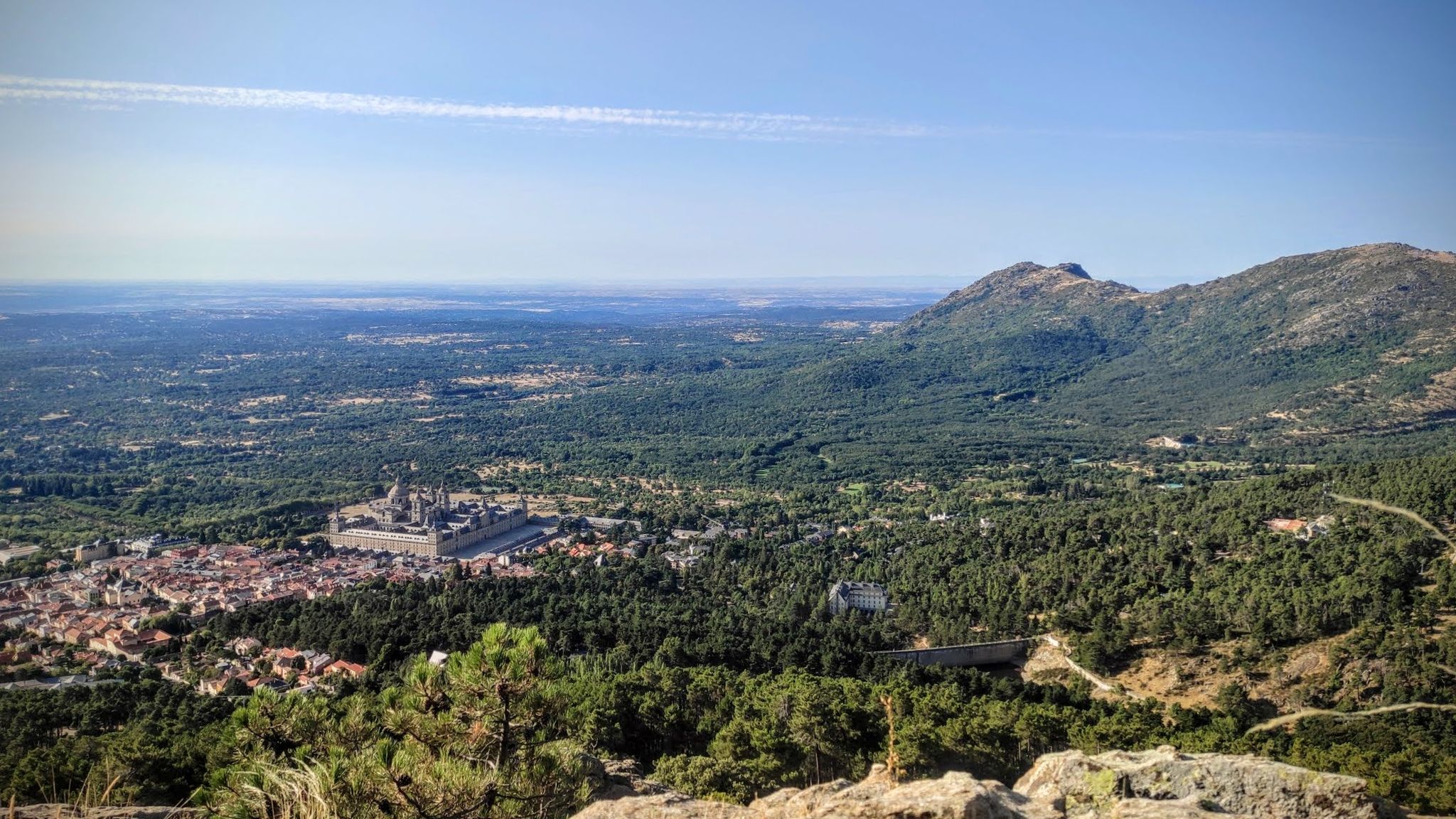
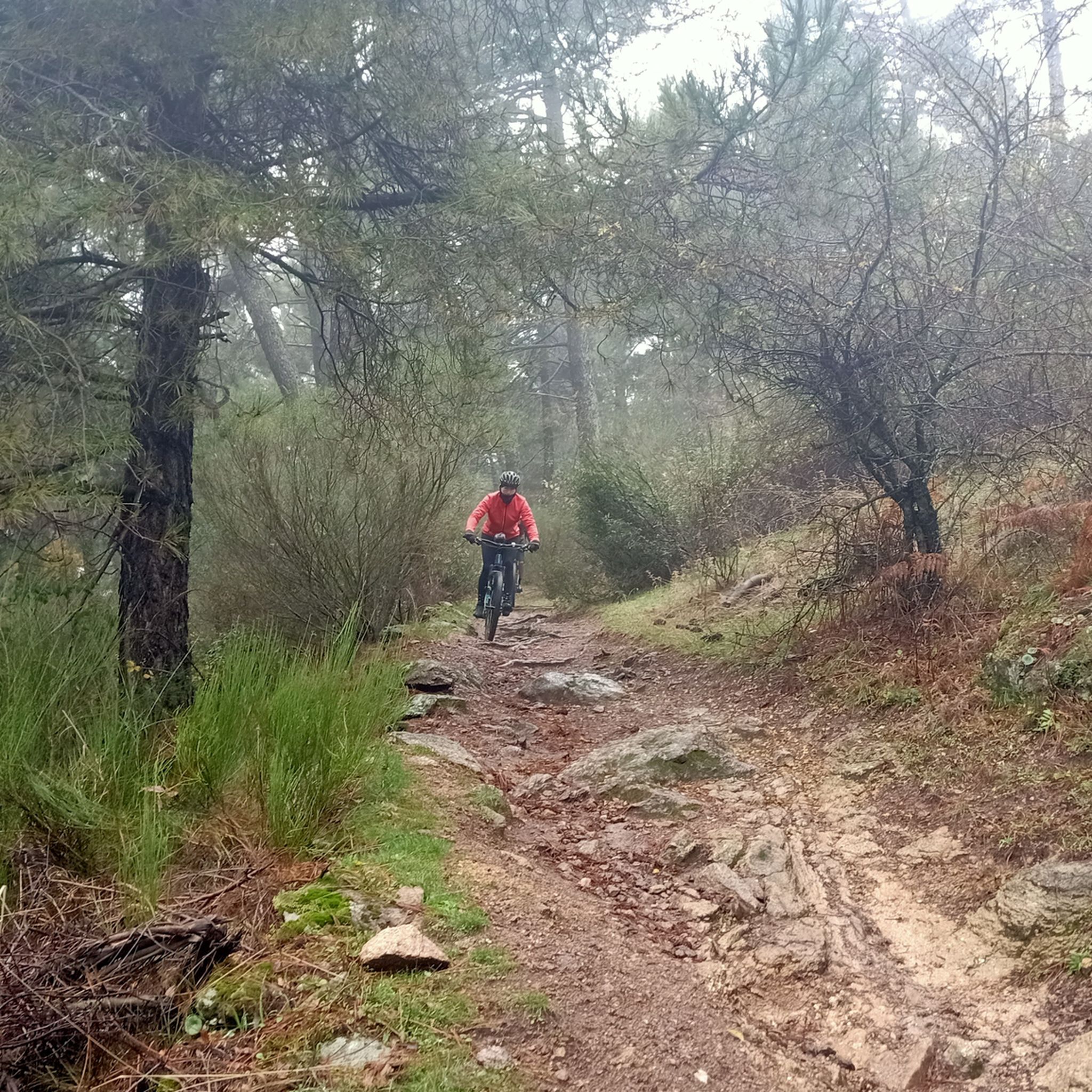
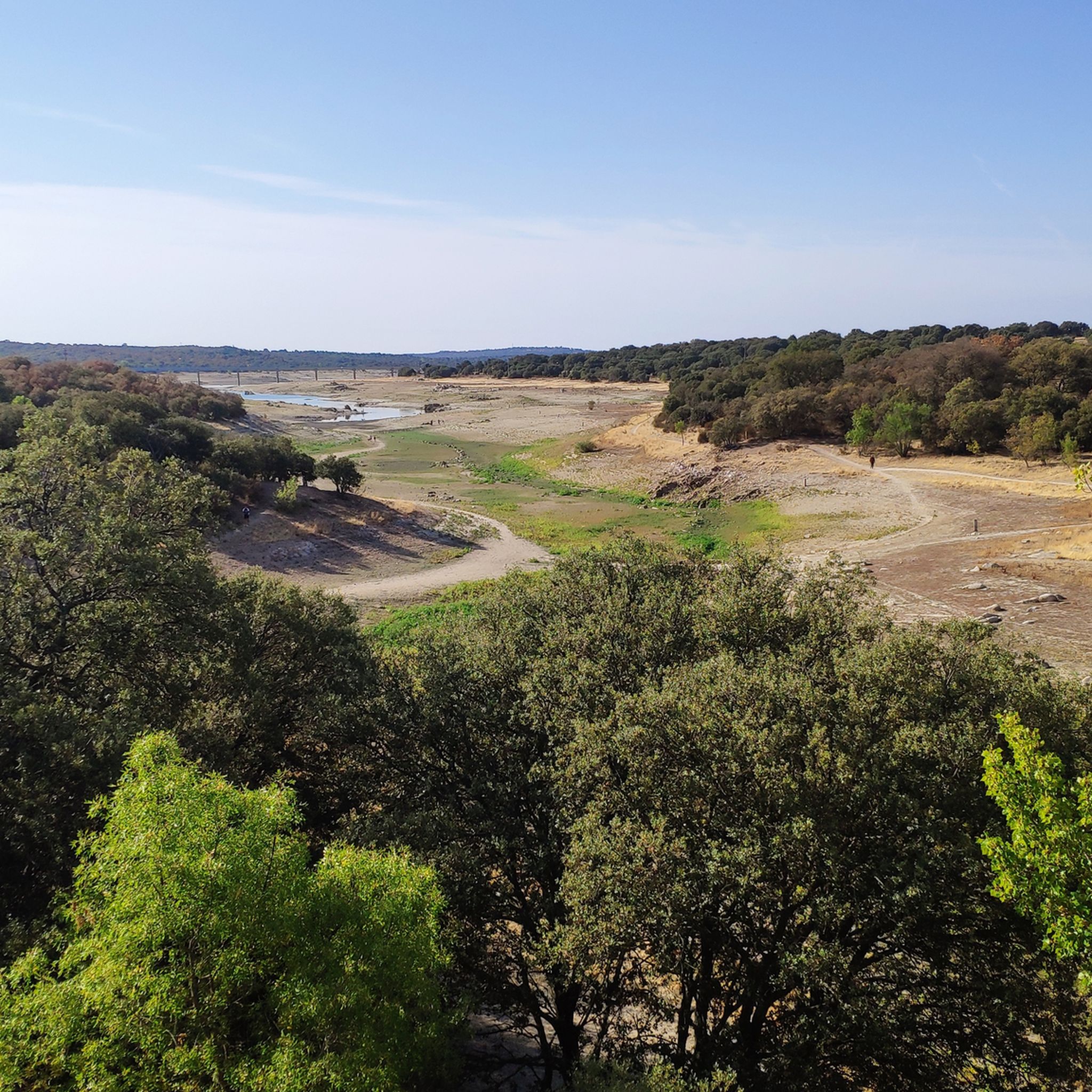
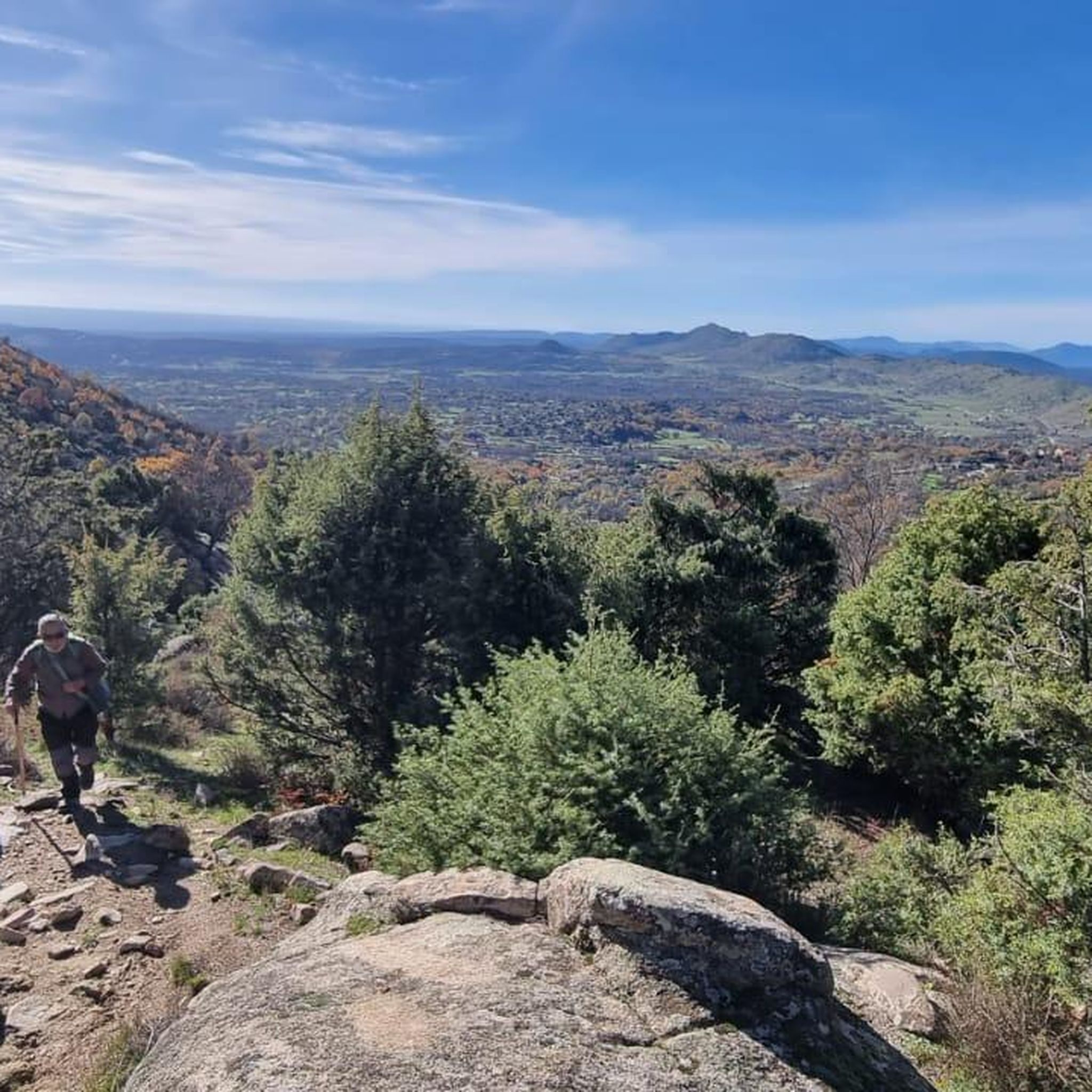
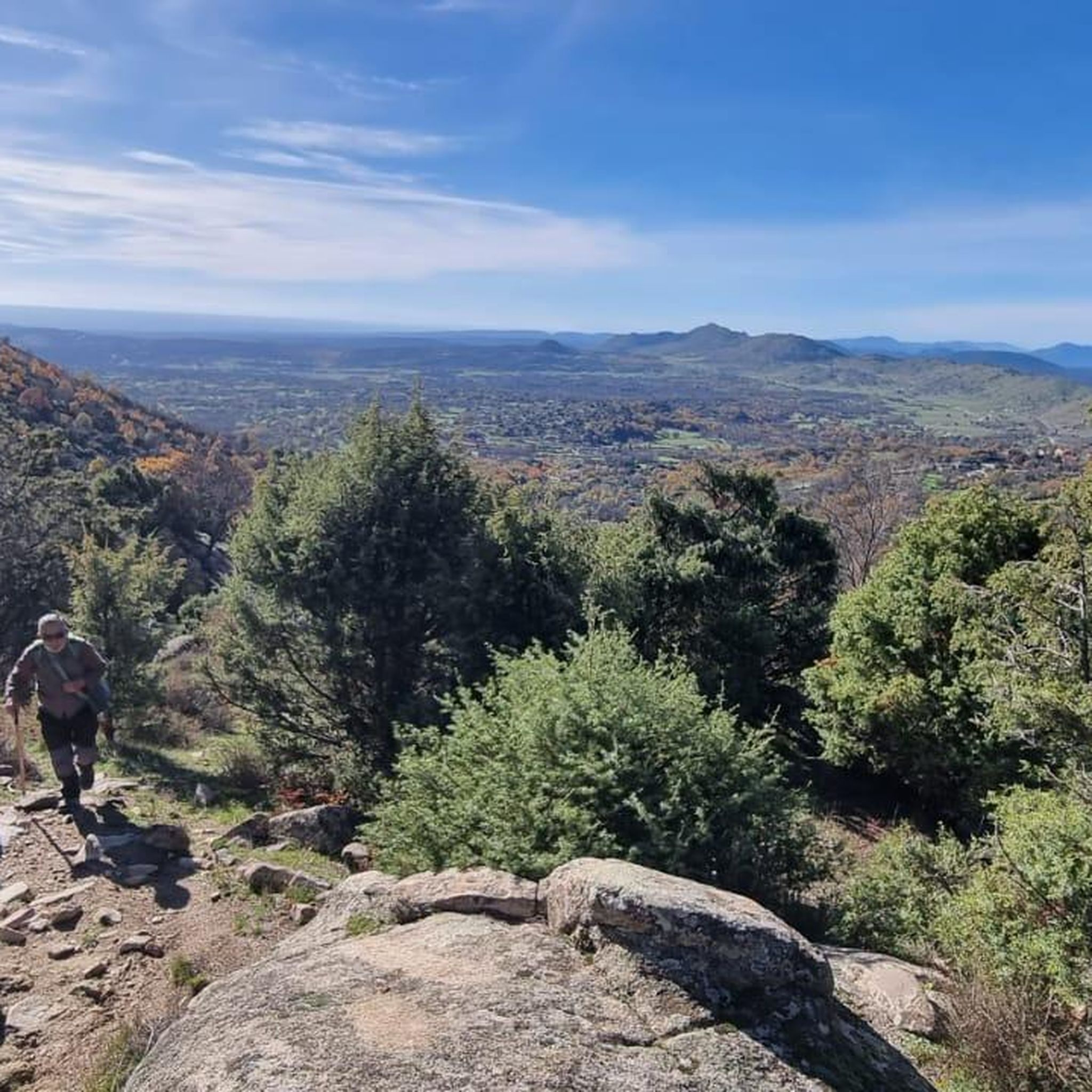
Hiking around El Escorial offers diverse landscapes within the Sierra de Guadarrama mountains, northwest of Madrid. The region features a mix of pine forests, open pastures, and rugged mountain trails, providing varied scenery for outdoor activities. Prominent natural features include Mount Abantos and the protected Bosque de la Herrería, which contribute to the area's significant natural beauty. This area provides a range of trails suitable for different fitness levels, from gentle walks to challenging ascents.
Best hiking trails around El Escorial
- The most popular hiking route is Silla de Felipe II and Bosque de la Herrería Loop, an 8.4 miles (13.4 km) moderate trail that takes 3 hours 52 minutes to complete. This route combines historical viewpoints with lush forest paths.
- Another top favourite among local hikers is Guadarrama - El Escorial Green Route, a difficult 9.3 miles (14.9 km) path. This challenging route features significant elevation gain through mountain terrain, offering expansive views.
- Local hikers also love the Monte Abantos — circular from the San Lorenzo de El Escorial train station, an 8.6 miles (13.8 km) trail leading through pine forests and up to Mount Abantos, often completed in about 5 hours 30 minutes.
- Hiking around El Escorial is defined by the mountainous terrain of the Sierra de Guadarrama, dense pine forests, and historical landmarks like the Silla de Felipe II. The network of routes offers options for various ability levels, from leisurely walks to strenuous mountain climbs.
- The routes in El Escorial are highly rated by the komoot community with an average score of 4.5 stars from over 400 reviews. More than 1700 hikers have used komoot to explore El Escorial's varied terrain.
Last updated: August 20, 2026
4.6
(56)
233
hikers
13.4km
03:53
300m
300m
The Silla de Felipe II and Bosque de la Herrería loop trail invites you to immerse yourself in the history and nature of the Sierra de Guadarrama. You'll hike through the lush Bosque de la Herrería, a protected natural area where oaks, ash trees, and cherry trees create a green canopy, and discover the enigmatic Silla de Felipe II, a granite viewpoint offering panoramic vistas of the Monasterio de El Escorial. This 8.4-mile (13.4 km) route, classified as moderate, offers a diverse experience with sections of Roman road and natural trails, ideal for a day of exploration.
To plan your visit, keep in mind that this is a very popular route, especially on weekends, so arriving early is key to finding parking. The trail is well-marked and accessible, although some sections require a good level of fitness. No specific permits are mentioned, but it's always advisable to carry water and check the weather forecast, especially if you plan to spend the estimated 3 hours and 52 minutes to complete it.
What makes this route special is the combination of its natural and historical richness. The Bosque de la Herrería is a picturesque landscape with springs like the Fuente de la Reina, while the Silla de Felipe II, with its stepped platforms, is a legendary spot from where the king is said to have overseen the construction of the Monastery. With an elevation gain of 985 feet (300 meters), it's a rewarding hike that connects you with the past and the beauty of the surroundings.
4.8
(49)
171
hikers
14.9km
05:49
810m
810m
Hike the difficult 9.3-mile Guadarrama - El Escorial Green Route, gaining 2665 feet with panoramic views from Mount Abantos.

Sign up for free
4.6
(30)
85
hikers
Hard hike. Very good fitness required. Mostly accessible paths. Sure-footedness required.
4.7
(3)
5
hikers
19.1km
04:54
90m
90m
Hike the moderate 11.8-mile Camino de las Ventas and Cañada Segoviana Loop, exploring historic drovers' roads and rural landscapes.
4.5
(52)
393
hikers
14.8km
05:43
810m
810m
Hard hike. Very good fitness required. Mostly accessible paths. Sure-footedness required.
Get access to more routes and recommendations from other explorers.
Sign up for free
Already have an account?
Our route recommendations are based on thousands of hikes, rides, and runs completed by other people on komoot.
Start today with a free account
Your next adventure awaits.
Login or Signup
Other adventures around El Escorial

Tips from the Community

The route is a bit tough at the beginning due to the ascent to Pico de Abantos, which has an elevation of 1730 m, but the sacrifice is worth it because the views from the geodesic vertex are spectacular, really beautiful. A luxury of a landscape. And it runs almost all the time under shade, which is appreciated on the dates I did it 30-8-2026.
0
0

They say (I don't know how true this is) that Philip II used to watch the progress of the construction of the colossal monastery from this very spot during his hunting trips, which he was very fond of. Whether true or not, it makes for a beautiful viewpoint, especially in autumn.
1
0

Beautiful monastery both inside and out.
0
0

The Chair of Philip II is a famous granite viewpoint in San Lorenzo de El Escorial, near Madrid. Legend has it that King Philip II used it to view the construction of the Monastery of El Escorial. However, experts believe it was actually an ancient Celtic altar, possibly used for rituals. Today, it's a popular hiking spot with stunning views of the monastery and its surroundings.
3
0
The Monastery of El Escorial was built by King Philip II in the 16th century to commemorate a military victory and serve as a royal pantheon for the Habsburg dynasty. Designed by architects Juan Bautista de Toledo and Juan de Herrera, it is characterized by its sober, Renaissance style. Today it is a UNESCO World Heritage Site.
7
1
The Monastery of El Escorial was built by King Philip II in the 16th century to commemorate a military victory and serve as a royal pantheon for the Habsburg dynasty. Designed by architects Juan Bautista de Toledo and Juan de Herrera, it is characterized by its sober, Renaissance style. Today it is a UNESCO World Heritage Site.
4
0

Place to rest and refill your water bottle at the fountain.
0
0

The Bear Cave in San Lorenzo de El Escorial is not a real, deep cave in the geological sense, but rather a peculiar rock formation in the Bosque de la Herrería. It is a natural cavity formed by the arrangement of large granite boulders that create a kind of shelter or "cave." It is located in the Bosque de la Herrería, a protected natural area declared a UNESCO World Heritage Site. It is on a very popular hiking trail, relatively close to the Chair of Philip II and the Fuente de los Hermanitos. Its name comes from the fact that its shape and size might evoke the idea of a bear's den, although no real bear ever lived there. Rather, it is a visual attraction, especially for children. Beyond being a "real" cave, it is a point of interest on the hiking trails in the Bosque de la Herrería.
0
0
Frequently Asked Questions
How many hiking trails are available in El Escorial?
El Escorial offers a diverse network of over 40 hiking trails. These routes cater to various fitness levels, ranging from easy strolls through forests to challenging mountain ascents within the Sierra de Guadarrama.
Are there easy or family-friendly hiking options in El Escorial?
Yes, El Escorial provides several easy and family-friendly hiking options. There are 10 routes classified as easy, perfect for a relaxed outing. Many trails, especially those through the Bosque de la Herrería, offer gentle terrain and beautiful scenery suitable for all ages.
What kind of challenging hikes can I find in El Escorial?
For those seeking a challenge, El Escorial features 13 difficult routes. These often involve significant elevation gain and rugged mountain terrain, such as the ascent to Mount Abantos. Trails like the Guadarrama - El Escorial Green Route offer expansive views and a demanding experience.
Are there any circular hiking routes in the area?
Absolutely. Many trails in El Escorial are designed as circular routes, allowing you to start and end at the same point. A popular example is the Silla de Felipe II and Bosque de la Herrería Loop, which combines historical viewpoints with lush forest paths.
What natural attractions or landmarks can I see while hiking in El Escorial?
Hiking in El Escorial offers a blend of natural beauty and historical significance. You can visit the iconic Seat of Philip II for panoramic views, explore the pine forests of Mount Abantos, or discover the Covacho Waterfall. The Bosque de la Herrería is another protected natural space with lush forests and historical elements.
Is it possible to reach hiking trails in El Escorial using public transport?
Yes, some hiking trails are accessible via public transport. For instance, the Monte Abantos — circular from the San Lorenzo de El Escorial train station route conveniently starts directly from the train station, making it easy to access without a car.
What do other hikers enjoy most about hiking in El Escorial?
The hiking routes in El Escorial are highly rated by the komoot community, with an average score of 4.5 stars from over 400 reviews. Hikers frequently praise the diverse landscapes, from dense pine forests to open mountain views, and the historical landmarks encountered along the way, such as the Silla de Felipe II.
Are there any routes that follow historical paths or old trails?
Yes, some routes in El Escorial incorporate historical paths, including ancient Roman roads and traditional livestock trails. For example, the Camino de las Ventas and Cañada Segoviana Loop takes you along such historical routes, connecting you with the region's past.
What is the best time of year to go hiking in El Escorial?
El Escorial offers enjoyable hiking experiences throughout much of the year. Spring and autumn provide pleasant temperatures and vibrant scenery, with blooming wildflowers or colorful foliage. Summer mornings are also popular, while winter can offer crisp air and unique views, especially at higher elevations, though some trails might require appropriate gear for colder conditions.
Are there any waterfalls to discover on the trails?
Yes, the region around El Escorial features natural highlights including waterfalls. You can find the Covacho Waterfall, which is a notable point of interest for hikers exploring the natural monuments of the area.
What kind of wildlife might I encounter while hiking?
The Sierra de Guadarrama, where El Escorial is located, is rich in biodiversity. While hiking, you might spot various bird species, including raptors, and potentially deer or wild boar, especially in quieter forest areas. Observing wildlife from a distance ensures their safety and your enjoyment.
Most popular routes around El Escorial
Most popular attractions around El Escorial

Get inspired with the komoot mobile app


Explore more
Browse the best Hikes in other regions.
