The 20 Most Amazing Peaks around Martorelles
Best mountain peaks around Martorelles are situated within the Parc de la Serralada Litoral, a protected area characterized by a continuous mountainous complex with gentle relief and Mediterranean forests. This region offers prominent hills that provide significant views and historical interest, rather than towering alpine summits. Visitors can explore ancient archaeological sites and enjoy the cultural heritage alongside natural landscapes. The area is a haven for hikers and nature enthusiasts, with various hiking routes Martorelles.
Best mountain peaks around Martorelles
…Last updated: July 7, 2026
La Coscollada Observation Tower
Highlight • Viewpoint
Translated by Google •
Tip by

Puig Castellar Iberian Settlement
Highlight • Historical Site
Translated by Google •
Tip by
Sign up now to discover places like this
Get recommendations on the best single tracks, peaks, & plenty of other exciting outdoor places.
Sign up for free
Turó de Montcada
Highlight • Summit
Translated by Google •
Tip by

Iberian Site of Les Maleses
Highlight • Historical Site
Translated by Google •
Tip by
Montigalá Cross
Highlight • Monument
Translated by Google •
Tip by
Sign up for free to discover even more peaks around Martorelles.
Sign up for free
Already have an account?
Start today with a free account
Your next adventure awaits.
Login or Signup
Tips from the Community

The current cross is the result of several replacements, as wind and storms toppled it more than once. For years it was a popular spot for pilgrimages and also served as a makeshift landmark for locals, who used it as a meeting point when the roads were still unmarked. Access is easy and consistent, and the open view explains why this hill has always been a landmark for anyone traveling through the area.
0
0

The Cruz de Montigalá is an icon of the city of Badalona. From here there are beautiful panoramic views of a large part of the Serralada de Marina, Badalona and Barcelona.
19
0

In a fairly good state of conservation you can see the foundations of what this town was. The signs posted perfectly explain each place.
2
0
The Iberian village of Puig Castellar is located in the Serralada de Marina park, at the top of the 303 m high Pollo hill, with an area that must slightly exceed 4,000 m2. The magnificent defensive and control conditions of the territory suggest that it must have been an important town. This location allowed him the vision and communication with the nearby settlements, since he controlled an important stretch of the coastline, the mouth of the Besòs, the plan of Barcelona and the passage inland, towards the Vallès. It was occupied from the 6th century BC until the beginning of the 2nd century BC and belonged to the Laietans people, who inhabited the territory that extended approximately from the Llobregat river to the Tordera and inland through the valley of the Llobregat and the Vallès.
1
0

Short climb but very intense the last two hundred meters, somewhat hard, good views from the top.
1
0

Interesting place with remains of an Iberian settlement from where impressive 360° views are commanded. You can see the Pyrenees on clear days.
2
1
Iberian town with wide views
2
0

The cross is about 4 meters high. The first cross, designed by the architect Joan Amigó, was placed on September 28, 1913 but was destroyed during the Civil War, and was erected again, in reinforced concrete. There are great views from here.
7
0
Frequently Asked Questions
What historical and archaeological sites can I explore on the mountain peaks near Martorelles?
The region around Martorelles is rich in history. You can visit the Puig Castellar Iberian Settlement, an ancient town occupied from the 6th century BC, offering control over the coastline and the Barcelona plain. Another significant site is the Turó de Castellruf, which features the remains of a dolmen, an Iberian village, and an 11th-century castle. Additionally, the Iberian Site of Les Maleses provides insights into the Layetan people who lived there, with excavated houses and ceramic materials.
Which mountain peaks offer the best panoramic views near Martorelles?
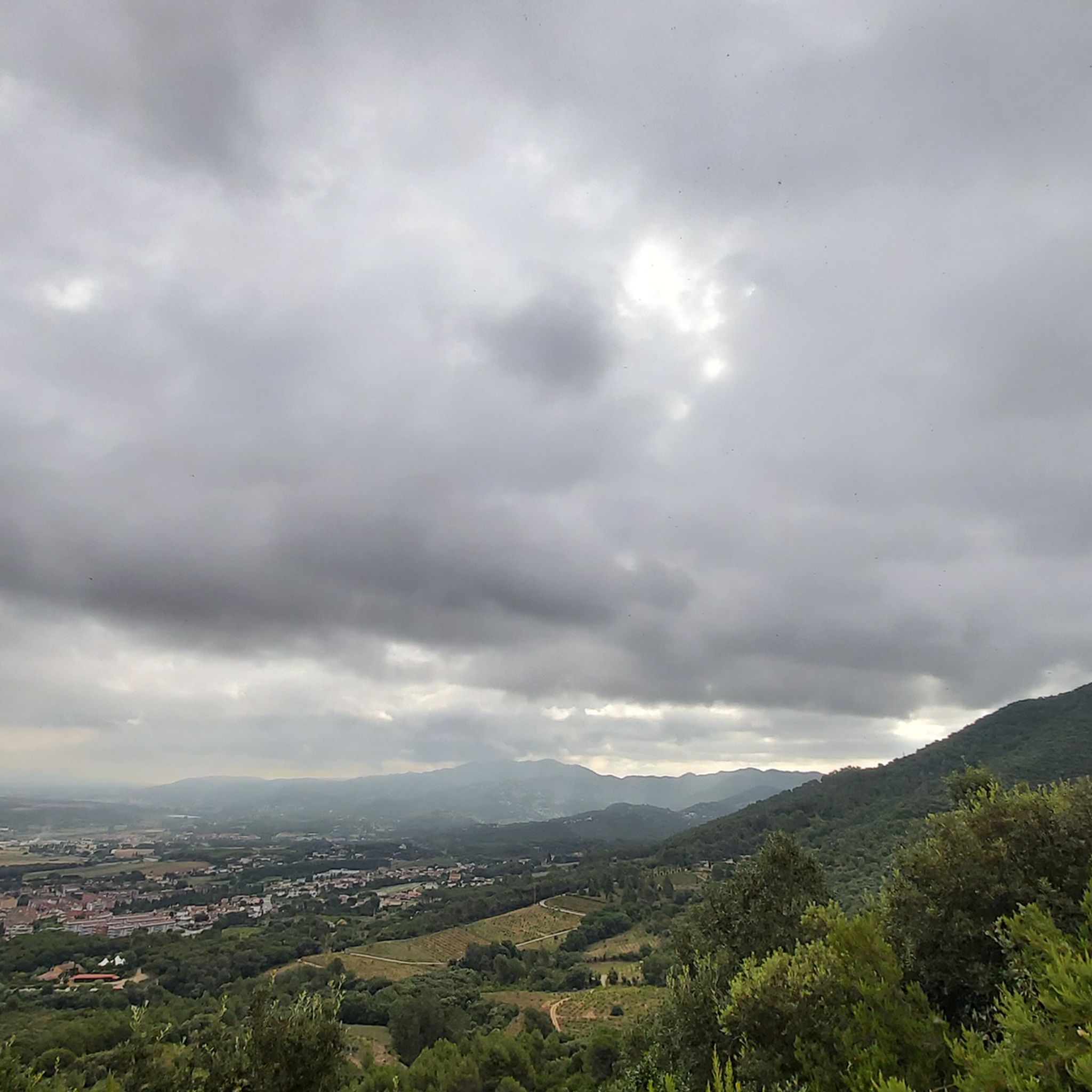
For breathtaking panoramic views, consider visiting the La Coscollada Observation Tower. From its base, you can see the Pyrenees, Montseny, coastal mountains, the sea, and the plain of Barcelona. The Turó de Montcada also provides a spectacular 360-degree view of the Vallès and Barcelonès plains, the Besòs, and the Marina and Collserola mountain ranges. Turó d'en Galzeran, though its fire watchtower is not accessible, is also known for magnificent vistas of the Serralada de Marina.
Are there any family-friendly hiking options among the mountain peaks near Martorelles?
Yes, the Parc de la Serralada Litoral, where Martorelles is located, offers several trails suitable for families. The Fountains of Santa Maria de Martorelles Trail is a moderate 8.34 km (5.2-mile) route that explores diverse forests, natural springs, and ancient dolmens, providing a scenic and historically rich experience with accessible paths. The SL-C 120 Springs of Santa Maria de Martorelles Trail is a slightly shorter option at 6.81 km (4.2 miles) with similar features.
What is the highest mountain peak in the Parc de la Serralada Litoral near Martorelles?
The highest and most prominent mountain within the Parc de la Serralada Litoral is Turó de Céllecs, reaching an elevation of 536 meters. While not directly adjacent to Martorelles, it offers a greater challenge and extensive views across the park for those seeking a more demanding hike.
What kind of outdoor activities can I do near the mountain peaks around Martorelles?
Beyond hiking to the peaks, the area around Martorelles offers a variety of outdoor activities. You can find numerous routes for cycling, including touring bicycle and mountain biking. For example, there are challenging MTB routes like the Turó de l'Amigó – La Coscollada Watchtower loop. Runners can enjoy trails such as the Santa Maria de Martorelles Springs Route. You can explore more options on the Cycling around Martorelles, Running Trails around Martorelles, and MTB Trails around Martorelles guide pages.
Are there any specific trails for running near the mountain peaks?
Yes, there are dedicated running trails. The Santa Maria de Martorelles Springs Route is a popular moderate option for runners. For more challenging runs, consider the Turó d'en Galceran Viewpoint – La Mercè Spring loop or the Turó d'en Galceran Viewpoint – Castellruf Dolmen loop, both starting from Santa Maria de Martorelles. Find more details on the Running Trails around Martorelles guide page.
What is the difficulty level of hiking to Turó d'en Galzeran?
The hike to Turó d'en Galzeran is considered hard and requires good fitness. While challenging, the reward is magnificent panoramic views from the summit, stretching towards Montornès del Vallès and the Serralada de Marina.
What natural features can I expect to see while hiking the mountain peaks near Martorelles?
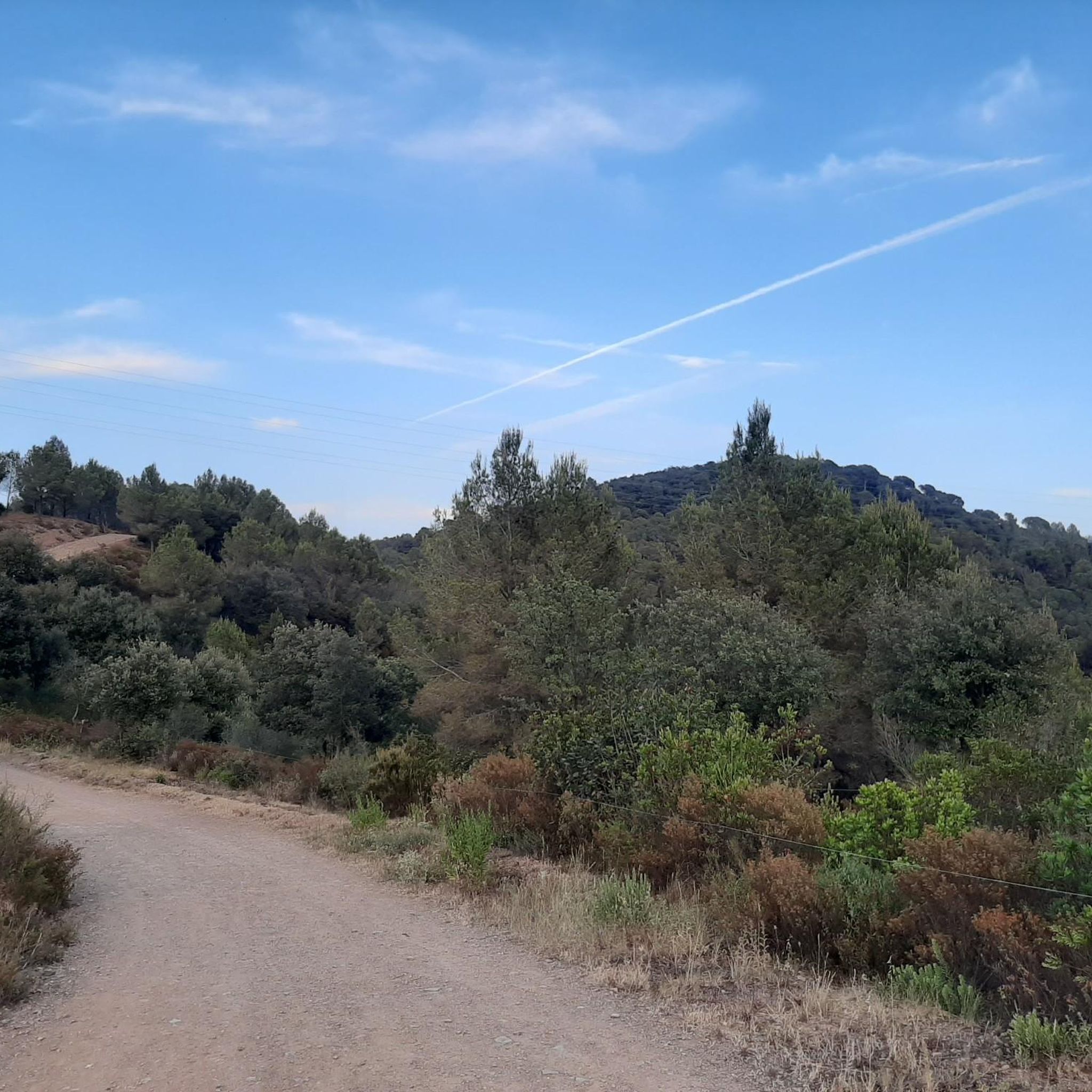
The Parc de la Serralada Litoral is characterized by a compact mountainous complex with gentle relief and Mediterranean forests. You'll encounter diverse forest types, natural springs, and various viewpoints offering expansive vistas. The area is also home to ancient dolmens and other archaeological features integrated into the natural landscape.
What is the significance of the Montigalá Cross?
The Montigalá Cross is an iconic landmark in Badalona, offering beautiful panoramic views of a large part of the Serralada de Marina, Badalona, and Barcelona. The original cross, designed in 1913, was destroyed during the Civil War but later re-erected, standing about 4 meters high.
What do visitors appreciate most about the mountain peaks around Martorelles?
Visitors highly appreciate the blend of natural beauty and historical intrigue. The opportunity to explore ancient archaeological sites like the Iberian settlements alongside pleasant hikes and magnificent panoramic views is a major draw. The area's accessibility within the Parc de la Serralada Litoral also makes it a popular destination for nature enthusiasts and hikers.
Are there any specific tips for hiking to Puig Castellar Iberian Settlement?
When hiking to the Puig Castellar Iberian Settlement, it's advisable to bring a windbreaker jacket as it can get quite windy at the top. Also, ensure you carry enough water, as the path can be narrow. Wearing long pants is recommended due to the terrain.
What is the best time of year to visit the mountain peaks near Martorelles?
The region generally enjoys a Mediterranean climate, making spring and autumn ideal for hiking. During these seasons, temperatures are milder, and the natural scenery is vibrant. Summer can be hot, so early morning or late afternoon hikes are preferable, while winter offers cooler, crisp air, though some trails might be damp.
Most popular routes around Martorelles
Most popular attractions around Martorelles

Get inspired with the komoot mobile app


Explore more
See even more amazing summits around Martorelles with these guides:
