The best MTB trails around Luyego
5.0
(2)
47
riders
17
rides
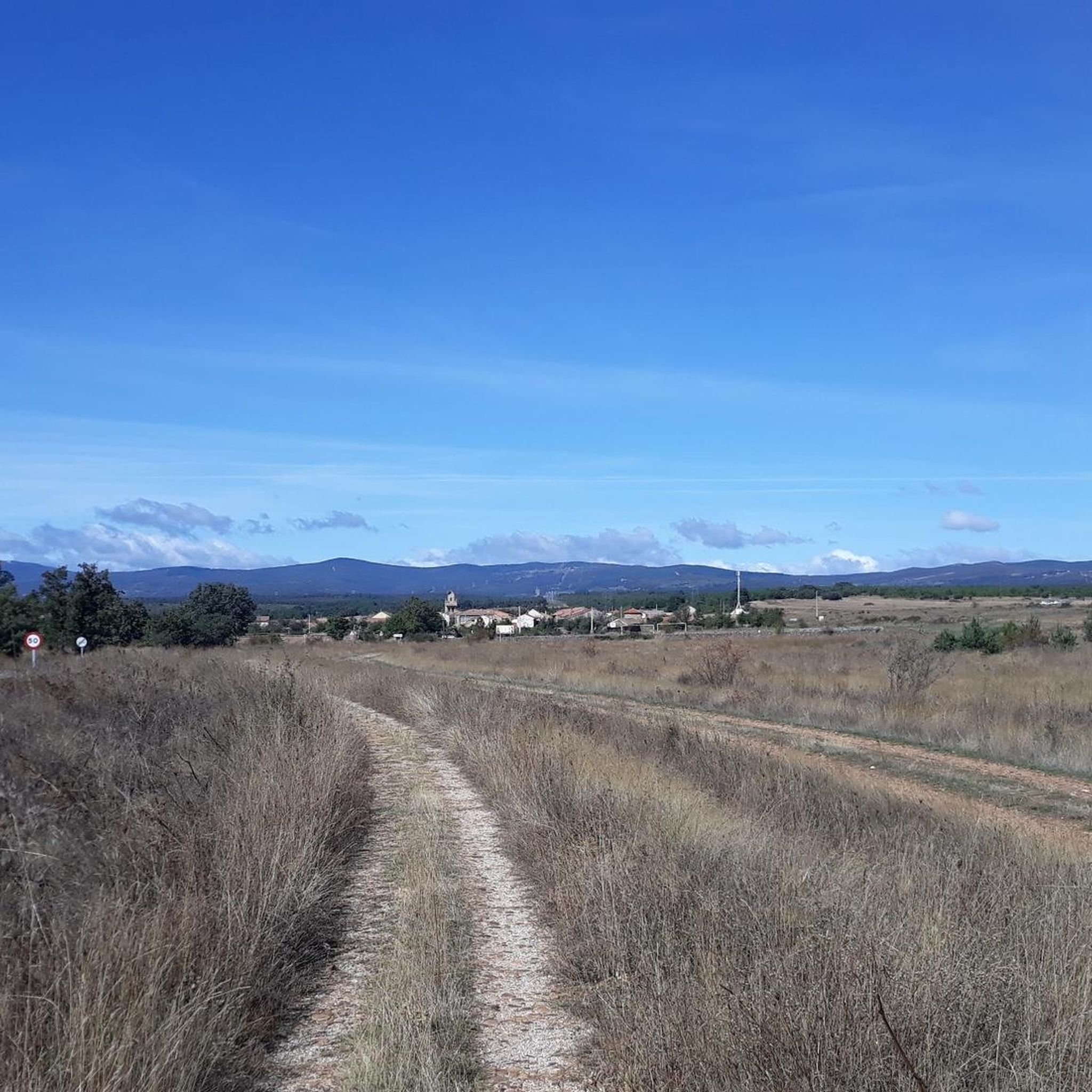
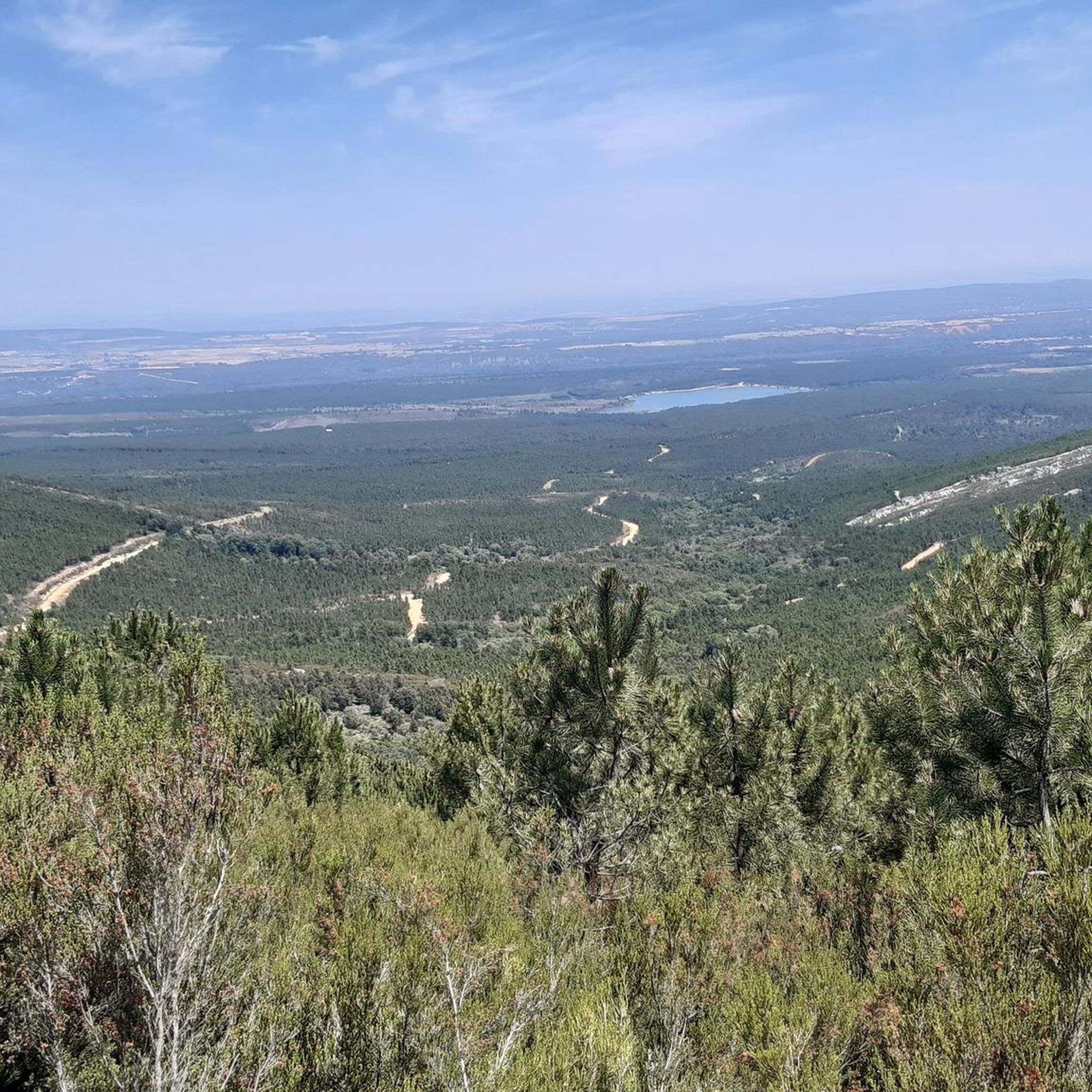
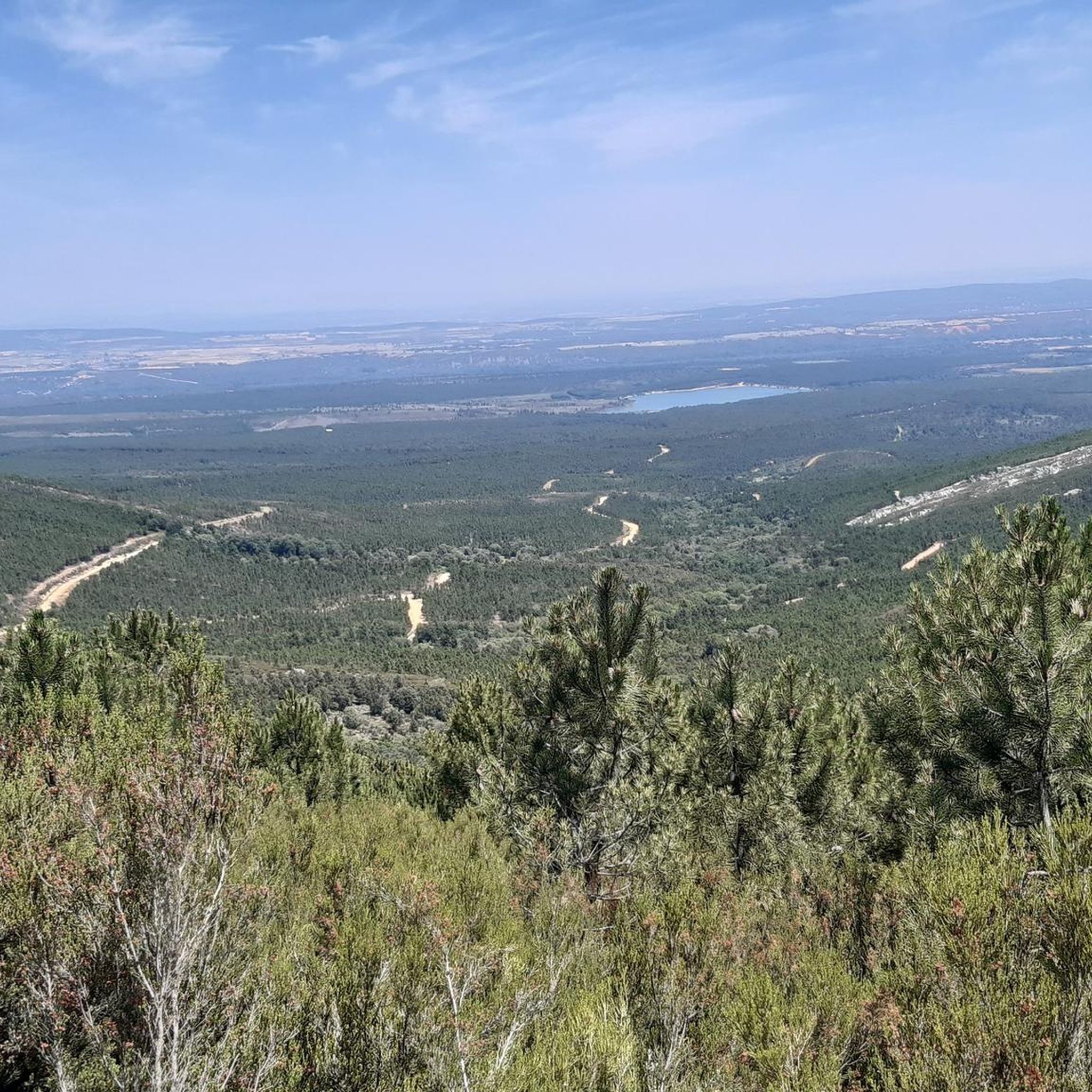
Mountain biking around Luyego offers diverse terrain in the province of León, Spain. The region is characterized by its varied topography, including mountains, hills, and green expanses. Riders can explore significant forested areas, such as the extensive pine forest of Tabuyo and oak forests, alongside the meadows of the Duerna river valley. The municipality's altitude, around 1071-1073 meters above sea level, contributes to routes with notable elevation changes.
Best mountain bike trails around Luyego
- The most popular mountain bike trail…
Last updated: July 4, 2026
8
riders
44.8km
04:58
1,410m
1,410m
Hard mountain bike ride. Very good fitness required. Suitable for all skill levels.
4
riders
41.5km
03:52
760m
760m
Moderate mountain bike ride. Good fitness required. Advanced riding skills necessary.

Sign up for free
3
riders
27.6km
02:24
560m
560m
Moderate mountain bike ride. Good fitness required. Suitable for all skill levels.
5.0
(1)
5
riders
Moderate mountain bike ride. Good fitness required. Advanced riding skills necessary.
3
riders
41.6km
03:26
700m
700m
Moderate mountain bike ride. Good fitness required. Advanced riding skills necessary.
Get access to more routes and recommendations from other explorers.
Sign up for free
Already have an account?
Our route recommendations are based on thousands of hikes, rides, and runs completed by other people on komoot.
Start today with a free account
Your next adventure awaits.
Login or Signup

Tips from the Community

A very pretty little village and, although it may not seem so at first glance, even at a high altitude (over 1,100 m), in the small church in the evening there is a moment of prayer with Gregorian chants by the monks who live nearby.
0
0

Surprising, a mix between a mountain village and a village of the far west. The most suggestive thing is the blessing of the pilgrims at the Benedictine monastery
2
0

It is also known as Cruz de Fierro (Iron Cross). A mountain landmark (1504 m) that stands on the French Way in the mountains of León as it passes through the province of the same name, corresponding to the autonomous community of Castilla y León. 230 km from Santiago. It is one of the best-known and most symbolic places of all the Jacobean routes, and perhaps for this reason the most mythologised and exciting, with the Monte do Gozo de Santiago, the first place from which pilgrims on the French Way observe the city of Santiago.
8
0

The "iron cross" here on Monte Irago, which is legendary for many pilgrims on the Camino Frances to Santiago de Compostela to the grave of the Apostle James the Greater, has since been replaced by a copy at the original location. The cross, which appears comparatively small due to its enormous height, stands out from a constantly growing pile of stones at the top of a very long tree trunk. Many pilgrims take a stone with them on the Way of St. James and lay it here. This stone symbolizes the burdens and needs of the pilgrims (or their family members and friends at home), who in this way symbolically cast off their worries at this point with the stone, and can thus move on free of them.
2
0


This town, which is part of the municipality of Santa Colomba de Somoza in the Maragatería region, had a population of 74 inhabitants in 2017. The architecture of the town preserves the Maragato style, characterized by the doorways of the typical Maragata houses and its three churches. The history of Rabanal del Camino is deeply linked to the Camino de Santiago, being the end of the stage that begins in Astorga and a resting place for pilgrims. In addition, in its vicinity there are remains of Roman gold mining. In past centuries, Maragato muleteers played a significant role in the area, transporting salted fish and dryland products between Galicia and the interior of the peninsula. However, the arrival of the railway to Astorga in 1866 marked the beginning of its decline. Currently, the economy of Rabanal del Camino is focused on tourism and crafts, with cocido maragato as one of its gastronomic attractions. The town has several hostels for pilgrims, including one municipal and another managed by an English association. Among the points of cultural interest is the church, which has Romanesque remains and was under the Order of the Temple, as well as the hermitages of San José and Bendito Cristo. In 2001, the Benedictine abbey of "San Salvador del Monte Irago" was founded. The most important festivals in Rabanal del Camino are those of San Roque and Nuestra Señora de la Asunción, celebrated on August 15 and 16, with religious and recreational events such as processions and children's games. Additionally, in September the festival of the Blessed Christ of the True Cross is celebrated. Rabanal del Camino is accessible by road, and can be reached from Astorga by bus. Despite being a small town, it offers several accommodations such as hostels and hostels suitable for both tourists and pilgrims. This town, revitalized thanks to the resurgence of the Camino de Santiago https://www.youtube.com/watch?v=By9PafTraJQ
2
0
The bell tower of the chapel of Rabanal del Camino is located in the region of Maragatería, which is part of the autonomous community of Castilla y León, in northern Spain. Rabanal del Camino is a small town that is part of the French Way of St. James, one of the most popular routes for pilgrims traveling to Santiago de Compostela. The sound of the bells of the bell tower can be an important element in the spiritual experience of pilgrims passing through Rabanal del Camino on their way to Santiago.
4
0
Within the route there is a section of particular beauty between Vegaquemada and Candanedo, where the route repeatedly crosses the Porma River, using two walkways and a small pontoon built of wood. The route flows through a place of low forest and riverside trees of enormous landscape value. A town under the symbolic guardianship of the "Peña Tobal", an elevation of modest altitude and tuff stone.
2
0
Frequently Asked Questions
How many mountain bike trails are available around Luyego?
There are 17 mountain bike trails available around Luyego. These routes offer a diverse range of experiences, from moderate to difficult, catering to various skill levels.
What kind of terrain can I expect on mountain bike trails in Luyego?
Mountain biking in Luyego offers a varied landscape characterized by mountains, hills, and green expanses. You'll find significant forested areas, including extensive pine forests like Tabuyo and oak forests, alongside the meadows of the Duerna river valley. The region's altitude, around 1071-1073 meters above sea level, means routes often feature notable elevation changes and diverse topography.
Are there any circular mountain bike routes in Luyego?
Yes, many of the mountain bike routes in Luyego are designed as loops. For example, you can explore the Church of Tabuyo del Monte – Near Pozos loop from Tabuyo del Monte, the Santa Colomba de Somoza loop from Casa Kika, or the Rabanal del Camino village – Iron Cross loop from Casa Rural. These circular routes allow you to start and finish at the same point, making logistics easier.
Are there any interesting landmarks or villages to see along the mountain bike trails in Luyego?
Yes, the region around Luyego is rich in historical heritage and charming villages. You might encounter places like Rabanal del Camino, a historic village with a notable church, or the picturesque El Ganso Village. Other points of interest include the Hermitage of the Vera Cruz and the Church of El Ganso, offering glimpses into the local culture and architecture.
Are there family-friendly mountain bike trails in Luyego?
While most routes in Luyego are rated moderate to difficult, there is at least one easy mountain bike trail available. These easier options are generally suitable for families or those looking for a less strenuous ride, often found in the more gentle river valleys or flatter forest sections.
Are there any mountain bike trails that feature waterfalls in Luyego?
Yes, there is a specific route named Waterfall loop from Casa Kika. This moderate trail covers over 42 km and includes a significant elevation gain, leading you to scenic spots where you can enjoy natural water features.
What is the best time of year for mountain biking in Luyego?
Luyego's diverse landscape makes it suitable for mountain biking across several seasons. Spring and autumn generally offer pleasant temperatures and vibrant scenery, ideal for exploring the forests and hills. While specific winter conditions are not detailed, the region's altitude suggests that some higher trails might be affected by snow or colder weather during the colder months. Summer can be warm, so early morning or late afternoon rides are often preferred.
Is there parking available for mountain bikers in Luyego?
While specific dedicated mountain bike parking facilities are not detailed, Luyego is a rural municipality. Riders typically find parking in or near the starting points of trails, often in villages or designated areas. It's advisable to check the specific route details on komoot for suggested starting points and potential parking information.
Can I bring my dog on the mountain bike trails in Luyego?
The natural areas around Luyego, with their extensive forests and open spaces, are generally welcoming to dogs. However, it's always recommended to keep your dog under control, especially when encountering wildlife or other trail users. Check local signage for any specific regulations regarding dogs in certain protected areas or private lands.
Are there any permits or regulations required for mountain biking in Luyego?
There is no specific information indicating that permits are required for mountain biking on the general trails around Luyego. However, it's always good practice to respect private property, stay on marked trails, and adhere to any local regulations or environmental protection guidelines that may be posted in specific areas.
What do other mountain bikers enjoy most about mountain biking in Luyego?
The mountain bike trails in Luyego are highly rated by the komoot community, with an average score of 5.0 stars from reviews. Riders often praise the diverse terrain, which includes challenging climbs, varied forest paths, and open landscapes, as well as the opportunity to explore the region's natural beauty and historical villages.
Are there options for accommodation or places to eat near the mountain bike trails in Luyego?
Luyego and its surrounding villages, such as Rabanal del Camino and El Ganso, are part of a region with a rich heritage, including the Camino de Santiago. This means you can often find rural accommodations (casas rurales), small cafes, and traditional eateries in these settlements, providing convenient stops for refreshments or overnight stays for cyclists.
Most popular attractions around Luyego

Get inspired with the komoot mobile app


Explore more
Browse the best MTB trails in other regions.
