Attractions and Places To See around Itero Del Castillo - Top 20
Best attractions and places to see around Itero Del Castillo include historical sites and natural features. This village, situated on the Pisuerga River, was historically a border town between Castile and León. It is also a key stop on the Camino de Santiago, offering a glimpse into medieval history and traditional Castilian life. The area provides a mix of cultural landmarks and opportunities to explore the surrounding landscape.
Best attractions and places to see around Itero Del Castillo
- The most…
Last updated: June 22, 2026
Canal de Castilla
Highlight • River
Translated by Google •
Tip by

Ruins of the Monastery of San Antón
Highlight • Historical Site
It is a temple dedicated to San Antonio Abad. The ruins of this monastery are …
Translated by Google •
Tip by
Sign up now to discover places like this
Get recommendations on the best single tracks, peaks, & plenty of other exciting outdoor places.
Sign up for free
San Nicolás Hermitage at Puente Fitero
Highlight • Religious Site
Translated by Google •
Tip by
Convent of San Antón
Highlight • Historical Site
Translated by Google •
Tip by

Collegiate Church of Santa María del Manzano
Highlight • Religious Site
Translated by Google •
Tip by
Sign up for free to discover even more attractions around Itero Del Castillo.
Sign up for free
Already have an account?
Start today with a free account
Your next adventure awaits.
Login or Signup
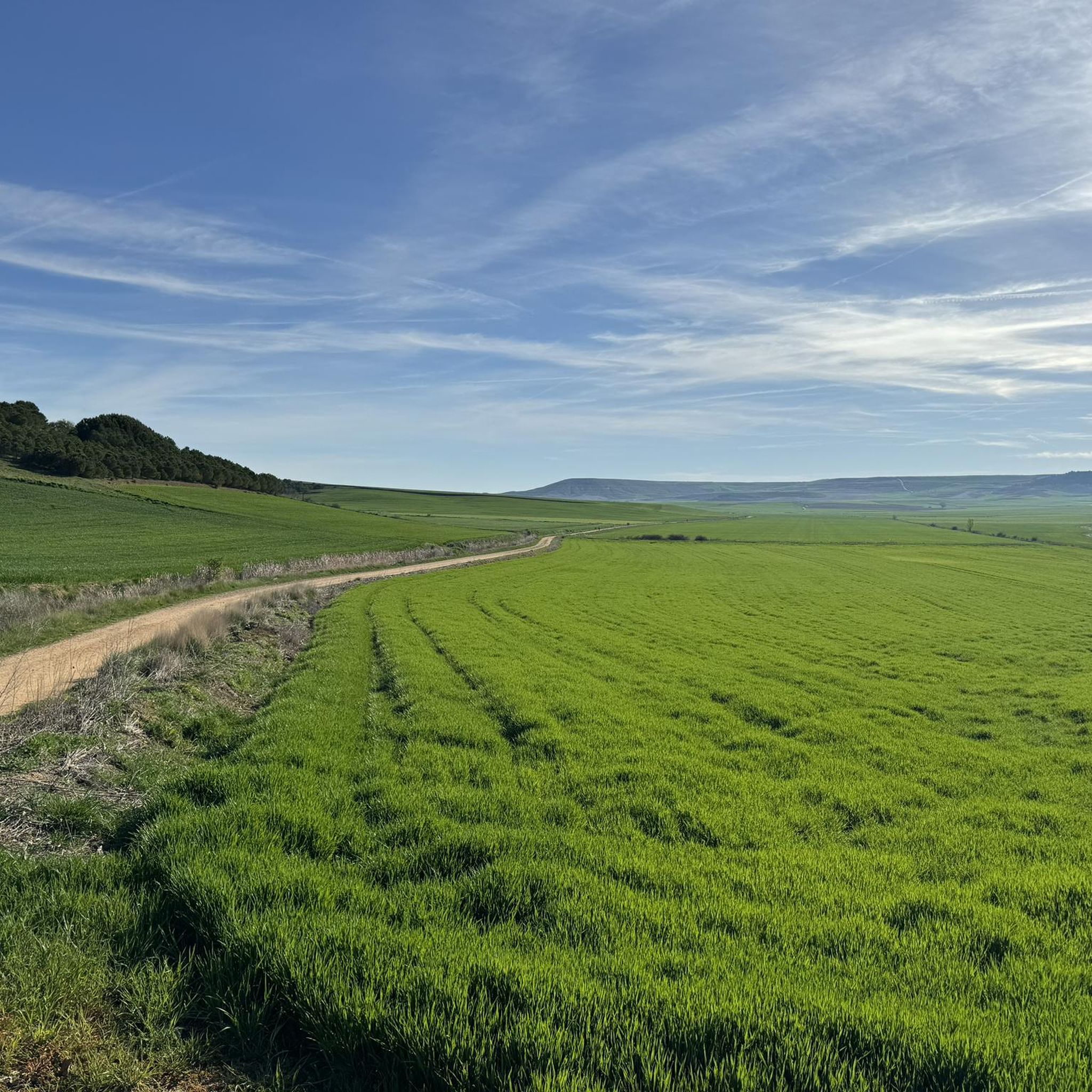
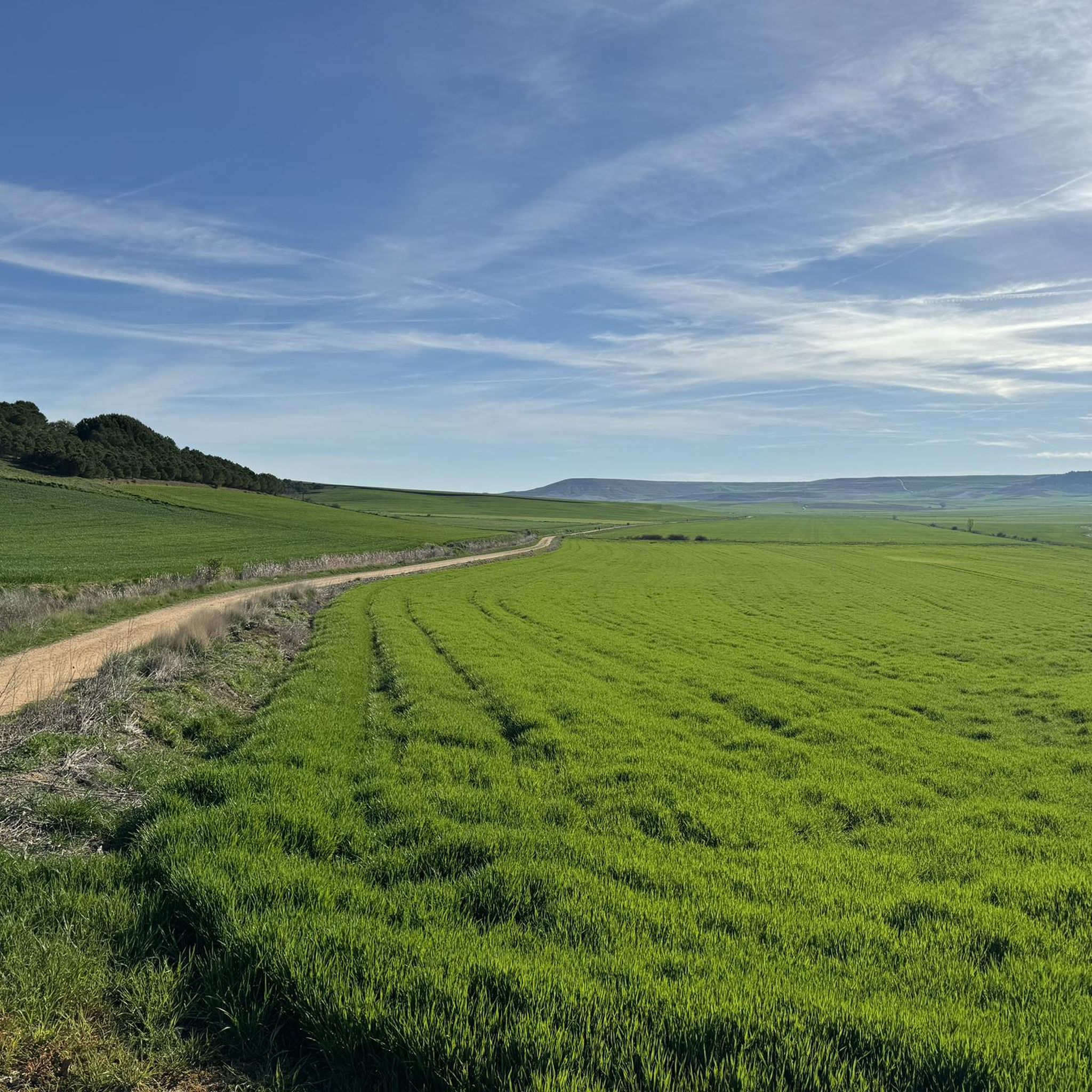
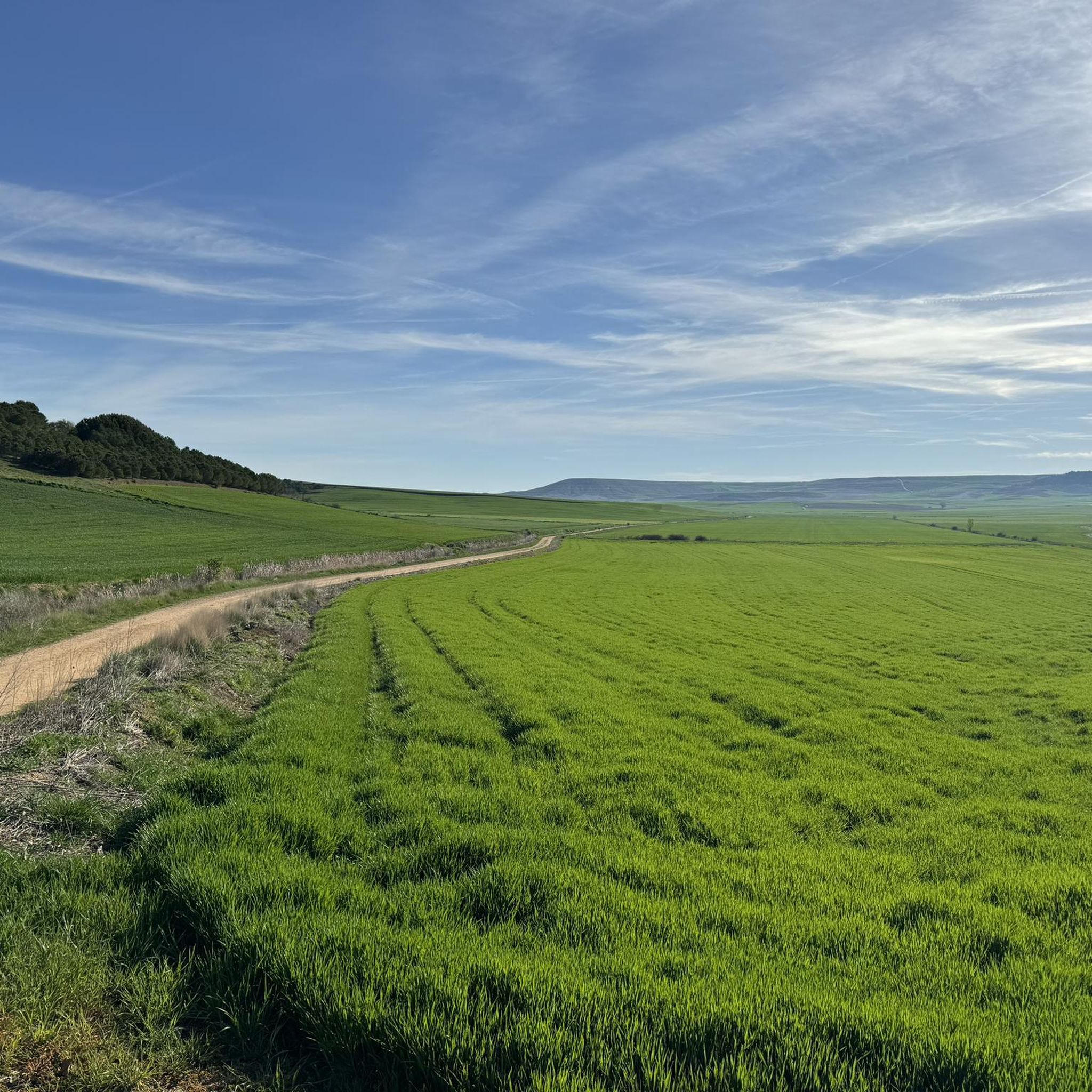

Tips from the Community

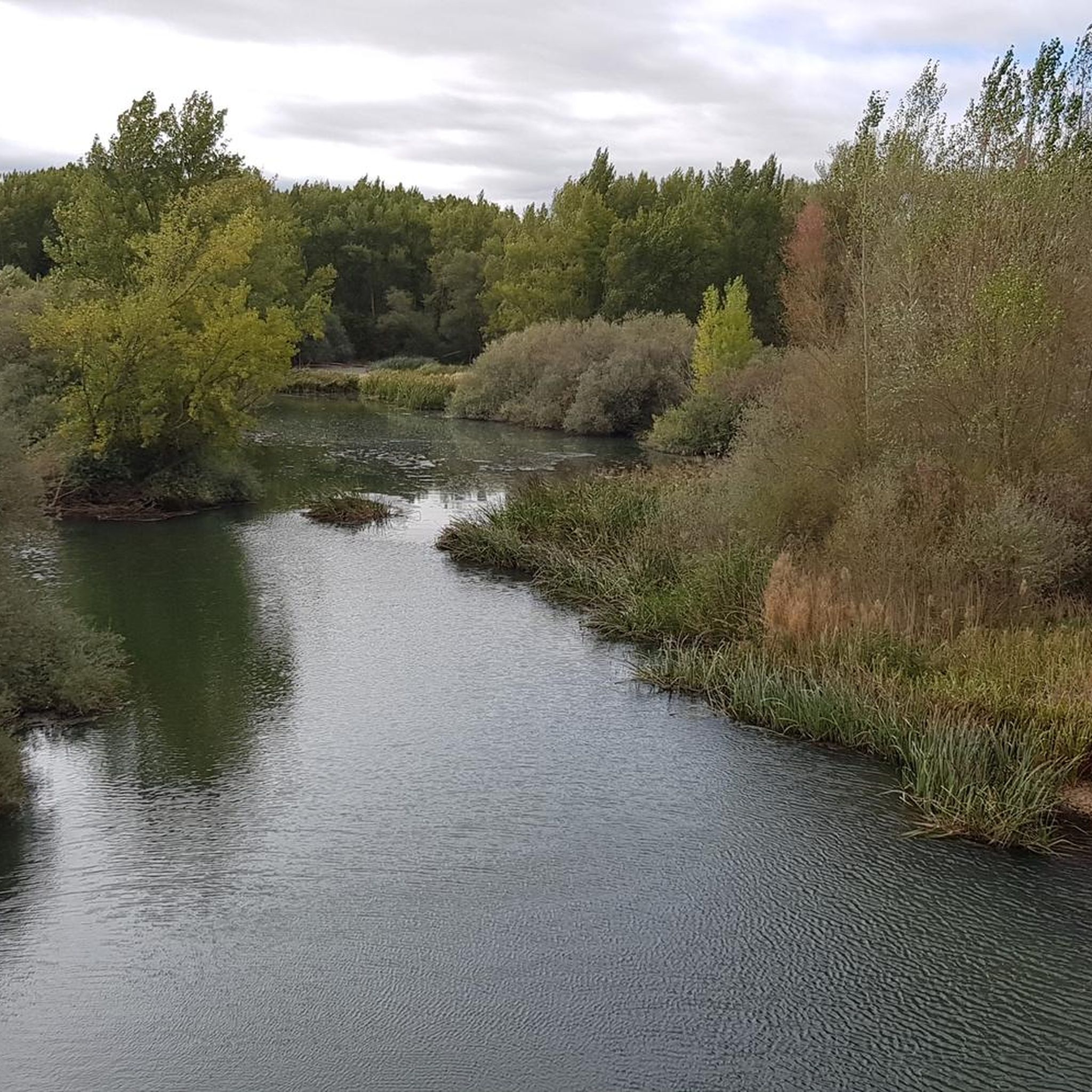
A short, pleasant stretch to walk because the water cools the air a little.
1
1

There is an entrance fee; 5 euros.
6
0
The Castile Canal, whose construction began in 1753, was intended to connect Castile to the Atlantic Ocean.
7
0

The ruins of the monastery of San Antón offer you a real journey into the past. It is a temple dedicated to Saint Anthony the Abbot. The ruins of this monastery are located in the uninhabited town of San Antón, which was part of the municipality of Castrojeriz, in the north of Spain.
8
0

An inn run by Italian hospitallers from Perugia.
3
0
There are still beautiful remains of this Gothic convent. The remains encourage meditation on the time factor in our lives.
3
0

A special hostel on the Camino Frances. It can also be visited during a short break.
4
0

Pleasant to walk alongside the water after a long dusty stretch, though still little in the way of shade. In the summer months you can for a small fee, catch the boat down to the locks at Fromista
4
0
Frequently Asked Questions
What historical landmarks can I explore in Itero del Castillo?
Itero del Castillo is rich in history. You can visit the Torre de Itero del Castillo, a medieval castle tower that once served as a watchtower and now houses exhibition rooms. Another significant landmark is the Itero Bridge (Puente de Itero), a 12th-century medieval bridge spanning the Pisuerga River, crucial for pilgrims on the Camino de Santiago. Don't miss El Arco, a remnant of the village's ancient walls located in the Plaza Mayor.
Are there any religious or cultural sites to visit in the village?
Yes, the village offers several cultural and religious sites. The Parish Church of San Cristóbal, built in the 18th century, features Baroque altarpieces and a 12th-century baptismal font. Before crossing the bridge, you'll find the Ermita-Hospital de San Nicolás, a hermitage and former hospital established in the 12th century to care for pilgrims. You can also observe stately homes adorned with coats of arms throughout the village.
What natural features can I enjoy around Itero del Castillo?
Itero del Castillo is situated on the eastern bank of the Pisuerga River, which historically marked a border. The river and its banks provide opportunities for nature lovers, with various hiking routes available in the area. You can also explore the Canal de Castilla, a man-made waterway intended to connect Castile to the Atlantic Ocean, which is suitable for walking along its banks.
What is the significance of Itero del Castillo for the Camino de Santiago?
Itero del Castillo is a key stop on the French Way (Camino Francés) of the Camino de Santiago, a UNESCO World Heritage Site. The village has a long history of supporting pilgrims, including the 12th-century Ermita-Hospital de San Nicolás and a municipal hostel for those on their journey.
Are there family-friendly attractions or activities in the area?
While many attractions are historical, the Canal de Castilla offers pleasant, easy walks suitable for families. The Collegiate Church of Santa María del Manzano is also listed as family-friendly, providing a cultural experience for all ages.
What kind of outdoor activities can I do near Itero del Castillo?
The area around Itero del Castillo is excellent for outdoor activities. You can find various hiking routes, such as the 'Camino Francés: Itero de la Vega and Itero del Castillo Loop' or the 'Castrojeriz Castle and Santa María del Manzano Loop'. For more options, explore the hiking guide for Itero del Castillo.
Are there cycling routes available near the attractions?
Yes, cycling is a popular activity. You can find routes like 'Hontanas from Castrojeriz via EuroVelo 3' or 'Bike loop from Pedrosa del Príncipe'. For a comprehensive list of cycling tours, refer to the cycling guide for Itero del Castillo.
What are some unique local traditions or features of Itero del Castillo?
Itero del Castillo celebrates unique traditions, such as the 'day of the crosses' on May 3rd, where fields are blessed, followed by a festival. Many local houses also feature a traditional heating system known as 'glory' or 'stove and trivet', where a fireplace is built under a ground-floor room.
What do visitors enjoy most about the historical sites near Itero del Castillo?
Visitors particularly appreciate the authentic journey into the past offered by sites like the Ruins of the Monastery of San Antón. The historical significance and the well-preserved structures, such as the Convent of San Antón, which once cared for sick pilgrims, are often highlighted. The unique experience of visiting a special hostel like the San Nicolás Hermitage at Puente Fitero, with its ancient ritual of foot washing, is also a memorable aspect for many.
What is the best time of year to visit Itero del Castillo?
The best time to visit Itero del Castillo is generally during the spring (April to June) and autumn (September to October). During these months, the weather is milder and more pleasant for exploring historical sites and enjoying outdoor activities like walking or cycling along the Pisuerga River or the Camino de Santiago. Summers can be quite hot, while winters are colder and may have fewer services available.
Are there any mountain biking trails in the Itero del Castillo area?
Yes, mountain biking enthusiasts can find trails around Itero del Castillo. Options include the 'Camino Francés and Castrillo Mota de Judíos Loop' or the 'Castrojeriz and Villaquirán de la Puebla - BTT ride along Pisuerga'. For more detailed routes, check the MTB Trails guide for Itero del Castillo.
Most popular attractions around Itero Del Castillo

Get inspired with the komoot mobile app


Explore more
Still not found the Highlight you’re looking for? See guides of the top attractions in other regions:
