Attractions and Places To See around La Riera De Gaià - Top 20
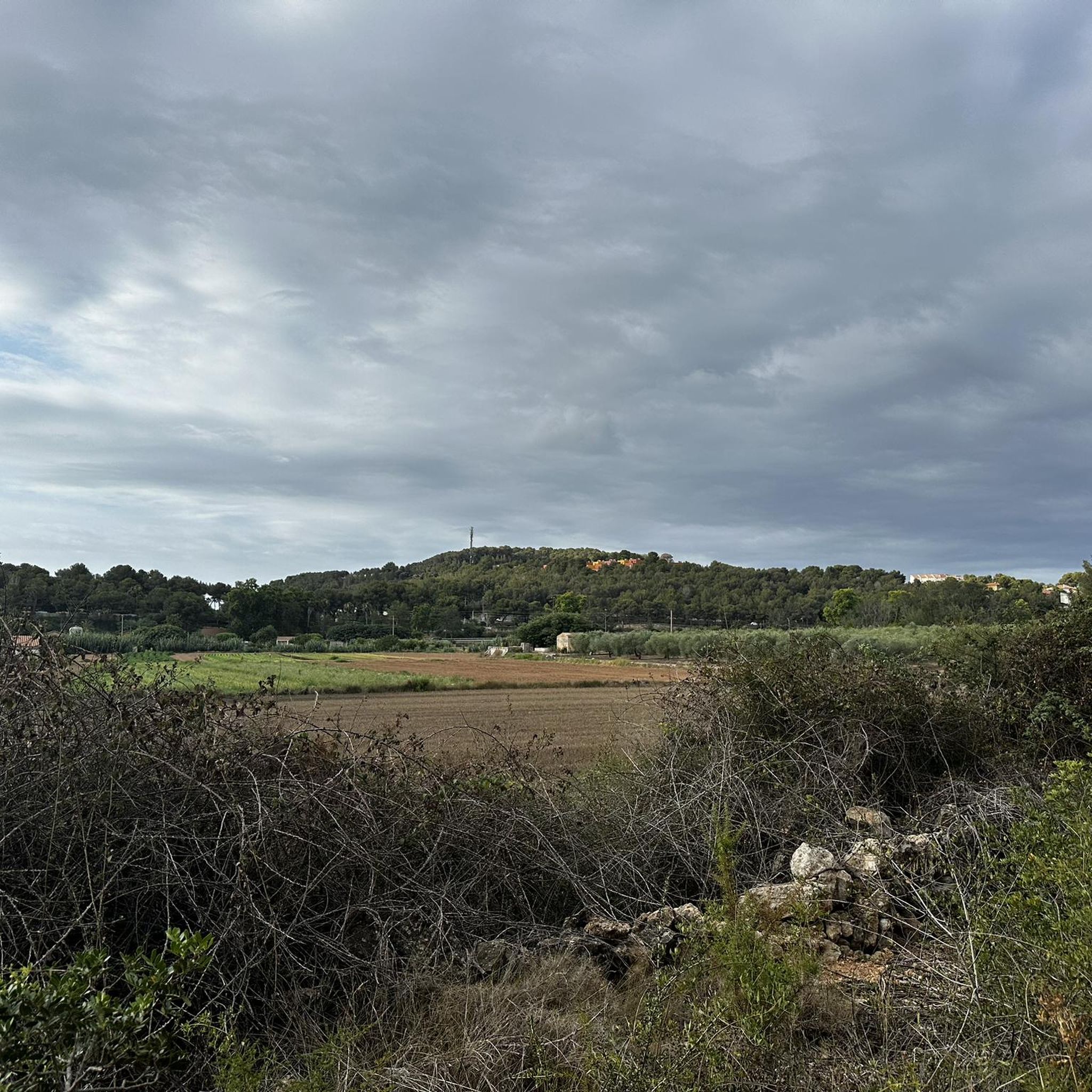
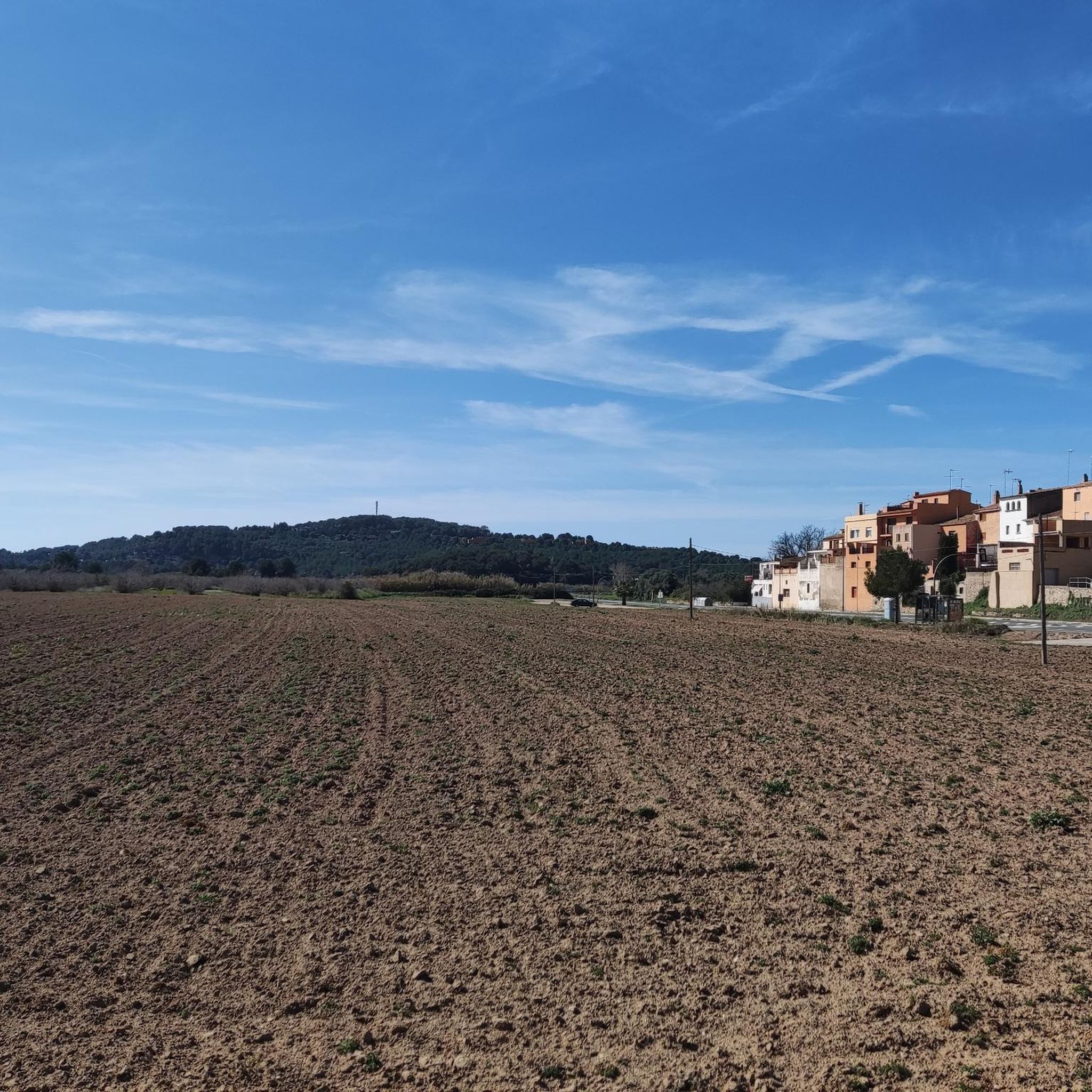
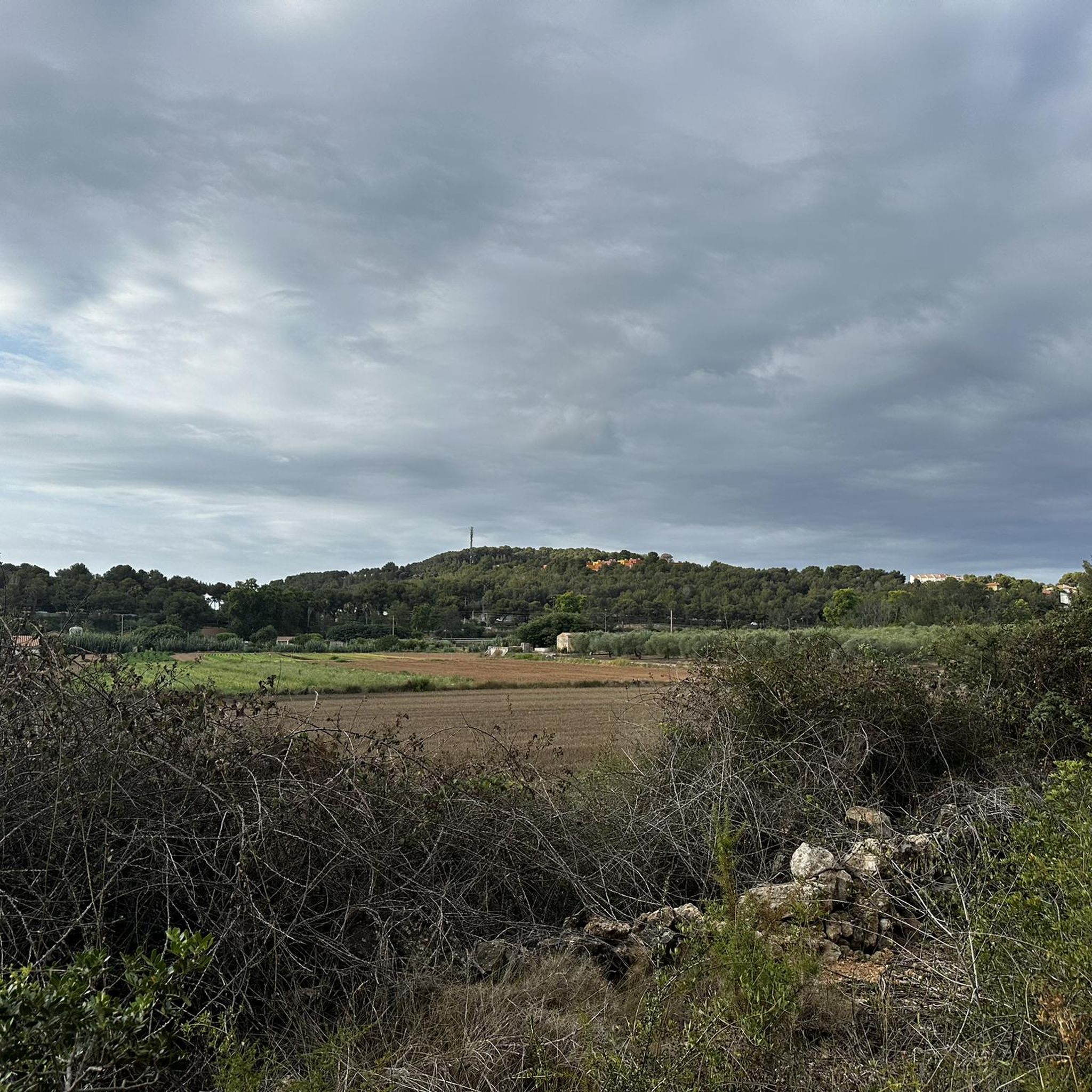
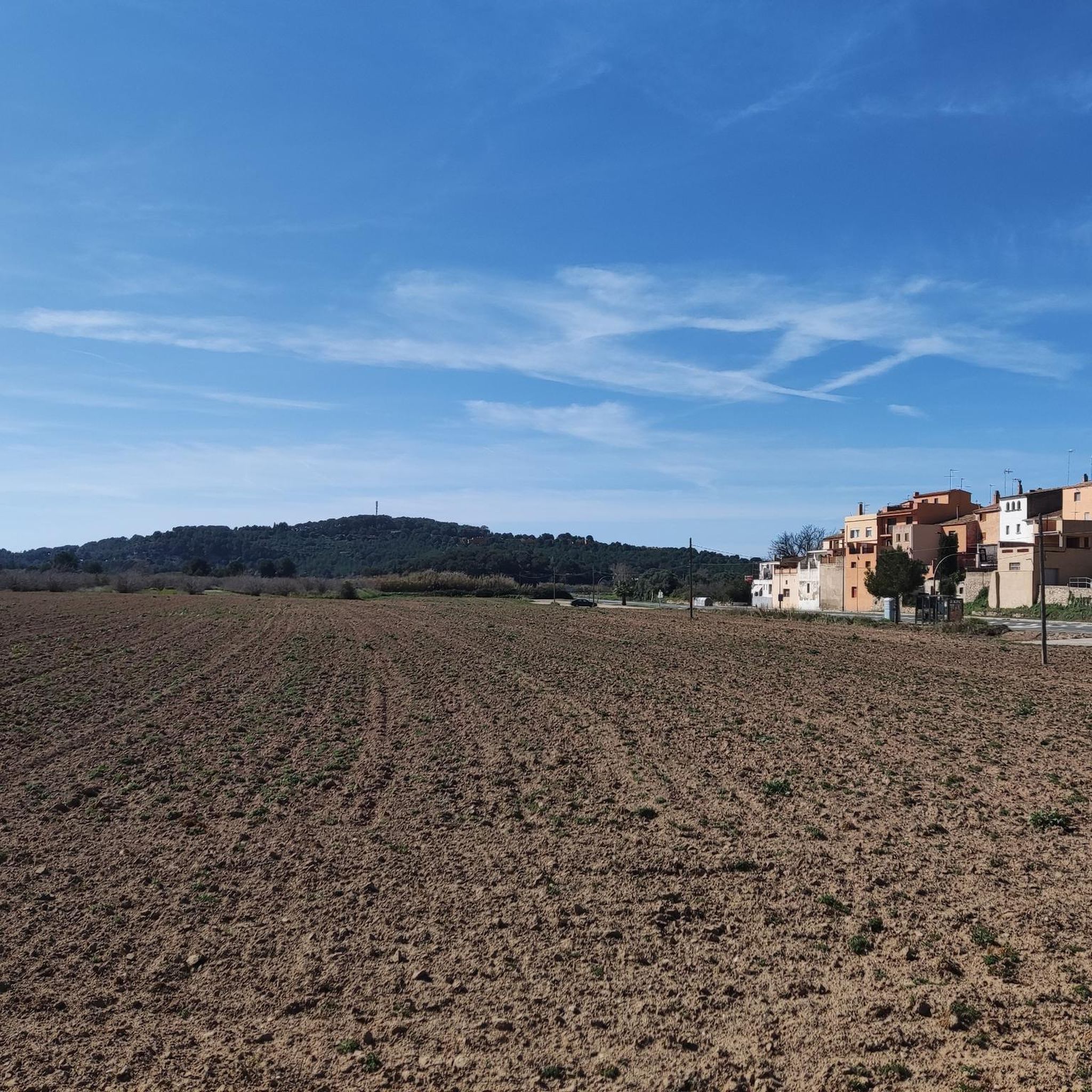
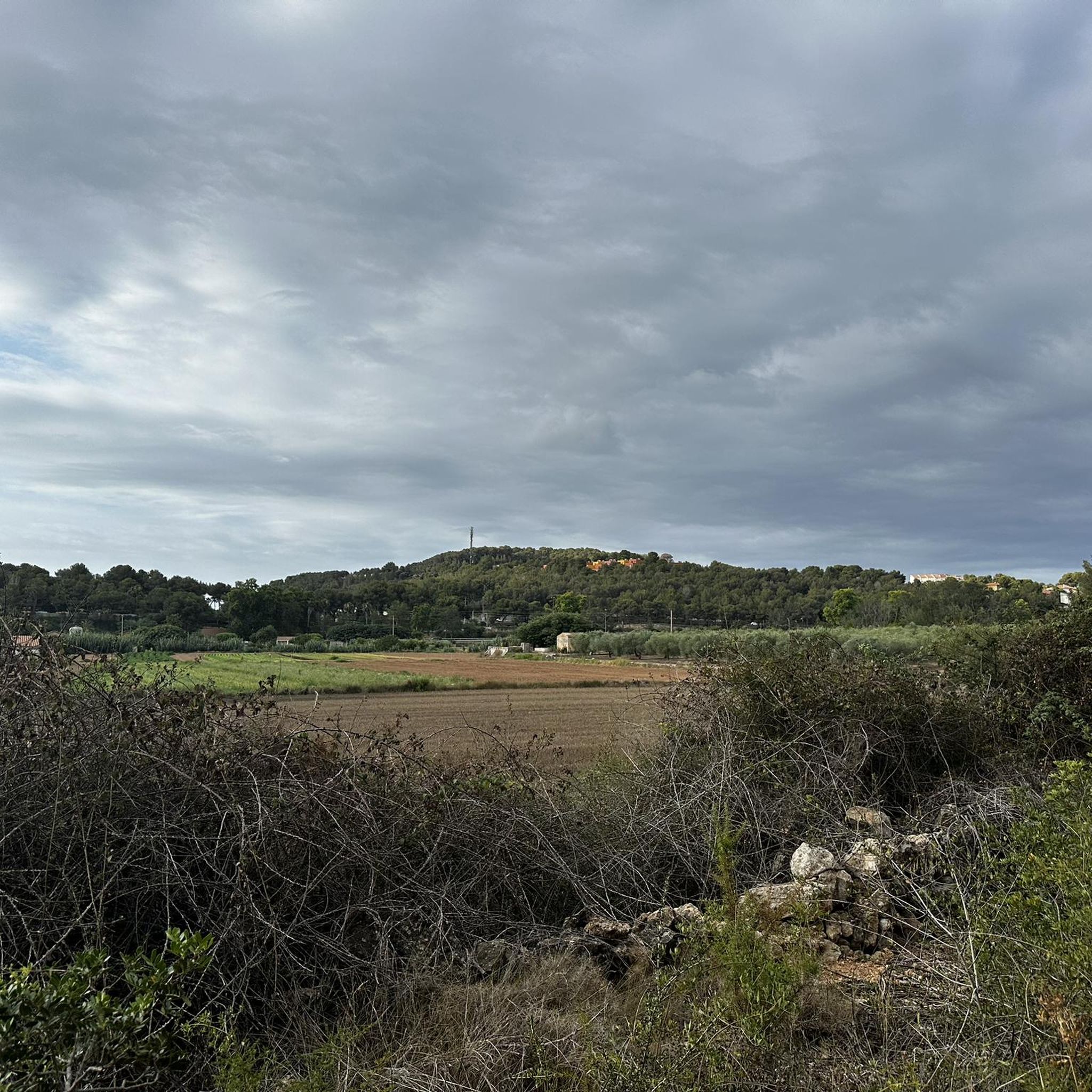
Best attractions and places to see around La Riera De Gaià include historical landmarks, cultural sites, and natural beauty in the Camp de Tarragona region. Situated in the Gaià River valley, the area features forests and agricultural lands, offering significant natural value. This region provides a blend of medieval history and natural environments for exploration.
Best attractions and places to see around La Riera De Gaià
- The most popular attractions is Tarragona Roman Amphitheatre, a historical site that could house up to 15,000 spectators. It was built in the 2nd century AD, sited close to the forum of this provincial capital.
- Another must-see spot is Les Ferreres Aqueduct (Devil's Bridge), a Roman aqueduct that spans more than 200 meters. This ancient structure from the 1st century is popular for hiking trails and picnic spots.
- Visitors also love Tamarit Castle, a walled castle located on the shores of the Mediterranean Sea. Built during the 12th century, it combines Romanesque, Gothic, and Renaissance architectural styles.
- La Riera De Gaià is known for its historical sites, natural landscapes, and coastal attractions. The area offers a variety of attractions to see and explore, from ancient Roman structures to medieval castles and scenic beaches.
- The attractions around La Riera De Gaià are appreciated by the komoot community, with more than 300 upvotes and over 200 photos shared by visitors.
Last updated: May 9, 2026
Tarragona Roman Amphitheatre
Highlight • Historical Site
Tip by

Les Ferreres Aqueduct (Devil's Bridge)
Highlight • Bridge
Translated by Google •
Tip by

Sign up now to discover places like this
Get recommendations on the best single tracks, peaks, & plenty of other exciting outdoor places.
Sign up for free
Cathedral of Tarragona
Highlight • Religious Site
Translated by Google •
Tip by

Tamarit Castle
Highlight • Castle
Translated by Google •
Tip by

Cala Roca Plana
Highlight • Beach
Translated by Google •
Tip by
Sign up for free to discover even more attractions around La Riera De Gaià.
Sign up for free
Already have an account?
Start today with a free account
Your next adventure awaits.
Login or Signup

Tips from the Community

Great building, very well preserved. You can cross it at the top. It's definitely worth a visit 🤩
2
1
Super beautiful building. Very well preserved. Definitely worth a visit 🤩
2
0

From the street of William J. Bryan, which connects the beach with the historic center and upper area of Tarragona, you have a privileged view of the amphitheater of Tarraco, ruins of the Roman town.
1
0

The Castillo stands directly on the sea between cliffs and the beach. It has a venerable look!
0
0
Very beautiful, natural beach. The rocks of the bay have an impressive yellow color. You can only get to the beach on foot (through the forest).
1
0
It is undoubtedly the most important historical monument in Tarraco, at the foot of the beach and overlooking the sea. A fine end point for a legendary route. We'll be back.
0
0

Route highly recommended throughout the year.
2
0

Ancient Roman aqueduct from the 1st century, popular for idyllic hiking trails and picnic spots.
4
0
Frequently Asked Questions
What historical landmarks can I explore directly within La Riera De Gaià?
Within the town of La Riera De Gaià, you can visit the Baroque-style Church of Santa Margarida, dating from the 18th century, and Casa Borràs, a noble building from the late 16th century with a distinctive Gothic facade. The ruins of Montoliu Castle, also known as "el Castellot," offer a glimpse into the area's 12th-century medieval past.
Are there any significant natural attractions in La Riera De Gaià?
Yes, La Riera De Gaià is nestled in the picturesque Gaià River Valley, offering beautiful natural environments with forests and agricultural lands ideal for walks. A unique natural landmark within the town center is the Centenarian Plane Tree, declared a Monumental Tree, which stands over 27 meters tall.
What Roman-era sites are accessible near La Riera De Gaià?
The region boasts impressive Roman heritage. You can visit the Tarragona Roman Amphitheatre, a grand 2nd-century AD structure that once held 15,000 spectators. Another must-see is Les Ferreres Aqueduct (Devil's Bridge), a magnificent 1st-century Roman aqueduct spanning over 200 meters, perfect for hiking and picnics.
Can I visit any medieval castles or fortresses in the vicinity?
Absolutely. Besides the local Montoliu Castle ruins, you can explore Tamarit Castle, a beautifully preserved walled castle from the 12th century located right on the Mediterranean coast. It showcases a blend of Romanesque, Gothic, and Renaissance architectural styles.
What kind of beaches or coves are near La Riera De Gaià?
For beach lovers, the area offers stunning coastal spots. Jovera Cove is a small, unspoilt cove with fine golden sand, nestled at the foot of Tamarit Castle. Another beautiful option is Cala Roca Plana, known for its impressive yellow rocks and accessible via a forest path.
Are there opportunities for hiking or cycling around La Riera De Gaià?
Yes, the municipality offers an excellent network of roads and trails for both hiking and cycling. You can explore the cultivated areas and forests, especially along the Gaià River. For specific routes, check out the hiking guide or the MTB trails guide for the area, which include routes like the 'Gaià River Mouth loop' and the 'ronda verde del Baix Gaià'.
What are some family-friendly attractions in the region?
Many attractions around La Riera De Gaià are suitable for families. The Tarragona Roman Amphitheatre and Les Ferreres Aqueduct offer historical exploration combined with open spaces. The beaches like Jovera Cove provide a relaxing environment, and the numerous hiking and cycling paths along the Gaià River Valley are great for active families.
Where can I learn about the region's agricultural history?
The area around La Riera De Gaià is rich in agricultural history, particularly evident in its ancient flour mills. You can visit sites like Molí de la Torre, Molí del Mig, and Molinet, which still retain parts of their original mechanisms, offering insight into past agricultural practices.
What is the best time of year to visit La Riera De Gaià for outdoor activities?
The Camp de Tarragona region generally enjoys a Mediterranean climate. Spring (April-May) and autumn (September-October) are ideal for outdoor activities like hiking and cycling, offering pleasant temperatures and lush landscapes. Summer can be warm, but coastal breezes make beach visits enjoyable.
Are there any unique local traditions or gastronomy to experience?
La Riera De Gaià is known for its rich traditions, often celebrated during local festivals featuring elements like giants, devils, and grallers. Gastronomically, the area is famous for its native green pepper, a sweet, tender, and fleshy variety used in many local stews, offering a unique culinary experience.
What are some hidden gems or less-known spots to discover?
Beyond the main attractions, consider exploring the network of paths along the Gaià River for tranquil walks, or seeking out the various ancient flour mills like Molí de la Torre for a glimpse into local history. The natural beauty of Cala Roca Plana, accessible through a forest, also offers a more secluded beach experience.
What do visitors enjoy most about the attractions around La Riera De Gaià?
Visitors particularly appreciate the blend of historical depth and natural beauty. The Roman sites like the Tarragona Roman Amphitheatre and Les Ferreres Aqueduct are highly praised for their historical significance and scenic surroundings. The well-preserved Tamarit Castle on the coast also receives many positive comments for its views and historical charm.
Most popular routes around La Riera De Gaià
Most popular attractions around La Riera De Gaià

Get inspired with the komoot mobile app


Explore more
Still not found the Highlight you’re looking for? See guides of the top attractions in other regions:
