The best cycling routes around Fuente Encalada
17
riders
9
rides
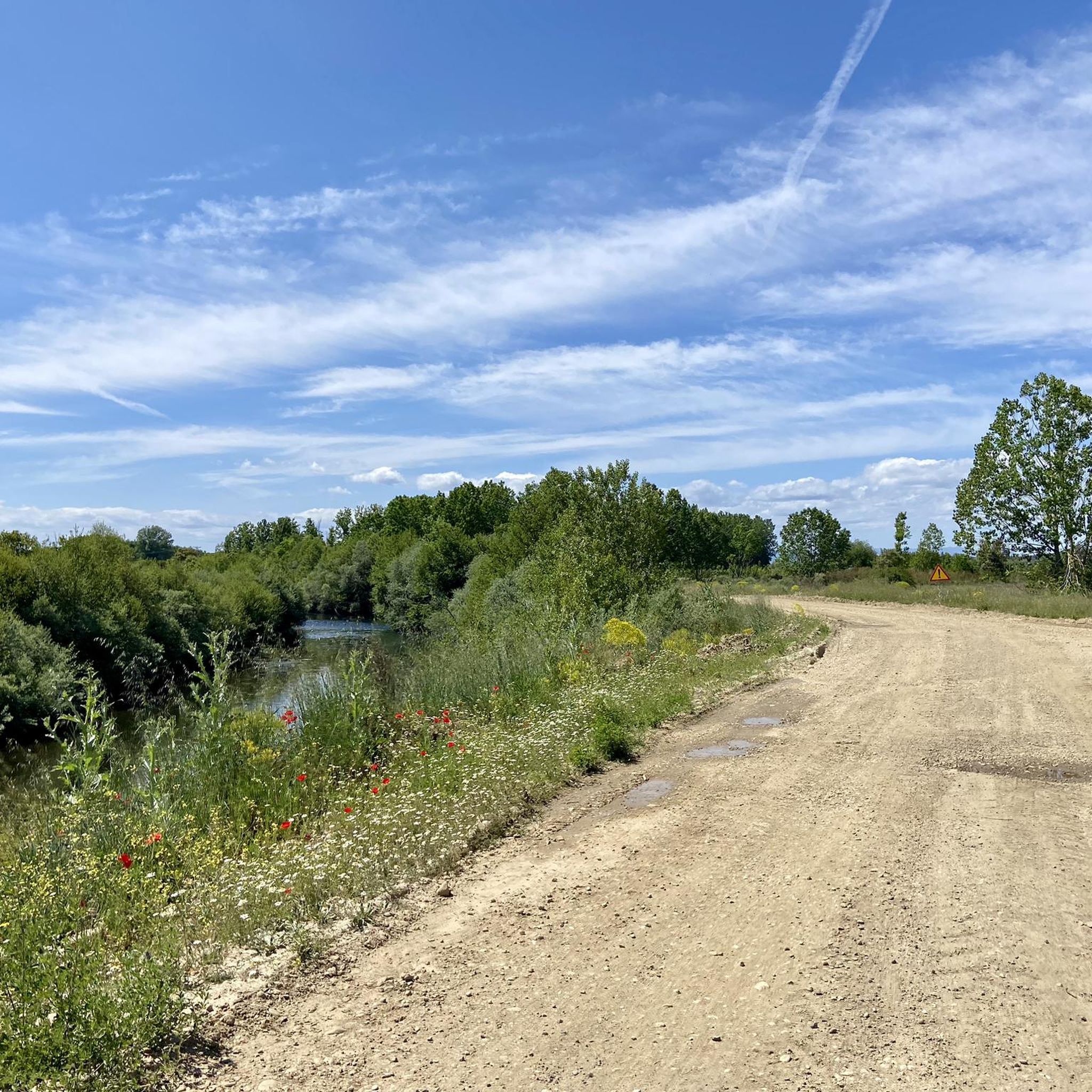
Touring cycling routes around Fuente Encalada traverse a landscape characterized by river valleys and historical sites. The region features varied terrain, including moderate climbs and longer, more challenging paths, suitable for different cycling preferences. The routes often follow natural waterways like the Eria River and pass through areas with historical significance, such as ancient Roman camps. This area provides opportunities for both leisurely rides and more demanding cycling adventures.
Best touring cycling routes around Fuente Encalada
- The most popular touring…
Last updated: July 17, 2026
74.4km
05:05
510m
510m
Hard bike ride. Very good fitness required. Mostly paved surfaces. Suitable for all skill levels.
36.3km
02:40
250m
250m
This moderate 22.6-mile touring cycling route explores the Benavente y los Valles region, featuring riverside forests and historical sites.

Sign up for free
4
riders
25.8km
02:21
190m
190m
Moderate bike ride. Good fitness required. Mostly paved surfaces. Suitable for all skill levels.
2
riders
Hard bike ride. Good fitness required. You may need to push your bike for some segments of this route.
2
riders
Moderate bike ride. Good fitness required. Mostly paved surfaces. Suitable for all skill levels.
Get access to more routes and recommendations from other explorers.
Sign up for free
Already have an account?
Our route recommendations are based on thousands of hikes, rides, and runs completed by other people on komoot.
Start today with a free account
Your next adventure awaits.
Login or Signup



Tips from the Community

Castrocalbón is a place with a rich history and several points of interest that you can visit. Castrocalbón Castle: Although in ruins, it is a fascinating testimony to the medieval architecture and history of the region. San Pedro Church: A church with Romanesque and Gothic elements, which houses interesting altarpieces and sculptures. Hermitage of the Virgin of the Rosary: A place of local devotion, with simple architecture and a peaceful setting.
0
0
Castrocalbón Castle is an ancient fortress located in the town of Castrocalbón, in the province of León. Built in the Middle Ages, the castle has gone through various phases of construction and destruction over the centuries. Today, only a few remains remain, such as a rammed earth wall plastered with mortar and an ashlar arch. In the past, the castle had several archways and walls that have been compared to the Berber kasbahs of the High Atlas.
2
0

Another iconographic reference of Castrocalbón is this iron bridge over the Eria River built in the 1920s and which, despite the inconveniences it causes at this time, being quite narrow, already changes its image has become a symbol of Castrocalbón. A new bridge is currently in use a short distance from the old one, which is (for the time being) maintained due to its historical value.
1
0

On December 20, 1164, the widow of the Noble Vela Gutiérrez, Doña Sancha Ponce, transferred to the Cistercian Order of Santa María de Moreruela all the possessions and belongings of the territory of Nogales in hereditary right so that they could build another monastery that would be called Santa María from Nogales. From this moment and until the monks abandoned the monastery, in the mid-19th century, the Eria Region was governed according to the guidelines of the Order. This settlement established the model of repopulation and new management at all levels; social, cultural, agricultural and economic. At the same time it marked the appearance of the Villa de Nogales, which was initially made up of the servants and servants of the Monks. Without a sumptuous construction, Santa María de Nogales is located according to the criteria of the Cistercian order: a valley of fertile lands, abundance of water, and impressive solitude. For more than seven centuries it stood out for being the cradle of great men, an emporium of letters and science, where royal advisors and professors for the University of Alcalá emerged. Currently, only the ruins and remains of its greatness remain: scattered walls, the belfry of the Church and the main entrance arch with its heraldic shield. However, the surrounding area, fertile orchard, abundant vegetation, fruit trees and the waters of the Eria River, invite you to relax, contemplate and enjoy nature.
1
0

Arrabalde is a small town located between the Eria River and the Sierra de Carpurias that rises above it at 1000 meters above sea level. Head to the main square to admire the local church.
1
0
At an altitude of 1000 meters above sea level, there is a rocky outcrop, used to house animals and smugglers. Spectacular views of Arrabalde below.
1
1
A beautiful hiking route along the crest of the Sierra de Carpurias. Panoramic views of the surrounding valleys. The road reaches a small wild rock settlement, called the robbers' fort, at an altitude of 1,000 meters above sea level.
2
0
Nature is reclaiming its place around the ruins of this 16th and 17th century monastery. The building was looted several times and eventually fell into disrepair.
2
0
Frequently Asked Questions
What are the difficulty levels of touring cycling routes around Fuente Encalada?
The touring cycling routes in Fuente Encalada offer a mix of challenges. There are 4 moderate routes and 4 difficult routes available. The terrain often includes varied landscapes with moderate climbs and some more demanding paths, traversing river valleys and historical areas.
What kind of distances and durations can I expect on touring cycling routes in Fuente Encalada?
Routes vary in length and time commitment. For instance, the Bike loop from Nogarejas is about 16 miles (25.8 km) and typically takes around 2 hours 20 minutes. Longer options, like the Roman Camp of Petavonium from Castrocontrigo - circular by the Eria River, extend to 46.2 miles (74.4 km) and can take over 5 hours.
Are there any family-friendly touring cycling routes suitable for all ages in Fuente Encalada?
While there are no routes specifically categorized as 'easy' in this selection, some of the moderate routes might be suitable for families with older children or those accustomed to cycling. It's always recommended to check the route details, including elevation gain and surface, to ensure it matches your family's abilities.
Are there circular touring cycling routes available in Fuente Encalada?
Yes, several routes are designed as loops, allowing you to start and end in the same location. A notable example is the Roman Camp of Petavonium from Castrocontrigo - circular by the Eria River, which offers a comprehensive circular journey.
What historical sites or landmarks can I explore along the touring cycling routes?
The region is rich in history. Many routes pass by or near significant historical sites. You can explore the Ruins of the Royal Monastery of Santa María de Nogales, the Gothic Arch of the Palace of Castrocalbón, or the ancient Roman Camp of Petavonium. The Vidriales Valley and Petavonium Camp Trail specifically leads to the Petavonium Camp.
Are there any viewpoints or scenic spots on the touring cycling routes?
The routes often follow natural waterways like the Eria River and traverse varied terrain, offering scenic views of river valleys and rural landscapes. While specific viewpoints aren't always marked, the natural beauty of the region provides many picturesque spots, especially along the riverbanks and from higher elevations.
What is the best time of year for touring cycling in Fuente Encalada?
The region's climate generally makes spring and autumn ideal for touring cycling, offering pleasant temperatures and vibrant natural scenery. Summer can also be suitable, though it might be warmer, while winter cycling is possible but may require appropriate gear for colder conditions.
Is public transport available to access the touring cycling routes?
Fuente Encalada is a rural area, and public transport options directly to trailheads may be limited. It is advisable to check local bus schedules or consider driving to a starting point, especially for routes that begin in smaller villages or more remote locations.
Where can I park my car when starting a touring cycling route?
Specific parking information for each route is not always detailed, but generally, you can find parking in the villages where routes begin or near popular trailheads. Always ensure you park responsibly and respect local regulations.
What kind of terrain will I encounter on the touring cycling routes?
The routes feature varied terrain, including paved roads, gravel paths, and some unpaved sections, often following river valleys. You can expect moderate climbs and descents, with some routes offering more challenging ascents and varied surfaces.
Are there any other notable attractions near the cycling routes?
Beyond historical sites, you might encounter other interesting points. For example, the Eria Bridge in Castrocalbón is a notable structure, and the Granucillo Castle offers another glimpse into the region's past. The Castro de las Labradas – Arrabalde Church loop from San Esteban de Nogales is another route that passes through areas with historical significance.
Are there opportunities for wildlife spotting along the trails?
Cycling through the river valleys and rural landscapes of Fuente Encalada provides opportunities to observe local wildlife. Keep an eye out for various bird species and other small animals that inhabit the natural areas surrounding the routes.
Most popular routes around Fuente Encalada
Most popular attractions around Fuente Encalada

Get inspired with the komoot mobile app


Explore more
Browse the best Cycling routes in other regions.
