The best walks and hikes around A Pobra Do Brollón
4.0
(26)
219
hikers
35
hikes
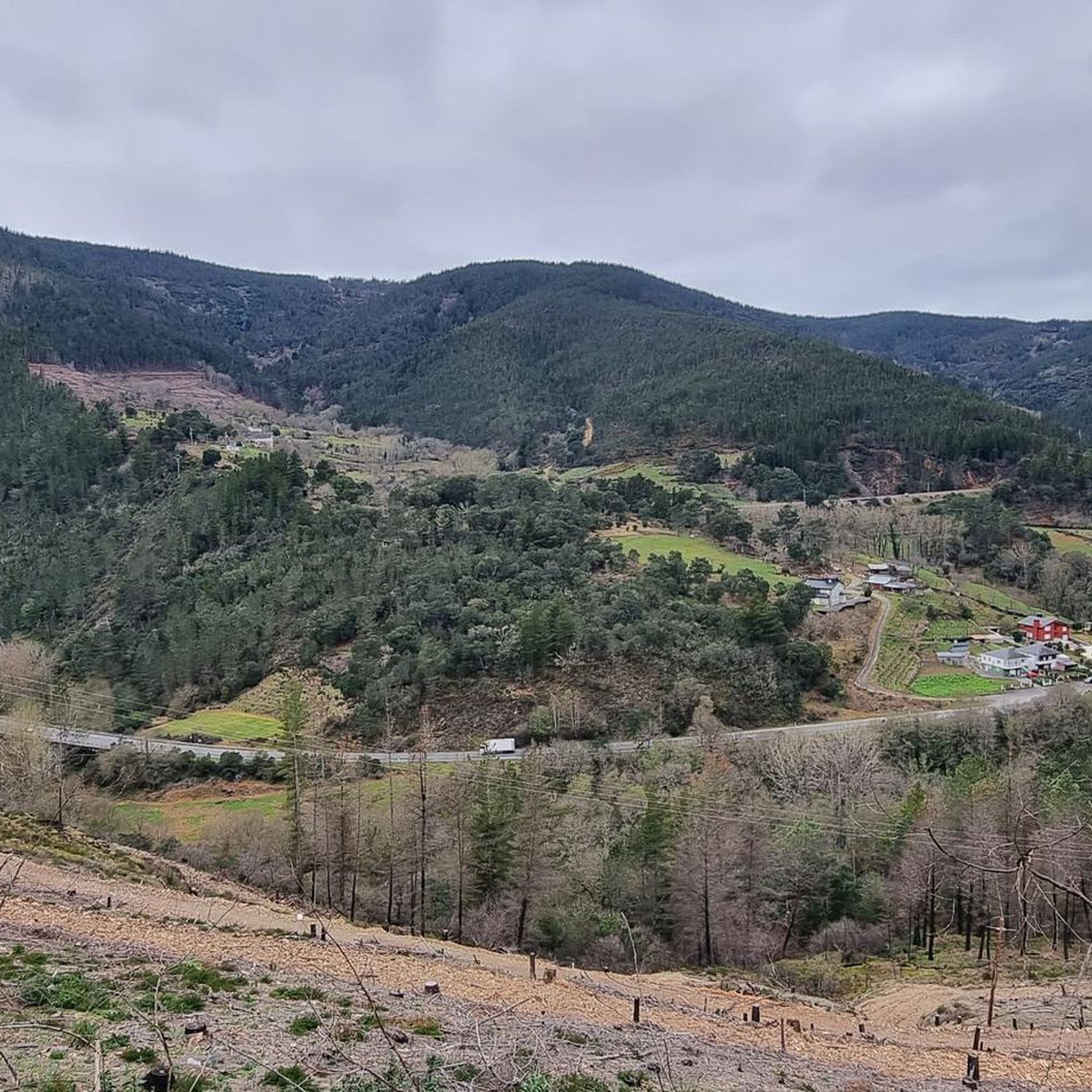
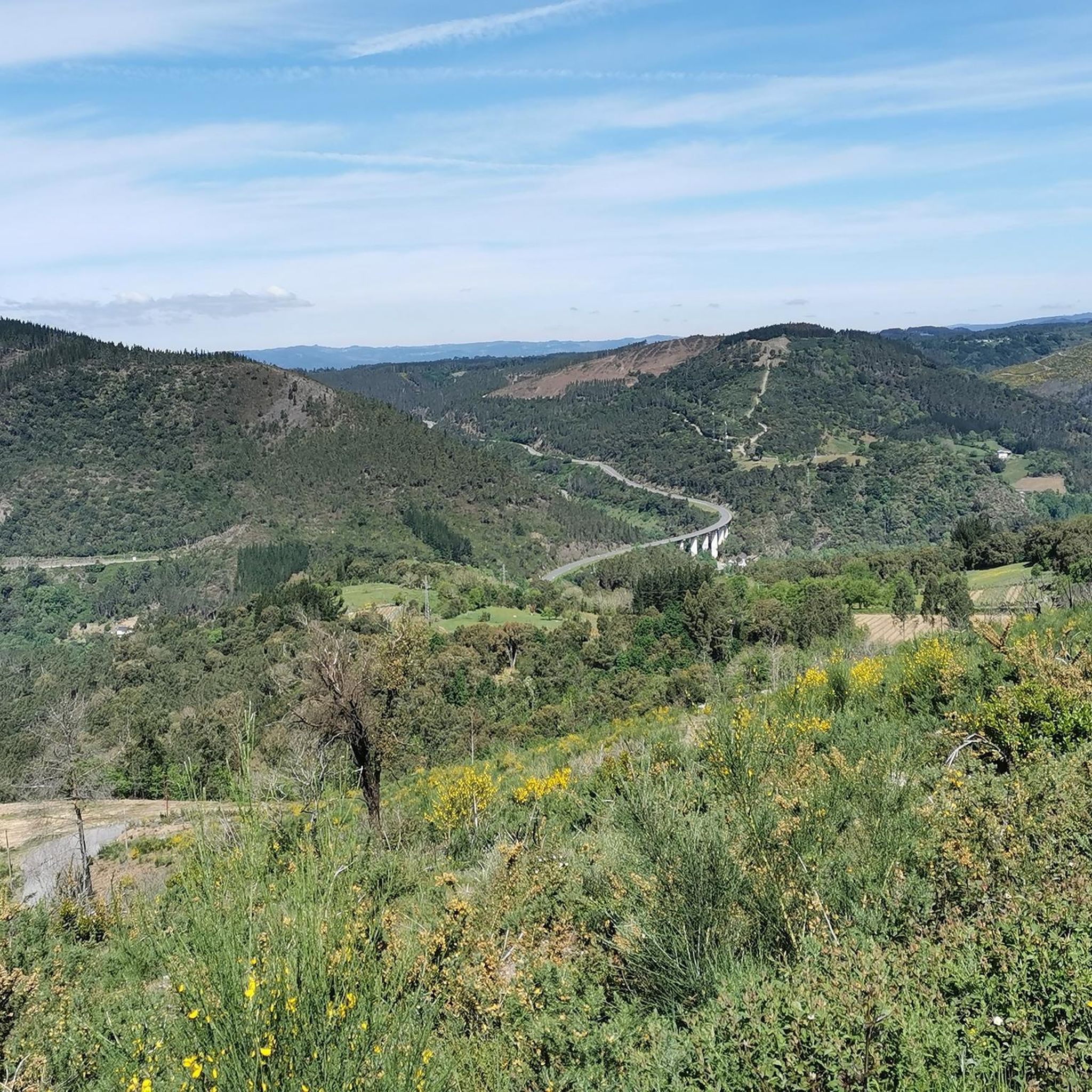
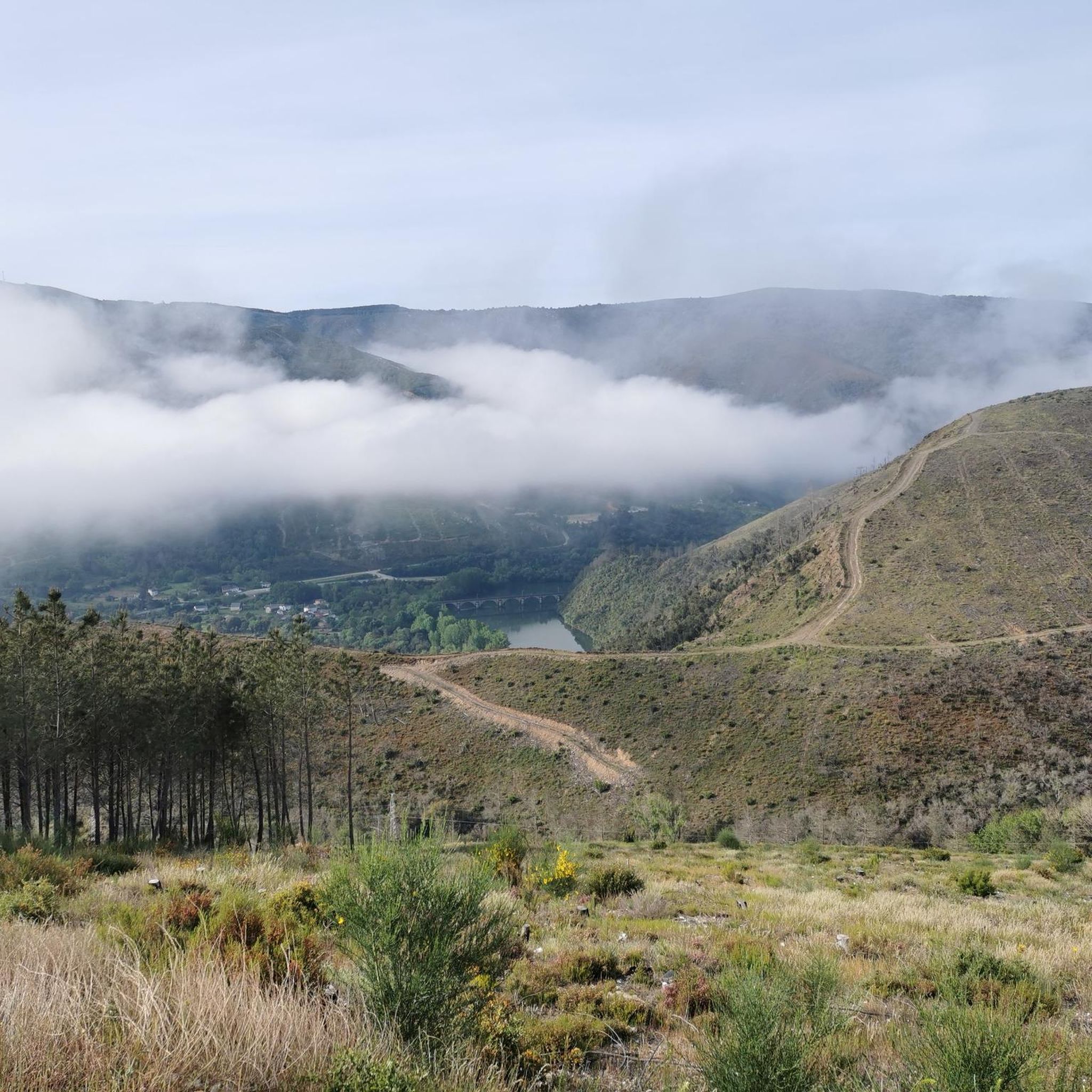
Hiking around A Pobra Do Brollón offers diverse experiences within a mountainous landscape in the south of Lugo province, Galicia. The region features significant elevations, including Pena dos Catro Cabaleiros at 1,131 meters, providing panoramic views of the Terra de Lemos valley and the Serra do Courel UNESCO Global Geopark. The area is characterized by streams, waterfalls, natural pools, and pine forests, nestled within the broader Ribeira Sacra region. This topography provides a variety of hiking trails suitable for different…
Last updated: October 17, 2026
4.7
(3)
6
hikers
14.4km
03:59
240m
240m
Hike the moderate 9.0-mile Vilasouto Reservoir Trail, gaining 795 feet in under 4 hours, exploring churches and the reservoir.
2
hikers
16.5km
05:07
610m
610m
Hike the difficult 10.3-mile Route of Gold and Iron through Montañas do Courel Geopark, exploring mining history and cultural landmarks.

4.0
(5)
35
hikers
22.6km
06:06
290m
290m
Hard hike. Very good fitness required. Easily walkable paths.
11
hikers
7.08km
01:48
20m
20m
Easy hike. Easily walkable paths.
9
hikers
10.5km
03:27
480m
470m
Moderate hike. Good fitness required. Easily walkable paths.
Get access to more routes and recommendations from other explorers.
Already have an account?
Our route recommendations are based on thousands of hikes, rides, and runs completed by other people on komoot.
Start today with a free account
Your next adventure awaits.
Tips from the Community

The Saa River is a tributary of the Sarria River, which in turn flows into the Miño River, and runs through the eastern part of the Ribeira Sacra e Serras do Oribio e Courel Biosphere Reserve, in the province of Lugo. This small river crosses valleys and native forests in municipalities such as Samos and Triacastela, very close to the French Way of the Camino de Santiago. [turismo.ri...asacra.org]
8
0
The Porta Nova of Monforte de Lemos is one of the most important vestiges of the city's medieval walls and is of great historical and architectural value. It was rebuilt after the Irmandiña War (1467–1469), a popular revolt against the Galician nobility. It is located in the historic center of Monforte de Lemos, near the Monastery of San Vicente do Pino and the Parador de Turismo, and forms part of the city's monumental complex.
4
0
Parque dos Condes is one of Monforte de Lemos' most iconic green spaces, ideal for strolling, relaxing, or enjoying time with the family. The grounds originally belonged to the Escolapios School and were transferred to the city council in 1990. Since then, they have been transformed into a public park with ample free parking.
4
0
The Plaza de España in Monforte de Lemos is an emblematic place in the city. In this square is the Casa de la Cultura, a building that belonged to D. Pedro Boo Pita, a former mayor and scholar of Monforte de Lemos. The square is known for its cultural importance and its central location in the municipality.
6
0

It is part of the two entrance gates to the Complex, Porta Nova and Porta de Alcazaba.
1
0
The Convent of the Clarisas of Monforte is a place with a rich history that dates back to its foundation in 1622. It was founded by Catalina de la Cerda y Sandoval and Pedro Fernández de Castro, VII Counts of Lemos1. This convent was initially inhabited by Clarissan nuns from Lerma, in Burgos. The monastery was inaugurated on June 22, 1622 with a solemn procession and was named under the patronage of the Immaculate Conception. An interesting curiosity is that, although the convent is cloistered and does not allow visits to its interior, it houses the Museum of Sacred Art of the Clarisas of Monforte, one of the most important museums of sacred art in Spain. This museum has a collection that includes works of goldsmithing, painting, sculpture, reliquaries and religious ornaments, mainly from the 16th and 17th centuries. If you are interested in history and sacred art, it is definitely a place worth visiting, even if it is only its museum due to the access restrictions to the convent itself. 🌄😎🚶♀️
17
0
Large square from the 19th and 20th centuries, a point of passage to the Monumental Complex of San Vicente del Pino
1
0
Founded by the 7th Counts of Lemos, Don. Pedro Fernández and his wife ... Doña. Catalina de la Cerda, in the year 1622.. In charge of this Monastery are the Poor Clare nuns.. experts in Embroidery, and excellent confectioners and liquor makers. We have before us one of the most important Museums of Sacred Art in Spain. Inaugurated in 1646 Promoted by the 7th Counts of Lemos.
5
0
Frequently Asked Questions
What kind of hiking trails can I expect in A Pobra Do Brollón?
A Pobra Do Brollón offers a diverse range of hiking experiences, from easy strolls to more challenging ascents. The region is characterized by its mountainous terrain, river valleys, and varied forests, providing routes suitable for different ability levels. You'll find trails exploring local churches, scenic reservoirs, and paths winding through areas like the Montañas do Courel Geopark.
Are there any easy hiking trails suitable for beginners or casual walkers?
Yes, there are several easy trails. For instance, the Parque dos Condes loop from Monforte de Lemos is a 4.4-mile (7.1 km) trail that takes about 1 hour 50 minutes, leading through local parklands. Another easy option is the Town Hall loop from Monforte de Lemos, which is 3.7 miles (3.7 km) long.
What are some of the more challenging hikes in the area?
For those seeking a challenge, the Route of Gold and Iron is a difficult 10.3-mile (16.5 km) path that winds through the Montañas do Courel Geopark, offering significant elevation changes. Another demanding option is the Pilgrim's Bench of Quiroga – View After Asphalt Climb loop from Pico de Arcas, a 13.8-mile (22.3 km) difficult hike.
Are there any trails that feature waterfalls or natural pools?
The landscape around A Pobra Do Brollón is dotted with 'regatos, fervenzas y pozas naturales' (streams, waterfalls, and natural pools), providing picturesque spots. While specific trails dedicated solely to waterfalls aren't listed, many routes will traverse areas where these natural water features can be found, especially within the mountainous terrain and river valleys.
Can I find trails with panoramic viewpoints in A Pobra Do Brollón?
Absolutely. The region is known for its significant elevations. From the 1,131-meter summit of Pena dos Catro Cabaleiros, for example, you can enjoy panoramic views of the Terra de Lemos valley and the majestic Serra do Courel. The Pena de Matacás viewpoint and the Campodola-Leixazós Geological Viewpoint are also notable spots for stunning vistas.
What kind of natural landmarks or attractions can I see along the hiking trails?
Beyond the scenic trails, you can explore various natural and historical landmarks. The Lor River and Cabe River Trail offer beautiful riverside scenery. You might also encounter geological formations like Val das Mouras. For historical interest, there are highlights like Castro Caldelas Castle and Gate of the Tower of Homage nearby.
Are there any long-distance or multi-day hiking opportunities?
A Pobra Do Brollón serves as a convenient and well-serviced stopping point for pilgrims undertaking the Camino de Invierno, which is part of the larger Camino de Santiago network. This offers opportunities for longer, multi-day hiking experiences through the region.
What do other hikers say about the trails in A Pobra Do Brollón?
The routes in A Pobra Do Brollón are highly rated by the komoot community, with an average score of 4.0 stars from over 15 reviews. Hikers often praise the diverse terrain, from mountainous ascents to serene river valleys, and the opportunity to explore both natural beauty and cultural landmarks.
Is A Pobra Do Brollón a good base for exploring the wider Ribeira Sacra region?
Yes, A Pobra Do Brollón is ideally situated within the Ribeira Sacra region, making it an excellent base. This broader area is renowned for its unique landscapes, rich natural environment, and traditional way of life, including the iconic Sil river and its vineyards. Its central location allows for easy exploration of nearby significant areas like Monforte de Lemos and Quiroga.
Are there accommodations available for hikers in A Pobra Do Brollón?
Yes, the area offers various accommodations. Establishments like O Busto Aldea Rural provide cozy rural stays, while the local albergue (hostel) caters specifically to pilgrims and other visitors, often organizing ecological, gastronomic, and cultural activities.
What is the best time of year to go hiking in A Pobra Do Brollón?
While hiking is possible year-round, the summer months are popular, especially for enjoying the small swimming area created by damming the local river. Spring and autumn offer milder temperatures and vibrant natural colors, making them ideal for exploring the diverse landscapes without the peak summer heat.
Most popular attractions around A Pobra Do Brollón

Get inspired with the komoot mobile app


Explore more
Browse the best Hikes in other regions.
