The best MTB trails around Macharaviaya
4.3
(126)
1,581
riders
67
rides
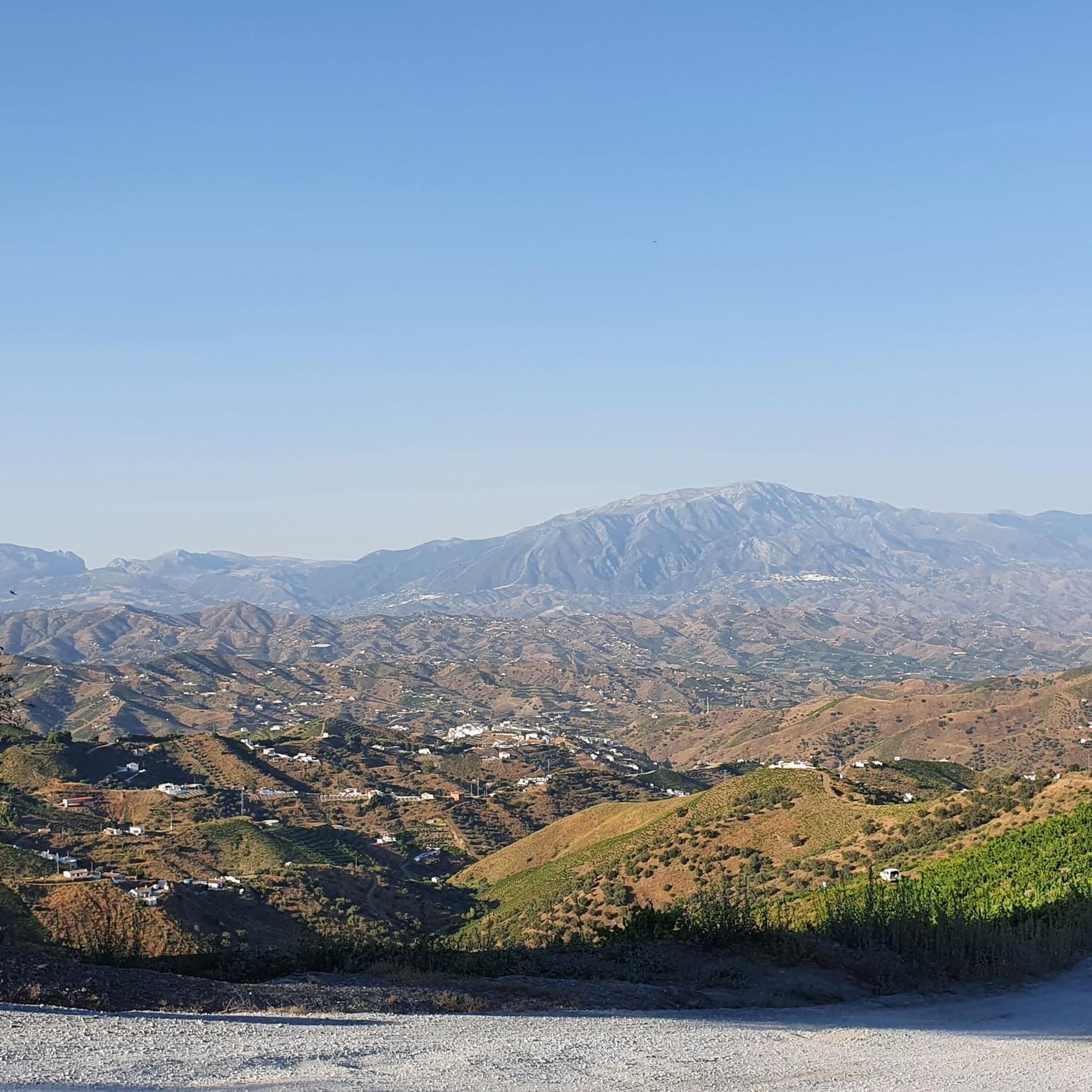
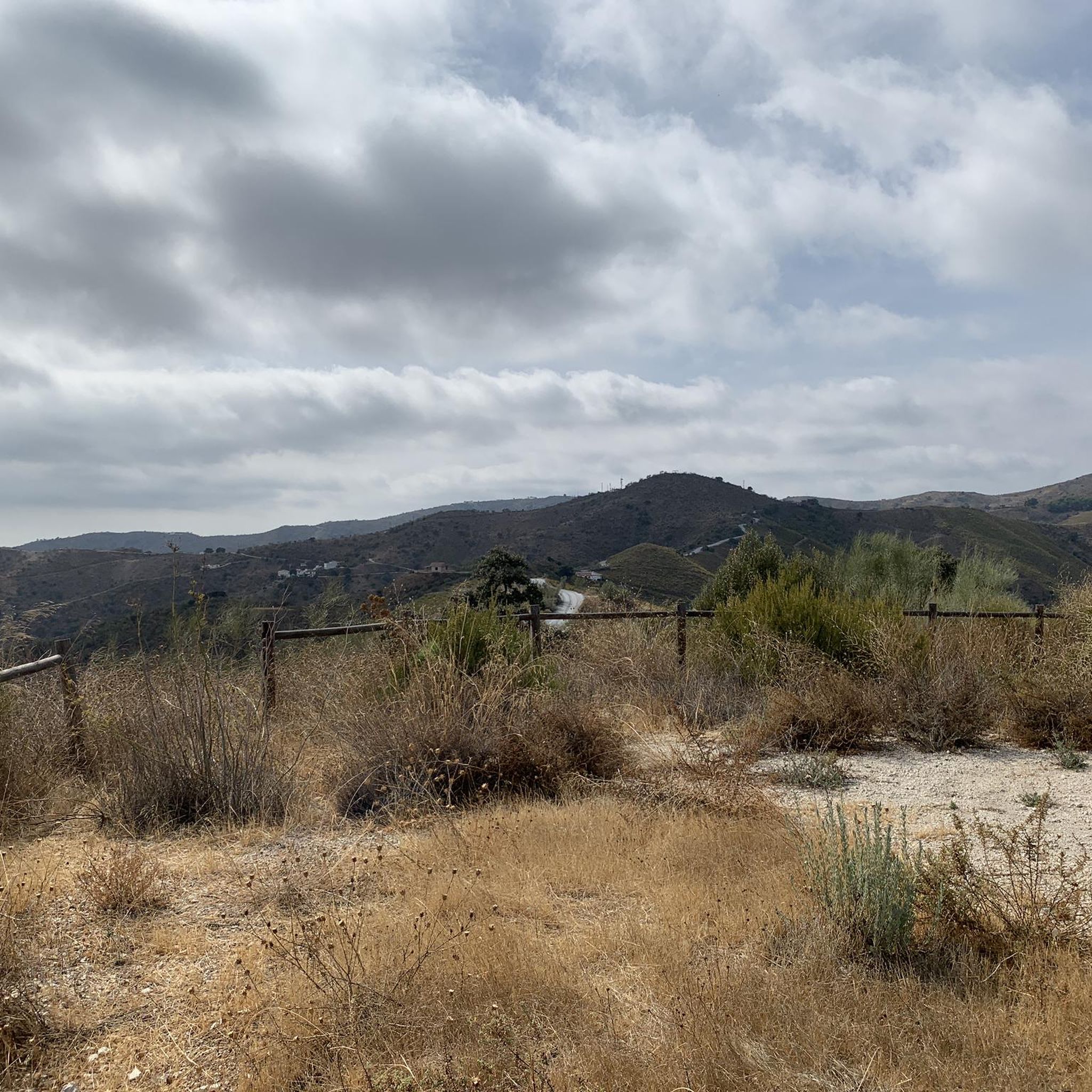
Mountain biking around Macharaviaya offers routes through rugged landscapes and diverse natural features in the Axarquía comarca of Málaga, Spain. The area is characterized by hills, including the Cerro de la Capellanía, and features Mediterranean bush and extensive vine plantations. Streams and steep cliffs contribute to the dramatic scenery, with higher elevations providing panoramic views of the Mediterranean Sea.
Best mountain bike trails around Macharaviaya
- The most popular mountain bike trail is Axarquía Coast and Inland Loop, a difficult…
Last updated: October 22, 2026
13
riders
47.6km
04:02
650m
650m
Hard mountain bike ride. Good fitness required. Advanced riding skills necessary. Some portions of the route may require you to push your bike.
4.8
(5)
93
riders
Moderate mountain bike ride. Good fitness required.

5.0
(1)
57
riders
49.2km
03:01
450m
450m
Hard mountain bike ride. Good fitness required. Advanced riding skills necessary. Some portions of the route may require you to push your bike.
3.7
(3)
70
riders
Easy mountain bike ride.
4.5
(4)
49
riders
Moderate mountain bike ride. Good fitness required.
Get access to more routes and recommendations from other explorers.
Already have an account?
Our route recommendations are based on thousands of hikes, rides, and runs completed by other people on komoot.
Start today with a free account
Your next adventure awaits.
Tips from the Community

The Casa Fuerte de Bezmiliana is one of the most emblematic buildings in Rincón de la Victoria and was built in 1766, during the reign of Charles III. Its function was to reinforce the defense of the coast against pirate attacks and invasions, complementing the area's watchtower system. With its square floor plan, robust walls, corner towers, and old moat, it is a good example of 18th-century coastal military architecture. Today it functions as a cultural space and hosts exhibitions and activities throughout the year.
1
0
The Rincón de la Victoria tunnels were excavated in the rock for the old train that connected Málaga with Vélez-Málaga. That train, popularly known as La Cochinita, transported passengers and goods until it stopped running in 1960. Today, crossing these tunnels is a curious way to glimpse the railway history of the Málaga coast, with sea views between one section and another.
1
0

"La Conchinita" was the popular name of a small suburban railway in Málaga that connected the city with the Guadalhorce Valley, particularly Coín, at the beginning of the 20th century. The railway was part of the Málaga–Coín line and played an important role in transporting passengers and agricultural products from the surrounding countryside into the city. It likely earned its affectionate nickname due to its small size and leisurely pace, a common practice at the time of giving trains endearments. With the development of road transport, the line gradually lost its importance and was finally closed in the mid-20th century. Today, "La Conchinita" stands as a nostalgic symbol of Málaga's former railway history.
3
0
The Bezmiliana Fortress was built in 1766 in present-day Rincón de la Victoria, in the province of Málaga, and is a typical example of 18th-century military coastal architecture. Its construction took place under the reign of King Charles III, in order to better protect the Andalusian Mediterranean coast against pirate raids and enemy fleets, as the older watchtowers were no longer able to cope with these threats. The fortress has a square floor plan with massive walls, corner towers, and a moat, and was designed to serve both defensive purposes and to house soldiers and horses. Over time, the fortress lost its military importance and partially fell into disrepair. It was only towards the end of the 20th century that it was extensively restored and put to a new use. Since 1992, the Bezmiliana Fortress has served as a cultural center, hosting exhibitions, concerts, and other events. Thus, it has evolved from a military defense structure into an important historical and cultural site in the region.
0
0

they are spectacular...
2
1
Benagalbón is a picturesque town that has retained its traditional charm. With its narrow streets and whitewashed houses, it exudes an authentic atmosphere. A small folklore museum provides insights into local history and traditions. The surrounding area combines cultural heritage with scenic beauty. Benagalbón is known for its lively festivals, especially the annual fiesta in September, which attracts visitors from across the region.
0
0
Benagalbón is a picturesque Andalusian town that has retained its traditional charm. With its narrow streets and whitewashed houses, it exudes an authentic atmosphere. A small folklore museum provides insights into local history and traditions. The surrounding area combines cultural heritage with scenic beauty and is particularly inviting for cyclists to explore the region in a relaxed manner.
2
0
The Casa Fuerte de Bezmiliana is a fortress in Rincón de la Victoria, built in 1766 during the reign of Charles III. It served as a military base to protect the coast from pirate attacks and enemy invasions. The threat from North African corsairs and British troops, in particular, made its construction necessary. Today, the fortress is used as a cultural center and serves as a venue for art exhibitions, concerts, and other cultural events. It is one of the most important historical buildings in Rincón de la Victoria and is a protected monument.
5
0
Frequently Asked Questions
How many mountain bike trails are there in Macharaviaya?
Macharaviaya offers a wide selection of over 60 mountain bike trails. These routes traverse the region's rugged landscapes, providing diverse experiences for riders.
Are there mountain bike trails suitable for beginners in Macharaviaya?
Yes, Macharaviaya has 13 easy mountain bike routes perfect for beginners. An example is the Torre del Cantal – La Cala del Moral Beach loop from Benagalbón, which is 11.2 miles (18.1 km) long and features gentle elevation changes.
What kind of terrain can I expect on mountain bike trails in Macharaviaya?
The terrain around Macharaviaya is characterized by rugged landscapes and hills, including the Cerro de la Capellanía. You'll encounter varied gradients, Mediterranean bush, extensive vine plantations, and potentially trails alongside streams or cliff edges, offering a mix of technical and scenic sections.
Are there any loop mountain bike trails around Macharaviaya?
Yes, many of the mountain bike trails in Macharaviaya are loops. For instance, the Torre de Albenda – Junction to Camino del Tunante loop from Torre de Benagalbón is a moderate 16.5 miles (26.6 km) route that takes you through scenic landscapes and returns to your starting point.
Which mountain bike trails offer the best panoramic views of the Mediterranean Sea?
Due to Macharaviaya's elevated position, many routes offer stunning vistas. Trails that climb higher into the hills, such as parts of the Axarquía Coast and Inland Loop, will provide fabulous panoramic views of the Axarquía coast and the Mediterranean Sea.
What is the best time of year for mountain biking in Macharaviaya?
While specific seasonal advice isn't provided, the Mediterranean climate suggests that spring and autumn offer the most pleasant temperatures for mountain biking. Summers can be very hot, and winters are generally mild, making it possible to ride year-round, though some stream crossings might be more challenging after heavy rains.
What historical or natural attractions can I explore near the mountain bike trails?
Beyond the trails, you can visit historical sites like the Church of San Jacinto or the Museo de Gálvez in Macharaviaya. Natural attractions include the Cerro Salazar Geodesic Vertex for views, or the Cueva del Tesoro, a notable cave nearby.
Is there parking available for mountain bikers in Macharaviaya?
While specific parking areas for mountain bikers are not detailed, Macharaviaya is a village with local amenities. You can typically find parking within or on the outskirts of the village, which serves as a good starting point for many routes.
What do other mountain bikers say about the trails in Macharaviaya?
The mountain bike trails around Macharaviaya are highly rated by the komoot community, with an average score of 4.2 stars from over 100 reviews. Riders often praise the varied terrain, the challenging climbs, and the rewarding coastal and inland views.
Are there mountain bike trails that pass through coastal areas?
Yes, some routes venture closer to the coast. The Paseo de la Marina – Coastal Section Near Málaga loop from Torre de Benagalbón is a difficult 30.6 miles (49.2 km) trail that leads through coastal areas, offering a different riding experience with sea breezes.
Are there any advanced mountain bike routes in Macharaviaya?
Macharaviaya offers 26 difficult mountain bike routes for experienced riders. These trails often feature more technical sections and significant elevation changes, such as the Coastal Section Near Málaga – Playa de Ferrara loop from Benagalbón, which is 38.2 miles (61.5 km) long.
Can I bring my dog on the mountain bike trails in Macharaviaya?
While many outdoor areas in Spain are dog-friendly, specific regulations for mountain bike trails in Macharaviaya are not provided. It's always advisable to keep dogs on a leash, especially in areas with wildlife or livestock, and to carry water for them.
Most popular routes around Macharaviaya
Most popular attractions around Macharaviaya

Get inspired with the komoot mobile app


Explore more
Browse the best MTB trails in other regions.
