The best cycling routes around Griovių geomorfologinis draustinis
4.6
(1381)
14,817
riders
326
rides
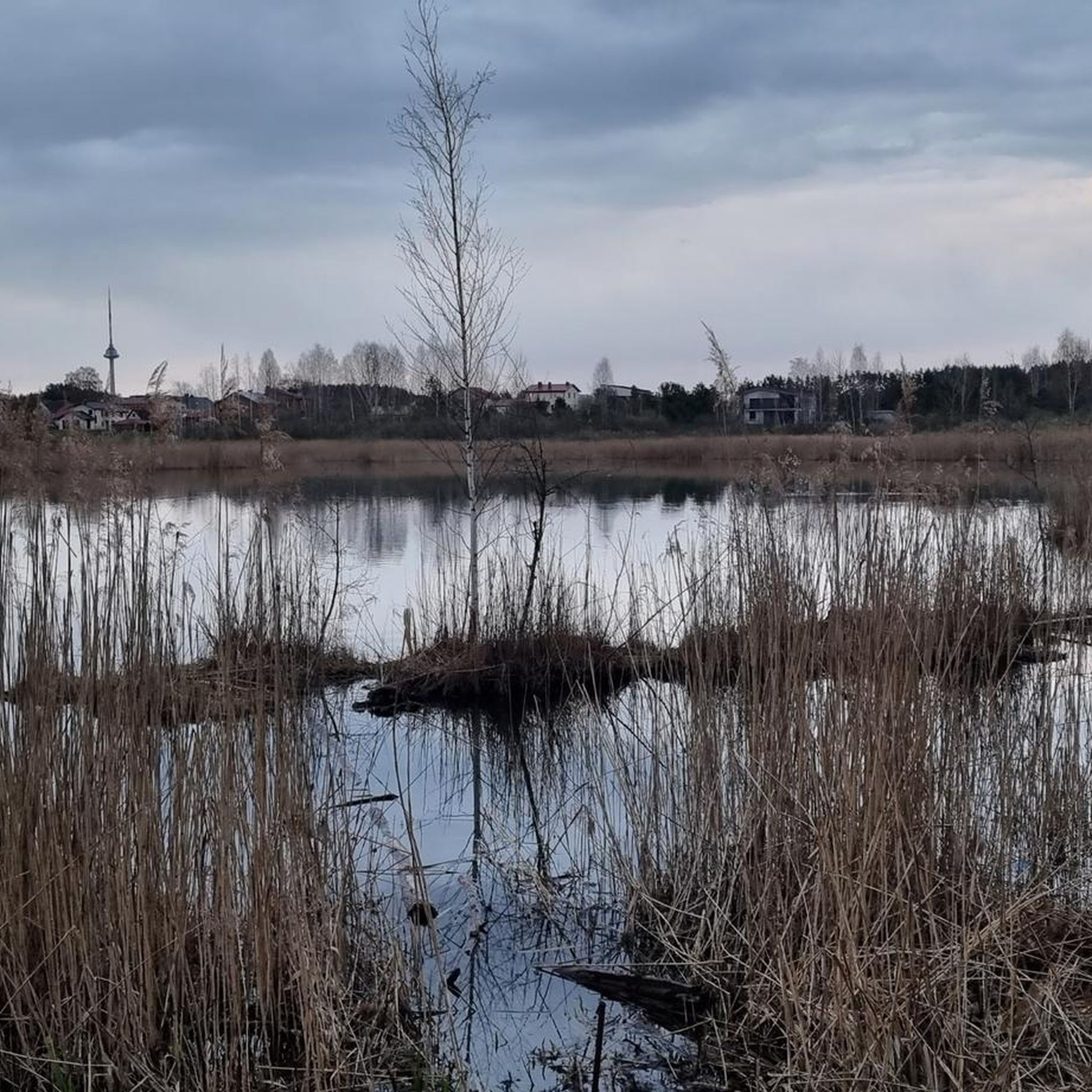
Touring cycling around Griovių geomorfologinis draustinis offers a diverse landscape for cyclists. The region, designated as a geomorphological reserve, features varied terrain with natural formations and gentle elevation changes. Cyclists can expect routes that traverse natural landscapes, providing a mix of experiences suitable for different skill levels. The area is characterized by its natural beauty, making it a suitable destination for those seeking outdoor cycling adventures.
Best touring cycling routes around Griovių geomorfologinis draustinis
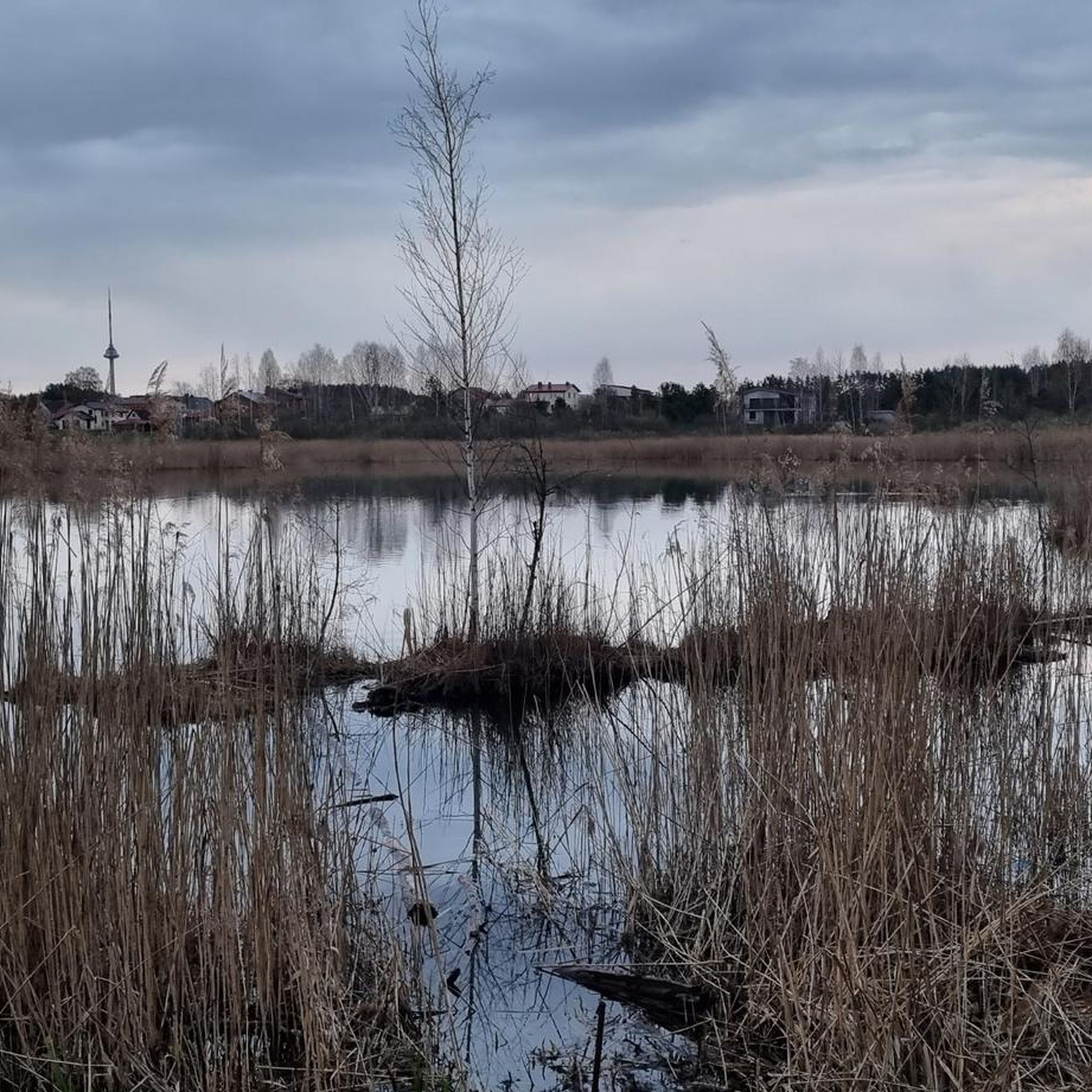
- The most popular touring cycling route is Bridge over Oslo Street – View of Vilnius from Gariūnai loop from Grigiškės, a 12.4 miles (19.9 km) trail that takes 1 hour 15 minutes to complete, offering views of Vilnius.
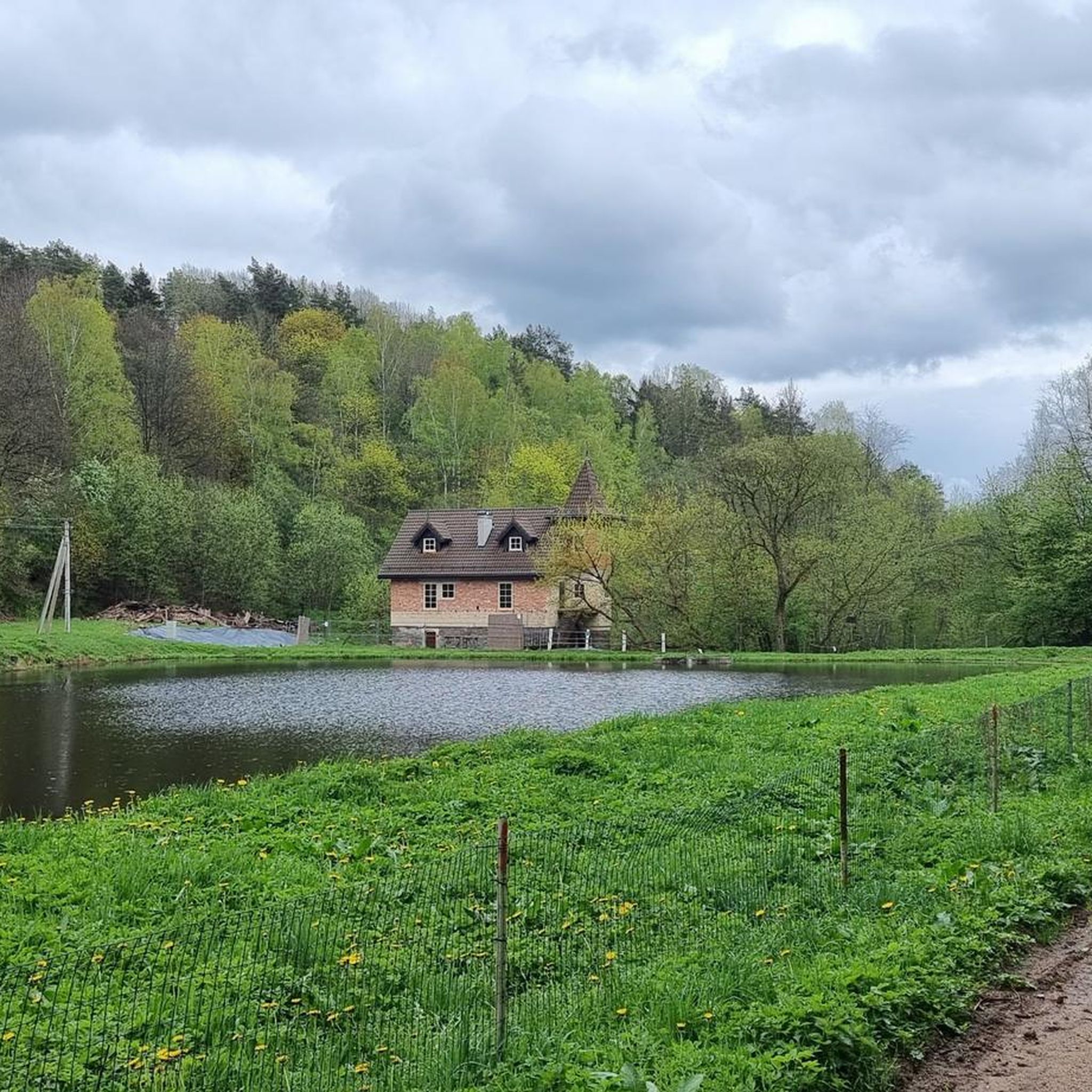
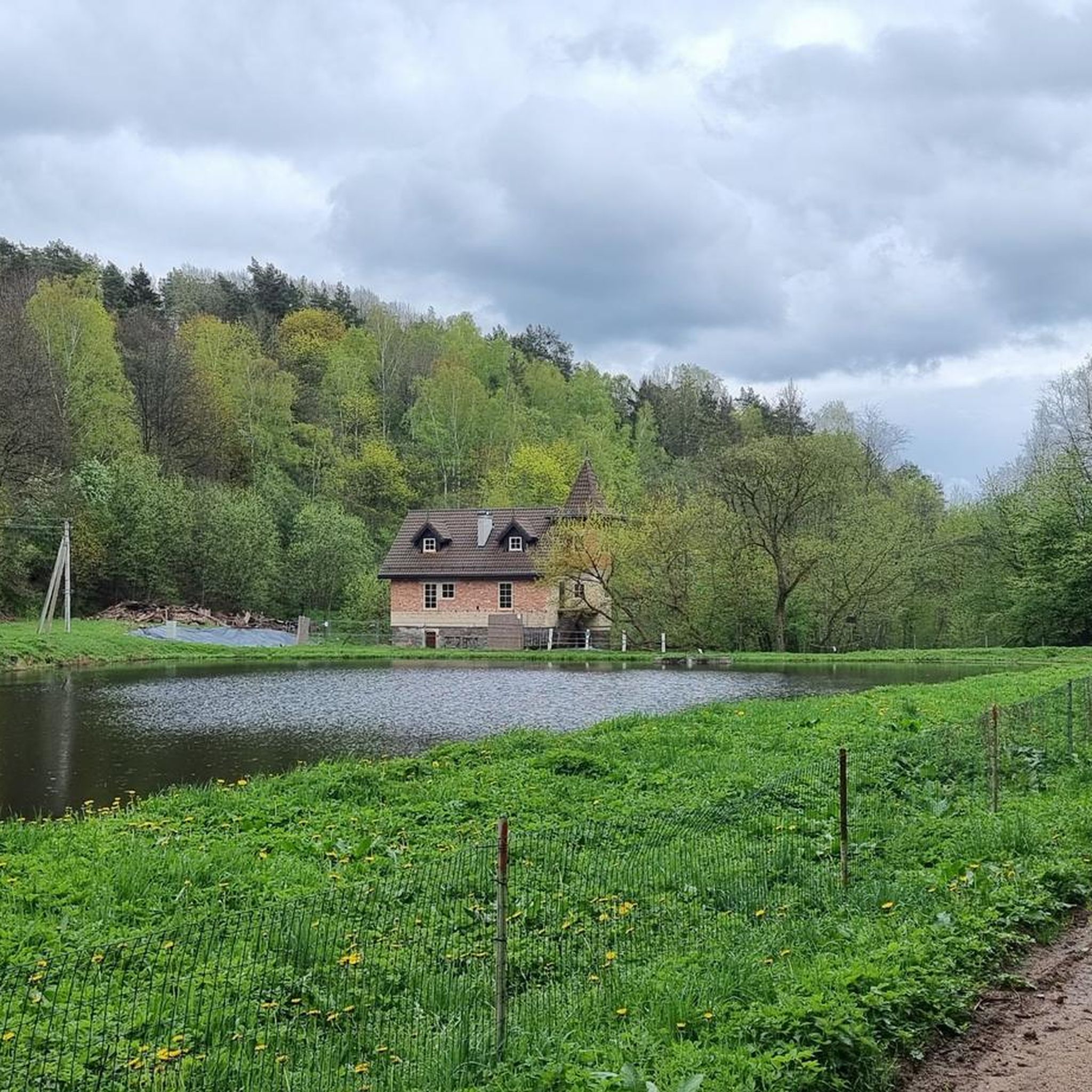
- Another top favourite among local touring cyclists is Pilaitė Watermill loop from Pilaitė, an easy 13.0 miles (21.0 km) path, winding through local scenery.
- Local touring cyclists also love the Vingis Park Bridge – Vingis Park Amphitheater loop from Pilaitė, a 11.5 miles (18.6 km) trail leading through parkland, often completed in about 1 hour 10 minutes.
- Touring cycling around Griovių geomorfologinis draustinis is defined by varied terrain, natural landscapes, and gentle elevation changes. The network offers options for easy, moderate, and difficult routes, catering to different ability levels.
- The routes in Griovių geomorfologinis draustinis are highly rated by the komoot community with an average score of 4.6 stars from over 1,300 reviews. More than 14,700 touring cyclists have used komoot to explore Griovių geomorfologinis draustinis's varied terrain.
Last updated: May 9, 2026
4.5
(4)
15
riders
Moderate bike ride. Good fitness required. Mostly paved surfaces. Suitable for all skill levels.
5.0
(4)
60
riders
21.0km
01:21
140m
140m
Easy bike ride. Great for any fitness level. Mostly paved surfaces. Suitable for all skill levels.

Sign up for free
4.6
(7)
58
riders
18.8km
01:11
150m
150m
Easy bike ride. Great for any fitness level. Mostly paved surfaces. Suitable for all skill levels.
5.0
(1)
29
riders
21.7km
01:30
130m
130m
Easy bike ride. Great for any fitness level. Mostly paved surfaces. Suitable for all skill levels.
5.0
(3)
22
riders
24.4km
01:37
180m
180m
Moderate bike ride. Good fitness required. Mostly paved surfaces. Suitable for all skill levels.
Get access to more routes and recommendations from other explorers.
Sign up for free
Already have an account?
Our route recommendations are based on thousands of hikes, rides, and runs completed by other people on komoot.
Start today with a free account
Your next adventure awaits.
Login or Signup
Popular around Griovių geomorfologinis draustinis
Tips from the Community

January 13th is a special day here, it is the day on which 14 civilians lost their lives for the independence of Lithuania in 1991 and is celebrated here in a big way and went down in history as Bloody Sunday Bloody Night
0
0

Paneriai educational trail
0
0


The Liepų alėja, an avenue of small lime trees that stretches between the park's event stage and the 7.5-hectare Vingio section of the Vilnius University Botanical Garden, is simply breathtaking. The avenue, which was declared a protected botanical natural heritage site in 1996, was created on the site of a former manor house. A summer spa house was built here in 1857 on the initiative of the military governor of Vilnius, V. Nazimov, and the large park created at that time still gives the place a special flair today. For cyclists and nature lovers alike, this location offers a perfect opportunity to experience Vilnius' urban culture in a relaxed and natural environment.
0
0

The cycling path on the bridge is rather slippery in winner.
1
0

The memorial complex of the Tuskulėnai Rimties Park, located on the territory of the Tuskulėnai Manor, reminds visitors of the tragic events of the 20th century. events of Lithuanian history. During the Soviet occupation, the nationalized Tuskulėnai manor became a place where the Soviet system hid its crimes. After the restoration of Lithuania's independence, the remains of 724 people were found on the territory of the former manor, which were later reburied in the chapel-columbarium. You will learn more details about the atrocities of the totalitarian Soviet regime by visiting the exhibition "Secrets of Tuskulėnai Manor".
2
0
In the 18th century, the ruins of the palace built by Piro of Vitebsk Voivodeship and named Pyromont are mentioned in this place. The Neo-Gothic style building was built in 1894-1897. Hilarijus Raduškevičius, a doctor and member of the Vilnius city smoke, resigned. The palace was built according to the project of the architect Julian Januszewski. 1900 after the death of H. Raduskeviciis, the palace passed to his brother's son M. Raduskeviciis. 1911 the palace was bought by the second guild merchant Israel Donskoy. He founded the footwear factory "Progres" in the V building. 1923 the palace was bought by the brothers L. and I. Zinger, the owners of the glass factory. At that time, the administration of the glass factory and 21 apartments were located in the palace. 1939 the palace went to Kazimier Burba, a Lithuanian who came from Riga. After World War II, the palace housed a military unit, later a dormitory of the Vilnius Pedagogical Institute, and an ambulance station. In 1962-63, with the installation of a public transport stop and adaptation of the former Felix Dzerzhinskis (now Kalvarijus) street for larger traffic, half of the palace was demolished - the western building and the western end of the northern building.
2
0

The Neris (Lithuanian Neris, Polish Wilia, Belarusian Вілія, Wilija) is a river in Belarus and Lithuania. It rises in northern Belarus, flows through the Lithuanian capital Vilnius and the medium-sized town of Jonava and flows into the Neman in Kaunas. On the Belarusian side, it is dammed up at Vileyka to form the Vileiskoye reservoir. In Vilnius, the river is partly concreted in, but otherwise natural and not straightened. In Kernavė, on the banks of the Neris, are the remains of the old Lithuanian ruler's residence, which are under UNESCO protection (Wikipedia).
2
1
Frequently Asked Questions
How many touring cycling routes are available in Griovių geomorfologinis draustinis?
There are over 320 touring cycling routes in Griovių geomorfologinis draustinis, offering a wide variety of options for different skill levels and preferences.
What are the difficulty levels of touring cycling routes in Griovių geomorfologinis draustinis?
The routes in Griovių geomorfologinis draustinis cater to all abilities. You'll find approximately 140 easy routes, 130 moderate routes, and 59 more challenging options for experienced cyclists.
Are there family-friendly touring cycling routes in Griovių geomorfologinis draustinis?
Yes, the region offers many easy routes suitable for families. An excellent option is the Pilaitė Watermill loop from Pilaitė, which is 21.0 km long and winds through local scenery, perfect for a relaxed family outing.
What kind of terrain can I expect on touring cycling routes in Griovių geomorfologinis draustinis?
Griovių geomorfologinis draustinis is characterized by varied natural landscapes and gentle elevation changes. Cyclists can expect a mix of paved paths and natural surfaces, traversing forests, open areas, and along water bodies, providing a diverse cycling experience.
Are there options for advanced touring cyclists in Griovių geomorfologinis draustinis?
Yes, for advanced touring cyclists seeking more challenging rides, there are nearly 60 difficult routes available. These routes often feature longer distances or more significant elevation gains, providing a good workout.
What are some good touring cycling routes for beginners in Griovių geomorfologinis draustinis?
Beginners have plenty of choices with over 140 easy routes. Consider the Vingis Park Bridge – Vingis Park Amphitheater loop from Pilaitė, an 18.6 km trail through parkland, or the Vilnius TV Tower – Vilnius TV Tower loop from Padekaniškės, which is 21.8 km and offers gentle cycling.
When is the best time of year for touring cycling in Griovių geomorfologinis draustinis?
The best time for touring cycling in Griovių geomorfologinis draustinis is typically from late spring to early autumn (May to September). During these months, the weather is generally mild and pleasant, and the natural scenery is at its most vibrant. Winter cycling is possible but requires appropriate gear for colder conditions.
Are there circular touring cycling routes in Griovių geomorfologinis draustinis?
Many of the touring cycling routes in Griovių geomorfologinis draustinis are circular, allowing you to start and end at the same point. For example, the popular Bridge over Oslo Street – View of Vilnius from Gariūnai loop from Grigiškės is a moderate 19.9 km loop offering views of Vilnius.
Can I find longer touring cycling routes in the Griovių geomorfologinis draustinis area?
While many routes are around 20 km, you can find longer options. For instance, the King Mindaugas Bridge – Žirmūnai Bridge loop from Pilaitė is a moderate 24.3 km route, providing a more extended ride through the area.
What do other cyclists say about touring cycling in Griovių geomorfologinis draustinis?
The touring cycling routes in Griovių geomorfologinis draustinis are highly regarded by the komoot community, with an average rating of 4.6 stars from over 1,300 reviews. Cyclists often praise the varied terrain, natural beauty, and the well-maintained paths that make for an enjoyable experience.
Is parking available for touring cyclists in Griovių geomorfologinis draustinis?
As Griovių geomorfologinis draustinis is a natural reserve located near urban areas, parking is generally available at common starting points or nearby public parking facilities. It's advisable to check specific route descriptions on komoot for detailed parking information near your chosen starting point.
How can I reach Griovių geomorfologinis draustinis by public transport for cycling?
Given its proximity to Vilnius, Griovių geomorfologinis draustinis is accessible by public transport, particularly buses, from the city. Many routes start from areas like Pilaitė or Grigiškės, which are well-connected. Check local public transport schedules for the most convenient stops near your desired route's starting point.
Most popular routes around Griovių geomorfologinis draustinis

Get inspired with the komoot mobile app


Explore more
Browse the best Cycling routes in other regions.
