Attractions and Places To See around Poyales Del Hoyo - Top 20
Best attractions and places to see around Poyales Del Hoyo are found in the Tiétar Valley, offering a blend of natural landscapes and cultural heritage. This municipality features well-preserved traditional architecture and a tranquil atmosphere. The area is characterized by its proximity to the Sierra de Gredos, providing access to natural features like the Río Arbillas and various historical sites.
Best attractions and places to see around Poyales Del Hoyo
- The most popular attractions is Monument to the Iberian Ibex at Nogal del Barranco, a man-made monument located 4 kilometers from Guisando. This site features a metal sculpture of a male mountain goat and serves as a starting point for several mountain routes in the Sierra de Gredos.
- Another must-see spot is San Pedro de Alcántara Sanctuary, a religious building and historical site near Arenas de San Pedro. This complex includes a Royal Chapel, Sacristy, and museums, housing works by artists like Goya and Murillo, and the tomb of San Pedro de Alcántara.
- Visitors also love Aquelcabos Medieval Bridge, a historical bridge in Arenas de San Pedro. Built in the 11th century, it features three arches and was historically used by travelers and shepherds.
- Poyales Del Hoyo is known for its traditional architecture, historical sites, and natural swimming spots. Visitors can explore churches, museums, and natural pools along the Río Arbillas.
- The attractions around Poyales Del Hoyo are appreciated by the komoot community, with 44 upvotes and 20 photos shared by visitors.
Last updated: July 20, 2026
Aquelcabos Medieval Bridge
Highlight • Bridge
It consists of three arches, the central one being the largest of all. Its firm has been restored with cobblestone imitating the original. On both sides there is a one meter high stone parapet and various parts of its layout have been repaired with cement.
Translated by Google •
Tip by

Monument to the Iberian Ibex at Nogal del Barranco
Highlight • Monument
Translated by Google •
Tip by
Sign up now to discover places like this
Get recommendations on the best single tracks, peaks, & plenty of other exciting outdoor places.
Sign up for free
San Pedro de Alcántara Sanctuary
Highlight • Religious Site
Declared a national historical-artistic monument in 1972, this place also houses a museum with iconographic material of the saint, sacred works by, among others, Goya, Murillo and Pedro de Mena; as well as a library created in 1562, attached to the convent, with 18,000 volumes dating from the 16th century to the present, including an incunabulum, and a convent archive.
The place can be visited from Tuesday to Sunday with split hours and depending on religious celebrations.
More information: turismoavila.com/web/puntos_de_interes/visor/index.php?iid=5b21368723781-87
Translated by Google •
Tip by

Centenera Pass
Highlight (Segment) • Mountain Pass
Translated by Google •
Tip by

Castle of Arenas de San Pedro
Highlight • Castle
The castle is Gothic in style, built in the 15th century. Popularly known as “the Sad Countess” castle.
Translated by Google •
Tip by

Sign up for free to discover even more attractions around Poyales Del Hoyo.
Sign up for free
Already have an account?
Start today with a free account
Your next adventure awaits.
Login or Signup



Tips from the Community

This village is located in the Sierra de Gredos mountains (Ávila) and is famous for its natural surroundings, the Castle of Constable Dávalos, the Mosquera Palace, and the Eagle Caves. It is also ideal for hiking and rural tourism.
7
0

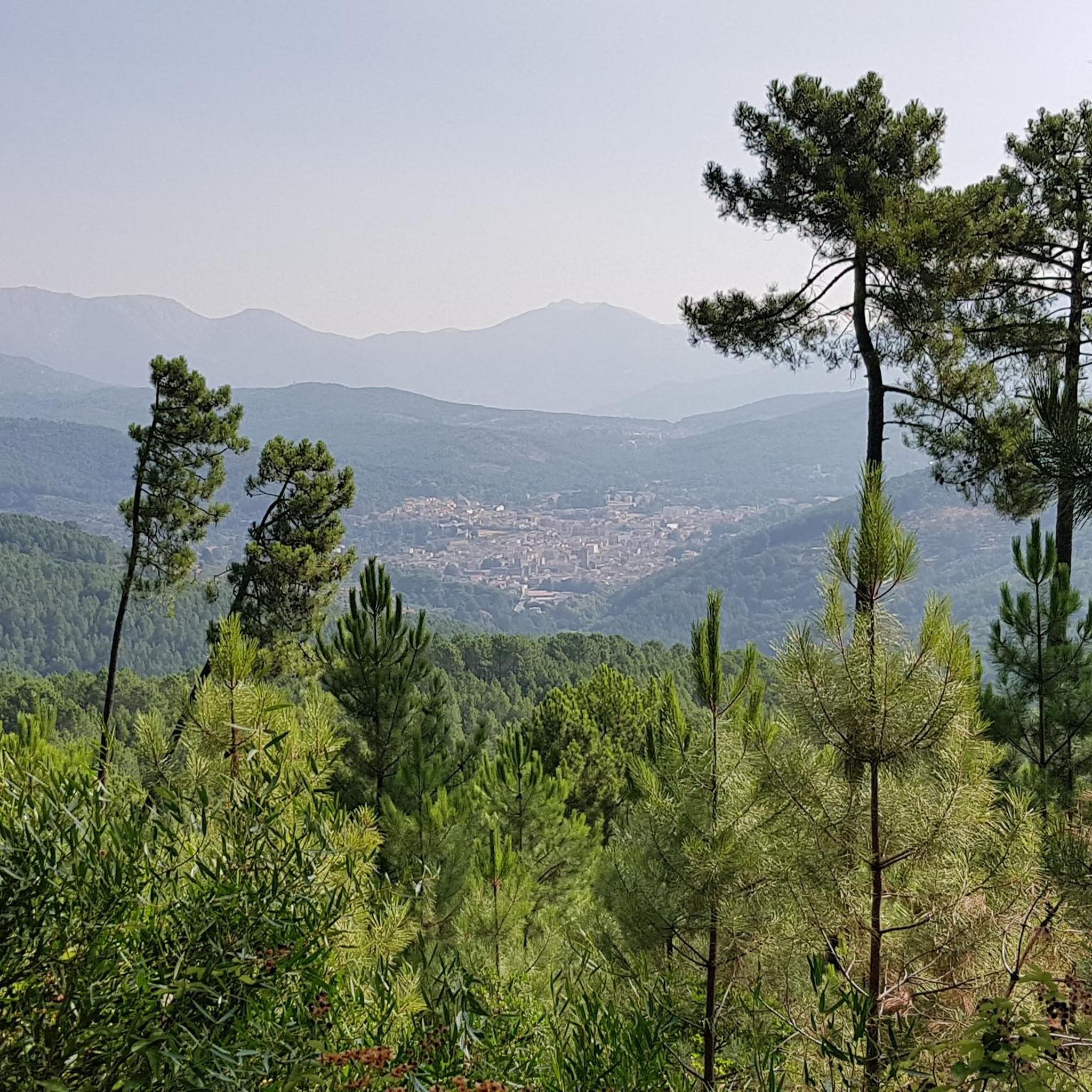
It's a very quiet pass with hardly any traffic, especially in its final section. The eastern slope, which starts from Arenas De San Pedro, has two very distinct sections. The first, to the village of El Arenal, is very gentle and always runs under an extensive pine forest. When you reach El Arenal, in the village itself, the gradient increases, and then there are 6 km left with an average gradient of 7% and some 10% slopes. The views from the pass are beautiful and it exudes a spiritual tranquility. In summer, it's highly recommended to climb it early in the morning to take advantage of the cool morning air. The western slope connects with the climb to Puerto del Pico, and the climb begins in Ramacastañas. Although not as well-known as other passes in the Sierra de Gredos, I have to admit that I loved it. Here's the link to visit the altimetry created by @cyclingcols, the best at this --> cyclingcols.com/col/Centenera
0
0

Be careful after passing the monastery, do not miss the sign for La Cruz.
0
1

Small parking lot, get up early to get a spot.
0
0
It is a very quiet port with hardly any traffic, especially in its final part. The eastern slope, which starts from Arenas De San Pedro, has two very well differentiated parts. The first, to the town of El Arenal, is very gentle and always passes under an extensive pine forest. When you reach El Arenal, in the same town, the slope increases and then we have 6 km left with an average slope of 7% and some ramps of 10%. The views of the port are very beautiful and there is spiritual tranquility. In summer it is highly recommended to climb it first thing in the morning to take advantage of the coolness of the morning. The west slope connects with the climb to Puerto del Pico and the climb begins in Ramacastañas. Without being as well known as other ports in the Sierra de Gredos, I have to admit that I loved it. I leave you the link to visit the altimetry prepared by @cyclingcols, the best at this --> http://www.cyclingcols.com/col/Centenera
0
0
The Aquelcabos Bridge is commonly called a Roman bridge (since it was built on a previous, presumably Roman, bridge). It is the oldest bridge in Arenas de San Pedro. It is expected that it was built in the 11th century, so it is of medieval origin. It was widely used by travelers and nomadic shepherds, paying in advance for the portage or ferry. It consists of three arches, the central one being the largest of all. Its pavement has been restored with paving imitating the original. On both sides there is a stone parapet one meter high and several parts of its layout have been repaired with cement.
10
0

The most emblematic building of the town of Arenas de San Pedro, which is even found on its shield. Located in the heart of the town, it becomes a must-see during your stay in Arenas. The castle is Gothic in style, built in the 15th century. Popularly known as “the Sad Countess” castle.
2
1

Medieval bridge built on an old Roman bridge, it served as a link between Arenas de San Pedro and the ports of Peón and Arenal. The mountains and the river saw how the portazgo filled the pockets of the lord of the town with money while the travelers passed over the Arenal River, already with the Cuevas River joined to it.
0
1
Frequently Asked Questions
What historical and cultural sites can I explore in and around Poyales del Hoyo?
Poyales del Hoyo and its surroundings offer a rich historical and cultural experience. You can visit the Iglesia de Nuestra Señora de Gracia in the central Plaza del Moral, showcasing Gothic and Baroque styles. The Ermita de San Sebastián is another notable religious site. Nearby, in Arenas de San Pedro, you'll find the impressive Castle of Arenas de San Pedro, a 15th-century Gothic fortress, and the San Pedro de Alcántara Sanctuary, which houses historical artifacts and art. Don't miss the ancient Aquelcabos Medieval Bridge, an 11th-century structure that was vital for travelers and shepherds.
Are there any museums in Poyales del Hoyo that are worth visiting?
Yes, Poyales del Hoyo features two unique museums. The Aula-Museo Abejas del Valle (Bees Museum) offers fascinating insights into beekeeping and honey production. For a nostalgic trip, the Aula-Museo Juguete Gigantea (Giant Toy Museum) displays a vast collection of traditional toys from 1890 to 1980, perfect for all ages.
Where can I find natural swimming spots near Poyales del Hoyo?
The region is known for its refreshing natural swimming spots. The Río Arbillas, which flows through Poyales del Hoyo, forms numerous natural pools (charcas) that are popular during summer. Just a few kilometers away, you can also enjoy the beautiful Charco del Risquillo and Charco Verde de Guisando, both offering clear waters and picturesque surroundings.
What outdoor activities are popular around Poyales del Hoyo?
The area around Poyales del Hoyo, particularly its proximity to the Sierra de Gredos, is ideal for various outdoor activities. Hiking is very popular, with trails like the 'Fishermen's Trail' and 'Senda de los Pescadores Trail' offering moderate challenges. You can find more details and routes on the Hiking around Poyales Del Hoyo guide. Road cycling is also a favorite, with routes like the 'Cinco Villas and La Centenera Loop' providing scenic rides. Explore more cycling options on the Road Cycling Routes around Poyales Del Hoyo guide.
Are there family-friendly attractions in the area?
Absolutely! Many attractions cater to families. The Aula-Museo Abejas del Valle and the Aula-Museo Juguete Gigantea are engaging for children and adults alike. Natural swimming spots along the Río Arbillas, Charco del Risquillo, and Charco Verde are perfect for family outings. Additionally, the Monument to the Iberian Ibex at Nogal del Barranco is a great starting point for family-friendly walks and offers a unique photo opportunity.
Where can I find scenic viewpoints or natural landmarks?
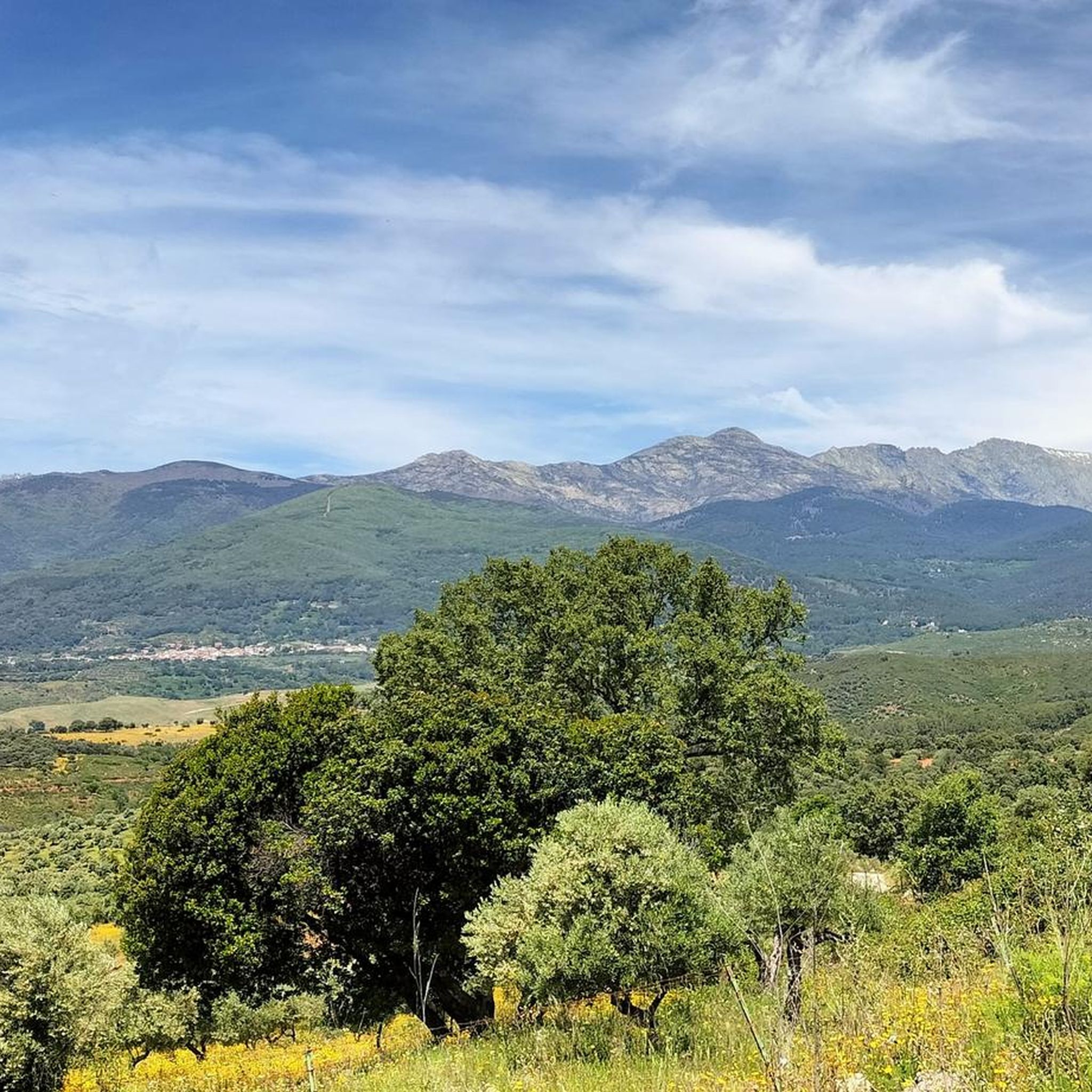
For breathtaking views, head to the Monument to the Iberian Ibex at Nogal del Barranco, which also serves as a gateway to mountain routes in the Sierra de Gredos. The Centenera Pass offers fantastic mountain vistas. The entire Tiétar Valley and the nearby Parque Regional de Gredos provide stunning natural landscapes.
What is the traditional architecture like in Poyales del Hoyo?
Poyales del Hoyo is renowned for its well-preserved traditional architecture. You'll observe houses built close together, characterized by distinctive overhanging roofs and traditional cantilevered balconies. The central Plaza del Moral is an excellent place to admire these unique architectural features, along with the Fuente de cuatro caños y pilón circular, an iconic symbol of the town.
Are there any running trails near Poyales del Hoyo?
Yes, there are several running trails available. You can explore routes like the 'Ruta de los Pescadores' or the 'Embalse del Rosarito by the Garganta de Santa María'. For more options and detailed information, check out the Running Trails around Poyales Del Hoyo guide.
What are some notable towns or villages to visit near Poyales del Hoyo?
Several charming towns are within a short drive. Guisando is a picturesque village declared a Historic-Artistic Site, known for its traditional masonry houses. Candeleda offers impressive popular architecture and natural swimming pools. In Arenas de San Pedro, you can visit the Castle of Arenas de San Pedro and the San Pedro de Alcántara Sanctuary. The impressive Cuevas del Águila are also a popular natural wonder in the vicinity.
Is there parking available for outdoor activities?
Yes, for some popular starting points. For instance, the Monument to the Iberian Ibex at Nogal del Barranco has a parking lot, often referred to as 'the goat's parking lot' due to the sculpture. It's a common starting point for mountain routes into the Sierra de Gredos.
What is the best time of year to visit Poyales del Hoyo for outdoor activities?
The spring and autumn months generally offer the most pleasant weather for outdoor activities like hiking and cycling, with milder temperatures. Summer is ideal for enjoying the natural swimming pools along the Río Arbillas and other charcas, though temperatures can be higher. The Sierra de Gredos provides beautiful landscapes year-round, but some higher-altitude trails might be more challenging in winter.
Most popular routes around Poyales Del Hoyo
Most popular attractions around Poyales Del Hoyo

Get inspired with the komoot mobile app


Explore more
Still not found the Highlight you’re looking for? See guides of the top attractions in other regions:
