Attractions and Places To See around Reyero - Top 20
Attractions and places to see around Reyero, a village in León, Spain, offer a blend of rural heritage and natural landscapes. The area is characterized by the Cantabrian Mountains, featuring karstic caves and numerous mountain routes. Reyero provides access to summits and viewpoints, alongside cultural sites like the San Andrés Parish Church and traditional houses. This region is a destination for those seeking to experience the natural beauty and local culture of the province of León.
Best attractions and places…
Last updated: August 31, 2026
Gilbo Peak
Highlight • Summit
From …
Translated by Google •
Tip by

Yordas (1,967 m)
Highlight • Summit
The ascent …
Translated by Google •
Tip by
Sign up now to discover places like this
Get recommendations on the best single tracks, peaks, & plenty of other exciting outdoor places.
Sign up for free
Esla Viewpoint
Highlight • Viewpoint
Translated by Google •
Tip by
Mina Imponderable
Highlight • Structure
Translated by Google •
Tip by
Susarón Peak (1,878 m)
Highlight • Summit
Translated by Google •
Tip by
Sign up for free to discover even more attractions around Reyero.
Sign up for free
Already have an account?
Start today with a free account
Your next adventure awaits.
Login or Signup
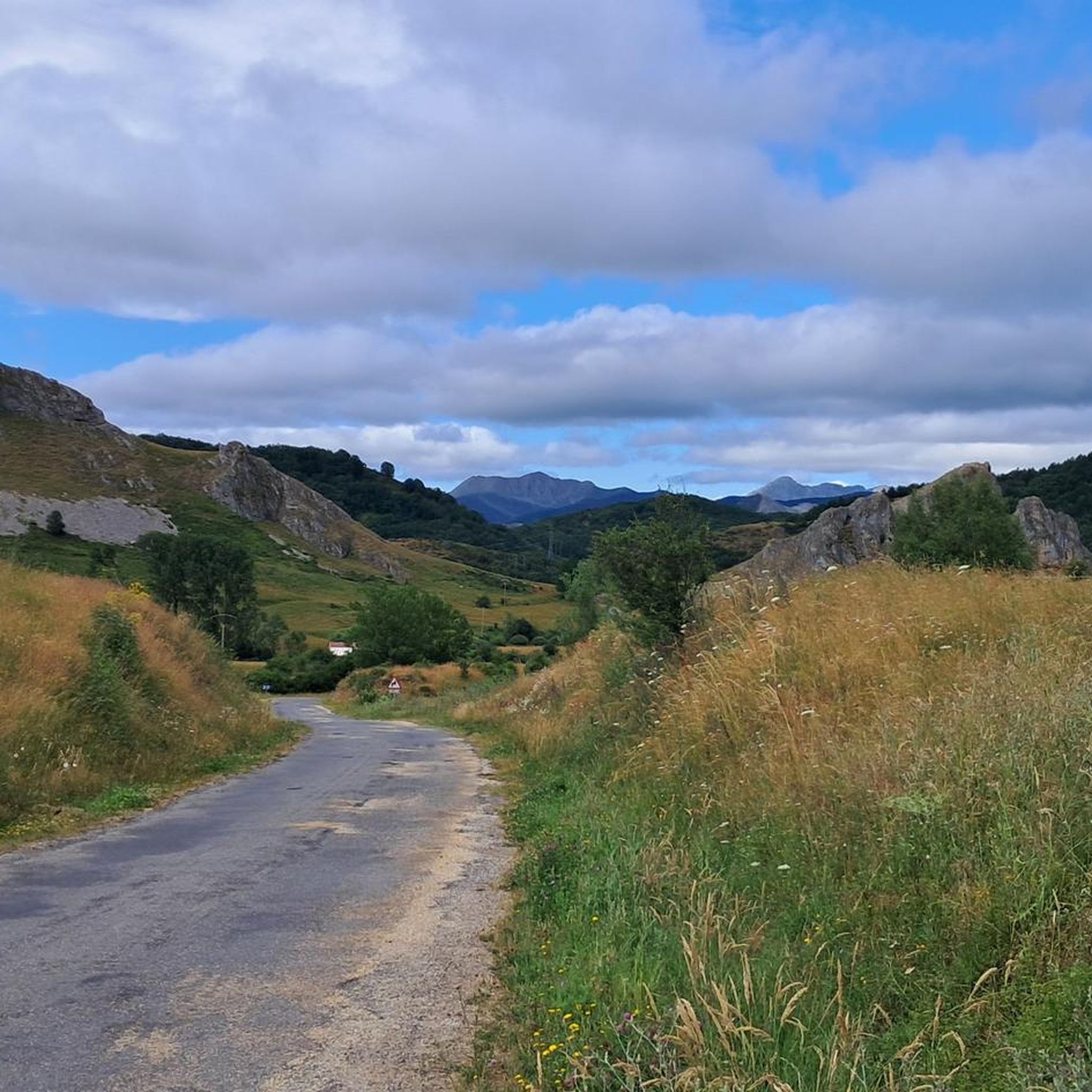
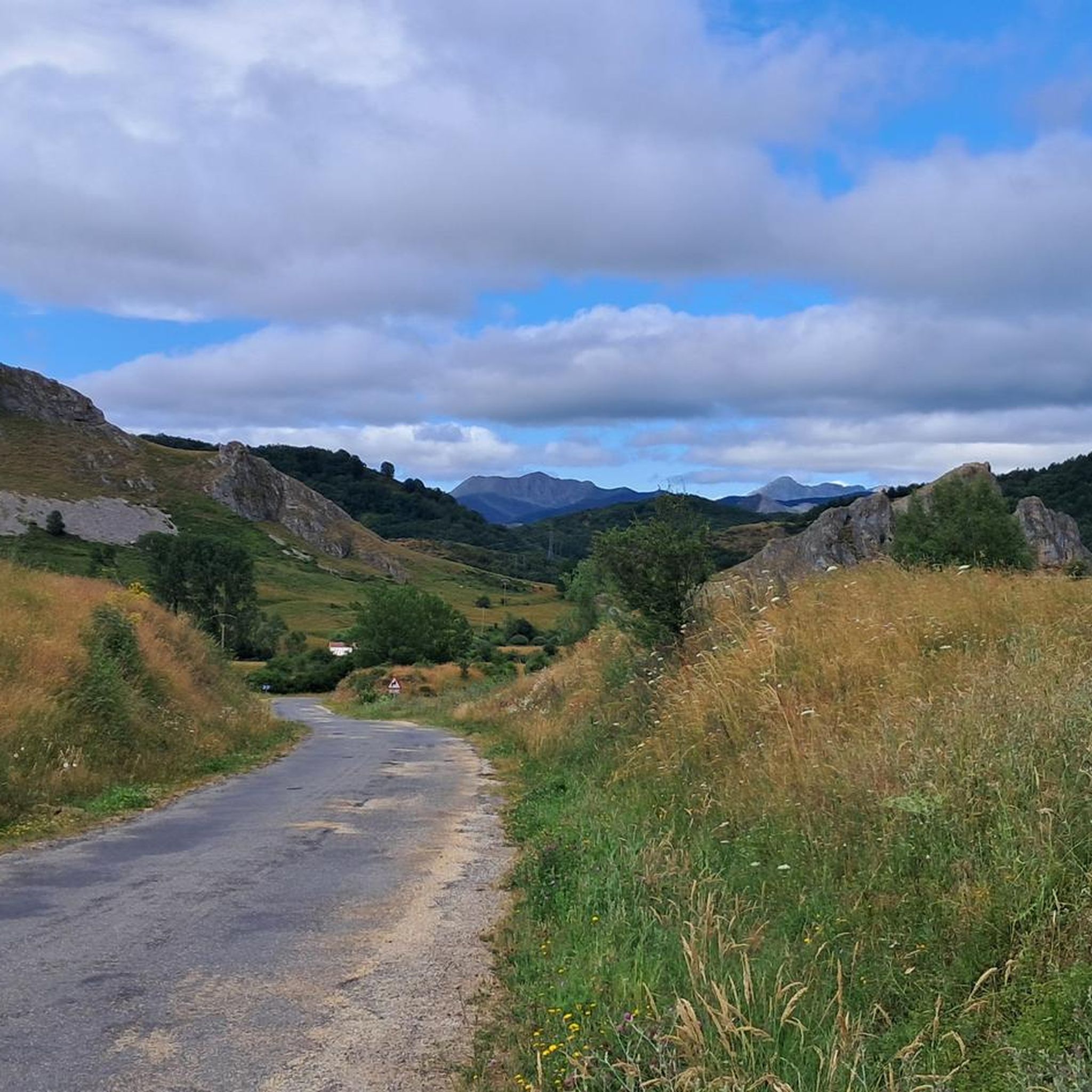
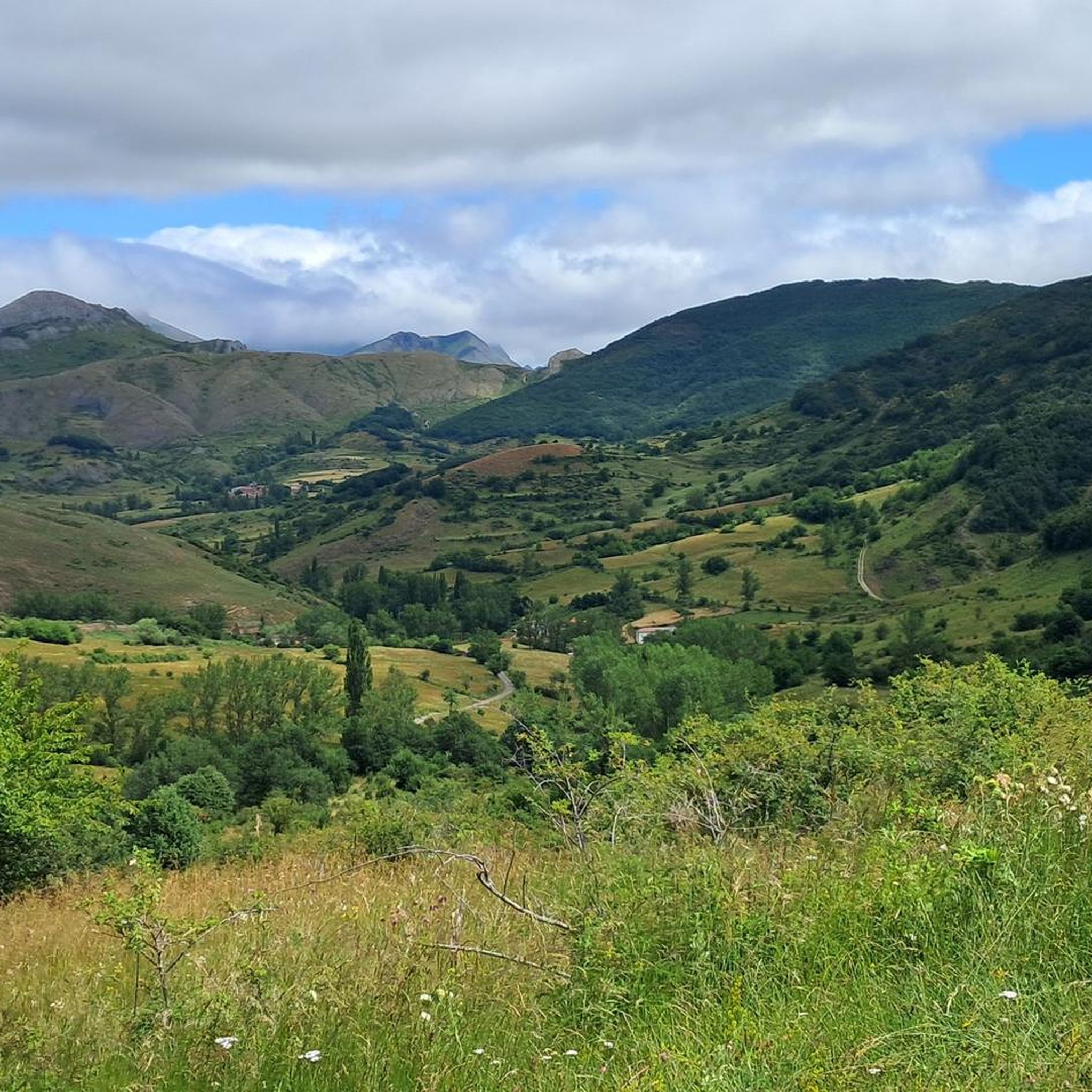
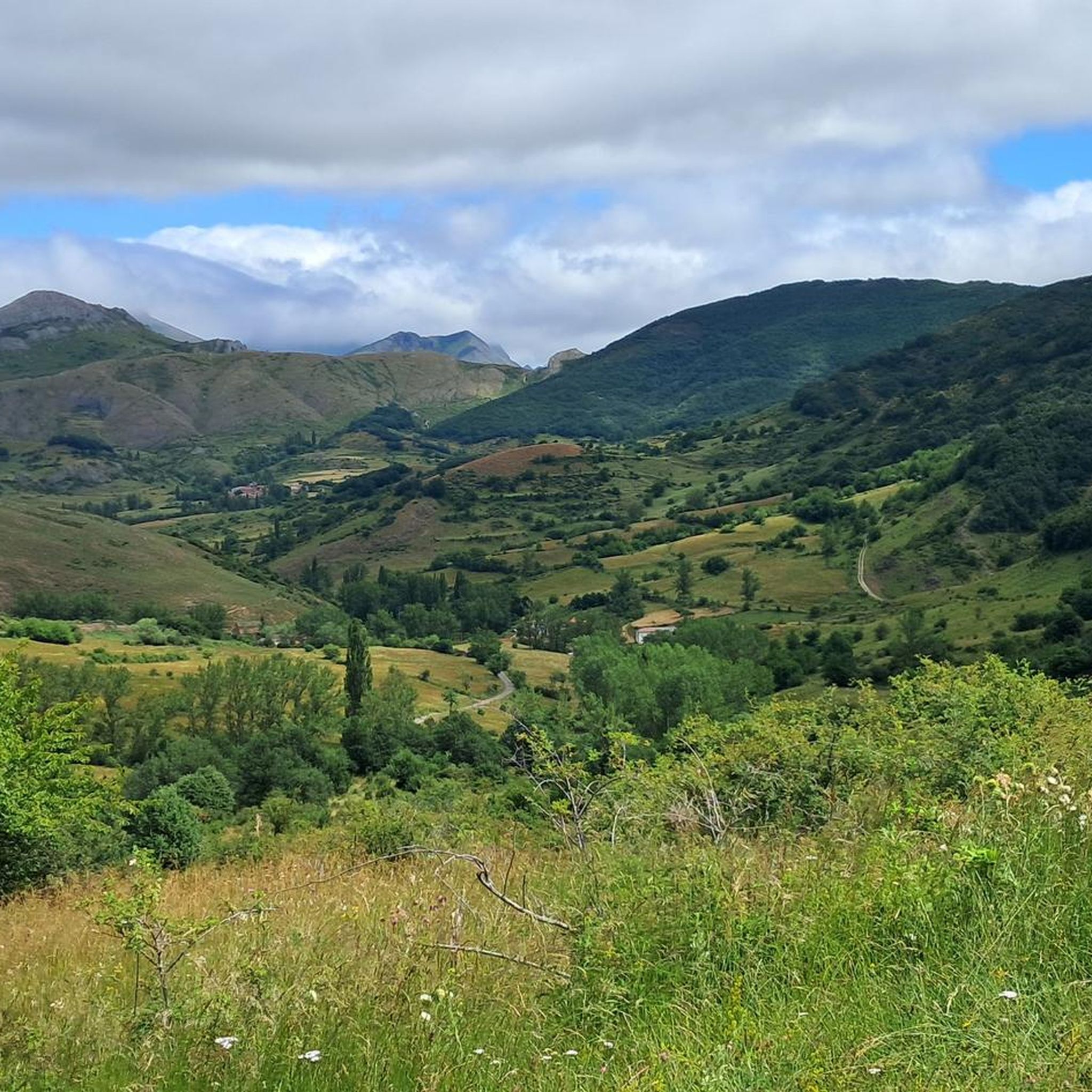
Tips from the Community

Brutal landscape, the climb in the last section is a bit tough but doable little by little. Those with vertigo should abstain. Be careful on the descent. Highly recommended!
0
0

The view from the top of Gilbo Peak, known as the Matterhorn of León, is simply spectacular. From its 1,679-meter altitude, you can enjoy breathtaking views of the Riaño reservoir, the León fjords, and the mountains of the Riaño and Mampodre Mountain Regional Park.
1
0
Gilbo Peak, known as the "Leonese Matterhorn," is one of the most popular hikes in the Riaño Mountains, León. It offers spectacular views of the Riaño Reservoir and the "Leonese Fjords."
5
1
Pico Gilbo is an iconic mountain located in the Cantabrian Mountains, near Riaño, in the province of León. With an altitude of 1,679 metres, it is known for its stunning panoramic views and challenging climb.
6
0

Excellent views of the Leonese fjords
2
0

Wonderful views of Riaño and the lakes
1
0


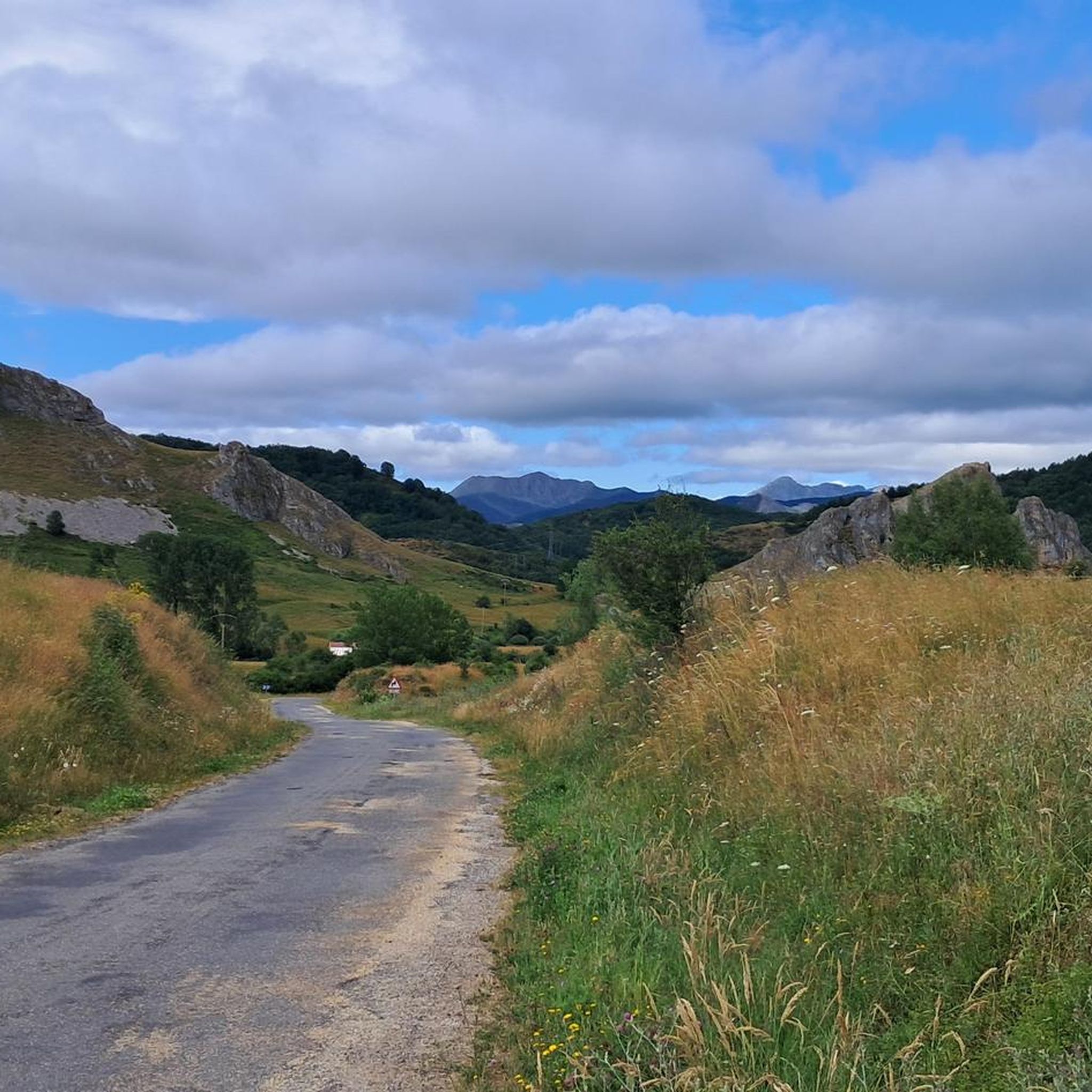
Running along the route of the Mines we find this beautiful viewpoint. This is the Esla viewpoint, which offers wonderful views of Aleje and Alejico and the surrounding mountains.
1
1
Frequently Asked Questions
What natural features can I explore around Reyero?
The region around Reyero is rich in natural beauty, offering impressive karstic caves with galleries and stalactites formed by water dissolving limestone. You can also find notable rock formations like the "Peña de Valdelacueva" and the "Iglesia de Bostocín," a cave near the Collada de Lois route. For panoramic views, consider visiting summits such as Gilbo Peak or Susarón Peak (1,878 m).
Are there any historical or cultural sites to visit in Reyero?
Yes, Reyero preserves its rich rural heritage. The primary religious edifice is the San Andrés Parish Church, a Baroque-style building with a Churrigueresque altarpiece and a 13th-century image of Nuestra Señora de Noanca. The village also features traditional houses that showcase its local culture. Additionally, you can explore the Mina Imponderable, an old iron mine that is part of the Ruta de las Minas.
What are the best viewpoints near Reyero?
For breathtaking vistas, the area offers several excellent viewpoints. Esla Viewpoint provides wonderful views of Aleje, Alejico, and the surrounding mountains, located along the Ruta de las Minas. Summits like Gilbo Peak (1,679 m) and Yordas (1,967 m) also serve as fantastic natural balconies, offering extensive panoramic views of the Cantabrian Mountains and the Riaño Reservoir.
What kind of hiking trails are available around Reyero?
Reyero is an excellent starting point for various hiking trails through the Leonese mountains, ranging from moderate to challenging. You can find routes like the "Pico Susarón from Puebla de Lillo" or "Ascent to Peñas Pintas from Las Salas." For more options, explore the Hiking around Reyero guide, which details numerous trails in the region.
Can I go cycling near Reyero?
Absolutely. The region offers diverse cycling opportunities, including touring and road cycling routes. You can find challenging rides like the "Parque Regional de la Montaña de Riaño y Mampodre – circular from Crémenes" or the "Porma Reservoir Loop." For detailed routes and more options, refer to the Cycling around Reyero guide and the Road Cycling Routes around Reyero guide.
What is the best time of year to visit Reyero for outdoor activities?
While the guide doesn't specify a single 'best' time, the mountainous terrain suggests that spring and autumn would offer pleasant temperatures for hiking and cycling. Summers are generally warm, and winters can bring snow, especially at higher elevations. If you're interested in local culture, the San Andrés festivities are celebrated in November.
Are there any challenging climbs for experienced hikers?
Yes, the area around Reyero is known for its challenging mountain summits. Gilbo Peak (1,679 m), often called the "Leonese Matterhorn," is a popular and challenging climb. Yordas (1,967 m) also offers a significant ascent with rewarding views. These peaks are part of the Cantabrian Mountains and provide strenuous but highly scenic experiences.
What do visitors enjoy most about the attractions around Reyero?
Visitors particularly appreciate the stunning panoramic views from the various summits and viewpoints, such as those from Gilbo Peak and Yordas, which offer vistas of the Riaño Reservoir and the surrounding mountain ranges. The blend of challenging natural landscapes with the tranquility of traditional village life and historical sites also makes the area appealing.
Are there any specific geological formations worth seeing?
Beyond the general karstic caves, the region features unique rock formations. The "Peña de Valdelacueva" is a notable geological landmark. Another interesting site is the "Iglesia de Bostocín," which is a cave located near the Collada de Lois route, showcasing the natural erosion and formation processes in the limestone mountains.
What is the significance of the San Andrés Parish Church in Reyero?
The San Andrés Parish Church is the most important religious building in Reyero and is recognized as a Site of Cultural Interest. It is architecturally significant for its Baroque style and houses a notable Churrigueresque altarpiece, believed to be by Francisco Monesterio, as well as a 13th-century image of Nuestra Señora de Noanca, making it a key cultural and historical landmark in the village.
Are there any routes that combine historical sites with natural beauty?
Yes, the Ruta de las Minas is a great example. Along this route, you can discover the Mina Imponderable, an old iron mine, and also enjoy natural vistas from spots like the Esla Viewpoint. This allows you to experience both the industrial heritage and the scenic landscapes of the area.
Most popular attractions around Reyero

Get inspired with the komoot mobile app


Explore more
Still not found the Highlight you’re looking for? See guides of the top attractions in other regions:
