Attractions and Places To See around Almensilla - Top 20
Attractions and places to see around Almensilla include historical haciendas, religious sites, and natural landscapes. This town in Seville, Spain, is characterized by its olive-growing tradition and connections to the Arroyo Riopudio and the Coto de Doñana marshlands. Visitors can explore centuries-old agricultural estates and local churches, reflecting the region's heritage. The area offers a blend of cultural landmarks and accessible natural features.
Best attractions and places to see around Almensilla
- The most popular attraction is Roman Bridge Over the…
Last updated: July 2, 2026
Guadaíra Riverside Walk
Highlight • Trail
Translated by Google •
Tip by

Roman Bridge Over the Pudio River
Highlight • Bridge
Translated by Google •
Tip by

Sign up now to discover places like this
Get recommendations on the best single tracks, peaks, & plenty of other exciting outdoor places.
Sign up for free
Olivar del Zaudín Park 🌳 Tomares, Seville
Highlight • Natural
Translated by Google •
Tip by

Sanctuary of Our Lady of Loreto
Highlight • Religious Site
Translated by Google •
Tip by

Hermitage of Cuatrovitas
Highlight • Religious Site
Translated by Google •
Tip by

Sign up for free to discover even more attractions around Almensilla.
Sign up for free
Already have an account?
Start today with a free account
Your next adventure awaits.
Login or Signup
Tips from the Community

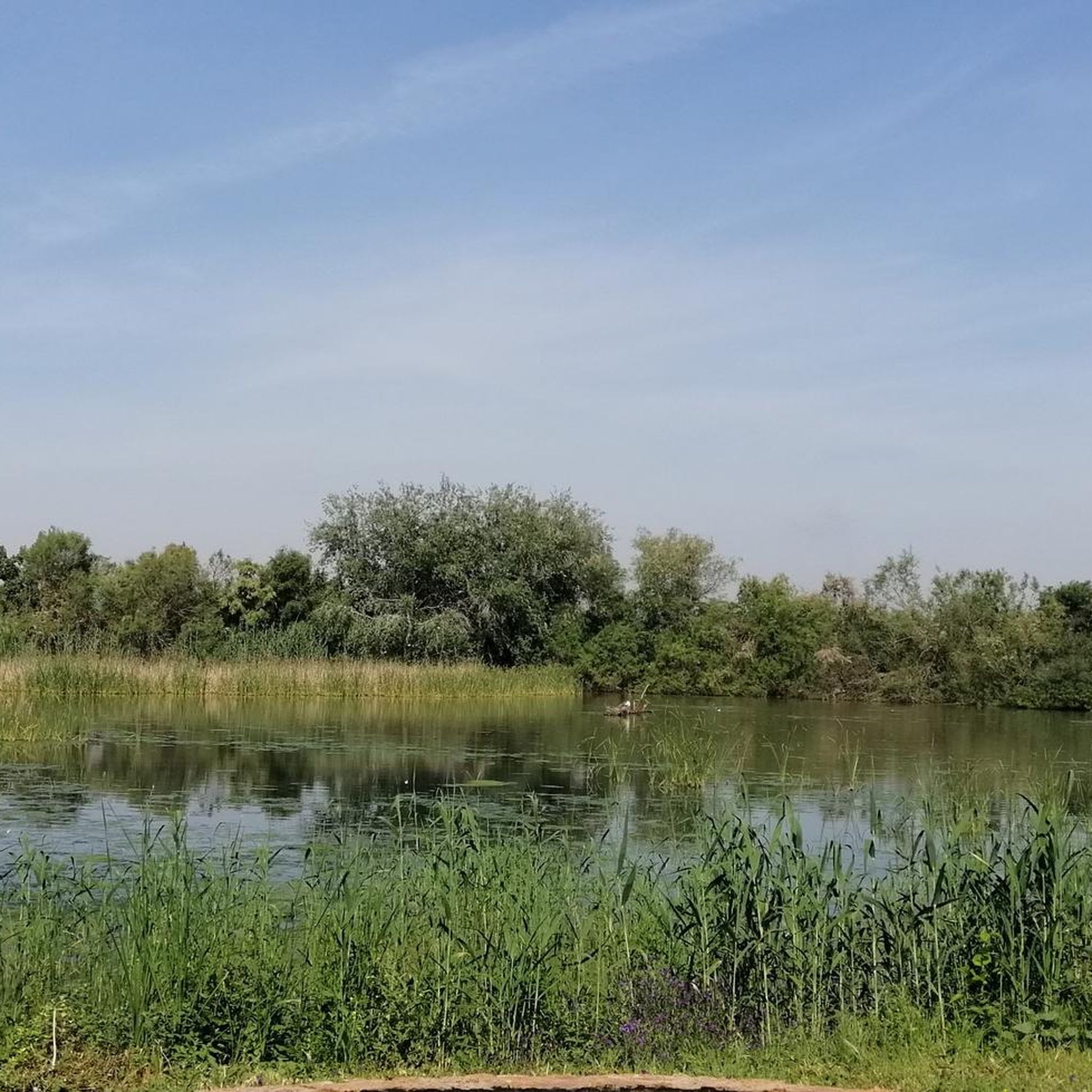
Large suburban wetlands park with wild natural sections, and an excellent nature center. A smooth paved trails runs along the road on the northern border, while an even more scenic hard gravel trail, with a long boardwalk, lures a few meters further south, with quaint overnight tent sites.
0
0

The patronage of this shrine, dedicated to the Madonna, refers to the town of Loreto (Marche, Italy). This is one of the great and important Marian pilgrimage sites in Europe, along with Lourdes in the French Pyrenees and Fatima in Portugal. Unlike the other two places mentioned, however, Loreto has not become known through apparitions of the Mother of God. Here, pilgrims can present something very tangible: Mary's childhood home in Nazareth (Israel). Her parents—not mentioned by name in the biblical writings of the New Testament—are mentioned in apocryphal traditions: Saint Anne and Saint Joachim are thus the grandparents of Jesus Christ (their common feast day in the calendar of saints is July 26). Crusaders probably dismantled the venerated building in Nazareth and brought it to Europe when the era of the Christian kingdoms in the Holy Land came to an end towards the end of the 13th century. But this very sober assumption is countered by a much more interesting legend: According to this, four angels carried out the translation and flew the house over the Mediterranean.
0
0

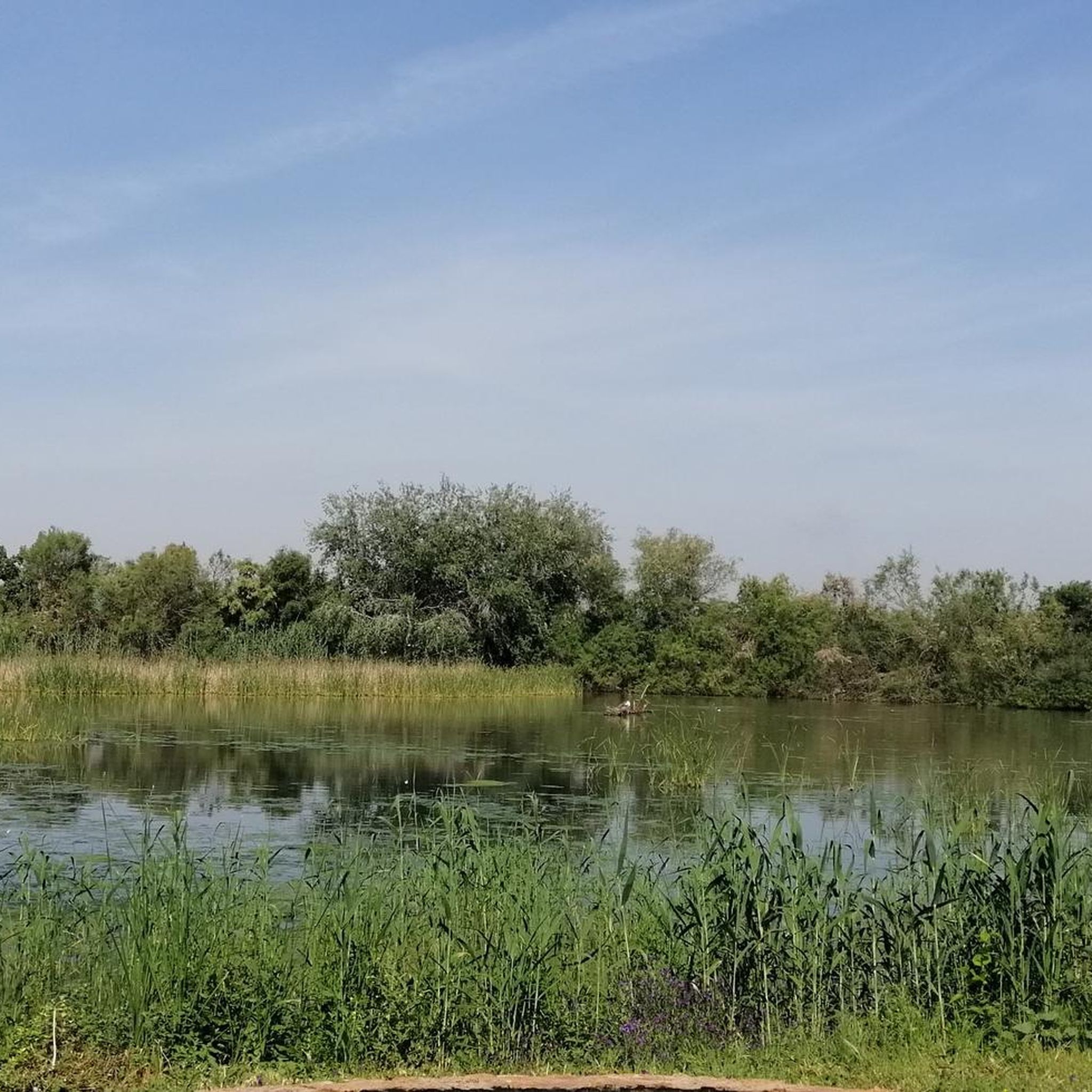
The Metropolitan Green Corridor in Seville is a beautiful green route that connects different municipalities in the Seville metropolitan area. The path starts in the La Corchuela Periurban Park and runs through the surrounding area via two cycle paths. Its aim is to promote the use of non-motorized transport, while also fulfilling an important recreational and tourist function due to its landscape quality and cultural heritage. The route starts under the Puente del Quinto Centenario and runs along the right bank of the New Guadaíra Riverbed, allowing visitors to enjoy the landscape and ecological values of the river. The path crosses the river and continues to different municipalities such as Coria del Río, La Puebla del Río, Gelves, Mairena del Aljarafe, San Juan de Aznalfarache, Sevilla, Camas, and Santiponce.
7
0

Bridge that crosses the river and that was remodeled in 2002. Its surroundings are full of rest areas and picnic areas to stop and enjoy the area.
1
0
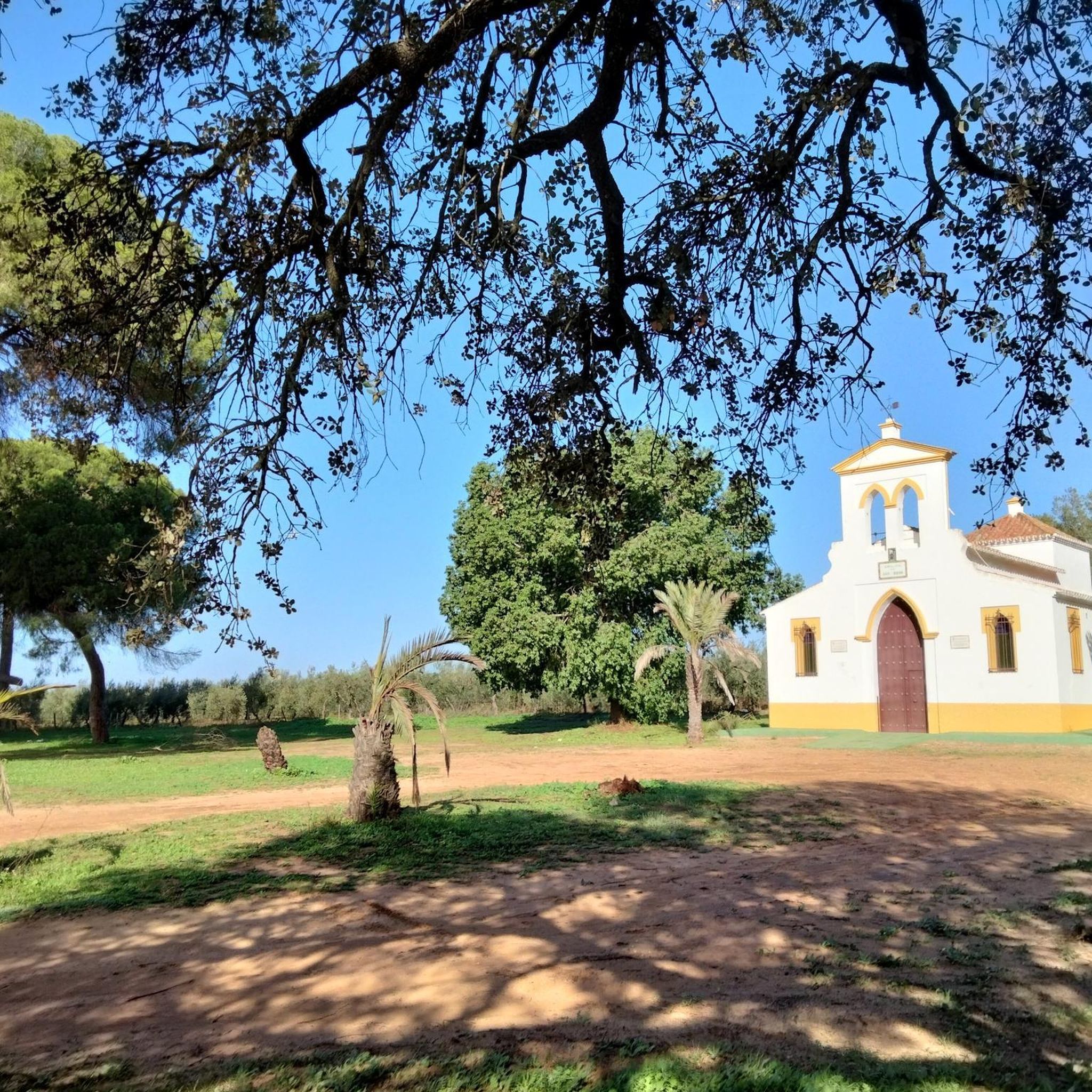
The hermitage of Nuestra Señora de Cuatrovitas, also called Nuestra Señora de Cuatrohabitan, or simply Hermitage of Cuatrovitas, is a Catholic temple located in the area of Cuatrovitas, within Bollullos de la Mitación. During Al-Andalus, the current site of Cuatrovitas was a town of some importance.
0
0

This is a particularly beautiful section of the Metropolitan Green Corridor, which runs here next to the Guadaira riverbed. I recommend it especially in spring, or in summer if you are going to do a night route with spotlights.
2
0
From the bridge, abundant fauna is usually observed visiting the waters of the stream.
1
0
Remodeled bridge in 2002 that crosses the Pudio river. There is a wooded area with picnic areas and, very close, a lot of fig trees that give away delicious brevas and figs every year.
2
0
Frequently Asked Questions
What historical sites can I explore in Almensilla?
Almensilla is rich in historical haciendas, reflecting its olive-growing heritage. You can visit the 18th-century Hacienda de San Antonio, considered the oldest civil building, or the well-preserved Hacienda de Quinta, where Visigothic remains were found. The town's main church, Iglesia de Nuestra Señora de la Antigua, is also a significant Mudejar-origin site.
Are there any natural attractions or parks to visit near Almensilla?
Yes, Almensilla offers several natural spots. The Roman Bridge Over the Pudio River is surrounded by a wooded area with picnic spots and fig trees. The Arroyo Riopudio crosses the municipal area and has been restored as a peri-urban park. Additionally, the town is close to the marshlands of the Coto de Doñana, offering a connection to a significant natural area.
What are some family-friendly activities available in Almensilla?
Families can enjoy the wooded area around the Roman Bridge Over the Pudio River, which has picnic spots. The Guadaíra Riverside Walk is also suitable for families, offering scenic views along the river. For more adventure, the nearby Bosque Suspendido is an adventure park with activities like climbing and zip-lining.
What kind of outdoor activities can I do around Almensilla?
The area around Almensilla is great for outdoor enthusiasts. You can explore various routes for mountain biking, cycling, and gravel biking. For example, there are moderate MTB trails like the 'Cortijo La Juliana – Corredor del Pudio loop' and cycling routes such as the 'Green Corridor of the Pudio River – Guadiamar Green Corridor loop'. You can find more details on these activities in the MTB Trails around Almensilla, Cycling around Almensilla, and Gravel biking around Almensilla guides.
Are there any notable bridges or viewpoints in the area?
Yes, the Roman Bridge Over the Pudio River is a remodeled bridge from 2002, offering picturesque views of the river and surrounding woodlands. Another significant structure is the San Juan Bridge, built in 1930, which historically connected San Juan and Seville.
What is the best time of year to visit Almensilla for outdoor activities?
Spring is particularly recommended for outdoor activities around Almensilla, especially for walks like the Guadaíra Riverside Walk, when the landscape is vibrant. Summer can also be pleasant for night routes if you plan accordingly.
What is the 'Mosto Route' and how can I experience it in Almensilla?
The 'Mosto Route' is a gastronomic trail that Almensilla is part of, celebrating the region's olive-growing tradition. Along this route, visitors can enjoy local 'mosto' (grape juice) and olives. You can experience this local flavor during the annual 'La Tostá' Festival on November 13th, which honors San Diego with mosto and toasted bread with sardines.
Are there any religious sites or shrines in Almensilla?
Absolutely. The Iglesia de Nuestra Señora de la Antigua is the town's main church, with Mudejar origins and a history dating back to the 18th century. You can also visit the charming Shrine to San Diego de Alcalá (Ermita de San Diego), which houses the statue of one of Almensilla's patron saints during winter months. An annual pilgrimage takes place around the shrine in May.
What is the <a href="https://www.komoot.com/highlight/3987374" target="_blank" rel="noopener">Guadaíra Riverside Walk</a>?
The Guadaíra Riverside Walk is a beautiful section of the Metropolitan Green Corridor. This route promotes non-motorized transport and allows visitors to enjoy the landscape and ecological value of the Guadaíra River. It's particularly scenic in spring and offers views of the riverbed.
What is the significance of olive groves in Almensilla?
Olive groves are central to Almensilla's identity and economy. The town has a long-standing olive-growing tradition, and its landscape is abundant with these groves. Many of the historical haciendas, such as Hacienda de San Antonio and Hacienda de Quinta, were originally dedicated to olive harvesting and oil production, showcasing this deep-rooted agricultural heritage.
What do visitors enjoy most about the attractions around Almensilla?
Visitors appreciate the blend of historical and natural beauty. The Roman Bridge Over the Pudio River is loved for its picnic areas and abundant fig trees, while the Guadaíra Riverside Walk is praised for its scenic views and ecological value, especially in spring. The historical haciendas also offer a glimpse into the region's rich past.

Get inspired with the komoot mobile app


Explore more
Still not found the Highlight you’re looking for? See guides of the top attractions in other regions:
