Attractions and Places To See around Algora - Top 20
Best attractions and places to see around Algora, a location in Spain, offer a blend of historical landmarks and natural beauty. Situated in the Guadalajara province, Algora provides access to significant cultural sites and scenic landscapes. The area is characterized by its historical architecture, including castles and religious buildings, alongside natural features like waterfalls and ravines. Visitors can explore a diverse range of attractions that highlight the region's heritage and environment.
Best attractions and places to see around Algora
- The…
Last updated: June 23, 2026
Sigüenza Cathedral
Highlight • Religious Site
Inside, the sepulcher and Chapel of …
Translated by Google •
Tip by

Sigüenza Castle
Highlight • Castle
Translated by Google •
Tip by
Sign up now to discover places like this
Get recommendations on the best single tracks, peaks, & plenty of other exciting outdoor places.
Sign up for free
Gollorio Waterfall
Highlight • Waterfall
Translated by Google •
Tip by

Pelegrina Castle
Highlight • Castle
Translated by Google •
Tip by
Hermitage of the Humilladero
Highlight • Religious Site
Translated by Google •
Tip by
Sign up for free to discover even more attractions around Algora.
Sign up for free
Already have an account?
Start today with a free account
Your next adventure awaits.
Login or Signup
Tips from the Community

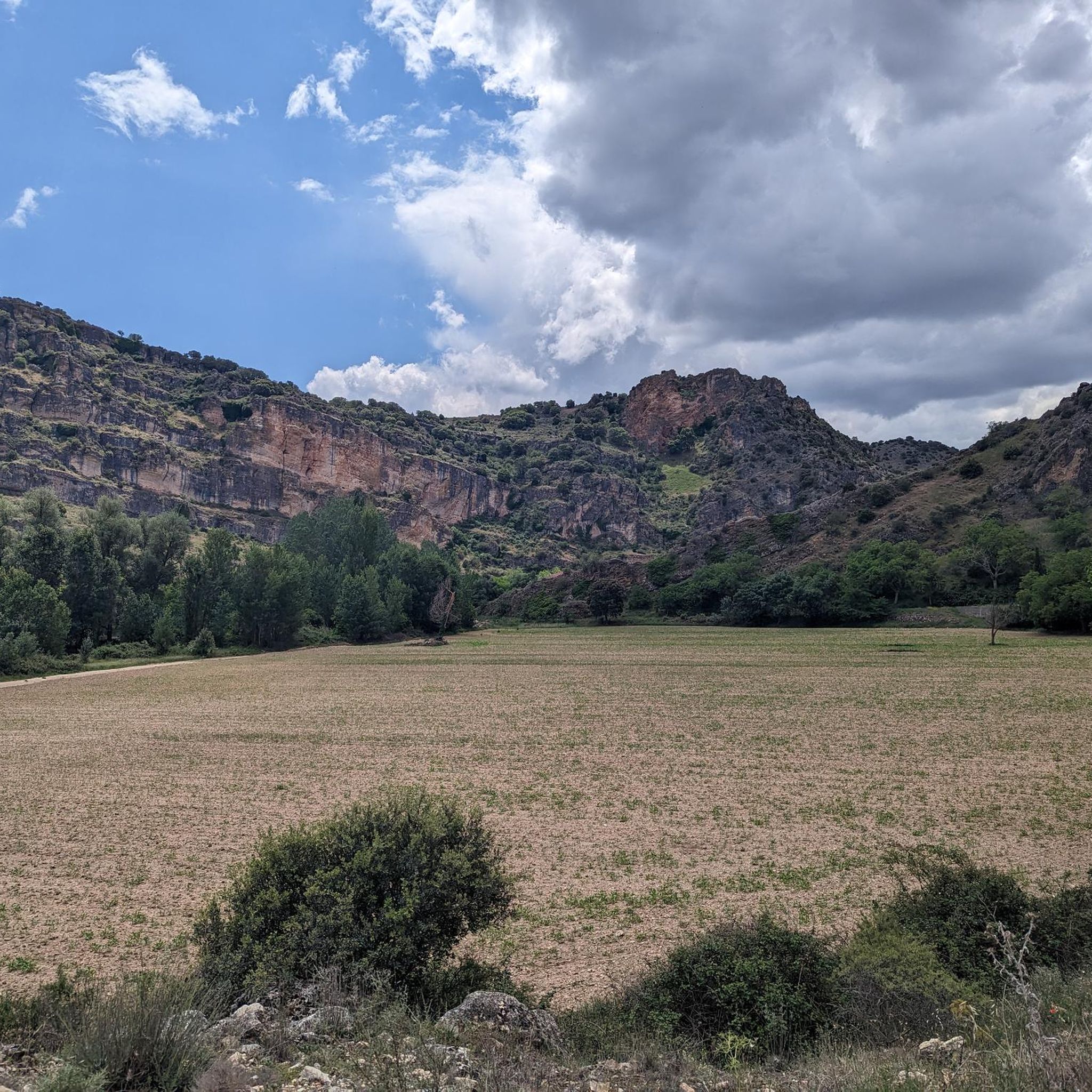
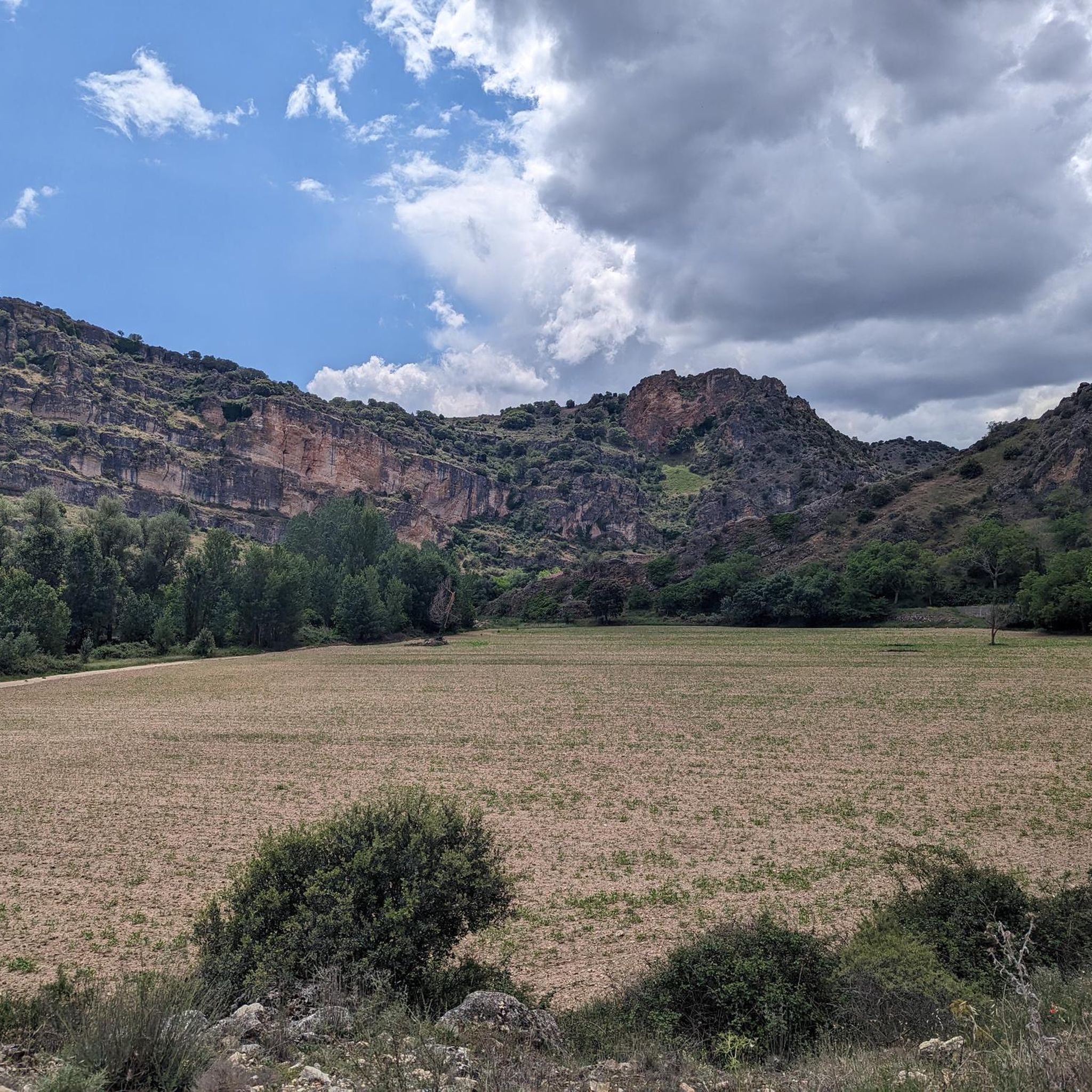
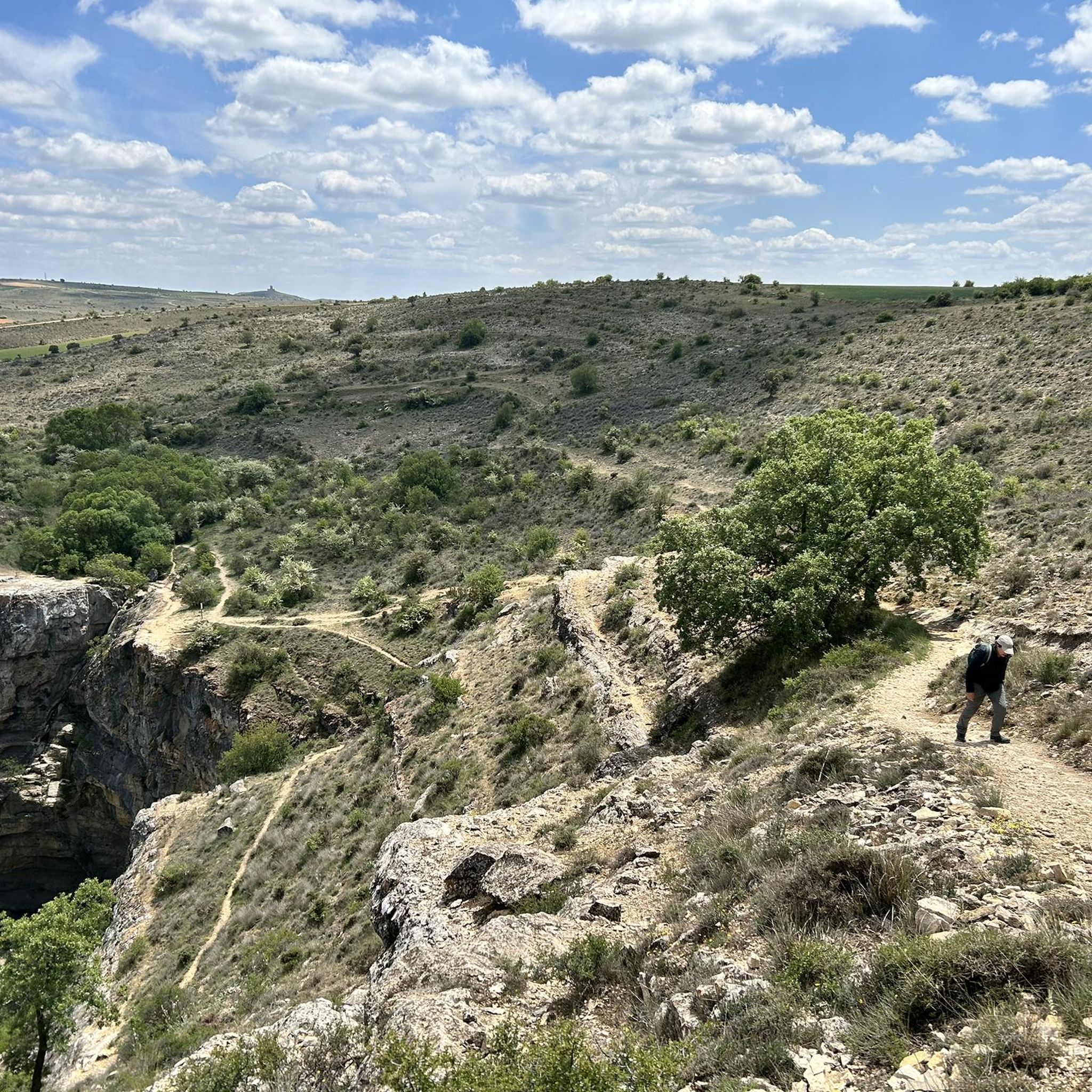
Despite its steep and difficult access, Gollorio Waterfall is a popular spot for hikers. The trail leading to it offers spectacular views and is part of the Gollorio Waterfall Route. In long sections, the trail runs close to the ravine without any lateral protection, so caution is advised.
2
0

Despite its steep and difficult access, the Gollorio Waterfall is a popular spot for hiking enthusiasts. The trail leading up to it offers spectacular views and is part of the Gollorio Waterfall Route. During long stretches, the trail runs close to the ravine without lateral protection, so caution is advised.
1
0
This majestic Cathedral, origin and foundation of the greatness of Sigüenza, is a living museum of art: Romanesque, Cistercian, Gothic, Renaissance, Plateresque, Baroque, Neoclassical... Inside, the sepulcher and Chapel of his Maiden stand out, a beautiful semi-recumbent alabaster sculpture. Work on this cathedral began in the 12th century, in the year 1124, at the request of the first bishop and lord of Sigüenza, after the Reconquest, D. Bernardo de Agén. The works continued through the Late Middle Ages, the building being completed in the 15th century and, then proceeding to the erection of other dependencies (sacristies, ambulatory, etc.) and all the ornamentation, altars, etc.
8
0

On the curve of the Dulce river are the ruins of the castle of Pelegrina. Incredible viewpoint of the town and what makes the Barranco del Río Dulce Natural Park a unique landscape to visit.
1
0
What was originally an Arab citadel, an extension of a small Visigothic castle and a Roman fort, is located at the top of Sigüenza. Construction began in the year 1123 to serve as a palace-fortress and residence of the bishops who were lords of the city for seven centuries. It has a beautiful chapel and a cell where some say that Doña Blanca de Borbón lived, until the moment of her exile, wife repudiated by Pedro I the Cruel.
11
0

Fortress located in the Spanish municipality of Sigüenza, erected in the first quarter of the 12th century on another previous Muslim one from the beginning of the 8th century.
1
0
Spanish fortification built in ashlar stone between the 12th and 13th centuries in the town of Pelegrina. It is a rocky castle built on a hill that dominates the valley of the Río Dulce.
2
0
Frequently Asked Questions
What historical sites can I explore near Algora?
The area around Algora is rich in history. You can visit the majestic Sigüenza Cathedral, a significant landmark with architectural styles ranging from Romanesque to Neoclassical. Another must-see is Sigüenza Castle, which originated as an Arab citadel and served as a palace-fortress for centuries. Don't miss Pelegrina Castle, a 12th-13th century fortification offering beautiful views of the Río Dulce valley, or the Hermitage of the Humilladero, a 16th-century hermitage that now serves as a tourist information center.
Are there any natural attractions or scenic spots around Algora?
Absolutely! The most prominent natural attraction is the Gollorio Waterfall, located in the bed of the Gollorio ravine, a tributary of the Dulce River. This impressive waterfall, approximately 50 meters high, is best seen from autumn to spring when rainfall is sufficient. The surrounding area, part of the Río Dulce Ravine natural park, also offers spectacular views.
What outdoor activities can I do near Algora?
The region offers excellent opportunities for outdoor enthusiasts. You can enjoy hiking, cycling, and road cycling. For hiking, explore routes like the 'Hoz de Pelegrina and Gollorio Waterfall Trail' or 'Peñascos de los Frailes — circular desde Las Inviernas'. Cyclists can tackle routes such as 'Pelegrina y Barranco del Río Dulce desde Aragosa' or sections of the 'Camino del Cid'. Find more details on these activities in the dedicated guides for hiking, cycling, and road cycling around Algora.
Are there family-friendly attractions in the Algora area?
Yes, several attractions are suitable for families. Both Sigüenza Cathedral and Sigüenza Castle are considered family-friendly historical sites, offering engaging experiences for all ages. The Hermitage of the Humilladero also welcomes families. Exploring the natural landscapes, such as the area around the Gollorio Waterfall, can also be a great family outing, depending on the chosen trail's difficulty.
When is the best time to visit the Gollorio Waterfall?
The Gollorio Waterfall is best visited from autumn to spring. During these seasons, rainfall is typically sufficient to fill the sources that supply the ravine, ensuring the waterfall is active and at its most impressive. It may be dry during the summer months.
What kind of views can I expect from Pelegrina Castle?
From the ruins of Pelegrina Castle, you can expect breathtaking views of the Río Dulce valley. The castle is strategically located on a hill, offering a panoramic perspective of the beautiful natural landscape below, which is why the town's name, from the Latin 'pellus grinae', means 'beautiful view'.
What is the historical significance of Sigüenza Castle?
Sigüenza Castle has a rich history, originating as an Arab citadel and built upon a small Visigothic castle and Roman fort. Construction began in 1123, and it served as a palace-fortress and residence for the bishops who governed the city for seven centuries. It has a beautiful chapel and is steeped in medieval tales.
What makes Sigüenza Cathedral unique?
Sigüenza Cathedral is unique for its blend of architectural styles, including Romanesque, Cistercian, Gothic, Renaissance, Plateresque, Baroque, and Neoclassical. Its construction began in the 12th century, and it houses significant art, including the sepulcher and Chapel of his Doncel, a beautiful semi-recumbent alabaster sculpture, making it a living museum of art and history.
Are there any easy hiking trails suitable for beginners near Algora?
Yes, there are options for easier walks. For instance, the 'Hiking loop from Castillo de Pelegrina' is rated as an easy trail. You can find more details and other routes in the hiking guide for Algora, which lists various trails with different difficulty levels.
What do visitors appreciate most about the attractions around Algora?
Visitors particularly appreciate the blend of historical depth and natural beauty. The majestic architecture of sites like Sigüenza Cathedral and Sigüenza Castle, along with the stunning natural landscapes such as the Gollorio Waterfall and the Río Dulce valley, receive high praise. The komoot community has shared over 36 photos and given more than 25 upvotes, highlighting the visual appeal and enjoyable experiences these attractions offer.
Can I find long-distance cycling routes near Algora?
Yes, for those interested in longer cycling adventures, the area offers several options. The 'Camino del Cid: Álvar Fáñez Branch Trail' is a challenging route spanning over 71 km. Road cyclists can explore routes like the 'Wool Route: Sigüenza Loop' or the extensive 'Ride between Sierra Ministra and the village of Medinaceli', which covers over 112 km. More details are available in the cycling and road cycling guides for Algora.
Most popular attractions around Algora

Get inspired with the komoot mobile app


Explore more
Still not found the Highlight you’re looking for? See guides of the top attractions in other regions:
