Attractions and Places To See around Lora Del Río - Top 20
Best attractions and places to see around Lora Del Río include a blend of historical landmarks, cultural experiences, and natural beauty. Situated on the banks of the Guadalquivir River, the region features diverse landscapes, from the Sierra in the north to the Vega in the center. Its heritage is rooted in a medieval past, with significant architectural sites and natural features like orange groves and reservoirs. Lora Del Río offers a variety of sites for exploration, reflecting its history and…
Last updated: August 30, 2026
Canal de los Presos del Bajo Guadalquivir
Highlight • Structure
Translated by Google •
Tip by

Peñaflor Reservoir - Guadalquivir River
Highlight • River
Translated by Google •
Tip by
Sign up now to discover places like this
Get recommendations on the best single tracks, peaks, & plenty of other exciting outdoor places.
Sign up for free
The Santa Lucía valley
Highlight • Natural
Translated by Google •
Tip by
Canal
Highlight • Structure
The Lower Guadalquivir Canal (also known as the Canal de los Presos) is an irrigation canal, hydraulic infrastructure originally intended to irrigate an …
Translated by Google •
Tip by
Puente de Hierro de Lora del Río
Highlight • Bridge
Translated by Google •
Tip by

Sign up for free to discover even more attractions around Lora Del Río.
Sign up for free
Already have an account?
Start today with a free account
Your next adventure awaits.
Login or Signup
Tips from the Community

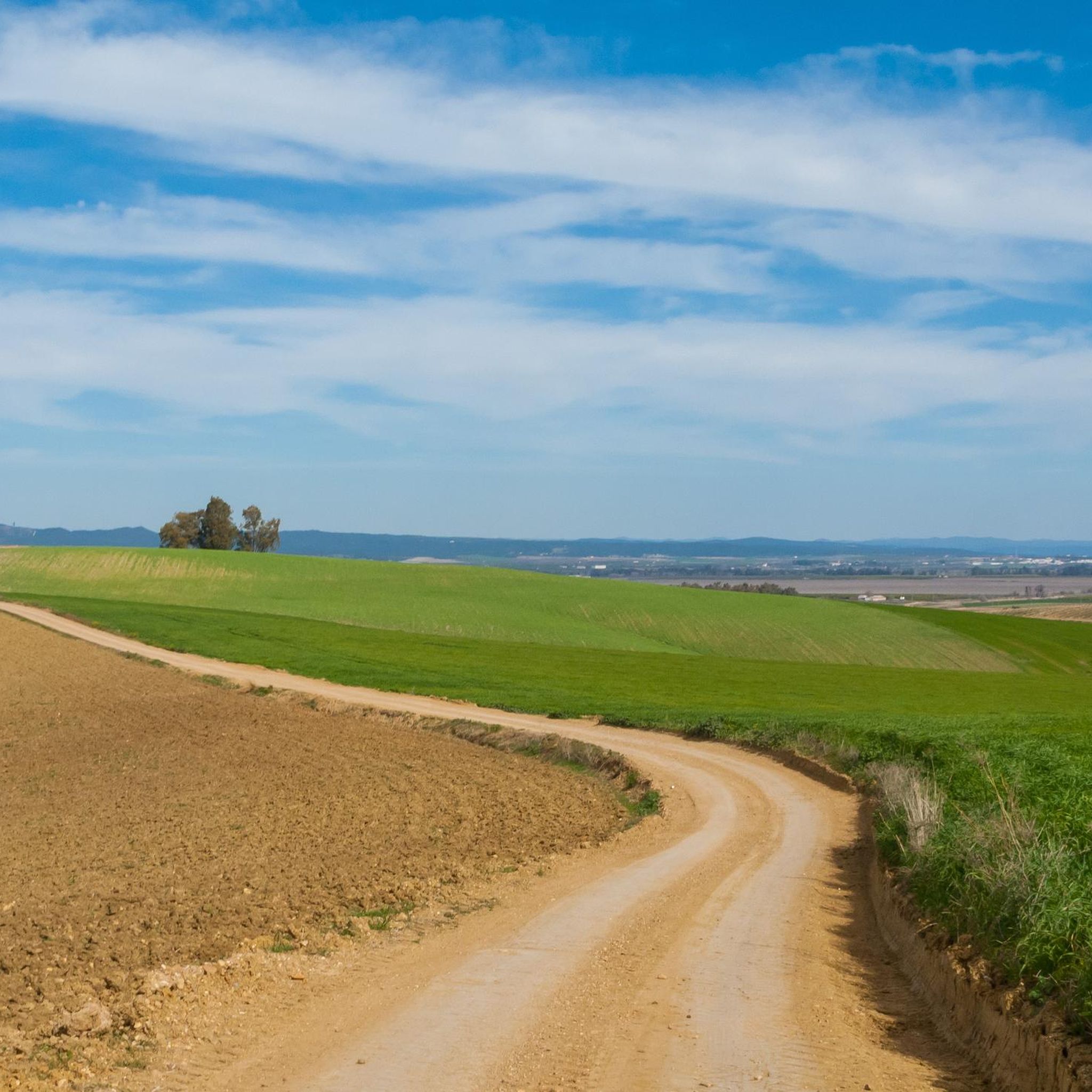
Canal de los presos del bajo guadalquivir: The Lower Guadalquivir Canal (also known as the Canal de los Presos) is an irrigation canal, hydraulic infrastructure originally intended to irrigate an area of 56,000 hectares in the provinces of Seville and Cádiz. It currently irrigates an area of 80,000 hectares that falls under the Community of Irrigators of the Lower Guadalquivir. It was built during the first Franco regime by several thousand political prisoners who were framed in the service of militarized penitentiary colonies, created in September 1939. They were the public works of the Franco regime that "for a long time [from 1940 to 1962] used political prisoners as the main labor force".
6
0
As a good pharaonic work, the builders decided to place a memorial obelisk with various images at the foot as a tribute to agricultural workers.
4
0
The Puente de Hierro in Lora del Río is a historic iron bridge that was built in 1928 and later restored in 2002 by the Escuela Taller Puente de Hierro. The bridge is 330 meters long and was originally in use until 1992. Today, traffic is prohibited over the bridge due to its limited width and increasing traffic.
7
1
The Canal de los Presos del Bajo Guadalquivir, also known as the Canal del Bajo Guadalquivir, is an important irrigation canal in the provinces of Seville and Cádiz. The canal was built between 1940 and 1962 and has a length of 158 kilometres. It starts at the Embalse de Peñaflor and ends at the Embalse de Don Melendo in Lebrija. The construction of the canal was carried out by thousands of political prisoners who were deployed in the Servicio de Colonias Penitenciarias Militarizadas during the dictatorship of Francisco Franco. The canal was originally intended to irrigate an area of 56,000 hectares, but today it covers an area of 80,000 hectares. The canal plays a crucial role in the agriculture of the region by providing irrigation to the fertile lands along the Guadalquivir. It is an important example of the infrastructure built during the Francoist period and has deep historical significance due to the working conditions of the prisoners who built it.
8
1
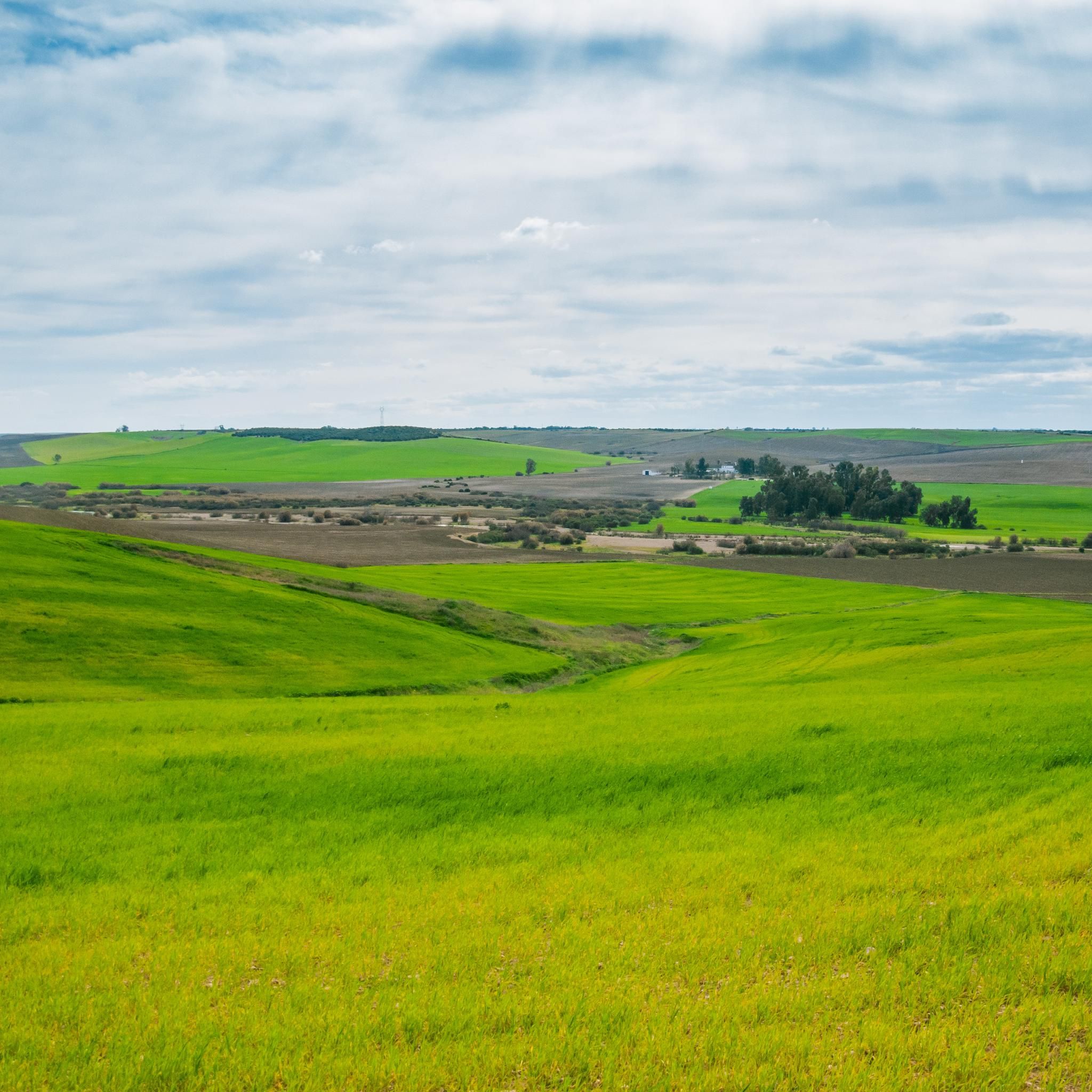
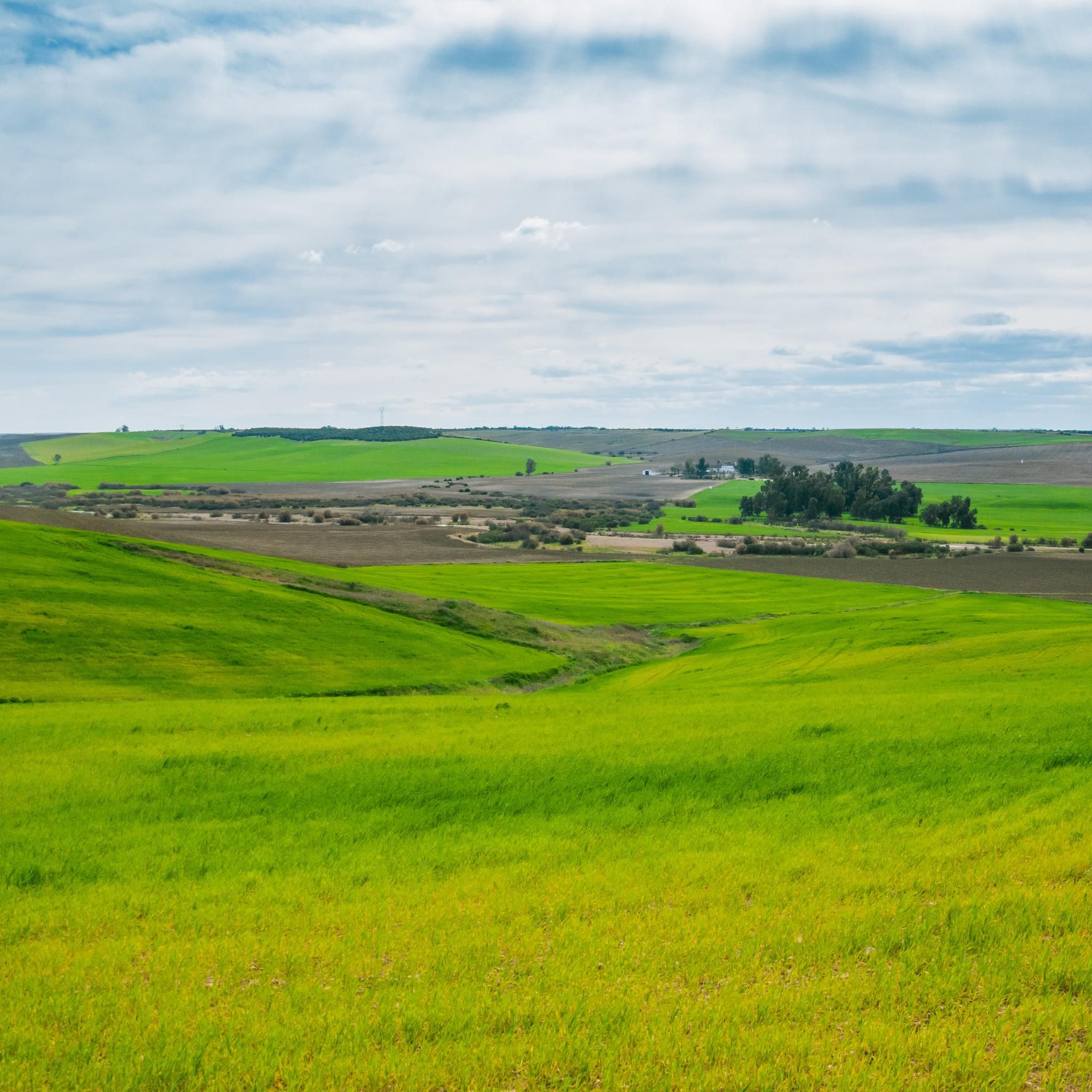
The Vega de Santa Lucía is a beautiful valley in the area surrounding Palma del Río. This valley is especially known for its orange groves, which cover the entire area and offer a beautiful view, especially in spring and summer when the blossoms are in bloom.
8
0
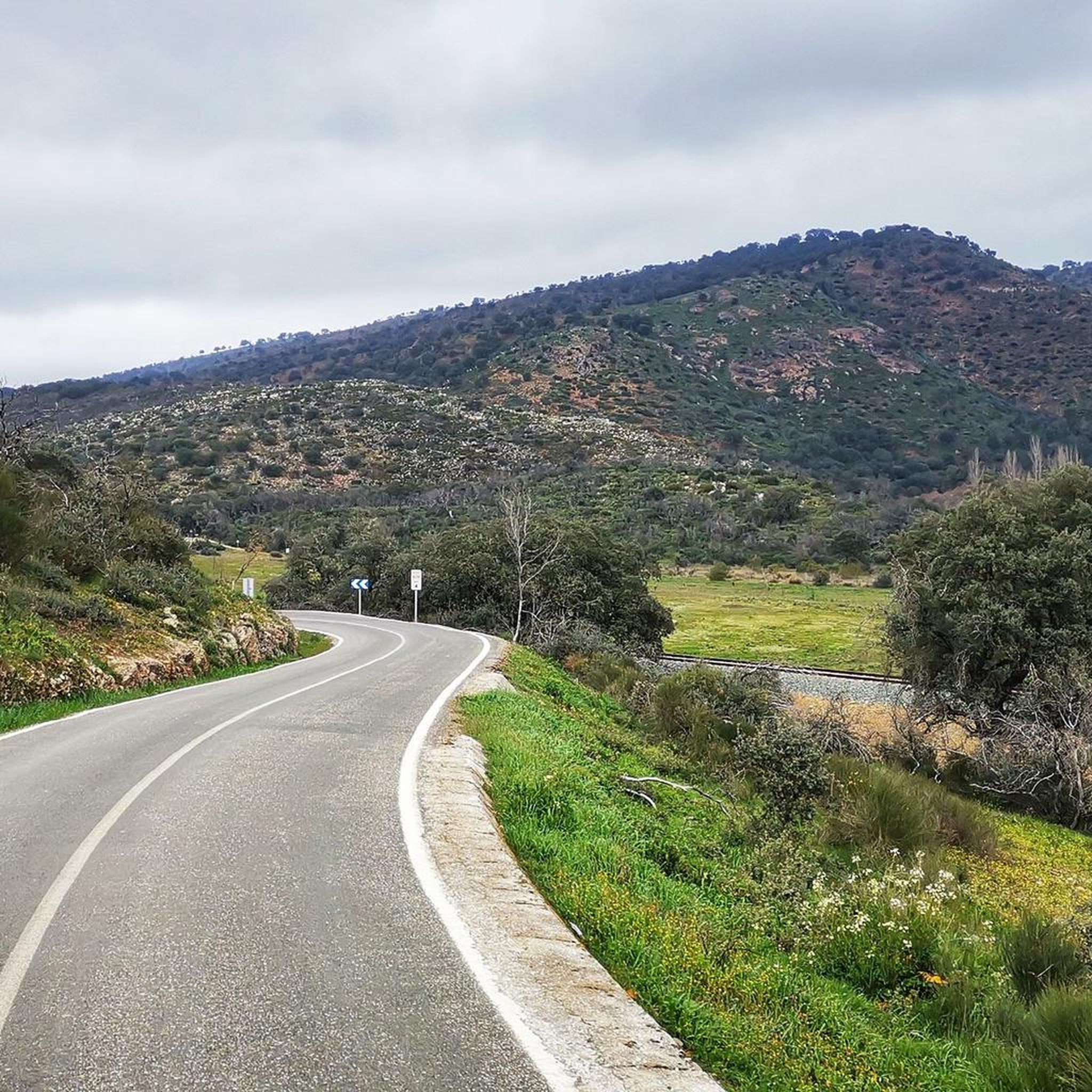
The Embalse de Peñaflor is a water storage facility located in the province of Seville. The reservoir was built in 1983 on the Guadalquivir River and has a capacity of 3 million cubic meters of water. It is an important source of water for irrigation, which is essential for agriculture in the region. The Embalse de Peñaflor dam is a so-called grave dam with a height of 19.7 meters and a length of 236 meters.
9
0


The metal structure of this bridge attracts a lot of attention. The Camino de Santiago passes through here to cross to the other side of the river and link with Lora del Río. If you go by bike, you can visit it and rest on one of the stone benches. This bridge has no exit, it ends at a guardrail next to the road roundabout. If you feel like exploring it you can go all the way, but you will have to go back the way you came, unless you want to lift your bike over the guardrail.
3
1
Frequently Asked Questions
What historical landmarks can I explore in Lora del Río?
Lora del Río boasts a rich history with several notable landmarks. You can visit the 18th-century Baroque Town Hall in Plaza de España, known for its clock tower. The Bailío Palace, once the governor's residence, now houses the Casa de la Cultura and serves as the Order of Malta Route Interpretation Centre. Don't miss the impressive Mercado de Abastos, designed by Aníbal González, or the architectural treasure of the Parish Church of Our Lady of the Assumption. The historic Puente de Hierro de Lora del Río, a 330-meter-long iron bridge built in 1928, is also a significant site.
Are there any natural areas or features to enjoy around Lora del Río?
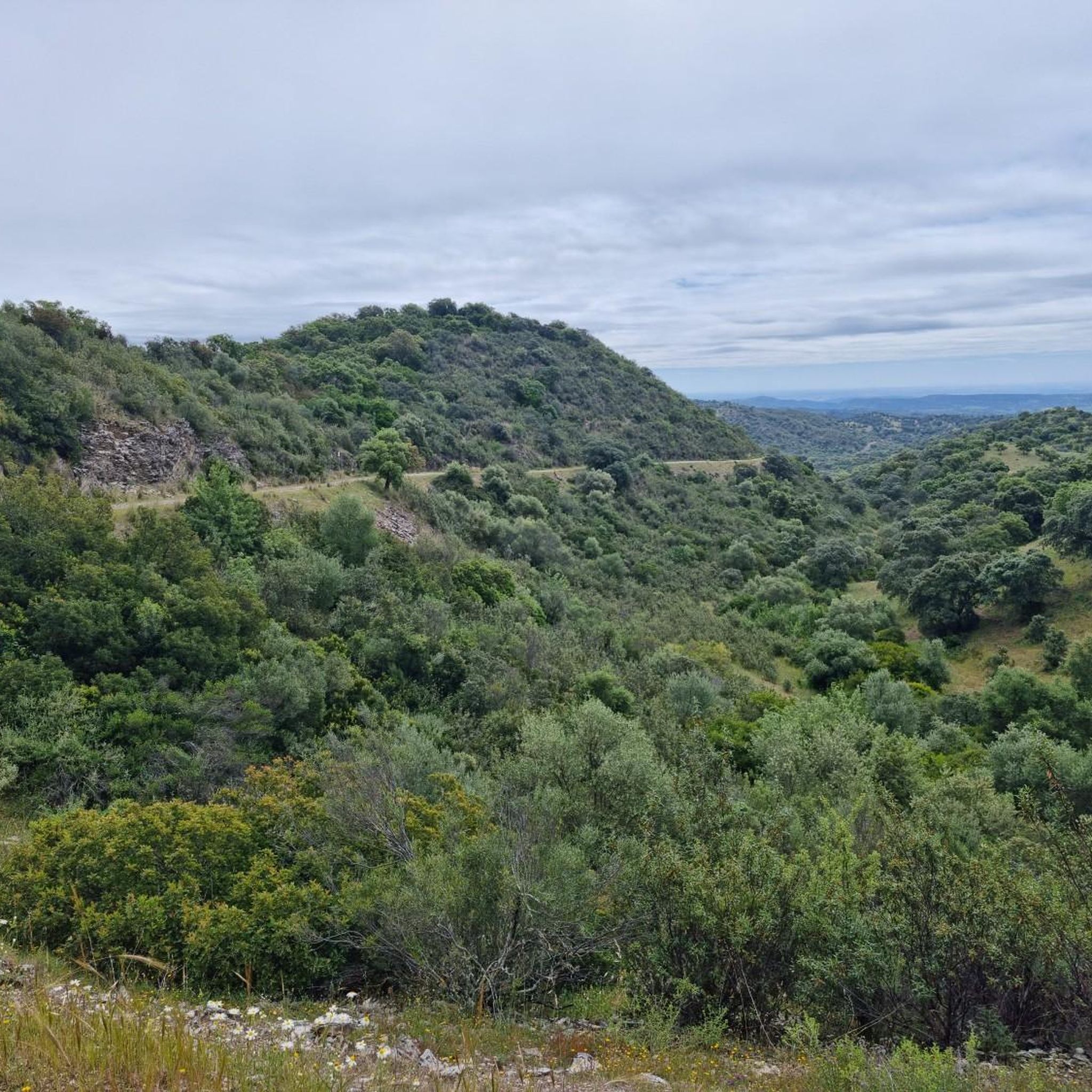
Yes, Lora del Río offers diverse natural beauty. The town is situated on the banks of the Guadalquivir River, providing scenic landscapes. You can explore the Dehesa Matallana, an ideal spot for nature lovers with barbecue facilities and an outdoor adventure park. The Santa Lucía valley is renowned for its beautiful orange groves, offering stunning views, especially when the blossoms are in bloom during spring and summer. The José Torán Reservoir and Peñaflor Reservoir - Guadalquivir River are important water features with scenic views.
What unique cultural experiences does Lora del Río offer?
Lora del Río provides several unique cultural experiences. You can explore the Route of the Knights of the Order of Malta, visiting convents, monasteries, palaces, and churches that reflect the order's legacy. For a distinctive local insight, consider visiting the Miura Ranch to see the world-famous Miura fighting bulls. You can also experience local artisan traditions at Pottery Workshops, such as Monje, where you might even try making your own pottery.
Are there family-friendly activities or attractions in Lora del Río?
Yes, Lora del Río has options for families. The Santa Lucía valley, with its beautiful orange groves, is a pleasant area for a family stroll. The Dehesa Matallana offers an outdoor adventure park and barbecue facilities, perfect for a day out. The historic Puente de Hierro de Lora del Río is also a family-friendly spot to visit and learn about local history.
What kind of outdoor activities can I do near Lora del Río's attractions?
The area around Lora del Río is excellent for various outdoor activities. You can find numerous routes for road cycling, hiking, and mountain biking. For road cycling, consider routes like the 'Lora del Río and Constantina Loop via José Torán Reservoir' or 'From Lora del Río to Carmona and Villanueva del Río y Minas'. Hiking enthusiasts can enjoy the 'Lora del Rio — circular route along the Guadalquivir River' or the 'José Torán Reservoir Circular Trail'. Mountain bikers have options such as the 'Viewpoint of Las Palomas loop'. You can find more details and routes on the Road Cycling Routes around Lora Del Río, Hiking around Lora Del Río, and MTB Trails around Lora Del Río guide pages.
Where can I learn about the history of the Canal de los Presos del Bajo Guadalquivir?
The Canal de los Presos del Bajo Guadalquivir is an important irrigation canal with deep historical significance. Built between 1940 and 1962, its construction involved thousands of political prisoners during the Francoist period. The canal, also known as the Canal del Bajo Guadalquivir, plays a crucial role in regional agriculture, irrigating vast areas in Seville and Cádiz. Its history reflects a significant chapter of Spain's past, making it a poignant site to visit.
What is the best time of year to visit Lora del Río for attractions and outdoor activities?
Spring and early summer are particularly beautiful times to visit Lora del Río, especially if you want to see the orange groves in the Santa Lucía valley in bloom. The weather is generally pleasant for exploring historical sites and engaging in outdoor activities like hiking and cycling. If you're interested in local festivities, the 'Aquí hay migas' competition takes place in January, and the 'Con gusto Cofrade' gastronomic route is held during Holy Week. The Romería de la Virgen de Setefilla, Andalusia's third-largest pilgrimage, occurs in September.
Are there any religious or spiritual sites worth visiting in the area?
Yes, Lora del Río has several significant religious sites. The Parish Church of Our Lady of the Assumption is an architectural treasure with Renaissance and Baroque elements. About 12 km from town, you'll find the Shrine to Our Lady of Setefilla (Ermita de Nuestra Señora de Setefilla), a Mudejar temple dedicated to the patron saint, surrounded by picturesque landscapes and the remains of an Arab castle. The Shrine to Nuestro Padre Jesús Nazareno, dating back to 1755, merges Baroque and Neoclassical styles, and the Convent of Limpia Concepción de Nuestra Señora is also a historical and artistic site.
What local culinary delights should I try in Lora del Río?
Lora del Río's gastronomy offers traditional dishes that reflect its rich agricultural heritage. You should try local specialties such as migas, snails, and asparagus. These dishes are often prepared with local extra virgin olive oil. Keep an eye out for local events like the 'Aquí hay migas' competition in January or the 'Con gusto Cofrade' gastronomic route during Holy Week for a taste of authentic regional cuisine.
What do visitors particularly enjoy about the attractions in Lora del Río?
Visitors appreciate the blend of historical depth and natural beauty in Lora del Río. The historical significance of sites like the Canal de los Presos del Bajo Guadalquivir and the architectural charm of the Puente de Hierro de Lora del Río are often highlighted. The scenic views from natural areas like the Santa Lucía valley, especially its orange groves, are also a favorite. The overall experience of exploring the town's heritage and diverse landscapes is highly valued by the komoot community.
Are there any ancient natural wonders to see near Lora del Río?
Yes, near the Shrine of Setefilla, you can find the remarkable 500-year-old Algarrobo de la Virgen tree. This ancient carob tree stands as a natural marvel and a testament to the region's enduring natural heritage, offering a unique point of interest for those exploring the area around the shrine.
Most popular attractions around Lora Del Río

Get inspired with the komoot mobile app


Explore more
Still not found the Highlight you’re looking for? See guides of the top attractions in other regions:
