Attractions and Places To See around El Pinell De Brai - Top 20
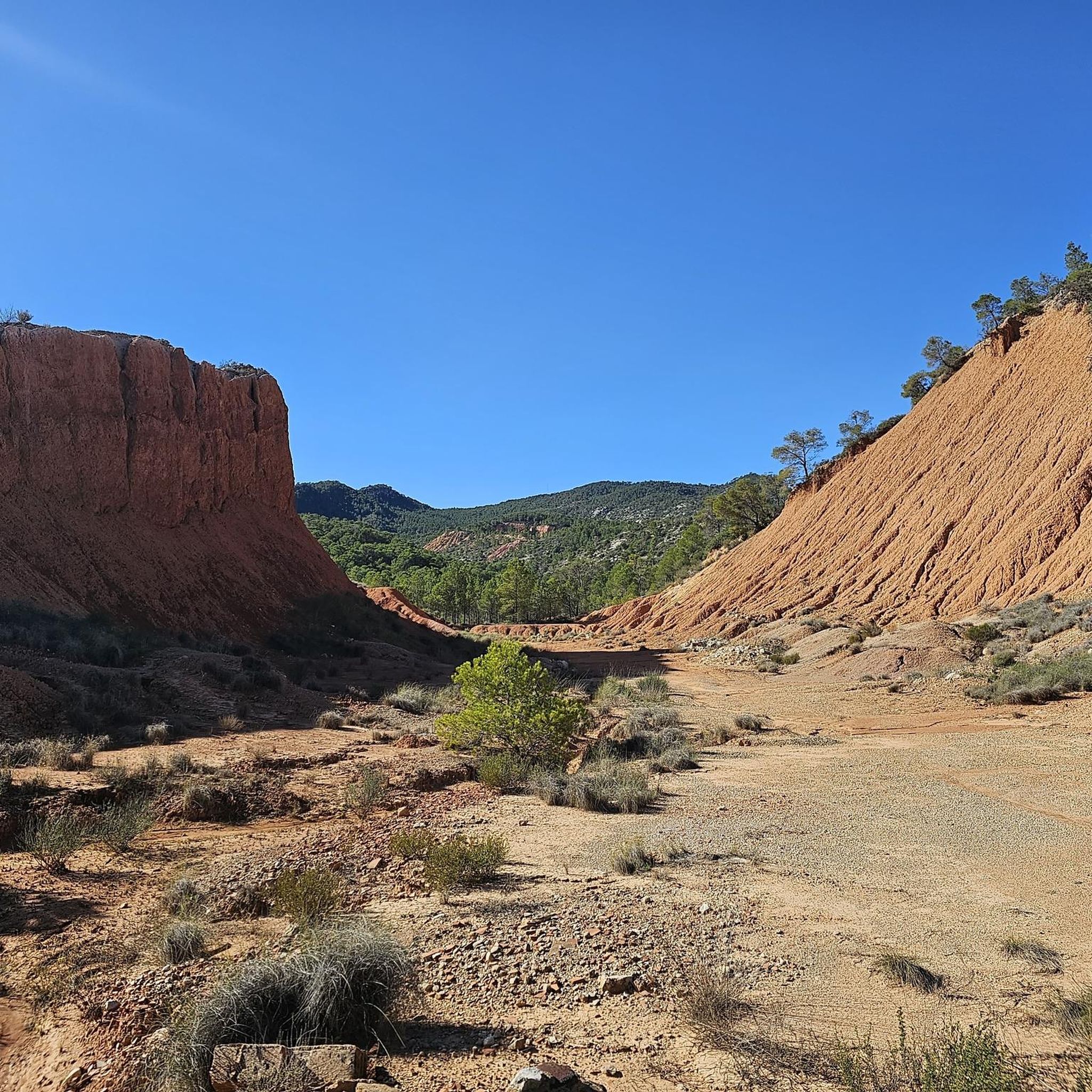
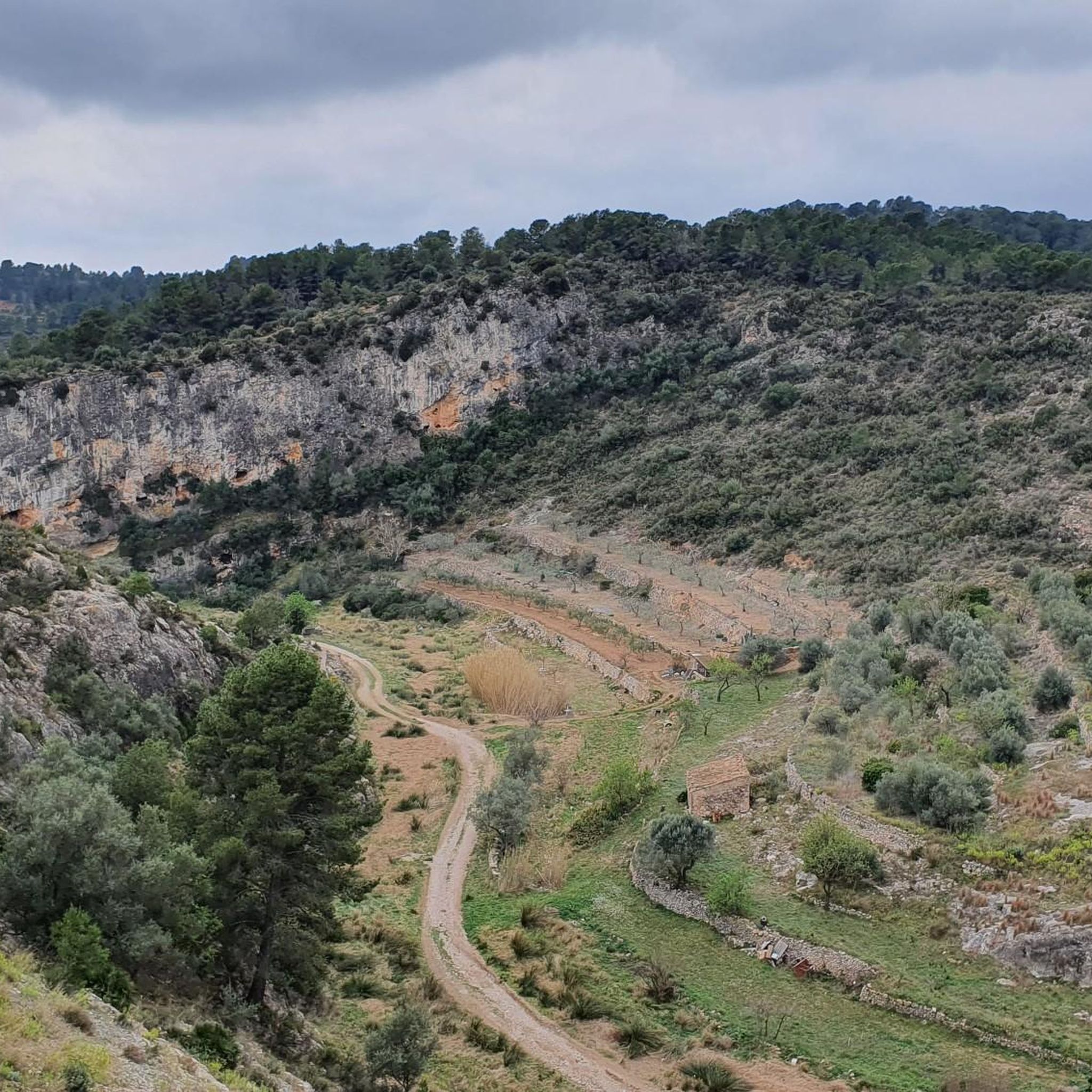
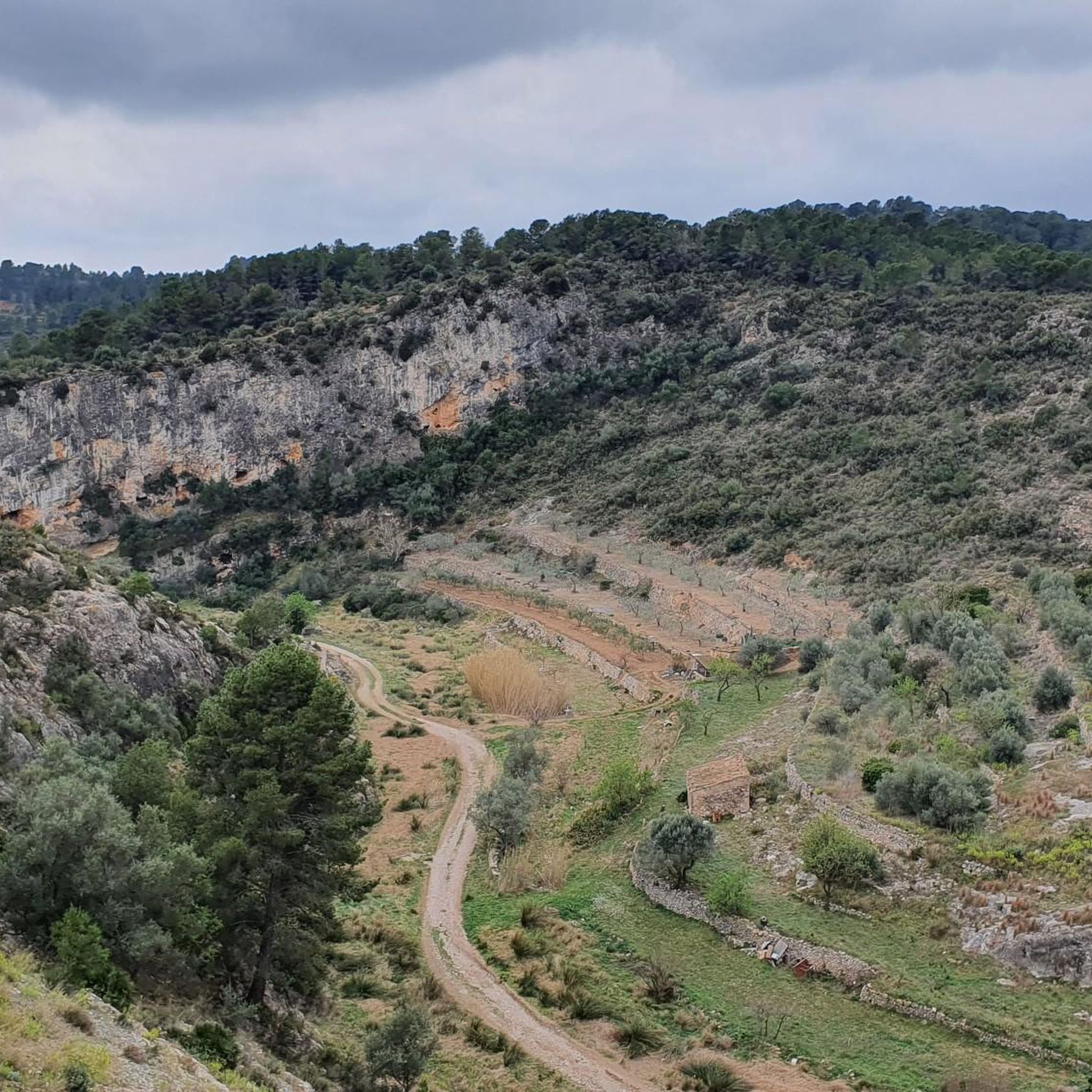
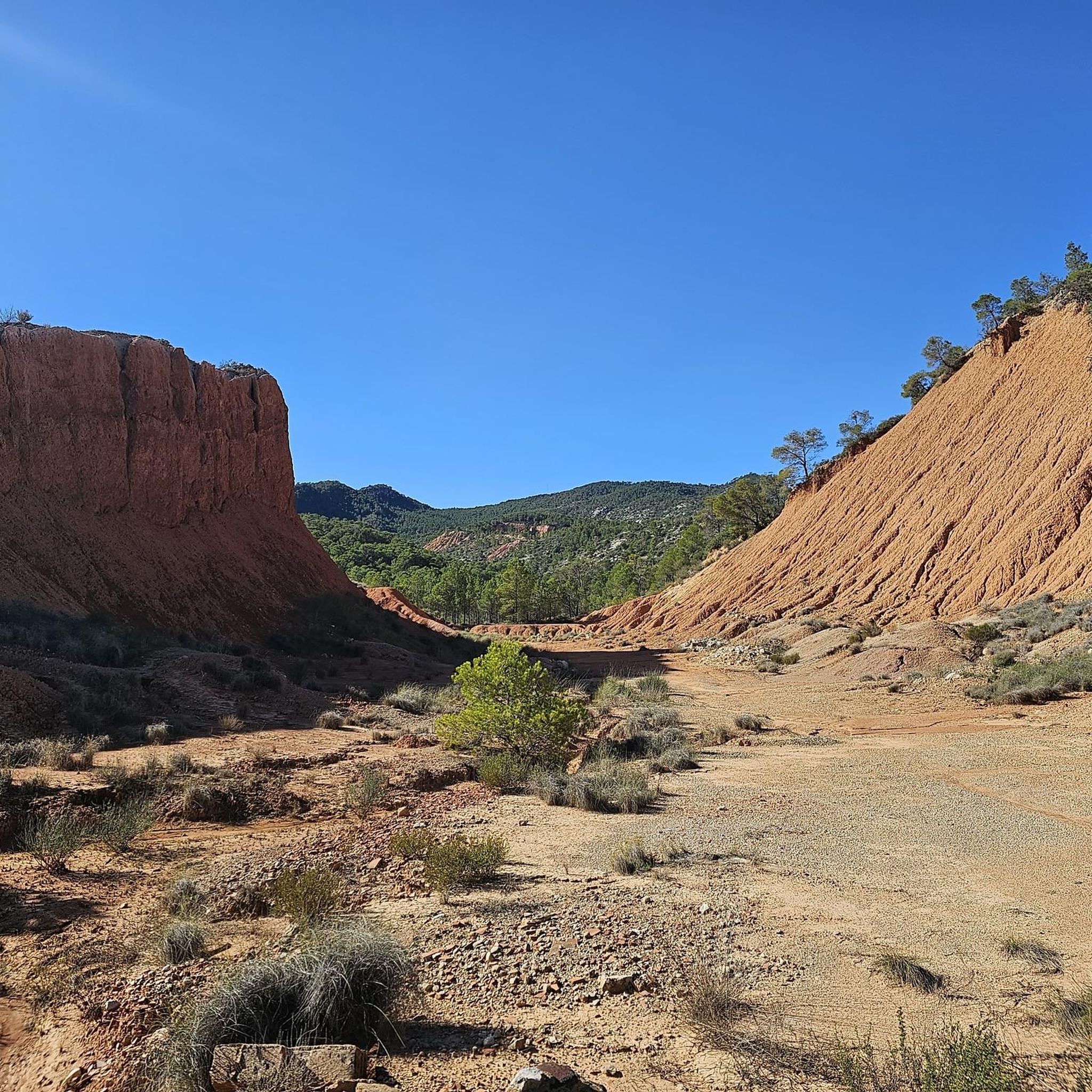
Best attractions and places to see around El Pinell De Brai include a rich blend of historical, cultural, and natural attractions. This picturesque village in Tarragona province, Catalonia, is known for its preserved architectural heritage and strategic location amidst vineyards and mountainous landscapes. Visitors can explore significant historical sites and immerse themselves in the natural beauty of the Terra Alta region, offering diverse outdoor activities. The area provides compelling destinations for those interested in cycling routes and exploring landmarks.
Best attractions and places to see around El Pinell De Brai
- The most popular attractions is Old railway viaduct, a bridge that leads right through a gorge. It features a selfie holder at the beginning of the bridge for group photos.
- Another must-see spot is Via Verde de la Terra Alta, a cycle way that follows an old railway line. This route crosses tunnels and viaducts amidst wooded landscapes and rural environments.
- Visitors also love Val de Zafán Greenway, a cycle way that forms part of a longer route through unique landscapes. It is a well-maintained path suitable for cyclists, hikers, runners, and walkers.
- El Pinell De Brai is known for its historical sites, natural features, and cycling routes. The region offers a variety of attractions to see and explore, from old railway lines converted into greenways to significant architectural landmarks.
- The attractions around El Pinell De Brai are appreciated by the komoot community, with more than 140 upvotes and 16 photos shared by visitors.
Last updated: August 29, 2026
Via Verde de la Terra Alta
Highlight • Cycleway
Translated by Google •
Tip by

Old railway viaduct
Highlight • Bridge
Translated by Google •
Tip by

Sign up now to discover places like this
Get recommendations on the best single tracks, peaks, & plenty of other exciting outdoor places.
Sign up for free
Bot Station Bar (Railbus)
Highlight • Cafe
Translated by Google •
Tip by

Val de Zafán Greenway
Highlight • Cycleway
116.1 kilometers. 690 positive meters.
Amposta is the entrance to the bikepacking route in the unique landscapes of the Ebro delta, an immense alluvial plain formed by sediments washed away in the waters of the river and traditionally dedicated to the cultivation of rice. The cycling route leaves Amposta along the right bank of the Ebro and follows a path set in a pleasant corridor of poplars and riverside vegetation between the river and the rice plantations. The land is completely flat, very comfortable, at various points there are spaces with benches and information panels on environmental values. The trail is a kind of highway in the delta for fans of active tourism and recreational leisure, it is usually frequented by cyclists, hikers, runners and walkers. In Deltebre the route changes shore through the impressive Lo Passador bridge, inaugurated in 2010 and converted into an architectural icon in the river landscape of the delta. At the Sant Jaume d'Enveja pier, next to the bridge, a boat crossing operated until recently. The next section is a bike path with gardens, kiosks and recreational spaces until a roundabout where another path begins parallel to the Ebro Canal that ends in the tourist areas of Pas de Buda, the Las Golondrinas pier and the Riumar marina. The end of the Nature Trail and the GR-99 trail appear shortly after, at the mouth of the Ebro in the Mediterranean, where the Garxal lighthouse and the curious tower of the Mirador del Zigurat are located, isolated and solitary, an authentic finis terrae on the shore from sea.
The cycle route takes the same route back to Deltebre and continues along the right of the river without crossing Lo Passador, following the milestones of the Nature Trail towards Camarles, but we do not reach the end. At the Mare de Déu hermitage, where the slender Torre de l'Aldea stands on the remains of an ancient Arab watchtower, we take a detour marked with milestones of the cycling routes of the Ebro Delta Natural Park towards Amposta, connecting with the bike lane that leads to the iron bridge of Tortosa along the Ebro Canal. And it is time to undertake the crossing of the Coastal Mountain Range inland along the greenway. The route passes through Xerta again, runs through the warm rural environments of the Terres del Ebre and goes up to the Benifallet station, converted into tourist accommodation and a restaurant, a good place to regain strength before entering the mountains. The route of the old Val de Zafán railway is a great work of railway engineering; it was necessary to drill 28 tunnels in the inhospitable mountains of Terra Alta and the wild canyon of the Canaletes river, far from towns and inhabited places. In the tunnels there are all kinds of equipment, some have automatic lighting and others are dark, in any case the headlight or front light on the bike is essential to see in the dark and to warn other cyclists, it is a very frequented route. and it is normal to cross paths with other users of the greenway. The surface is the usual pavement for cycling lanes, perfect for gravel bikes. Inside the tunnels it can be asphalt, dirt or with puddles due to leaks, but it always has good cyclability. The only place where the continuity of the train track is broken is precisely in the tunnel that suffered the collapse that caused the definitive closure of the track in 1973, at the exit of the Obaga dels Argilars canyon. The Nature Trail surrounds the destroyed tunnel, passes through the Port del Comte station and enters the Gandesa river plain, where the town of Bot is located, the only town in Terra Alta at the foot of the railway line. In the station area there is an old railway carriage converted into a railway bus with a bar and terrace.
The surface of the greenway is good and comfortable from the rice fields of the Ebro delta to the towns of the Coastal Mountains, a constant false plain from the seashore to Horta de Sant Joan, accumulating some seven hundred meters of positive slope, although The kilometers are very entertaining and fly by. The path is spectacular, it crosses countless tunnels, viaducts, deep ravines, isolated and solitary mountain ranges and old stations converted for new tourist uses that are places of frequent meetings with other cyclists. The stage ends in Horta de Sant Joan, it is close to the road, offers complete services and has an old town declared a Historic-Artistic Site, with narrow streets with a medieval atmosphere, palaces, stately mansions and a rich monumental heritage at the foot of the Natural Park. dels Ports.
Translated by Google •
Tip by

Cardó Spa
Highlight • Historical Site
used as a spa in the 19th and 20th centuries
since then empty
Translated by Google •
Tip by

Sign up for free to discover even more attractions around El Pinell De Brai.
Sign up for free
Already have an account?
Start today with a free account
Your next adventure awaits.
Login or Signup

Tips from the Community

It's a Green Route suitable for all levels, well-maintained, with beautiful scenery and also many tunnels. You'll need to bring a light, as they don't illuminate themselves.
1
0

Amazing greenway but mandatory to have lights, the tunnels have but we found some that didn't work and some of them are long and its pitch black inside because some of them are not straight
1
1

very beautiful landscape, with only a slight incline.
1
0

Beautiful old buildings, some with gravity
4
0
Wonderful place to take a break. It is a popular place, nice for people watching
5
0

Stage 3. Amposta/Horta de Sant Joan 116.1 kilometers. 690 positive meters. Amposta is the entrance to the bikepacking route in the unique landscapes of the Ebro delta, an immense alluvial plain formed by sediments washed away in the waters of the river and traditionally dedicated to the cultivation of rice. The cycling route leaves Amposta along the right bank of the Ebro and follows a path set in a pleasant corridor of poplars and riverside vegetation between the river and the rice plantations. The land is completely flat, very comfortable, at various points there are spaces with benches and information panels on environmental values. The trail is a kind of highway in the delta for fans of active tourism and recreational leisure, it is usually frequented by cyclists, hikers, runners and walkers. In Deltebre the route changes shore through the impressive Lo Passador bridge, inaugurated in 2010 and converted into an architectural icon in the river landscape of the delta. At the Sant Jaume d'Enveja pier, next to the bridge, a boat crossing operated until recently. The next section is a bike path with gardens, kiosks and recreational spaces until a roundabout where another path begins parallel to the Ebro Canal that ends in the tourist areas of Pas de Buda, the Las Golondrinas pier and the Riumar marina. The end of the Nature Trail and the GR-99 trail appear shortly after, at the mouth of the Ebro in the Mediterranean, where the Garxal lighthouse and the curious tower of the Mirador del Zigurat are located, isolated and solitary, an authentic finis terrae on the shore from sea. The cycle route takes the same route back to Deltebre and continues along the right of the river without crossing Lo Passador, following the milestones of the Nature Trail towards Camarles, but we do not reach the end. At the Mare de Déu hermitage, where the slender Torre de l'Aldea stands on the remains of an ancient Arab watchtower, we take a detour marked with milestones of the cycling routes of the Ebro Delta Natural Park towards Amposta, connecting with the bike lane that leads to the iron bridge of Tortosa along the Ebro Canal. And it is time to undertake the crossing of the Coastal Mountain Range inland along the greenway. The route passes through Xerta again, runs through the warm rural environments of the Terres del Ebre and goes up to the Benifallet station, converted into tourist accommodation and a restaurant, a good place to regain strength before entering the mountains. The route of the old Val de Zafán railway is a great work of railway engineering; it was necessary to drill 28 tunnels in the inhospitable mountains of Terra Alta and the wild canyon of the Canaletes river, far from towns and inhabited places. In the tunnels there are all kinds of equipment, some have automatic lighting and others are dark, in any case the headlight or front light on the bike is essential to see in the dark and to warn other cyclists, it is a very frequented route. and it is normal to cross paths with other users of the greenway. The surface is the usual pavement for cycling lanes, perfect for gravel bikes. Inside the tunnels it can be asphalt, dirt or with puddles due to leaks, but it always has good cyclability. The only place where the continuity of the train track is broken is precisely in the tunnel that suffered the collapse that caused the definitive closure of the track in 1973, at the exit of the Obaga dels Argilars canyon. The Nature Trail surrounds the destroyed tunnel, passes through the Port del Comte station and enters the Gandesa river plain, where the town of Bot is located, the only town in Terra Alta at the foot of the railway line. In the station area there is an old railway carriage converted into a railway bus with a bar and terrace. The surface of the greenway is good and comfortable from the rice fields of the Ebro delta to the towns of the Coastal Mountains, a constant false plain from the seashore to Horta de Sant Joan, accumulating some seven hundred meters of positive slope, although The kilometers are very entertaining and fly by. The path is spectacular, it crosses countless tunnels, viaducts, deep ravines, isolated and solitary mountain ranges and old stations converted for new tourist uses that are places of frequent meetings with other cyclists. The stage ends in Horta de Sant Joan, it is close to the road, offers complete services and has an old town declared a Historic-Artistic Site, with narrow streets with a medieval atmosphere, palaces, stately mansions and a rich monumental heritage at the foot of the Natural Park. dels Ports.
3
0
There is a selfie holder at the beginning of the bridge so you can take a nice group photo.
7
1

This old railway station in the town of Bot has become a mandatory stop for travelers traveling the greenway. Now the services are provided by an old railway bus conditioned as a bar.
2
0
Frequently Asked Questions
What are the main historical and cultural attractions in El Pinell de Brai?
El Pinell de Brai is rich in history and culture. A must-see is the Catedral del Vi (Wine Cathedral), an impressive cooperative winery designed by a disciple of Gaudí, renowned for its Catalan Modernist architecture. You can take guided tours and enjoy wine tastings there. The village's historic center, with its unique "hanging houses" atop a rocky cliff and the 18th-century Church of Sant Llorenç Màrtir, also offers a glimpse into its past. For those interested in more recent history, the Les Veus del Front (The Voices of the Front) Interpretation Center provides context on the Spanish Civil War and the Battle of the Ebro.
Are there any notable natural features or viewpoints to explore around El Pinell de Brai?
Yes, the region boasts beautiful natural landscapes. The Serra de Pàndols and Serra de Cavalls mountain ranges offer rugged terrain and scenic views. On the highest peak of Serra de Pàndols, known as Hill 705 (Punta Alta), you'll find a monument to peace with panoramic views of the village and surroundings. The Canaletes River flows through the area, and the spectacular Lluminosa Cave, a rock shelter piercing a ridge, is a unique natural formation.
What cycling routes are available near El Pinell de Brai?
El Pinell de Brai is a fantastic base for cycling enthusiasts. The Via Verde de la Terra Alta is a popular 24-kilometer cycling route that follows an old railway line, featuring tunnels and viaducts amidst wooded landscapes. Another excellent option is the Val de Zafán Greenway, which is part of a longer route through unique landscapes and is well-maintained for cyclists. You can find more cycling options, including a moderate 20 km loop on the Val de Zafán Greenway, on the Cycling around El Pinell De Brai guide.
Are there family-friendly attractions or activities in the area?
Absolutely! The greenways are particularly suitable for families. The Old railway viaduct, part of the greenway, is perfect for cycling families with children and even has a selfie holder for group photos. The Bot Station Bar (Railbus), an old railway station converted into a cafe, is a great family-friendly spot to take a break during a ride on the greenway. Exploring the historic town center with its unique architecture can also be an engaging activity for all ages.
Where can I find places to eat or take a break while exploring the greenways?
While exploring the greenways, a popular spot to refuel is the Bot Station Bar (Railbus). This old railway station in the municipality of Bot has been converted into a bar and cafe, offering a wonderful place to take a break, enjoy some refreshments, and even do some people-watching. It's conveniently located along the route of the Val de Zafán Greenway.
What kind of hiking opportunities are there near El Pinell de Brai?
The mountainous landscapes of Serra de Pàndols and Serra de Cavalls provide numerous hiking possibilities. You can find a variety of trails, from moderate to difficult. For example, there are moderate loops like the 12 km 'Fontcalda – La Fontcalda Sanctuary loop' or the 7.8 km 'Puig Cavaller loop'. For a more challenging experience, consider the 16.9 km 'Punta Redona loop'. More details on these and other routes can be found in the Hiking around El Pinell De Brai guide.
Are there any unique historical sites beyond the village center?
Yes, beyond the immediate village, you can visit the Cardó Spa, a fascinating monastic complex from the 17th century with 13 surrounding hermitages. It later served as a spa in the 19th and 20th centuries and even as a hospital during the Battle of the Ebro. Although currently undergoing restoration, it offers a unique historical and architectural experience amidst a beautiful natural setting.
What do visitors enjoy most about the attractions around El Pinell de Brai?
Visitors particularly appreciate the blend of natural beauty and historical significance. The greenways, like the Via Verde de la Terra Alta, are highly praised for their scenic tunnels and viaducts, offering a unique cycling experience. The Old railway viaduct is noted for its impressive height and photo opportunities. The historical sites, such as the Wine Cathedral and the charming old town, also leave a lasting impression on those exploring the region's rich heritage.
What is the best time of year to visit El Pinell de Brai for outdoor activities?
The region's Mediterranean climate makes it suitable for outdoor activities for much of the year. Spring and autumn generally offer pleasant temperatures for cycling and hiking, with less intense heat than summer and fewer crowds. The landscapes are also particularly vibrant during these seasons. While specific weather data isn't provided, avoiding the peak heat of summer for strenuous activities is generally advisable.
Are there any nearby attractions outside of El Pinell de Brai that are worth visiting?
Yes, several compelling attractions are just a short distance away. Approximately 7 km from El Pinell de Brai, you can find Miravet Castle, an impressive Templar fortress considered one of the best examples of military architecture from the Order of the Templars in Catalonia. Another natural gem is Fontcalda, a thermal basin set within a beautiful gorge, known for its 22-degree Celsius waters suitable for bathing year-round. The River Ebro also offers opportunities for boat trips and enjoying the riverine landscape.
Can I find mountain biking trails in the El Pinell de Brai area?
Yes, the rugged terrain around El Pinell de Brai is also suitable for mountain biking. There are various MTB trails available, including a challenging 38 km loop from Antiga Estació de Pinell de Brai that incorporates the Bot Station Bar (Railbus) and the Via Verde de la Terra Alta. For more options, including moderate and difficult routes, check out the MTB Trails around El Pinell De Brai guide.
Most popular routes around El Pinell De Brai
Most popular attractions around El Pinell De Brai

Get inspired with the komoot mobile app


Explore more
Still not found the Highlight you’re looking for? See guides of the top attractions in other regions:
